The Complete Guide to Growing Vegetables in Extreme Summer Heat

How to Protect, Maintain, and Restore Your Vegetable Garden During Heat Waves
Extreme summer heat is becoming one of the greatest challenges for vegetable gardeners. Days above 90°F are no longer unusual, and many regions now experience multiple stretches of 95°F to 105°F weather each growing season. Add warm nights, low humidity—or sometimes oppressive humidity—and even experienced gardeners can watch healthy plants suddenly wilt, stop flowering, drop fruit, or simply stop growing.
The good news is that most vegetables can survive—and many can continue producing—if gardeners understand what happens during heat stress and respond appropriately.
I’ve gardened through hot summers in California, Iowa, Florida, and Massachusetts, and one lesson has become clear: heat itself rarely kills healthy vegetable plants overnight. More often, it is the combination of excessive heat, water stress, sun exposure, and poor timing that causes crops to fail. A gardener who understands these factors can often keep a productive garden going even during extended heat waves.
This guide brings together everything you need to know about gardening through extreme summer heat. Think of it as the central handbook for surviving the hottest weeks of the growing season, with links to detailed articles covering every step.
Why Heat Is So Hard on Vegetables
Vegetables grow best within a fairly narrow temperature range.
When temperatures climb into the 90s, plants begin diverting energy away from growth and reproduction simply to survive. Leaves lose water rapidly. Roots struggle to replace moisture fast enough. Pollen becomes sterile in many crops. Flowers drop before fruit forms. Fruits exposed to intense afternoon sun can literally cook on the vine.
Warm nights make matters worse because plants cannot recover from the day’s stress.
Understanding these physiological changes helps explain why vegetables behave differently during heat waves.
Learn more:
- How Heat and Humidity Affect Vegetable Plants—and What Gardeners Should Do
- How Humidity Changes Plant Stress in the Vegetable Garden
Before the Heat Wave: Prepare Your Garden
Preparation often determines whether vegetables sail through a heat wave or struggle afterward.
Several days before extreme temperatures arrive:
- Deeply water the soil
- Add organic mulch
- Install shade cloth before temperatures spike
- Harvest mature vegetables
- Delay fertilizing
- Finish transplanting early
Healthy, well-watered plants withstand heat far better than stressed ones.
Related guides
- How to Protect Your Vegetable Garden During a 90°F to 100°F Heat Wave
- Emergency Heat Wave Checklist for the Garden
- What to Harvest Before a Heat Wave—and What to Leave in the Garden
Watering During Extreme Heat
Water is your most important tool during hot weather—but timing and technique matter just as much as quantity.
The goal is to keep the root zone consistently moist while avoiding shallow watering that encourages weak root systems.
Best practices include:
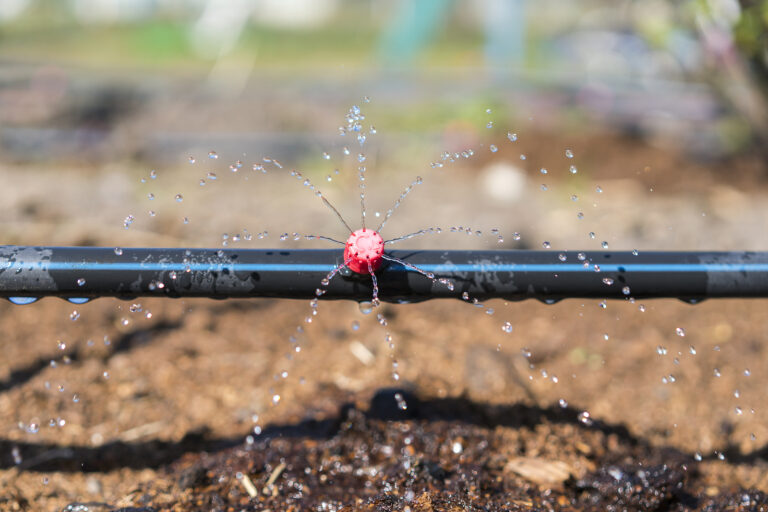
- Water deeply rather than frequently.
- Irrigate early in the morning.
- Avoid watering foliage during the hottest part of the day.
- Check soil moisture before watering again.
- Increase irrigation gradually during prolonged heat.
Remember that container gardens often require daily watering, while raised beds usually need water more often than in-ground gardens.
Learn more
- How to Water the Vegetable Garden During a Heat Wave
- The Best Way to Water a Vegetable Garden During Extreme Heat
Mulch: Your Garden’s Air Conditioner
A good layer of mulch may lower soil temperatures by several degrees while reducing evaporation dramatically.
Organic mulches such as:
- Straw
- Shredded leaves
- Compost
- Pine needles
- Grass clippings (dried first)
help conserve moisture, moderate soil temperature, suppress weeds, and improve soil over time.
Keeping roots cool is one of the easiest ways to improve heat tolerance.
Related article
Should You Use Shade Cloth?
Many gardeners are surprised to learn that vegetables don’t always need full sun during extreme heat.
Once temperatures exceed about 95°F, reducing afternoon sunlight can actually increase production.
Shade cloth can:
- Lower leaf temperature
- Prevent sunscald
- Reduce water loss
- Improve fruit set
- Extend harvests
Most vegetables benefit from 30–40% shade during heat waves.
Read more
Emergency Heat Wave Survival
When forecasts predict several days above 95°F, quick action can make all the difference.
Priority steps include:
- Water deeply.
- Mulch exposed soil.
- Add temporary shade.
- Harvest ripe vegetables.
- Delay fertilizing.
- Avoid unnecessary pruning.
- Minimize garden traffic.
Small actions taken before temperatures peak often prevent permanent damage.
Complete guide
Why Vegetables Stop Producing
One of the most frustrating aspects of summer gardening is seeing healthy plants suddenly stop producing.
Common examples include:
Tomatoes stop setting fruit.
Beans stop flowering.
Peppers stop growing.
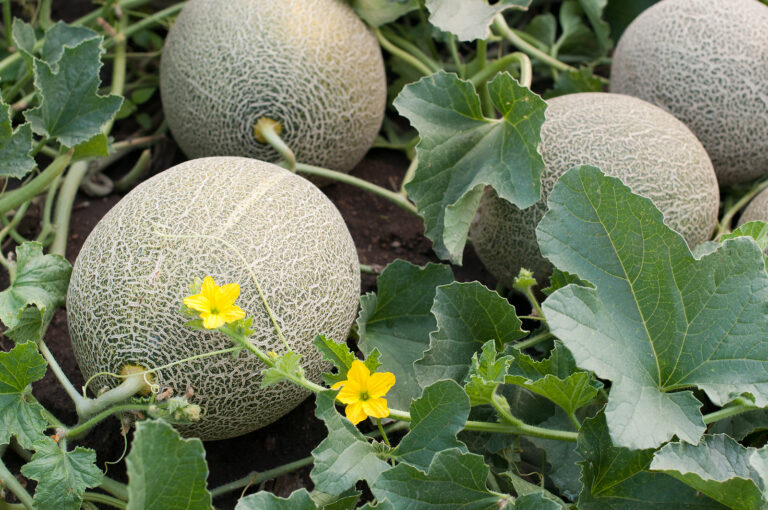
Squash abort young fruit.
This usually happens because high temperatures interfere with pollination—not because the plants are dying.
Production often resumes once temperatures moderate.
Related reading
Heat Problems in Tomatoes and Peppers
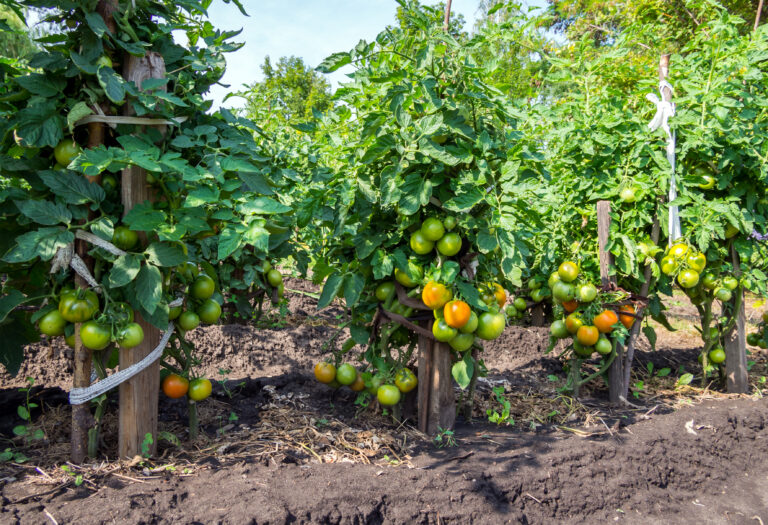
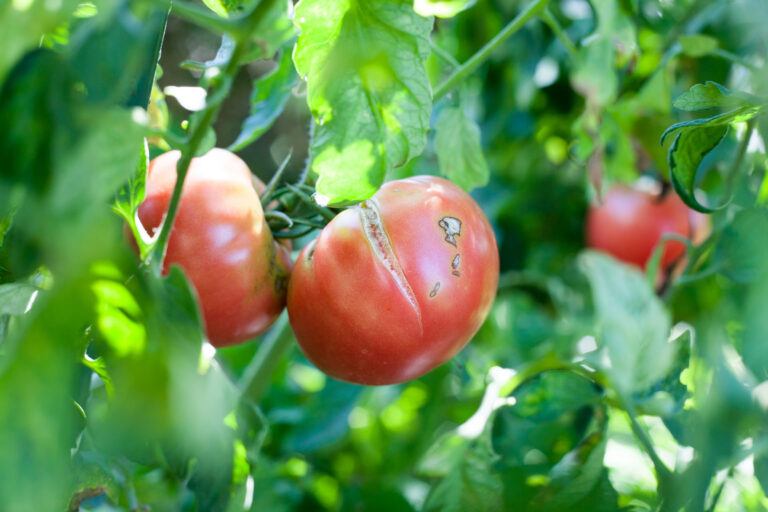
Tomatoes receive most of the attention during heat waves because several disorders appear at once.
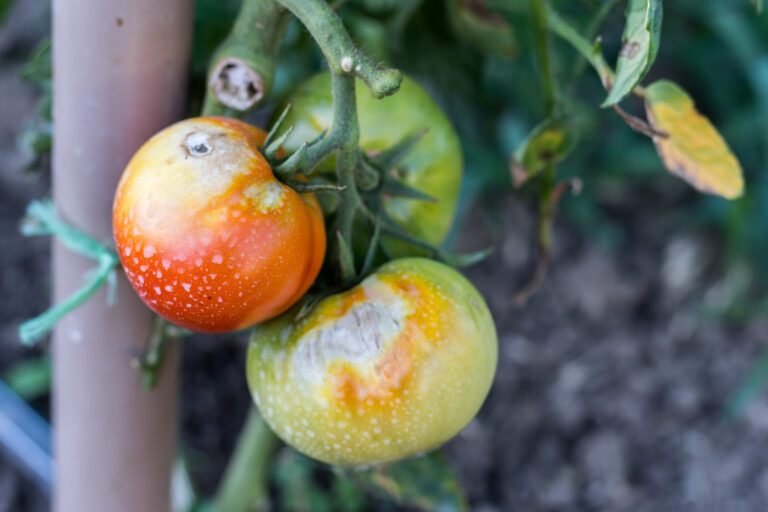
Common problems include:
- Blossom drop
- Sunscald
- Poor pollination
- Cracked fruit
- Reduced fruit size
Peppers suffer many of the same problems.
Fortunately, most can be prevented through proper watering, mulching, and temporary shading.
Read more
- Why Tomatoes Stop Setting Fruit (and How to Fix It)
- How to Prevent Blossom Drop, Sunscald, and Heat Stress in Tomatoes and Peppers
- How to Prevent Sunscald in Vegetables and Fruit
Heat Wave Guides for Individual Crops
Every vegetable responds differently to extreme heat. Tomatoes may stop setting fruit, lettuce may bolt, beans may stop flowering, while peppers often continue producing if they’re properly watered. Use these crop-specific guides to protect your favorite vegetables during hot weather.
When Is It Too Hot for Tomatoes?
How to Keep Cucumbers Producing in Hot Weather
Why Beans Stop Flowering Above 90°F
Growing Peppers During Triple-Digit Heat
How to Keep Lettuce from Bolting in Summer
What Happens to Squash During Extreme Heat?
How Heat Affects Corn Pollination
How to Grow Herbs Through a Heat Wave
Can Your Garden Recover?
Almost always—yes.
Many vegetables pause growth during extreme heat.
Once temperatures return to the 80s and nights cool again, plants frequently begin producing a second flush of flowers and fruit.
Help recovery by:
- Resuming consistent irrigation
- Feeding lightly if needed
- Removing damaged foliage
- Harvesting regularly
- Watching for pests that attack weakened plants
Recovery usually happens faster than gardeners expect.
Recovery guides
- Can Vegetables Recover After a Heat Wave? Here’s What to Do Next
- Recovering Your Vegetable Garden After Extreme Heat
Choose Vegetables That Love Heat
Some vegetables actually thrive when temperatures climb.
Excellent hot-weather crops include:
- Sweet potatoes
- Okra
- Southern peas
- Malabar spinach
- Armenian cucumber
- Yardlong beans
- Eggplant
- Hot peppers
These crops often become more productive as temperatures rise.
Choosing naturally heat-loving vegetables reduces stress for both plants and gardeners.
Read more
The Biggest Heat Wave Mistakes
Every summer I see gardeners unintentionally make the same mistakes.
Among the most common:
- Watering lightly every day
- Fertilizing during heat waves
- Removing healthy leaves
- Waiting too long to harvest
- Ignoring mulch
- Forgetting shade cloth
- Overwatering after plants wilt
- Assuming plants are dead too soon
Avoiding these mistakes often matters more than doing something complicated.
See the complete list
Quick Heat Wave Action Plan
When temperatures are forecast to exceed 90°F:
Before the heat
- Water deeply.
- Mulch exposed soil.
- Install shade cloth.
- Harvest mature vegetables.
During the heat
- Water early.
- Avoid fertilizing.
- Delay pruning.
- Watch for wilting in late afternoon versus morning.
After the heat
- Resume normal watering.
- Remove damaged growth.
- Feed lightly if necessary.
- Harvest frequently.
- Watch for renewed flowering.
Frequently Asked Questions
Should I water every day during a heat wave?
Not necessarily. Water deeply enough to moisten the full root zone, then water again when the soil begins drying. Containers usually require more frequent watering than garden beds.
Should I fertilize during extreme heat?
Generally no. Fertilizer encourages new growth that is especially vulnerable to heat stress.
Why are my tomatoes flowering but not producing fruit?
High temperatures often sterilize tomato pollen, preventing pollination. Fruit production usually resumes when daytime temperatures fall below about 90°F and nights cool.
Is afternoon wilting always a problem?
No. Temporary afternoon wilting that disappears by evening or morning is often normal. Morning wilting usually indicates the soil is too dry.
Will vegetables recover after a heat wave?
Most healthy plants recover once temperatures moderate, especially if they receive consistent watering and proper care.
Final Thoughts
Extreme summer heat doesn’t have to mean the end of your vegetable garden. By preparing before a heat wave, protecting plants during the hottest days, and helping them recover afterward, you can extend harvests and keep your garden productive throughout the season.
The key is understanding that plants respond to heat in predictable ways. When you recognize those signals early—and respond with deep watering, mulch, shade, and good timing—you’ll prevent many of the problems that frustrate gardeners each summer.
Use this guide as your starting point, then explore the linked articles for detailed instructions on each topic. Together, they provide a complete system for growing vegetables successfully, even when summer temperatures soar.