How to Protect Your Vegetable Garden During a 90°F to 100°F Heat Wave

When temperatures climb into the 90°F to 100°F range, vegetable gardens enter a period of stress. Tomatoes stop setting fruit, lettuce bolts, cucumbers wilt by afternoon, and peppers pause their growth. A few days of extreme heat may not kill healthy plants, but without the right care, a prolonged heat wave can reduce harvests for weeks.
I’ve gardened through many hot summers in California’s Sonoma Valley, where several consecutive days above 95°F are common. I’ve learned that the key isn’t trying to keep plants cool—it’s helping them lose less water and recover every night.
Here’s what works.
Understand What Heat Does to Vegetables
Vegetables cool themselves by moving water from their roots through their leaves. During extreme heat, plants lose water faster than roots can replace it.
Know What to Plant This Week
Every week I answer the gardener's most important question: what should I plant now? Get seasonal planting advice free — or go Pro for my full Soil Temperature Garden Report, with soil temperature, moisture, weather trends, and crop-by-crop recommendations.
When this happens, plants begin protecting themselves by slowing growth.
Common heat stress symptoms include:
- Afternoon wilting
- Leaf scorch or browning edges
- Blossom drop
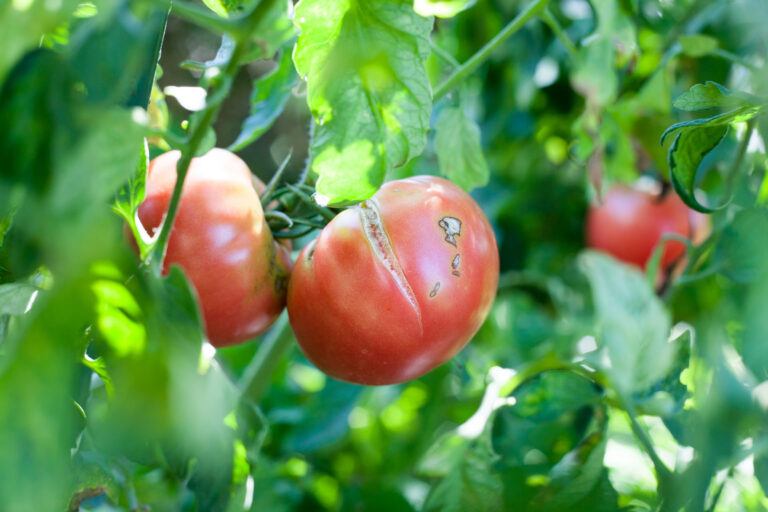
- Sunscald on fruit
- Slow growth
- Poor fruit set
- Bitter greens
Many warm-season vegetables continue growing in hot weather, but most begin struggling once air temperatures remain above 95°F, especially if nights stay above 70°F.
Water Deeply—Not Frequently
During a heat wave, the goal is to keep moisture available deep in the root zone.
Instead of watering lightly every day, water long enough for moisture to penetrate 8 to 12 inches into the soil.
Deep watering encourages roots to grow downward where soil stays cooler.
Best watering practices
- Water early in the morning.
- Avoid watering during the hottest afternoon hours.
- Soak the soil—not the leaves.
- Check moisture before watering again.
A moisture meter or simply digging a few inches into the soil tells you far more than looking at the surface.
Mulch Is Your Best Defense
If you only do one thing before a heat wave arrives, mulch.
A 2- to 4-inch layer of organic mulch can:
- Lower soil temperature
- Reduce evaporation
- Prevent soil crusting
- Keep roots cooler
- Reduce watering needs
Excellent mulches include:
- Straw
- Shredded leaves
- Compost
- Pine needles
- Fine wood chips (around established plants)
Keep mulch an inch away from stems to prevent rot.
Provide Afternoon Shade
Many vegetables appreciate temporary shade when temperatures exceed 95°F.
Shade cloth reduces heat stress without blocking all sunlight.
A 30% to 40% shade cloth works well for:
- Tomatoes
- Peppers
- Eggplant
- Cucumbers
- Beans
A 40% to 50% shade cloth benefits:
- Lettuce
- Spinach
- Swiss chard
- Kale
- Asian greens
Install shade so plants still receive full morning sun.
Protect Fruit from Sunscald
Sunscald develops when fruit is exposed directly to intense sunlight.
Affected fruit develops:
- White patches
- Yellow areas
- Papery skin
- Brown, leathery spots
Avoid heavy pruning during summer.
Tomato and pepper leaves naturally shade developing fruit. Removing too much foliage exposes fruit to damaging afternoon sun.
Harvest More Often
Heat speeds fruit development.
Check your garden every day during a heat wave.
Harvest:
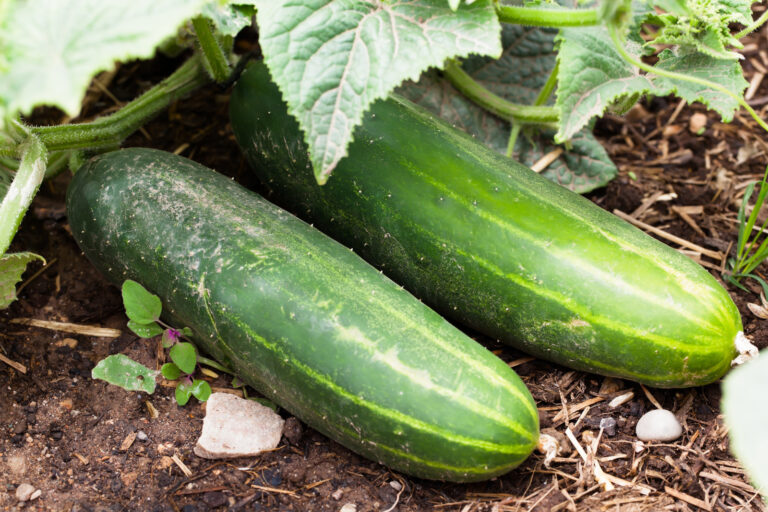
- Cucumbers while young
- Zucchini before oversized
- Beans while tender
- Okra frequently
- Tomatoes as they begin coloring
Frequent harvesting encourages continued flowering and reduces stress on plants.
Delay Fertilizing
Avoid applying nitrogen fertilizer during extreme heat.
Fertilizer stimulates tender new growth that requires additional water.
Wait until temperatures moderate before feeding plants again.
If vegetables appear nutrient deficient, use compost or a dilute liquid fertilizer after the heat wave has passed.
Watch Container Vegetables Closely
Container gardens heat much faster than garden beds.
Pots may require watering:
- Once daily
- Twice daily
- Even three times during exceptionally hot weather
Move containers where they’ll receive afternoon shade whenever possible.
Light-colored containers also stay cooler than black plastic pots.
Know Which Vegetables Need Extra Protection
Most heat-sensitive
- Lettuce
- Spinach
- Arugula
- Cilantro
- Peas
- Broccoli
- Cauliflower
Moderately heat tolerant
- Tomatoes
- Cucumbers
- Beans
- Sweet corn
- Basil
Highly heat tolerant
- Okra
- Sweet potatoes
- Eggplant
- Hot peppers
- Southern peas
- Malabar spinach
Knowing which crops struggle first helps you prioritize watering and shade.
Don’t Panic Over Afternoon Wilting
It’s normal for many vegetables to wilt temporarily during the hottest part of the day.
Healthy plants usually recover by evening.
Be concerned if:
- Plants remain wilted after sunset.
- Soil is moist but leaves stay limp.
- Leaves become crispy or scorched.
- Fruit begins dropping.
Persistent wilting often indicates root damage or insufficient soil moisture.
Plan for the Next Heat Wave
Extreme heat is becoming more common in many vegetable-growing regions.
Prepare before the next heat wave by:
- Adding compost each season to improve water retention.
- Installing drip irrigation or soaker hoses.
- Keeping mulch on beds all summer.
- Having shade cloth ready.
- Growing heat-tolerant varieties.
- Watering deeply before temperatures spike.
Healthy soil rich in organic matter stores more water, buffers temperature swings, and helps vegetables survive periods of extreme weather.
Final Thoughts
Heat waves are stressful for both gardeners and plants, but they don’t have to ruin your harvest. Focus on the fundamentals: deep watering, organic mulch, temporary shade, and careful observation. Most vegetables can recover quickly once temperatures return to normal if their roots remain cool and consistently moist.
The best gardens aren’t those that avoid hot weather—they’re the ones prepared for it before the forecast reaches 90°F.
Want the complete heat-wave playbook? For step-by-step guidance before, during, and after a heat wave—including watering, shading, mulching, recovery, and crop-specific advice—see The Complete Guide to Growing Vegetables in Extreme Summer Heat.
Frequently Asked Questions
Should I water vegetables every day during a heat wave?
Not necessarily. Water deeply enough to moisten the entire root zone, then water again when the soil begins to dry several inches below the surface.
Should I water in the evening?
Morning is best because plants have moisture available before temperatures rise. Evening watering is acceptable if morning isn’t possible, but avoid wetting foliage overnight.
Can tomatoes survive 100°F weather?
Yes. Established tomato plants usually survive, but flowering and fruit set often stop until temperatures drop below about 90–95°F.
Will vegetables recover after a heat wave?
Most healthy plants recover quickly if they remain well watered and their roots have not been damaged by prolonged drought.
Author Note
About the Author: Stephen Albert has gardened vegetables for more than 30 years in climates ranging from New England to Northern California. He is the author of multiple vegetable gardening books and the founder of Harvest to Table, where he shares practical, experience-based growing advice for home gardeners. His recommendations are based on decades of hands-on gardening and proven horticultural practices rather than theory alone.