Vegetables That Stop Producing in Hot Weather—and How to Keep Them Going

Every summer, vegetable gardeners ask the same question:
“My plants look healthy, so why did they stop producing?”
If daytime temperatures consistently climb above 90°F to 95°F, many vegetables temporarily stop flowering, setting fruit, or producing new growth. This is a normal survival response—not necessarily a sign that something is wrong with your garden.
The good news is that most vegetables begin producing again once temperatures moderate, especially if you’ve helped them through the hottest part of summer.
Know What to Plant This Week
Every week I answer the gardener's most important question: what should I plant now? Get seasonal planting advice free — or go Pro for my full Soil Temperature Garden Report, with soil temperature, moisture, weather trends, and crop-by-crop recommendations.
After more than 30 years of growing vegetables in California’s warm summers and other regions with challenging climates, I’ve learned that keeping plants productive during extreme heat depends less on adding fertilizer and more on reducing stress. Understanding why vegetables pause production helps you take the right steps to protect your harvest.
Why Vegetables Stop Producing in Hot Weather
Plants have one primary goal during extreme heat: survival.
When temperatures remain above 90–95°F, vegetables redirect energy away from producing flowers and fruit.
Instead, they focus on:
- Conserving water
- Protecting leaves
- Keeping roots alive
- Reducing moisture loss
Several factors contribute to reduced production.
Pollen Becomes Less Viable
Many vegetables rely on healthy pollen to produce fruit.
High temperatures reduce pollen viability in crops such as:
- Tomatoes
- Peppers
- Eggplant
- Beans
Flowers may appear normal but fail to develop fruit.
Blossoms Drop
Plants often shed flowers before fruit forms.
This is known as blossom drop.
The plant simply doesn’t have enough energy or moisture to support developing fruit during stressful weather.
Photosynthesis Slows
When temperatures climb into the upper 90s, photosynthesis becomes less efficient.
Plants manufacture less food, leaving less energy available for flowering and fruit production.
Roots Become Stressed
Hot soil heats root systems.
When roots struggle:
- Water uptake slows.
- Nutrient absorption declines.
- Overall plant growth decreases.
Healthy roots are the key to surviving summer heat.
Vegetables Most Likely to Stop Producing
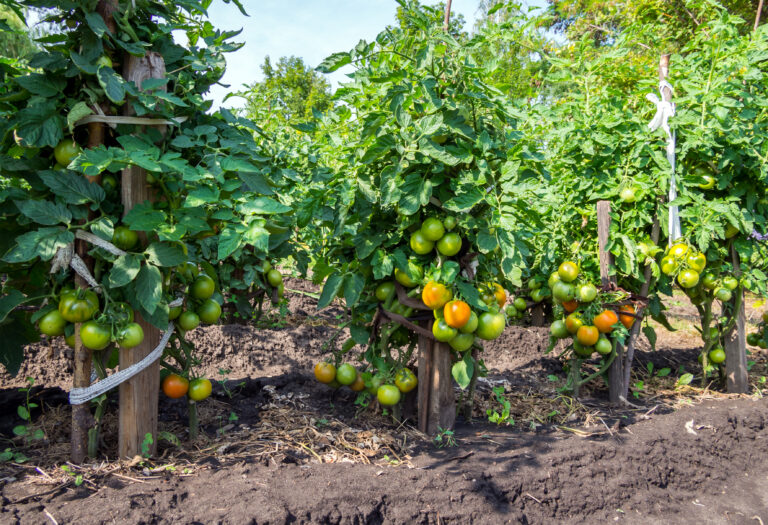
Tomatoes
Tomatoes are famous for blossom drop during heat waves.
Most varieties stop setting fruit once daytime temperatures exceed about 95°F or nighttime temperatures remain above 70–75°F.
Existing fruit usually continues ripening.
New flowers often fail.
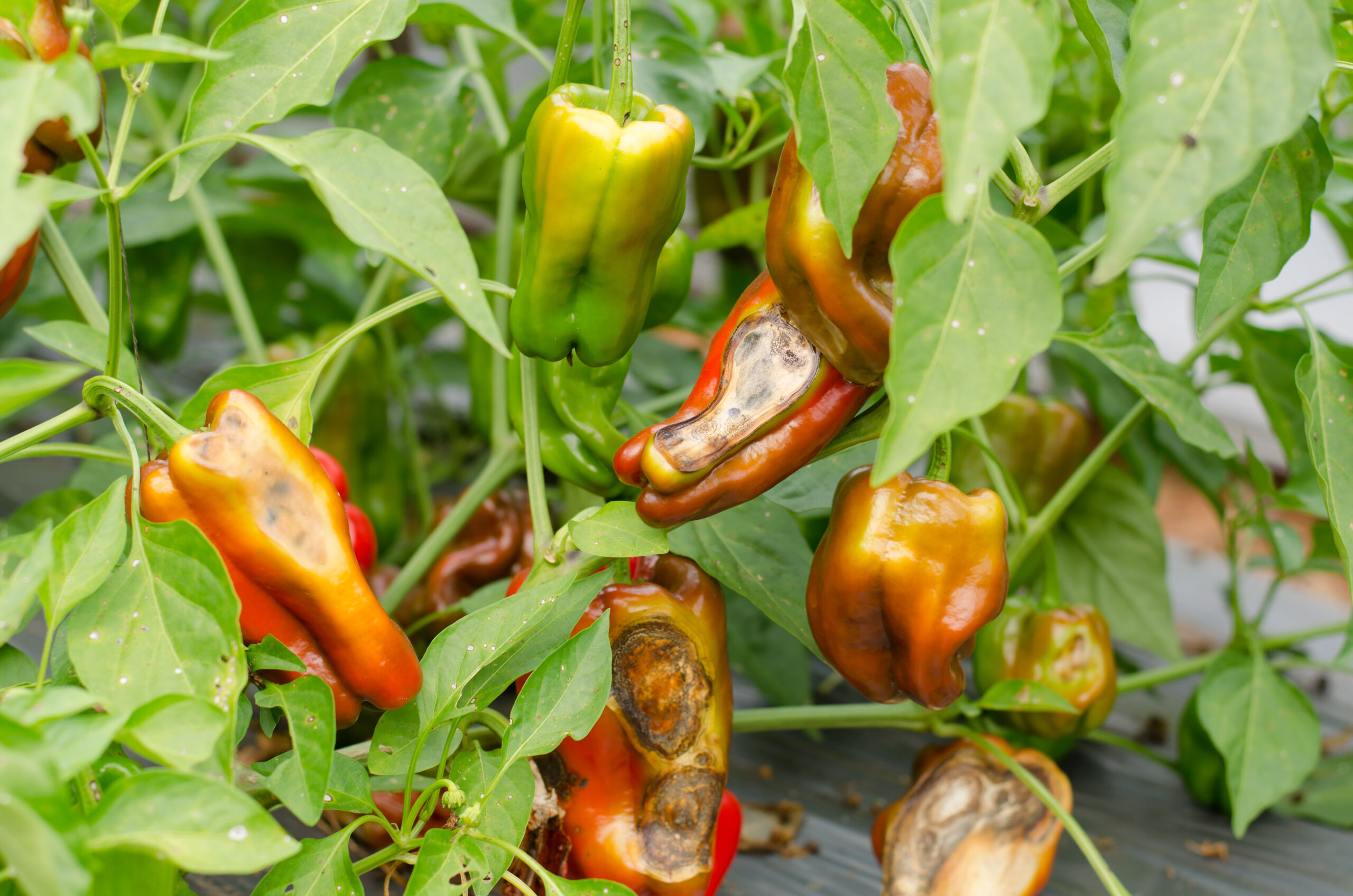
Peppers
Peppers tolerate heat better than tomatoes but may still stop flowering during prolonged extreme temperatures.
Plants often resume production quickly when temperatures return to the 80s.
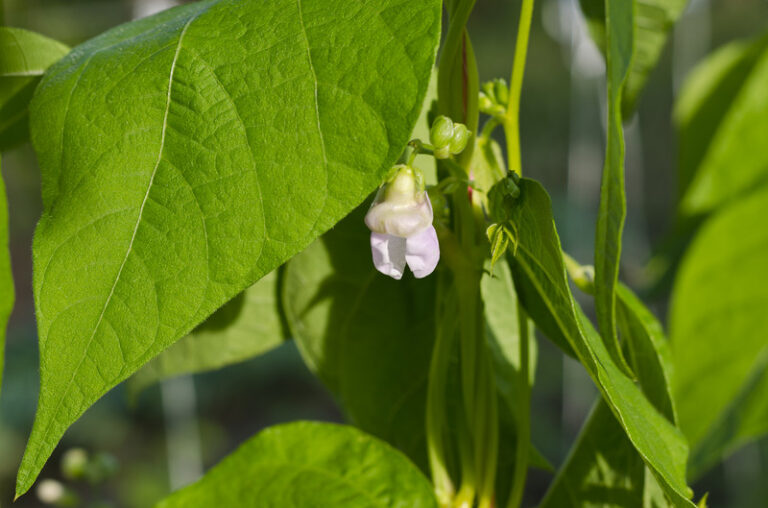
Beans
Snap beans dislike sustained hot weather.
Flowers frequently abort before pods develop.
Pole beans often tolerate heat slightly better than bush beans.
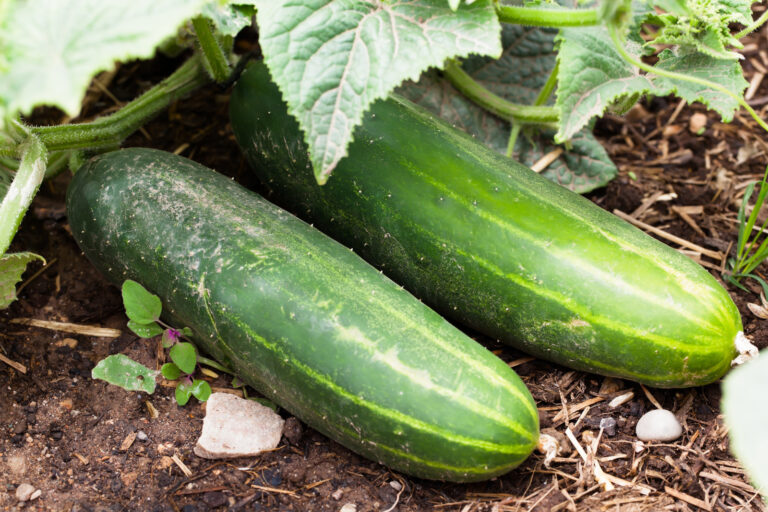
Cucumbers
Cucumbers may:
- Produce fewer female flowers
- Develop misshapen fruit
- Grow more slowly
Consistent watering becomes especially important.
Summer Squash
High temperatures reduce pollination and fruit production.
Flowers may open for only a short time during hot mornings.
Poor pollination results in small or misshapen squash.
Lettuce
Rather than stopping production, lettuce usually bolts.
Plants send up flower stalks and leaves become bitter.
Harvest remaining leaves promptly.
Spinach
Spinach quickly bolts during hot weather.
Production generally ends until cooler temperatures return.
Broccoli and Cauliflower
These cool-season crops stop producing quality heads during hot weather.
New plantings should wait until temperatures begin cooling.
Vegetables That Continue Producing in Extreme Heat
Some vegetables actually enjoy hot weather.
Excellent heat performers include:
- Okra
- Sweet potatoes
- Southern peas
- Yardlong beans
- Eggplant
- Malabar spinach
- Hot peppers
- Armenian cucumbers
If your summers regularly exceed 95°F, these crops deserve more space in your garden.
How to Keep Vegetables Producing
1. Keep Soil Evenly Moist
The goal isn’t wet soil.
It’s consistent moisture.
Deep watering encourages healthy root systems and reduces plant stress.
Water early in the morning whenever possible.
2. Mulch Generously
A 2- to 4-inch layer of mulch:
- Keeps roots cooler
- Reduces evaporation
- Improves soil moisture
- Suppresses weeds
Healthy roots support continued flowering.
3. Add Afternoon Shade
Temporary shade cloth can reduce leaf temperatures by several degrees.
Use:
- 30–40% shade for tomatoes, peppers, cucumbers, and beans
- 40–50% shade for leafy greens
Morning sunlight remains important.
4. Don’t Fertilize During Heat Waves
Nitrogen encourages tender new growth.
That growth requires more water and becomes vulnerable to heat damage.
Resume fertilizing after temperatures moderate.
5. Harvest Frequently
Large mature fruit requires considerable plant energy.
Regular harvesting:
- Encourages additional flowering
- Reduces plant stress
- Improves overall production
Pick vegetables every day or two during peak season.
6. Keep Plants Healthy Before Heat Arrives
Strong plants survive stressful weather better than weak ones.
Healthy soil rich in compost supports:
- Better root growth
- Improved water retention
- More consistent nutrient uptake
Preparation begins long before summer arrives.
7. Don’t Over-Prune
Leaves protect developing fruit from sunscald.
Heavy pruning exposes tomatoes and peppers to intense afternoon sunlight.
Remove only damaged or diseased foliage.
8. Encourage Pollinators
Squash, cucumbers, melons, and pumpkins depend on bees.
Plant nearby flowers that attract pollinators.
Avoid insecticide applications during bloom.
9. Watch Soil Temperature
Soil temperatures above 80°F increase stress on roots.
Mulch helps moderate soil temperatures while conserving moisture.
Healthy roots recover more quickly after hot afternoons.
10. Be Patient
One of the biggest mistakes gardeners make is assuming plants have finished for the season.
Most vegetables resume flowering once temperatures return below about 90°F.
A temporary pause does not mean the crop has failed.
Signs Your Plants Are Recovering
After temperatures cool, watch for:
- New flower clusters
- Fresh green growth
- Improved leaf color
- New fruit set
- Faster growth
Recovery often begins within a week of cooler weather.
Common Mistakes During Hot Weather
Avoid these errors:
- Watering lightly every day
- Fertilizing stressed plants
- Removing too many leaves
- Ignoring mulch
- Harvesting too late
- Allowing weeds to compete for moisture
- Assuming production has permanently ended
Simple adjustments can significantly extend your harvest season.
Final Thoughts
It’s frustrating when healthy-looking vegetables suddenly stop producing, but in most cases, they’re responding exactly as nature intended. Heat causes many crops to pause reproduction until conditions improve. Rather than forcing new growth with extra fertilizer or excessive watering, focus on reducing stress by keeping roots cool, conserving soil moisture, and protecting plants from the hottest afternoon sun.
In my own gardens, I’ve seen tomatoes, peppers, beans, and cucumbers rebound with surprising vigor after a week of cooler temperatures. A brief pause in production is often just that—a pause. With good care, many vegetables will reward your patience with another flush of flowers and fruit before the season ends.
Want the complete heat-wave playbook? For step-by-step guidance before, during, and after a heat wave—including watering, shading, mulching, recovery, and crop-specific advice—see The Complete Guide to Growing Vegetables in Extreme Summer Heat.
Frequently Asked Questions
Why do tomato flowers fall off in hot weather?
Tomato pollen becomes less viable when daytime temperatures exceed about 95°F or nighttime temperatures stay above 70–75°F. Without successful pollination, blossoms naturally drop.
Should I fertilize vegetables that stop producing?
No. During extreme heat, fertilizer encourages tender growth that increases water demand. Wait until temperatures moderate before feeding plants.
Will peppers start producing again after a heat wave?
Yes. Healthy pepper plants typically resume flowering and fruiting once daytime temperatures return to the 80s or low 90s.
Can shade cloth increase vegetable production?
Yes. Temporary shade cloth lowers leaf temperatures, reduces water stress, and often improves flowering and fruit set during prolonged heat waves.
About the Author
Stephen Albert is a horticulturist, certified nurseryman, and vegetable gardening educator with more than 30 years of hands-on experience growing food in diverse climates, from cool New England summers to the hot, dry conditions of Northern California. He is the founder of Harvest to Table and the author of several vegetable gardening books. The recommendations in this article are based on decades of observing how vegetables respond to summer heat, combined with established horticultural research on plant physiology, irrigation, flowering, and crop management.