How to Prevent Sunscald in Vegetables and Fruit

Sunscald is one of the most frustrating problems in the summer vegetable garden. A healthy tomato or pepper can look perfect one day and develop pale, leathery, or burned patches the next. In severe cases, the affected tissue turns white, yellow, or papery and becomes unusable.
Unlike many plant diseases, sunscald is not caused by a pathogen. It is simply sun damage to exposed fruit tissue, usually triggered by intense sunlight combined with high temperatures and sudden loss of protective leaf cover.
After more than 30 years of growing vegetables in hot inland valleys and other sun-intense climates, I’ve seen sunscald appear most often during heat waves, after heavy pruning, or when plants suddenly lose foliage due to stress. The good news is that it is largely preventable with a few simple gardening practices.
Here’s how to understand, prevent, and manage sunscald in your vegetable garden.
Know What to Plant This Week
Every week I answer the gardener's most important question: what should I plant now? Get seasonal planting advice free — or go Pro for my full Soil Temperature Garden Report, with soil temperature, moisture, weather trends, and crop-by-crop recommendations.
☀️ What Is Sunscald?
Sunscald occurs when fruit is exposed directly to intense sunlight for extended periods, especially when temperatures exceed 90°F to 95°F.
Most commonly affected crops:
- Tomatoes
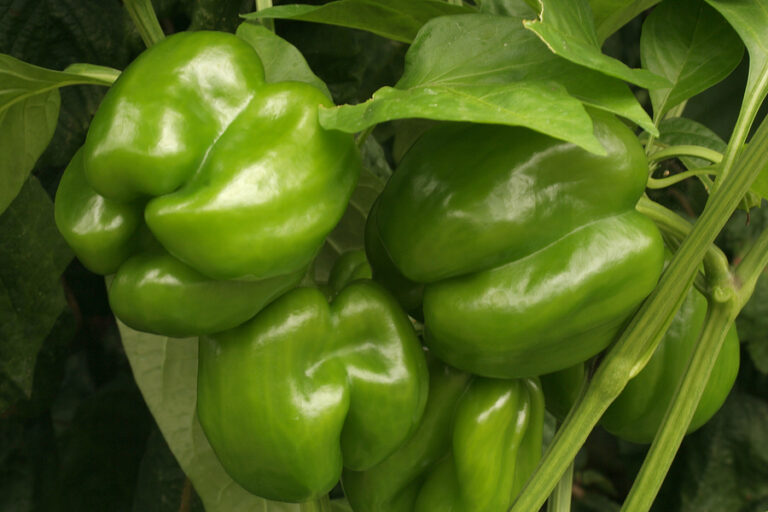
- Peppers
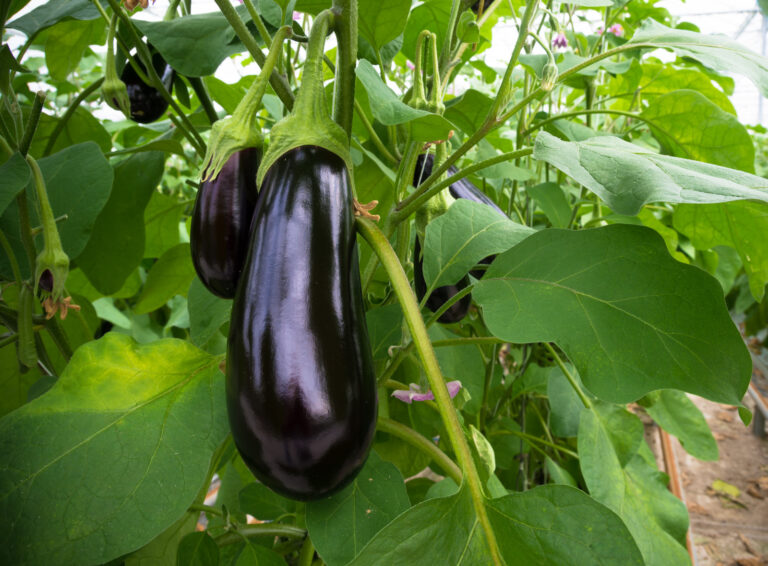
- Eggplant
- Occasionally cucumbers and squash
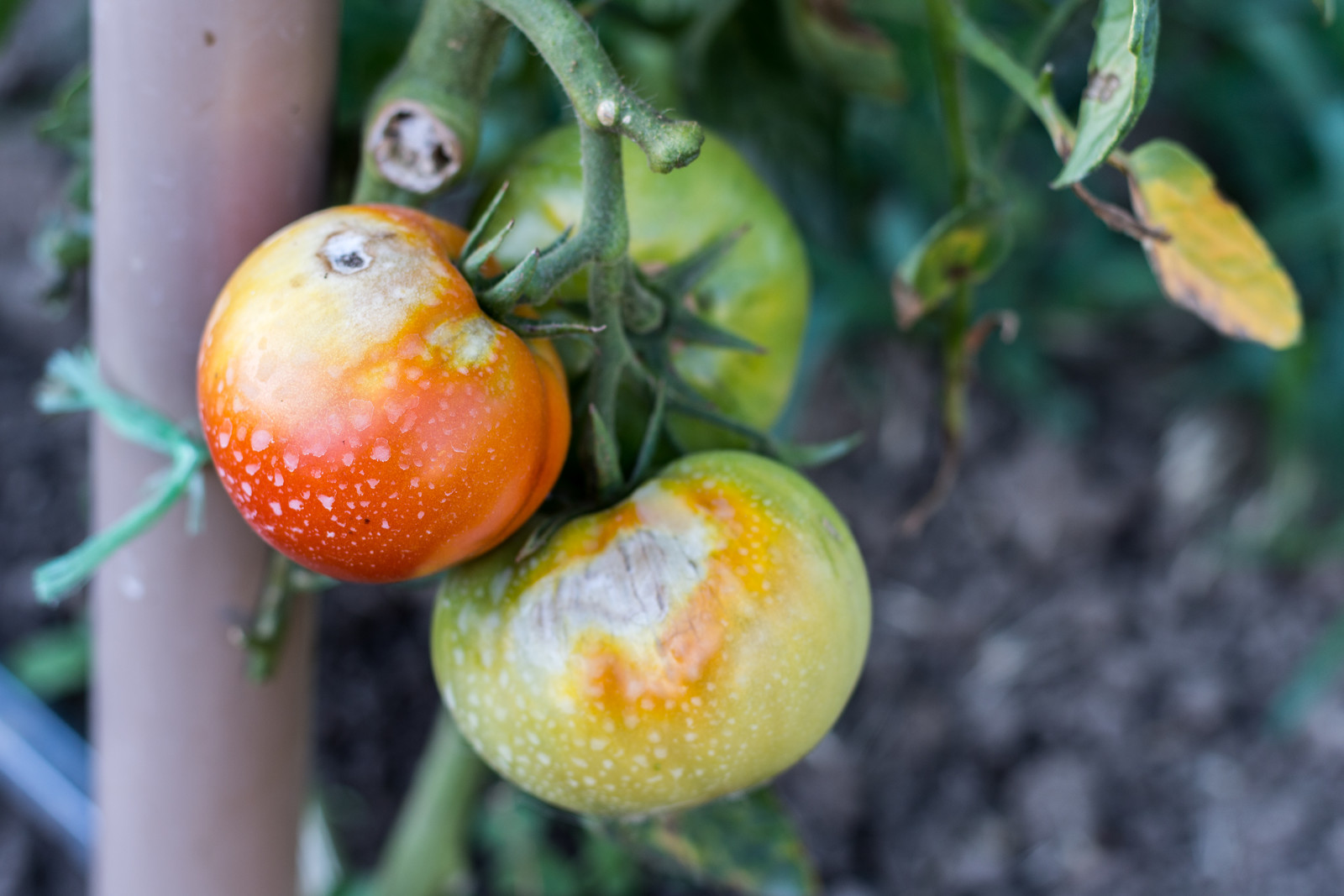
Symptoms include:
- White or pale patches on fruit
- Yellow or blistered skin
- Dry, leathery texture
- Sunken or cracked areas
Once damage occurs, it cannot be reversed.
🌿 Why Sunscald Happens
Sunscald usually develops when the plant’s natural protection is disrupted.
Healthy foliage acts as a living shade canopy for developing fruit. When that canopy is reduced or stressed, fruit becomes exposed to direct sunlight.
Common triggers include:
- Heavy pruning during summer
- Heat waves above 95°F
- Sudden leaf drop from stress or disease
- Overcrowding that causes uneven shading
- Water stress that reduces foliage health
In most cases, sunscald is a symptom of plant stress, not just sun exposure.
🍅 Tomatoes: The Most Vulnerable Crop
Tomatoes are especially prone to sunscald because fruit often develops on the outer edges of the plant canopy.
High-risk situations:
- Plants with heavy pruning
- Heat waves with intense afternoon sun
- Staked plants with sparse foliage
Prevention strategy:
Maintain a healthy leaf canopy above and around fruit clusters.
Avoid stripping leaves during summer unless they are:
- Diseased
- Dead
- Touching the soil
🌶️ Peppers and Sunscald
Peppers are also vulnerable, especially when fruit is suddenly exposed.
Signs in peppers:
- Bleached or papery skin
- Softened areas that later collapse
- Uneven ripening
Prevention:
- Maintain consistent watering
- Avoid removing too many interior leaves
- Use light shade cloth during extreme heat
🌤️ How Shade Cloth Prevents Sunscald
One of the most effective tools for preventing sunscald is shade cloth.
Recommended levels:
- 30–40% shade for tomatoes, peppers, eggplant
- 40–50% for mixed vegetable beds during extreme heat
Shade cloth works by:
- Reducing direct solar radiation
- Lowering fruit surface temperature
- Protecting exposed clusters during peak afternoon heat
It is especially useful during heat waves above 95°F.
🌿 Don’t Over-Prune Your Plants
One of the most common causes of sunscald is excessive pruning.
Gardeners often remove leaves to improve airflow, but in hot climates this can backfire.
Leaves provide:
- Natural shade for fruit
- Cooling through transpiration
- Protection from direct sun exposure
Best practice:
Only remove:
- Dead leaves
- Diseased foliage
- Branches lying on the soil
Healthy foliage is your best sun protection system.
💧 Watering and Sunscald Prevention
Water stress increases the risk of sunscald by weakening foliage.
Best watering practices:
- Water deeply in the morning
- Maintain consistent soil moisture
- Avoid cycles of drought and flooding
Healthy, well-hydrated plants maintain stronger leaf coverage.
🌱 Mulch: The Underrated Protector
Mulch does not directly shade fruit, but it supports sunscald prevention by improving plant health.
Benefits:
- Stabilizes soil temperature
- Reduces plant stress
- Maintains consistent water availability
- Encourages strong foliage growth
A 2–4 inch layer of organic mulch is ideal.
🌬️ Plant Spacing and Airflow
Poor spacing can indirectly increase sunscald risk.
When plants are overcrowded:
- Leaves may die back in shaded interior zones
- Fruit becomes unevenly exposed
- Airflow becomes restricted
Proper spacing allows:
- Even canopy development
- Natural shading of fruit
- Better overall plant balance
🍂 What to Do With Sunscalded Fruit
Once sunscald occurs:
- Harvest affected fruit if partially usable
- Remove severely damaged fruit
- Do not leave damaged fruit on the plant for long periods
Removing damaged fruit allows plants to redirect energy toward new growth.
🧠 How to Prevent Sunscald During Heat Waves
When temperatures exceed 95°F:
✔ Maintain full leaf canopy
✔ Water deeply and consistently
✔ Apply shade cloth if needed
✔ Avoid pruning
✔ Harvest regularly
✔ Keep mulch in place
Prevention is far easier than recovery.
🌿 Why This Advice Is Reliable
This guidance is based on both scientific understanding of plant physiology and decades of hands-on vegetable gardening experience.
Stephen Albert is a horticulturist, certified nurseryman, and Master Gardener educator with more than 30 years of experience growing vegetables in climates ranging from cool coastal regions to hot inland valleys of California. His recommendations reflect established horticultural principles related to plant stress physiology, canopy management, irrigation practices, and heat-related crop damage in home and market gardens.
🌞 Final Thoughts
Sunscald is not a mysterious disease—it is a predictable response to exposure and stress. In most cases, it can be prevented by maintaining healthy foliage, managing water wisely, and avoiding over-pruning during hot weather. When plants are allowed to develop a natural canopy, they create their own protection against intense summer sun.
In my own gardens, the most reliable strategy has always been restraint: less pruning, more mulch, steady watering, and thoughtful use of shade cloth during heat waves. With these practices in place, tomatoes, peppers, and eggplants can continue producing high-quality fruit even through the hottest part of summer.
Want the complete heat-wave playbook? For step-by-step guidance before, during, and after a heat wave—including watering, shading, mulching, recovery, and crop-specific advice—see The Complete Guide to Growing Vegetables in Extreme Summer Heat.