How to Water the Vegetable Garden During a Heat Wave

When temperatures climb above 90°F to 100°F, watering becomes the most critical task in the vegetable garden. Heat waves don’t just dry out soil faster—they fundamentally change how plants use water, how roots absorb moisture, and how quickly stress builds in vegetables.
Many gardeners respond by watering more often, but not necessarily more effectively. In extreme heat, how you water matters far more than how much or how often you water.
After more than 30 years of growing vegetables in California’s inland valleys and other hot-summer climates, I’ve learned that successful heat-wave watering is about consistency, depth, and timing—not constant surface moisture. The goal is to help plants develop deep, resilient root systems that can withstand extreme conditions.
Here’s how to water your vegetable garden correctly during a heat wave.
Know What to Plant This Week
Every week I answer the gardener's most important question: what should I plant now? Get seasonal planting advice free — or go Pro for my full Soil Temperature Garden Report, with soil temperature, moisture, weather trends, and crop-by-crop recommendations.
💧 Step 1: Water Early in the Morning
The best time to water during a heat wave is early morning, ideally just after sunrise.
Why morning watering works:
- Soil absorbs water more efficiently
- Plants start the day fully hydrated
- Less water is lost to evaporation
- Leaves dry quickly, reducing disease risk
Avoid watering in the middle of the day, when much of the water evaporates before reaching roots.
Evening watering is acceptable in extreme heat, but morning is ideal.
🌱 Step 2: Water Deeply, Not Shallowly
Heat waves expose a common gardening mistake: shallow watering.
Light watering only wets the top inch or two of soil, where temperatures are highest and evaporation is fastest.
Instead:
- Water to a depth of 8–12 inches
- Apply water slowly so it penetrates the soil
- Encourage roots to grow downward into cooler layers
Deep roots are the foundation of heat resilience.
🪴 Step 3: Adjust Frequency Based on Soil, Not the Calendar
During heat waves, there is no fixed watering schedule that works for every garden.
Instead, check soil moisture:
- At 2 inches: surface dryness is normal
- At 4–6 inches: moisture should still be present
- Below 6 inches: soil should remain slightly moist
Water when the root zone begins to dry—not simply because a certain number of days have passed.
🌿 Step 4: Focus on the Root Zone, Not the Leaves
Water belongs in the soil, not on plant foliage.
Best methods:
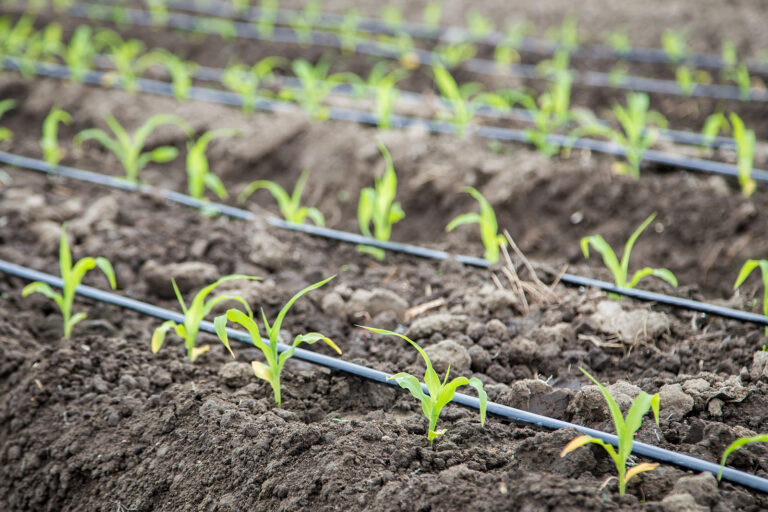
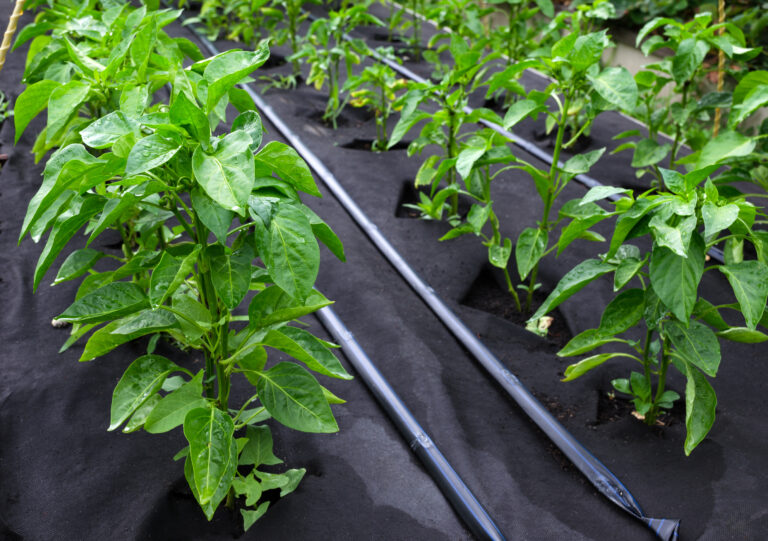
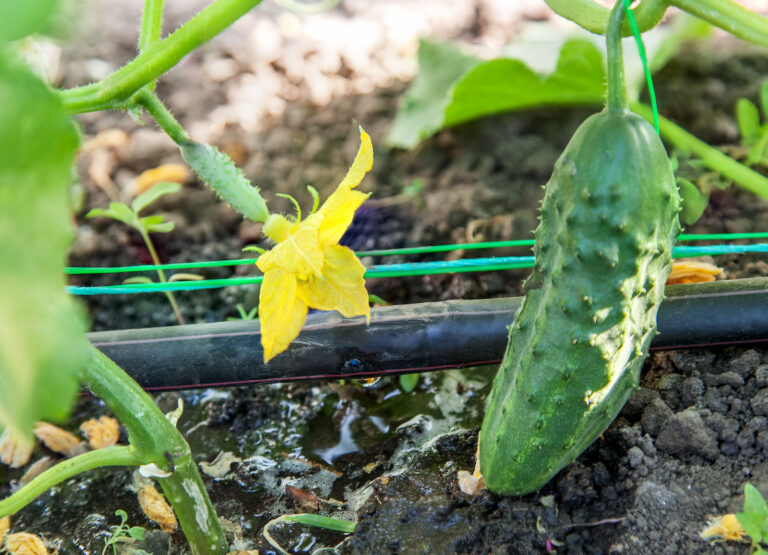
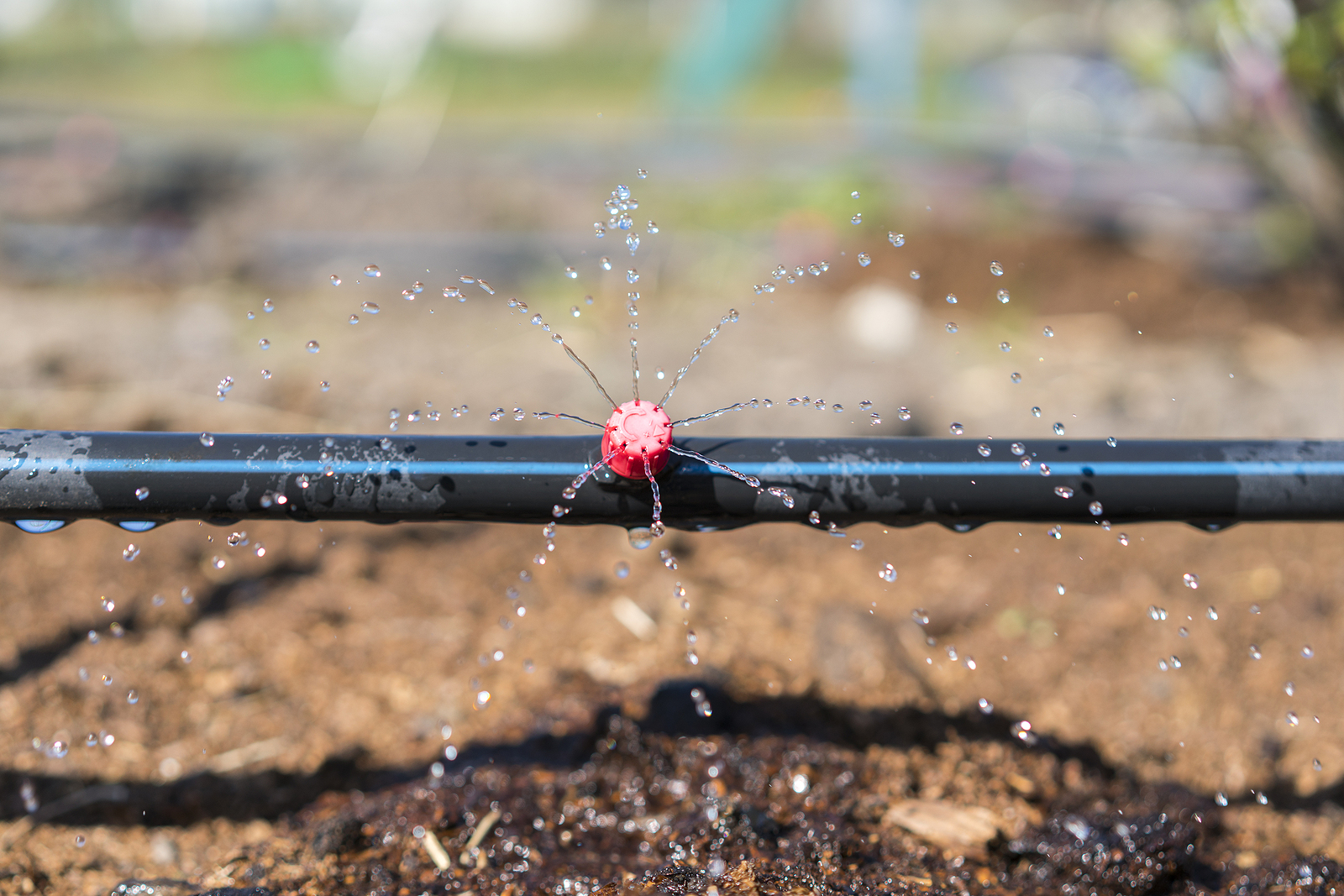
- Drip irrigation
- Soaker hoses
- Hand watering at soil level
Avoid overhead watering during peak heat, which:
- Increases evaporation loss
- Can encourage leaf disease
- Does little to cool roots effectively
🌡️ Step 5: Increase Efficiency with Mulch
Watering becomes far more effective when combined with mulch.
A 2–4 inch layer of organic mulch:
- Reduces evaporation
- Keeps soil cooler
- Improves water penetration
- Stabilizes moisture levels
Without mulch, even frequent watering may not prevent stress.
🌤️ Step 6: Water Containers Twice (or More) Daily
Container plants behave differently than garden beds.
Pots:
- Heat up faster
- Dry out quickly
- Lose moisture rapidly through evaporation
During extreme heat, containers may need:
- Morning watering
- Late afternoon watering
Always check soil before adding more water.
🌬️ Step 7: Water Less, But More Effectively
It may feel counterintuitive, but overwatering during heat waves is common.
Signs of overwatering:
- Soggy soil
- Yellowing leaves
- Poor root growth
The goal is balanced moisture, not constant saturation.
Plants perform best when soil cycles between moist and slightly drying—not wet all the time.
🍅 Step 8: Prioritize High-Demand Crops
Some vegetables need more water during heat waves than others.
High-demand crops:
- Tomatoes
- Cucumbers
- Squash
- Beans
- Peppers
Moderate demand:
- Eggplant
- Melons
- Corn
Lower demand:
- Established okra
- Sweet potatoes
- Mature southern peas
Adjust watering intensity accordingly.
🌞 Step 9: Combine Watering with Shade and Mulch
Watering alone is not enough during extreme heat.
For best results, combine:
- Deep watering
- Mulch
- Temporary shade cloth
This combination reduces water loss and lowers plant stress significantly.
🧠 Step 10: Watch Plants for Water Stress Signals
Plants often tell you when watering needs adjustment.
Underwatered signs:
- Morning wilting
- Dry soil several inches down
- Leaf curling or drooping
Overwatered signs:
- Constant wilting despite wet soil
- Yellowing leaves
- Soft stems
Observation is more reliable than a strict schedule.
🌱 Why This Advice Works
This guidance is based on both horticultural science and decades of field experience.
Stephen Albert is a horticulturist, certified nurseryman, and Master Gardener educator with more than 30 years of experience growing vegetables in climates ranging from cool coastal regions to hot inland valleys of California. His recommendations are grounded in plant physiology, soil science, irrigation management, and long-term observation of vegetable performance under extreme summer heat.
🌿 Final Thoughts
Watering during a heat wave is not simply about keeping soil wet—it is about creating a stable root environment that allows vegetables to withstand extreme stress. Deep, early watering combined with mulch, proper drainage, and attention to plant signals will do far more than frequent surface watering.
In my own garden, the most successful heat-wave strategy has always been simple: water deeply, water early, and let the soil—not the clock—guide decisions. When combined with good soil and sensible shading, this approach keeps vegetables productive even through the hottest days of summer.
Want the complete heat-wave playbook? For step-by-step guidance before, during, and after a heat wave—including watering, shading, mulching, recovery, and crop-specific advice—see The Complete Guide to Growing Vegetables in Extreme Summer Heat.