How to Water Zucchini for Bigger Harvests

Zucchini is one of the most productive vegetables in the summer garden, but it has one requirement you can’t ignore: consistent watering. A healthy zucchini plant can produce dozens of squash over the course of a season, yet even a brief period of drought can slow growth, reduce flowering, and limit your harvest.
I’ve grown zucchini in vegetable gardens in Iowa, eastern Massachusetts, and now Northern California, where summer weather ranges from humid and rainy to hot and dry. No matter the climate, one lesson has remained constant: zucchini performs best when the soil stays evenly moist. Plants that receive deep, consistent watering produce larger leaves, more flowers, healthier fruit, and continue harvesting for weeks longer than plants that experience cycles of drought and heavy watering.
The goal isn’t to keep the soil constantly wet. It’s to provide steady moisture in the root zone so plants never become stressed.
Why Water Matters for Zucchini
Zucchini plants grow remarkably fast. Large leaves lose significant amounts of water through transpiration, and rapidly developing fruits require a steady supply of moisture to expand.
Know What to Plant This Week
Every week I answer the gardener's most important question: what should I plant now? Get seasonal planting advice free — or go Pro for my full Soil Temperature Garden Report, with soil temperature, moisture, weather trends, and crop-by-crop recommendations.
When plants become water-stressed, they may:
- Produce fewer female flowers
- Drop blossoms
- Grow more slowly
- Produce smaller squash
- Develop misshapen fruit
- Experience blossom-end rot caused by inconsistent moisture reducing calcium uptake
- Stop producing during hot weather
Consistent watering keeps plants growing vigorously and producing new flowers throughout the season.
How Much Water Does Zucchini Need?
Most zucchini plants require 1 to 2 inches (2.5 to 5 cm) of water each week, including rainfall.
During periods of hot weather—especially when temperatures climb above 90°F (32°C)—plants often need additional irrigation.
Water requirements vary according to:
- Air temperature
- Wind
- Humidity
- Soil type
- Plant size
- Mulch
- Whether plants are grown in containers or garden beds
Sandy soils dry more quickly than loam and require more frequent watering.
Water Deeply for Healthy Roots
Although zucchini roots spread widely, most are concentrated in the upper foot of soil.
Rather than watering lightly every day:
- Water slowly.
- Moisten the soil 8 to 12 inches deep.
- Allow the top inch of soil to dry slightly before watering again.
Deep watering encourages a larger, stronger root system that helps plants withstand summer heat.
How Often Should You Water Zucchini?
There is no perfect watering schedule because weather changes continually.
As a general guide:
Cool early summer
- Every 4 to 5 days
Warm summer weather
- Every 2 to 3 days
Heat waves above 90°F
- Check soil daily.
- Water whenever the root zone begins drying.
Always check the soil before irrigating rather than watering by the calendar.
The Best Time to Water
Morning is the ideal time to water zucchini.
Morning irrigation:
- Supplies moisture before afternoon heat
- Reduces evaporation
- Allows foliage to dry quickly
- Helps prevent disease
If morning isn’t possible, late afternoon is the next best option.
Avoid watering late in the evening.
Keep Leaves Dry
Large zucchini leaves can remain wet for hours after overhead watering.
Wet foliage encourages diseases such as:
- Powdery mildew
- Downy mildew
- Bacterial leaf spot
Whenever possible:
- Water at the base of the plant.
- Avoid overhead sprinklers.
- Keep foliage dry.
The Best Ways to Water Zucchini
Drip Irrigation
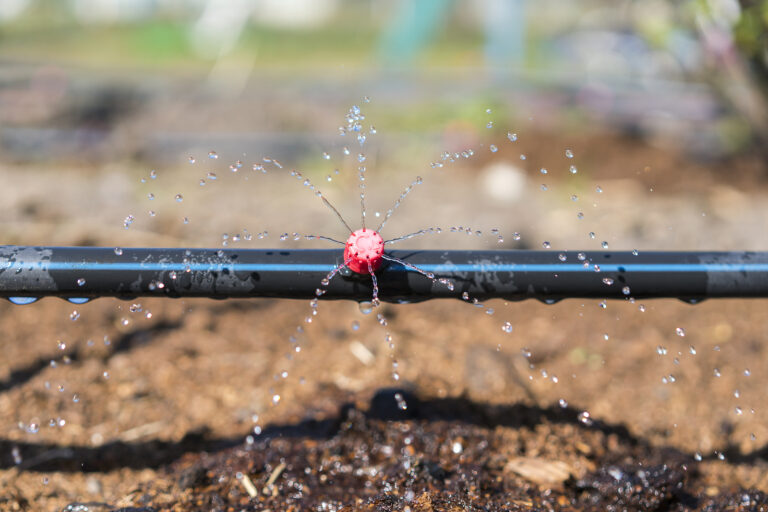
Drip irrigation is my preferred watering method.
Benefits include:
- Delivers water directly to roots
- Reduces evaporation
- Conserves water
- Keeps leaves dry
- Promotes healthier plants
Soaker Hoses
Soaker hoses provide slow, even watering that works well in raised beds and traditional garden rows.
Hand Watering
Small gardens can be watered successfully by hand if water is applied slowly enough to soak deeply into the soil.
Mulch Makes a Big Difference
Organic mulch helps maintain consistent soil moisture throughout summer.
Apply 2 to 3 inches of:
- Straw
- Shredded leaves
- Compost
- Pine needles
- Untreated grass clippings
Mulch helps:
- Reduce evaporation
- Keep roots cooler
- Suppress weeds
- Reduce soil splash
- Maintain even moisture
Mulched zucchini plants usually require less frequent watering during hot weather.
Water Needs During Each Growth Stage
Germination
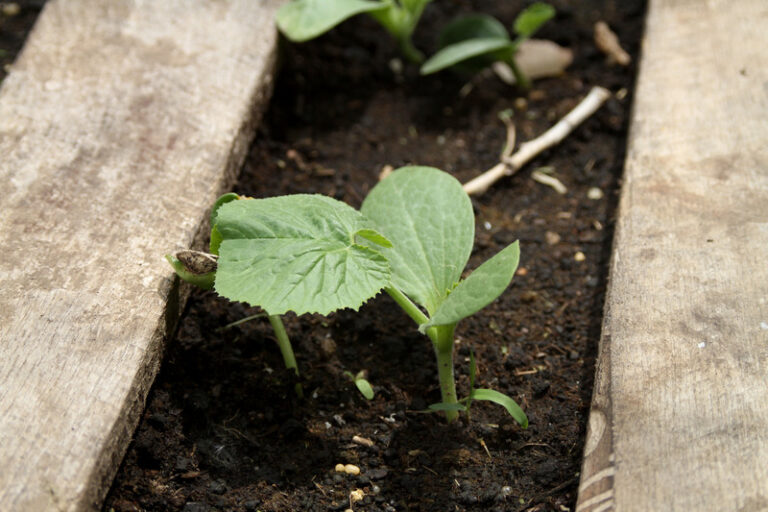
Keep the seedbed consistently moist until seedlings emerge.
Never allow newly planted seeds to dry out.
Early Growth
Water deeply to encourage vigorous roots and rapid leaf development.
Flowering
Even moisture becomes especially important.
Dry soil during flowering can reduce the number of female flowers and lead to blossom drop.
Fruit Development
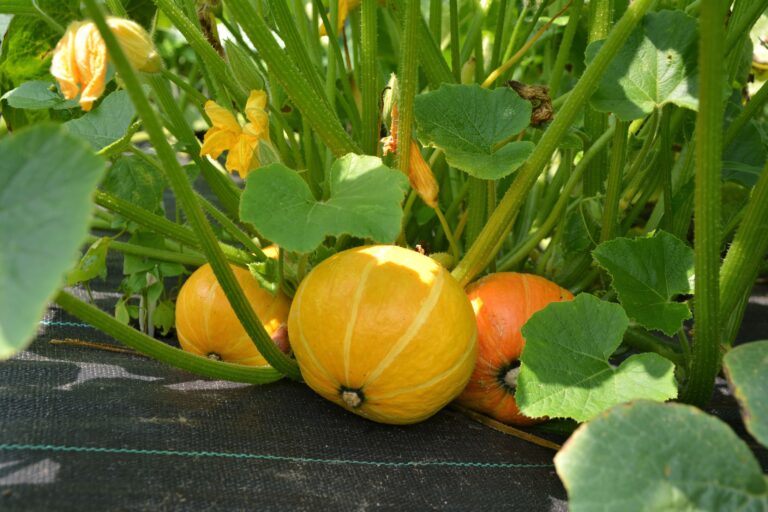
Rapidly growing squash require a dependable supply of water.
Consistent moisture produces larger, tender zucchini with excellent flavor and texture.
Signs Zucchini Needs Water
Watch for:
- Morning wilting
- Drooping leaves
- Slow growth
- Small fruit
- Blossom drop
- Dry soil several inches below the surface
Temporary afternoon wilting during very hot weather is normal if plants recover after sunset.
Morning wilting usually means it’s time to water.
Signs You’re Watering Too Much
Too much water can damage roots just as surely as drought.
Symptoms include:
- Yellowing leaves
- Slow growth
- Wilting despite wet soil
- Root rot
- Soft stems
- Reduced fruit production
Healthy roots need oxygen as well as moisture.
Watering Zucchini in Containers
Container-grown zucchini dry out much faster than garden plants.
During summer:
- Check soil moisture every day.
- Water thoroughly until excess drains from the bottom.
- Use containers that hold at least 10 gallons of soil for each plant.
Large containers hold moisture much better than small pots.
Watering During Heat Waves
When temperatures exceed 90°F (32°C):
- Check soil moisture morning and evening.
- Water deeply whenever the root zone begins drying.
- Maintain mulch around plants.
- Harvest fruit regularly to encourage continued production.
Healthy, well-watered zucchini plants recover from hot weather much more quickly than drought-stressed plants.
My Watering Routine
Growing zucchini in Iowa taught me to manage periods of heavy summer rain followed by hot, dry weather. In eastern Massachusetts, I learned that sandy soils could dry surprisingly quickly despite cooler temperatures. Today, in Northern California, where long stretches of dry weather are common, I rely on drip irrigation and mulch to maintain even soil moisture.
Across all three climates, I’ve found that checking the soil before watering is more reliable than following a fixed schedule. When the soil is beginning to dry several inches below the surface, I water deeply. That simple routine has consistently produced vigorous plants that continue bearing zucchini well into late summer.
Frequently Asked Questions
How often should I water zucchini?
Most zucchini plants need deep watering every two to three days during warm summer weather, but always check soil moisture before watering.
Can zucchini get too much water?
Yes. Overwatering can cause root rot, yellow leaves, slow growth, and reduced fruit production.
Should I water zucchini every day?
Usually not. Deep watering is better than frequent shallow watering. During extreme heat or in containers, daily watering may become necessary.
Why are my zucchini flowers falling off?
Male flowers naturally drop after releasing pollen. Female flowers may drop because of drought stress, poor pollination, or extreme temperatures.
Is drip irrigation best for zucchini?
Yes. Drip irrigation provides slow, even watering directly to the root zone while keeping foliage dry and reducing disease.
Does mulch help zucchini?
Absolutely. Mulch conserves moisture, keeps soil cooler, suppresses weeds, and helps plants produce continuously throughout the summer.
Should I water zucchini leaves?
No. Watering at soil level reduces the risk of fungal diseases, especially powdery mildew, which commonly affects zucchini later in the season.
The Bottom Line
Zucchini rewards gardeners who provide consistent moisture from planting through the final harvest. Deep watering, healthy soil, and organic mulch help plants produce vigorous growth, abundant flowers, and a steady supply of tender squash for months.
Whether you’re gardening in the Midwest, New England, California, or anywhere in between, the secret remains the same: keep the root zone evenly moist, water deeply instead of frequently, and let the soil—not the calendar—tell you when it’s time to irrigate. Your reward will be healthier plants and bigger zucchini harvests all summer long.