Water, Soil, and Life: Regenerative Approaches to Irrigation and Moisture Balance

In regenerative vegetable gardening, water is more than a plant necessity—it is a vital component of soil life. Proper moisture management supports microbial communities, maintains soil structure, and ensures roots can access nutrients efficiently. By approaching irrigation with a regenerative mindset, gardeners create resilient beds that thrive naturally and reduce dependency on external inputs.
Why Water Management Matters in Regenerative Gardening
- Supports Microbial Life: Soil organisms rely on moisture to process organic matter and cycle nutrients.
- Maintains Soil Structure: Consistent, appropriate watering prevents compaction, crusting, and erosion.
- Promotes Deep Roots: Encouraging plants to develop deep roots improves drought resilience.
- Optimizes Nutrient Availability: Water dissolves nutrients for uptake without leaching valuable elements away.
Regenerative Irrigation Strategies
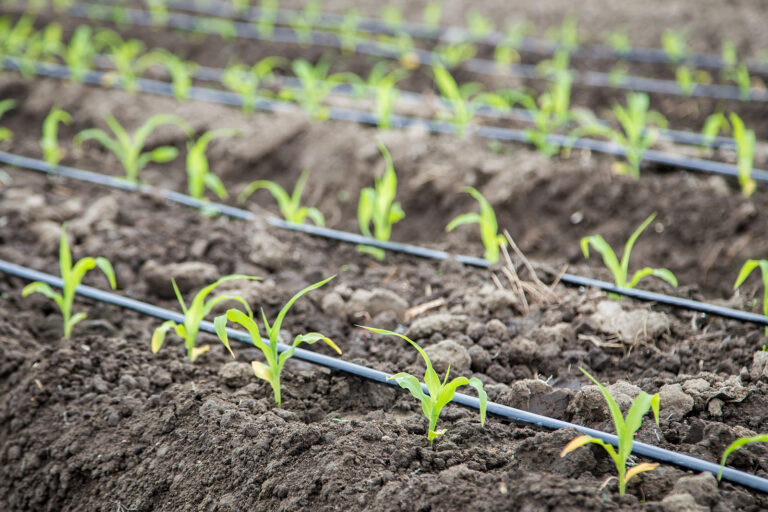
- Drip Systems: Deliver water directly to roots, conserving water and minimizing surface runoff.
- Soaker Hoses: Slow, steady moisture encourages deep rooting and soil life activity.
- Mulching: Retains moisture, protects soil, and feeds microbes as it decomposes.
- Cover Crops: Living roots maintain soil hydration and support microbial diversity.
- Observation-Based Watering: Check soil moisture manually or with sensors to prevent over- or under-watering.
My Experience
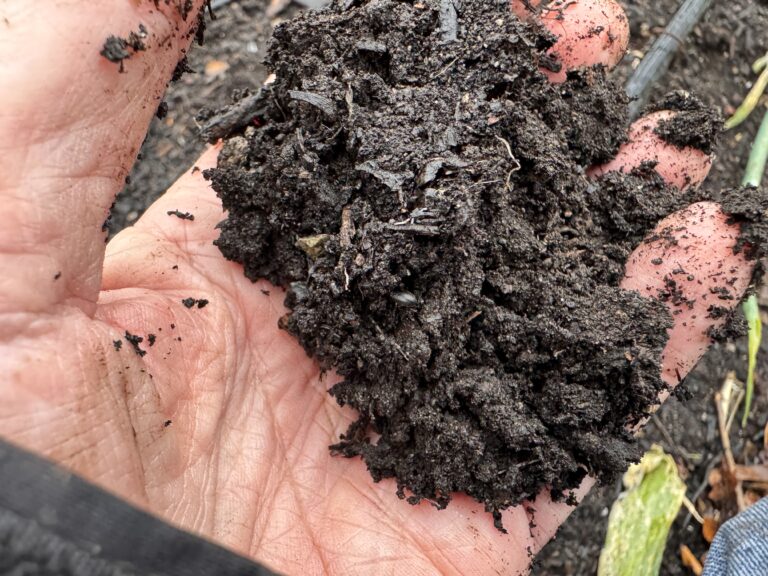
Decades of practicing regenerative gardening have shown me the difference thoughtful water management makes. Beds with deep, infrequent watering combined with mulch and cover crops foster active earthworms, thriving fungi, and robust plant growth. In contrast, shallow or overwatering disrupts soil life, weakens roots, and increases nutrient loss. Proper moisture balance is the secret to resilient, self-sustaining vegetable gardens.
Practical Tips
- Water deeply and less frequently to encourage strong root systems.
- Combine irrigation with mulch to conserve moisture and feed soil life.
- Monitor soil regularly to maintain optimal moisture levels for plants and microbes.
- Avoid surface puddling and compaction that damage structure and microbial networks.
The Regenerative Takeaway
Water, soil, and life are inseparable in regenerative gardening. By managing moisture thoughtfully, gardeners nourish microbial communities, improve soil structure, and cultivate resilient, fertile beds that sustain abundant vegetables with minimal external inputs.