How to Water Beans for Continuous Harvests

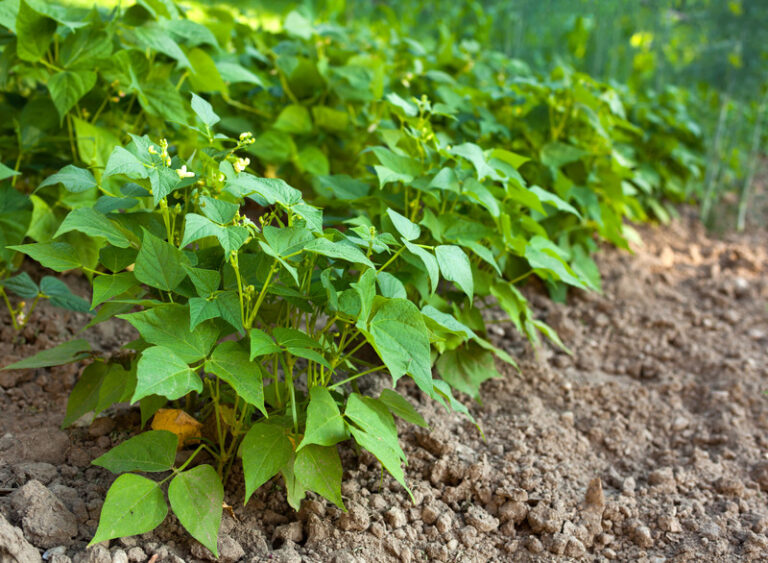
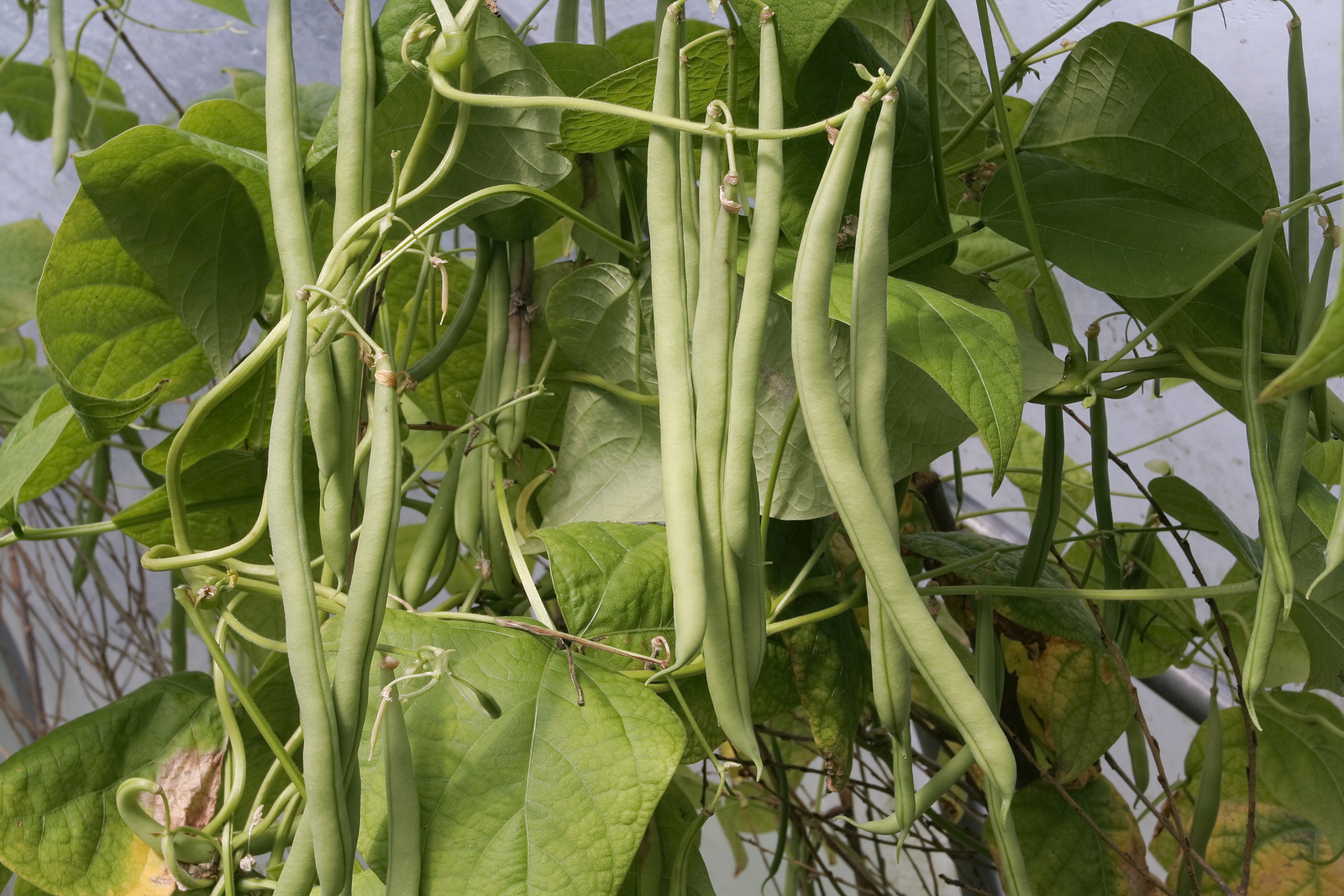
Few vegetables reward good watering practices as generously as beans. Whether you’re growing bush beans, pole beans, Romano beans, or French filet beans, consistent soil moisture encourages vigorous plants, continuous flowering, and steady pod production throughout the season.
After growing beans in home gardens and market gardens for many years, I’ve learned that bean plants don’t need constant watering—they need consistent watering. When the soil alternates between very dry and very wet, flowering slows, pods become fewer, and plants often stop producing earlier than they should.
The goal is to keep the root zone evenly moist while avoiding waterlogged soil that can damage roots and encourage disease.
Why Water Matters for Beans
Bean plants grow quickly once warm weather arrives. They produce flowers over several weeks, and each flower has the potential to become a pod—but only if the plant has enough moisture.
Know What to Plant This Week
Every week I answer the gardener's most important question: what should I plant now? Get seasonal planting advice free — or go Pro for my full Soil Temperature Garden Report, with soil temperature, moisture, weather trends, and crop-by-crop recommendations.
Inconsistent watering can cause bean plants to:
- Drop blossoms
- Produce fewer pods
- Develop smaller beans
- Stop flowering early
- Grow slowly
- Become stressed during hot weather
Steady soil moisture allows plants to continue flowering and setting pods over a much longer harvest period.
How Much Water Do Beans Need?
Most bean plants require 1 inch (2.5 cm) of water each week, including rainfall.
During hot, windy weather or when temperatures exceed 90°F (32°C), they may need 1½ to 2 inches of water weekly.
Water needs depend on:
- Temperature
- Wind
- Humidity
- Soil type
- Plant size
- Mulch
- Whether plants are grown in containers or in the ground
Sandy soils dry more quickly and require more frequent irrigation than clay or loam.
Water Deeply Instead of Lightly
Beans develop healthier root systems when watered deeply.
Rather than watering lightly every day:
- Water slowly.
- Moisten the soil 6 to 8 inches deep.
- Allow the top inch of soil to dry slightly before watering again.
Deep watering encourages roots to explore a larger volume of soil, helping plants withstand summer heat.
How Often Should You Water Beans?
There is no perfect watering schedule because weather changes continually.
As a general guide:
Newly planted beans
- Every 3 to 5 days if rainfall is lacking
Established plants
- Every 4 to 5 days with deep watering
Hot weather above 90°F
- Check soil daily.
- Water whenever the root zone begins drying.
Always let soil moisture—not the calendar—determine when to irrigate.
The Best Time to Water
Morning is the ideal time to water beans.
Morning irrigation:
- Supplies moisture before afternoon heat
- Reduces evaporation
- Allows foliage to dry quickly
- Helps prevent fungal diseases
If necessary, water during late afternoon.
Avoid evening watering whenever possible.
Keep Leaves Dry
Beans are susceptible to diseases such as:
- Rust
- Anthracnose
- Bacterial blight
- Powdery mildew
To reduce disease:
- Water at soil level.
- Avoid overhead sprinklers.
- Handle plants only when foliage is dry.
Keeping leaves dry is especially important once plants begin flowering.
The Best Ways to Water Beans
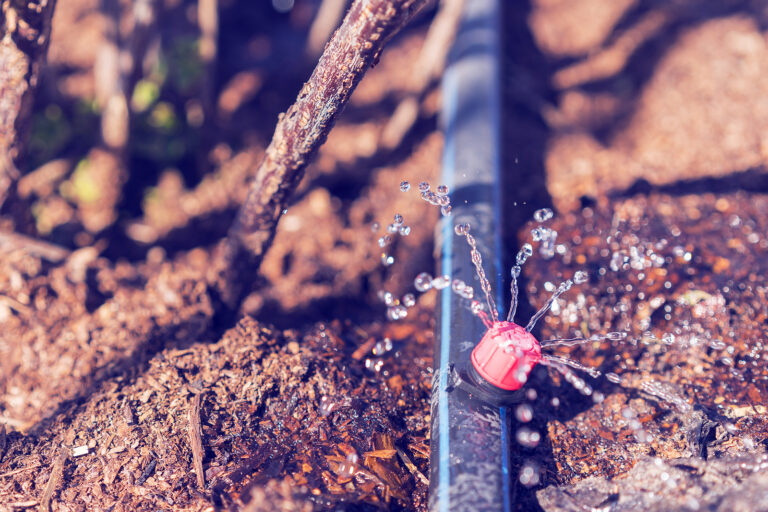
Drip Irrigation
Drip irrigation provides the most efficient watering for beans.
Benefits include:
- Consistent soil moisture
- Reduced disease
- Less evaporation
- Healthier plants
- Water conservation
Soaker Hoses
Soaker hoses work exceptionally well for rows of bush beans and pole beans.
Hand Watering
Hand watering is effective for small gardens if applied slowly enough to soak deeply into the root zone.
Mulch Helps Maintain Moisture
Apply 2 to 3 inches of organic mulch around bean plants.
Good choices include:
- Straw
- Compost
- Shredded leaves
- Pine needles
- Untreated grass clippings
Mulch helps:
- Reduce evaporation
- Keep soil cooler
- Suppress weeds
- Maintain even moisture
- Reduce soil splash that spreads disease
Mulched beans generally require less frequent watering.
Water Needs During Each Growth Stage
Germination
Keep the seedbed consistently moist until seedlings emerge.
Do not allow seeds to dry after planting.
Vegetative Growth
Water deeply to encourage healthy root development and vigorous stems.
Flowering
This is one of the most important watering stages.
Dry soil during flowering often causes blossoms to drop before pods develop.
Pod Development
Developing beans require steady moisture for full pod size and tender texture.
Even watering also encourages plants to continue producing new flowers.
Signs Bean Plants Need Water
Watch for:
- Morning wilting
- Slow growth
- Drooping leaves
- Blossom drop
- Small pods
- Tough beans
- Dry soil below the surface
Temporary afternoon wilting during very hot weather is normal if plants recover by evening.
Morning wilting usually indicates the need for irrigation.
Signs You’re Watering Too Much
Too much water can be just as damaging as too little.
Symptoms include:
- Yellowing leaves
- Slow growth
- Root rot
- Wilting despite wet soil
- Fungal diseases
- Poor pod production
Beans prefer moist, well-drained soil—not saturated conditions.
Watering Beans in Containers
Container-grown beans dry out faster than garden plants.
During summer:
- Check soil moisture every day.
- Water thoroughly until excess drains from the bottom.
- Empty saucers if water collects.
Larger containers hold moisture longer than smaller pots.
Watering During Heat Waves
Bean plants often stop flowering during periods of intense heat.
While temperatures alone can reduce pod production, consistent watering helps minimize stress.
When temperatures exceed 90°F (32°C):
- Monitor soil moisture daily.
- Water deeply whenever the root zone begins drying.
- Maintain organic mulch.
- Harvest mature pods regularly to encourage continued flowering.
My Watering Routine
When I grow beans, I focus on maintaining steady soil moisture from flowering until the final harvest. I use drip irrigation whenever possible because it delivers water directly to the roots without wetting the leaves. Rather than watering on a fixed schedule, I check the soil several inches below the surface. That simple habit has consistently produced longer harvests and healthier bean plants season after season.
Frequently Asked Questions
How often should I water bean plants?
Most bean plants benefit from deep watering every four to five days during warm weather, but always check soil moisture first.
Can beans get too much water?
Yes. Constantly wet soil can cause root rot, yellow leaves, poor growth, and fewer pods.
Should I water beans every day?
Usually not. Deep watering is more effective than frequent shallow watering. During extreme heat, containers and sandy soils may require daily irrigation.
Why are my bean flowers falling off?
Blossom drop is often caused by drought stress, inconsistent watering, excessive heat, or poor pollination.
Is drip irrigation best for beans?
Yes. Drip irrigation keeps the root zone evenly moist while reducing leaf diseases and conserving water.
Should I water bean leaves?
No. Watering at the base of the plant helps reduce fungal and bacterial diseases.
Does mulch improve bean production?
Absolutely. Mulch conserves soil moisture, keeps roots cooler, suppresses weeds, and supports continuous flowering and pod production.
The Bottom Line
Continuous bean harvests depend on more than fertile soil and warm weather—they depend on consistent moisture throughout the growing season. Deep watering, organic mulch, and careful attention to soil moisture help plants continue flowering and producing tender pods for weeks.
If you water deeply, keep the root zone evenly moist, and avoid both drought and waterlogged soil, your bean plants will reward you with abundant harvests from early summer until the season ends.