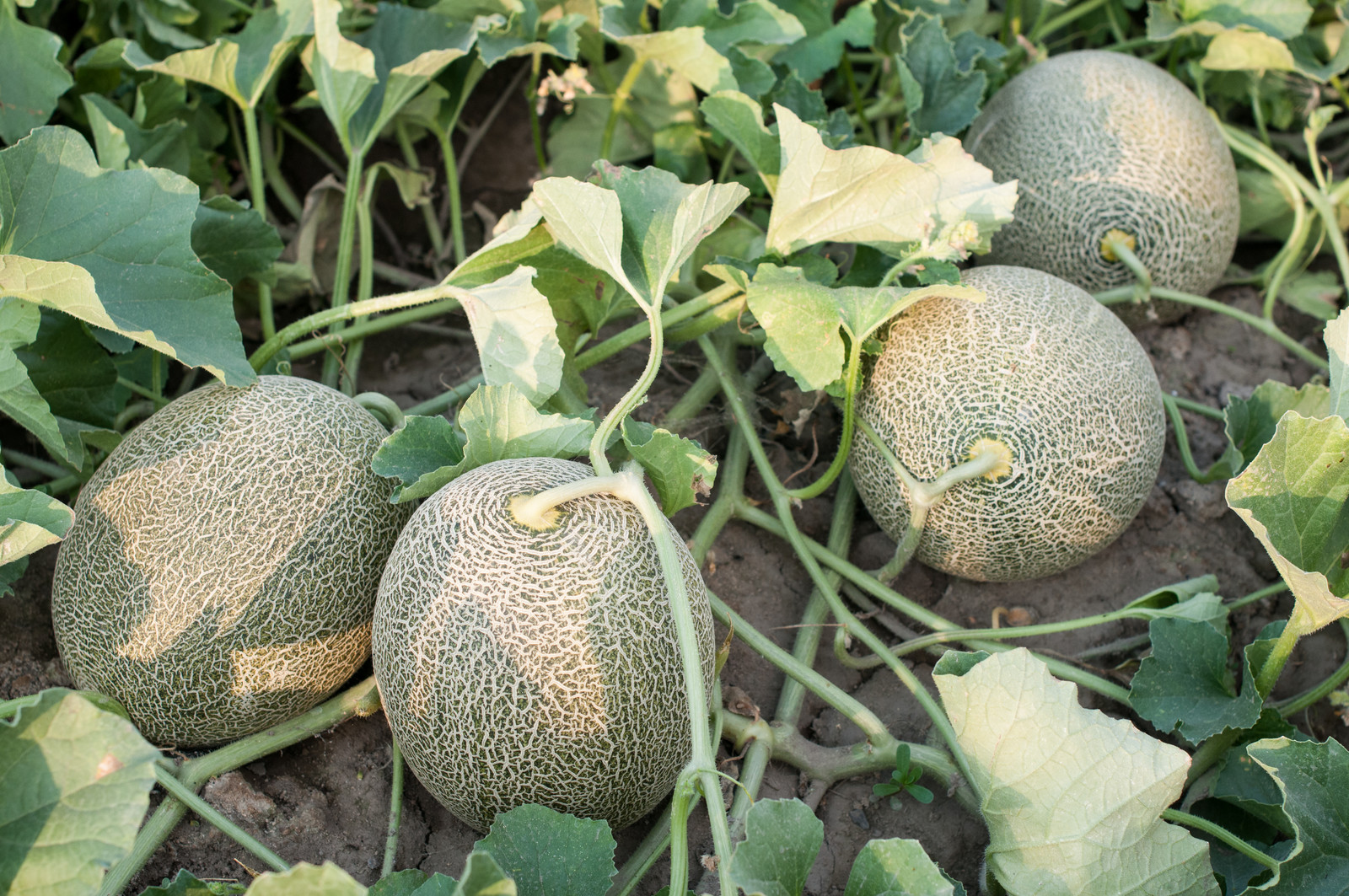
How to Water Melons for Sweeter Fruit

Nothing has a greater influence on the flavor and quality of melons than proper watering. Watermelon, cantaloupe, honeydew, and muskmelon plants need consistent moisture while vines are growing and fruit is developing, but knowing when to reduce watering is just as important if you want the sweetest possible harvest.
After growing melons in home gardens and market gardens over many seasons, I’ve found that successful watering follows the plant’s natural growth cycle. Young vines need steady moisture to build a healthy root system, while mature fruits develop their best sweetness when watering is adjusted as harvest approaches.
The goal is to provide deep, consistent moisture during growth, then gradually reduce irrigation during the final stage of ripening.
Why Water Matters for Melons
Melon plants produce long vines, large leaves, and heavy fruit, all of which require a dependable supply of water.
Know What to Plant This Week
Every week I answer the gardener's most important question: what should I plant now? Get seasonal planting advice free — or go Pro for my full Soil Temperature Garden Report, with soil temperature, moisture, weather trends, and crop-by-crop recommendations.
When soil moisture is inconsistent, plants may:
- Produce fewer flowers
- Set fewer fruits
- Develop smaller melons
- Experience blossom-end stress
- Grow slowly
- Produce fruit with poor flavor
- Split as fruit matures
Steady watering during the early and middle stages of growth leads to healthier vines and larger fruit.
How Much Water Do Melons Need?
Most melon plants require 1 to 2 inches (2.5 to 5 cm) of water each week, including rainfall.
During hot, dry weather or when temperatures exceed 90°F (32°C), vines may require additional irrigation.
Water needs depend on:
- Temperature
- Wind
- Humidity
- Soil type
- Plant size
- Mulch
- Fruit load
Sandy soils dry much more quickly than loam and often require more frequent watering.
Water Deeply for Strong Roots
Melons naturally develop extensive root systems.
Instead of frequent shallow watering:
- Water slowly.
- Soak the soil 10 to 12 inches deep.
- Allow the top inch or two of soil to dry slightly before watering again.
Deep watering encourages roots to grow downward where soil remains cooler and moisture lasts longer.
Well-rooted plants are better able to withstand summer heat.
How Often Should You Water Melons?
There is no fixed watering schedule.
Weather and soil determine irrigation needs.
As a general guide:
Young plants
- Every 3 to 5 days
Established vines
- Every 4 to 6 days with deep watering
Heat waves
- Check soil daily.
- Water whenever the root zone begins drying.
Always check soil moisture before irrigating.
The Best Time to Water
Morning is the ideal time.
Morning watering:
- Reduces evaporation
- Supplies moisture before afternoon heat
- Keeps foliage dry
- Reduces disease pressure
Late afternoon is acceptable if necessary.
Avoid watering late in the evening.
Keep Leaves Dry
Melon vines are susceptible to diseases including:
- Powdery mildew
- Downy mildew
- Anthracnose
Whenever possible:
- Water at soil level.
- Avoid overhead sprinklers.
- Keep foliage dry.
Drip irrigation is especially effective for melons.
The Best Ways to Water Melons
Drip Irrigation
Drip irrigation is my preferred method.
Advantages include:
- Deep root watering
- Even soil moisture
- Less evaporation
- Reduced disease
- Water conservation
Soaker Hoses
Soaker hoses provide slow, even irrigation throughout long rows of vines.
Hand Watering
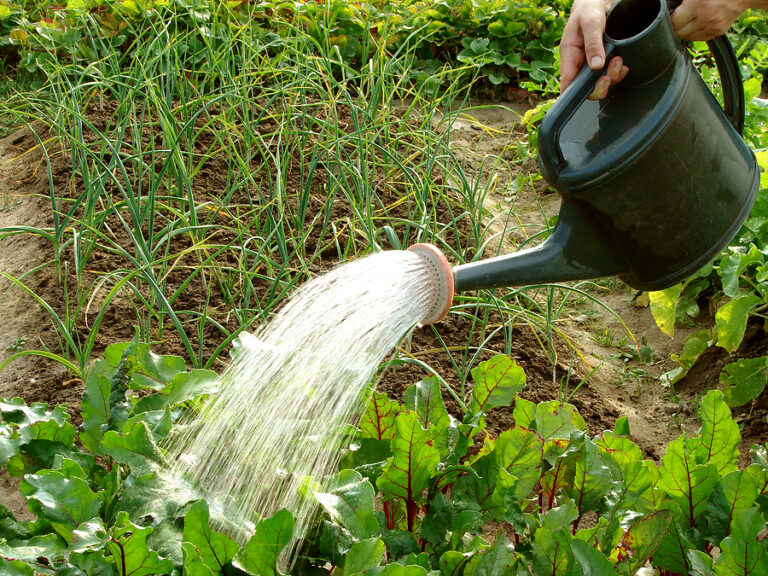
Small melon patches can be watered successfully by hand if water is applied slowly enough to soak deeply.
Mulch Conserves Moisture
Apply 2 to 3 inches of organic mulch such as:
- Straw
- Compost
- Shredded leaves
- Pine needles
- Untreated grass clippings
Mulch helps:
- Reduce evaporation
- Keep roots cooler
- Suppress weeds
- Prevent moisture fluctuations
- Keep fruit cleaner
Mulched melon beds often require less frequent watering during hot weather.
Water Needs During Each Growth Stage
Germination
Keep the seedbed evenly moist until seedlings emerge.
Never allow newly planted seeds to dry out.
Vine Growth
Deep watering supports rapid vine development and root expansion.
Flowering and Fruit Set
Consistent moisture becomes especially important.
Water stress during flowering reduces fruit production.
Fruit Enlargement
Melons need a steady water supply while fruits rapidly increase in size.
Even moisture produces larger, healthier fruit.
Ripening
This stage is different.
As melons begin reaching full size and approach harvest, gradually reduce watering.
Slightly drier soil encourages sugars to concentrate inside the fruit, resulting in sweeter melons.
Avoid allowing vines to become severely drought-stressed.
When to Reduce Water for Sweeter Melons
One of the most common questions gardeners ask is whether they should stop watering before harvest.
The answer is yes—but only at the right time.
When fruit has reached nearly full size and begins its final ripening stage:
- Reduce irrigation gradually.
- Allow the soil surface to become somewhat drier between waterings.
- Continue supplying enough moisture to keep vines healthy.
Completely withholding water can stress the plant and reduce fruit quality.
The goal is moderate moisture, not drought.
Signs Melons Need Water
Watch for:
- Morning wilting
- Slow vine growth
- Dry soil several inches below the surface
- Small fruit
- Poor fruit enlargement
- Blossom drop
Temporary afternoon wilting during extreme heat is normal if vines recover overnight.
Signs You’re Watering Too Much
Excessive watering may cause:
- Yellowing leaves
- Slow growth
- Root rot
- Fruit cracking
- Bland flavor
- Wilting despite wet soil
Healthy roots require both moisture and oxygen.
Watering Melons in Containers
Bush and compact melon varieties can be grown in large containers.
Container-grown plants require:
- Daily moisture checks during summer
- Deep watering until excess drains
- Excellent drainage
- Large containers that retain moisture longer
Containers dry much faster than garden soil.
My Watering Routine
When I grow melons, I water generously while vines are spreading and fruit is enlarging. I rely on drip irrigation to provide slow, deep watering that keeps the root zone evenly moist. As harvest approaches and the melons reach nearly full size, I gradually reduce irrigation instead of watering on the same schedule. Over the years, I’ve found this simple adjustment consistently produces melons with richer flavor, firmer flesh, and noticeably sweeter fruit.
Frequently Asked Questions
How often should I water melons?
Most melon plants need deep watering every four to six days during warm weather, but always check soil moisture before irrigating.
Should I stop watering melons before harvest?
Reduce watering during the final week or two before harvest as fruits finish ripening, but don’t let vines become severely drought-stressed.
Does less water make melons sweeter?
Gradually reducing water during the final ripening stage can concentrate sugars and improve flavor, provided plants remain healthy.
Can melons get too much water?
Yes. Overwatering can cause root rot, bland fruit, cracked melons, and reduced plant vigor.
Is drip irrigation best for melons?
Yes. Drip irrigation provides deep, even watering while keeping foliage dry and reducing disease problems.
Should melon leaves stay dry?
Whenever possible, yes. Watering at soil level helps prevent fungal diseases and keeps vines healthier.
Does mulch help melon plants?
Absolutely. Mulch conserves moisture, keeps soil cooler, suppresses weeds, and helps produce more consistent growth.
The Bottom Line
Growing sweet, flavorful melons begins with consistent watering early in the season and finishes with careful irrigation management as fruit ripens. Deep watering builds vigorous vines and supports large, healthy fruit, while gradually reducing moisture before harvest allows sugars to concentrate for the best flavor.
If you match your watering to each stage of growth instead of following a rigid schedule, you’ll harvest melons that are larger, sweeter, and more satisfying every summer.