How Often Should You Water a Vegetable Garden? A Month-by-Month Guide

Watering is one of the most misunderstood parts of vegetable gardening. Many gardeners either:
- water too often,
- water too lightly,
- or water at the wrong time.
After more than 30 years of growing vegetables in California gardens, I’ve learned that successful watering depends less on the calendar and more on:
- soil temperature,
- weather,
- plant growth stage,
- and seasonal changes.
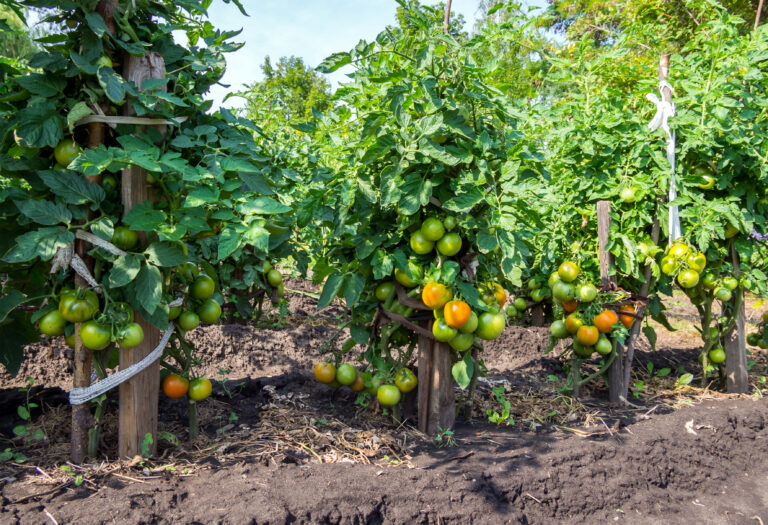
Vegetables need different amounts of water throughout the year. Cool spring gardens require far less moisture than midsummer gardens filled with mature Tomato, Cucumber, and Squash plants.
This month-by-month guide will help beginners understand how watering needs change through the growing season.
Know What to Plant This Week
Every week I answer the gardener's most important question: what should I plant now? Get seasonal planting advice free — or go Pro for my full Soil Temperature Garden Report, with soil temperature, moisture, weather trends, and crop-by-crop recommendations.
The Most Important Watering Rule
Before looking month by month, understand this:
Vegetables prefer:
- deep watering,
- less often,
rather than:
- shallow watering every day.
Deep watering encourages:
- stronger roots,
- drought resistance,
- and healthier plants.
Shallow watering creates weak surface roots that dry quickly.
How Much Water Does a Vegetable Garden Need?
Most vegetable gardens need approximately:
1 to 2 inches of water per week
But this changes dramatically depending on:
- temperature,
- wind,
- mulch,
- soil type,
- and crop maturity.
March: Light and Careful Watering
Early spring gardens often need surprisingly little water.
Why?
Cool soil evaporates moisture slowly.
Rain may still provide much of the garden’s needs.
What I Watch For
- Seed germination
- Newly transplanted seedlings
- Soil temperature
Common Beginner Mistake
Overwatering cold spring soil.
Wet, cold soil can cause:
- root rot,
- damping off,
- and poor germination.
Best Practice
Water lightly but consistently during seed germination.
April: Increasing Moisture as Growth Accelerates
As temperatures rise, vegetables begin growing more actively.
Cool-season crops like:
- Lettuce
- Spinach
- Carrot
need more regular moisture for tender growth.
My Watering Routine
I usually water:
- deeply once or twice weekly,
depending on rainfall.
Important Tip
Check soil before watering.
Moist soil several inches down usually means watering can wait.
May: Transition Into Warm-Season Watering
This is when watering demands begin changing quickly.
Warm-season vegetables such as:
- Pepper
- Tomato
- Corn
begin active growth.
Soil Temperature Matters
Warm soil increases:
- evaporation,
- plant growth,
- and water use.
My Focus in May
- Deep root development
- Consistent moisture
- Mulching beds
Mulch becomes increasingly important now.
June: Rapid Growth Begins
June is often when vegetable gardens begin consuming water rapidly.
Plants are:
- larger,
- leafier,
- and growing fast.
Common Problems in June
- Uneven watering
- Blossom end rot
- Bitter cucumbers
- Cracked radishes
What I Recommend
Water deeply:
1 to 2 times per week
rather than shallow daily watering.
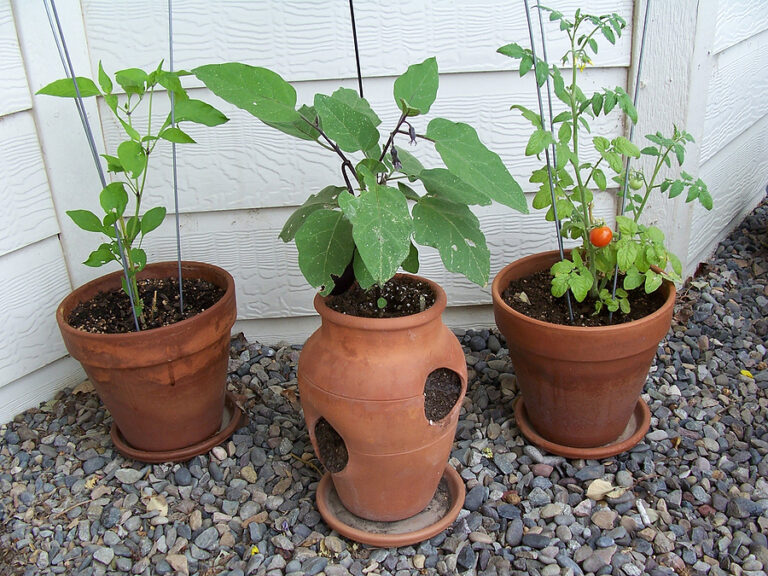
Container gardens may need water more often.
July: Peak Water Demand
July is usually the most water-intensive month.
Large warm-season crops are:
- flowering,
- fruiting,
- and transpiring heavily.
Vegetables That Need Extra Attention
- Tomato
- Cucumber
- Melon
- Corn
My July Watering Strategy
I water:
- deeply,
- early in the morning,
- and consistently.
Morning watering reduces:
- evaporation,
- disease risk,
- and plant stress.
Heat Waves Change Everything
During periods above:
95∘F
some vegetables may require supplemental watering.
Containers may need:
- daily watering,
- or twice daily in extreme heat.
August: Consistency Matters Most
Late summer watering is less about quantity and more about consistency.
Why?
Irregular watering now causes:
- cracked tomatoes,
- bitter cucumbers,
- split melons,
- and blossom drop.
My Focus
Maintain evenly moist soil—not saturated soil.
Mulch becomes critically important during August heat.
September: Gradual Reduction
As temperatures moderate, watering needs begin declining.
Warm-Season Crops Still Need Moisture
Especially:
- tomatoes,
- peppers,
- and fall cucumbers.
But evaporation slows as nights cool.
Cool-Season Crops Return
New plantings of:
- Lettuce
- Kale
- Broccoli
prefer steadier moderate moisture.
October: Slower Growth Means Less Water
Cool weather dramatically reduces water use.
Common Beginner Mistake
Continuing summer watering schedules into fall.
This often leads to:
- fungal disease,
- soggy soil,
- and weak roots.
My Fall Watering Approach
I water only when soil begins drying several inches below the surface.
November Through Winter: Minimal Supplemental Watering
Winter gardens require surprisingly little irrigation in many climates.
Why?
- Cool temperatures
- Reduced evaporation
- Slower plant growth
- Seasonal rainfall
Important Winter Rule
Avoid saturated soil.
Cold wet roots are far more dangerous than slight dryness during winter.
How Soil Type Changes Watering Frequency
Not all gardens hold moisture equally.
Sandy Soil
- Drains quickly
- Needs more frequent watering
Clay Soil
- Holds water longer
- Requires slower, deeper watering
Raised Beds
Raised beds dry faster than in-ground gardens.
In my raised beds, mulching is essential for moisture stability.
How Mulch Reduces Watering
Mulch is one of the best watering tools in the garden.
Benefits
Mulch helps:
- conserve moisture,
- regulate soil temperature,
- suppress weeds,
- and reduce evaporation.
My Favorite Mulches
- Straw
- Shredded leaves
- Compost
Mulched gardens often need significantly less irrigation.
Signs Your Vegetable Garden Needs Water
Early Signs
- Slight wilting in morning
- Dry soil several inches down
- Slowed growth
Severe Stress Signs
- Blossom drop
- Bitter fruit
- Leaf scorch
- Curling leaves
Signs You Are Overwatering
Overwatering is just as damaging as underwatering.
Warning Signs
- Yellow leaves
- Wilting despite wet soil
- Fungal disease
- Slow growth
- Mushy stems
Healthy roots need oxygen as well as moisture.
The Best Time to Water
Morning is almost always best.
Why Morning Watering Works
- Lower evaporation
- Less disease pressure
- Plants enter heat hydrated
Avoid watering late at night whenever possible.
My Personal Watering Philosophy
Over the years, I’ve learned that good watering comes from observation.
I pay attention to:
- soil moisture,
- weather,
- plant appearance,
- and soil temperature
rather than rigid schedules.
Healthy gardens come from consistency, not constant watering.
Final Thoughts
Vegetable garden watering changes throughout the season. Spring gardens need gentle moisture while midsummer gardens require deep, consistent irrigation to support rapid growth and fruit production.
The key is understanding that vegetables respond best to:
- deep watering,
- healthy soil,
- mulch,
- and seasonal adjustments.
Once gardeners learn to water according to:
- weather,
- soil temperature,
- and plant growth,
vegetable gardens become healthier, more productive, and far easier to manage.