How Often to Water Vegetable Gardens in Spring (A Practical Guide That Works)

Spring watering is where many vegetable gardens go wrong. Temperatures fluctuate, soil warms unevenly, and plants are actively establishing roots. Water too much, and roots suffocate. Water too little, and growth stalls.
After decades of gardening in a Zone 9b climate with raised and mounded beds, I’ve learned that spring watering isn’t about a fixed schedule, it’s about reading the soil and the stage of the plant.
🌱 The Short Answer
In spring, most vegetable gardens need:
- 2–3 deep waterings per week in mild weather
- More frequent watering for containers
- Less frequent watering for established, deep-rooted crops
But the real rule is this:
Know What to Plant This Week
Every week I answer the gardener's most important question: what should I plant now? Get seasonal planting advice free — or go Pro for my full Soil Temperature Garden Report, with soil temperature, moisture, weather trends, and crop-by-crop recommendations.
👉 Water when the top 1–2 inches of soil are dry—not by the calendar
🌿 Why Spring Watering Is Different
Spring conditions are unpredictable:
- Cool nights slow evaporation
- Warm days speed up drying
- Rainfall may be inconsistent
- Young plants have shallow roots
This means overwatering is just as common as underwatering.
💧 Watering by Plant Stage (Most Important Rule)
🌱 Seedlings (0–3 weeks)
- Frequency: Light watering every 1–2 days
- Goal: Keep soil evenly moist (never soggy)
👉 Shallow roots dry out quickly.
🌿 Young Transplants (3–6 weeks)
- Frequency: Every 2–3 days
- Goal: Encourage roots to grow deeper
👉 Let the surface dry slightly between waterings.
🌳 Established Plants
- Frequency: 2–3 times per week (deep watering)
- Goal: Soak soil 6–12 inches deep
👉 Deep roots = stronger, more drought-resistant plants.
🟡 Signs You’re Watering Incorrectly
Overwatering
- Yellow leaves
- Wilting despite wet soil
- Slow growth
👉 See: Why Are My Young Plants Yellow?
Underwatering
- Dry, crumbly soil
- Wilting in heat
- Bitter greens, poor growth
👉 See: How Often to Water Container Vegetables
🌿 Soil Type Changes Everything
Sandy Soil
- Drains quickly
- Water more often
Clay Soil
- Holds water longer
- Water less often, but deeply
Loamy / Raised Bed Soil (Ideal)
- Balanced drainage and retention
- Best for consistent watering
👉 Experience insight: My compost-rich raised beds need less frequent watering because they hold moisture evenly.
🌞 Weather Adjustments (Spring Reality)
- Cool, cloudy days: Water less often
- Warm, windy days: Water more often
- After rain: Skip watering until soil dries
👉 Always check soil before watering—don’t assume.
🪴 Container vs In-Ground
Containers
- Dry out faster
- May need watering daily or every other day
In-Ground / Raised Beds
- Hold moisture longer
- Typically 2–3 times per week
👉 Experience tip: Smaller containers dry out fastest—especially in sun and wind.
🌱 How to Water Correctly (Technique Matters)
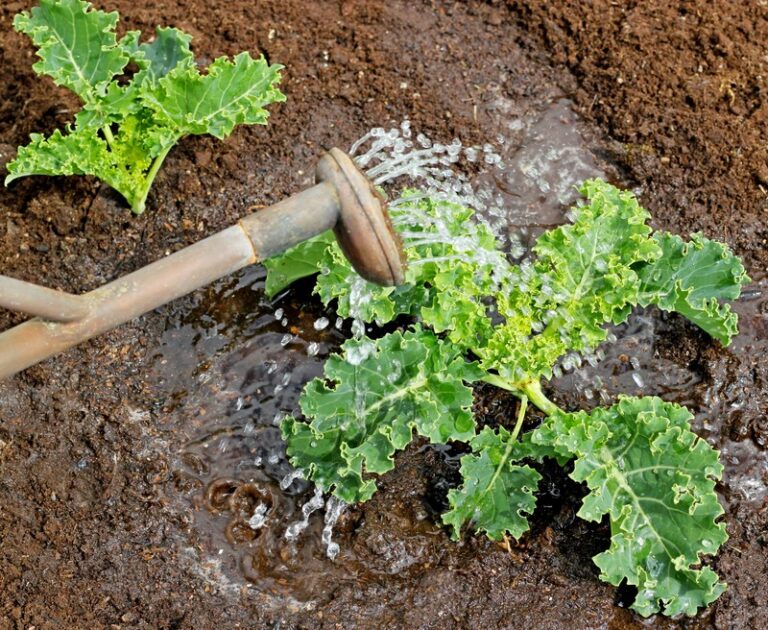
- Water deeply, not lightly
- Water at the base of plants
- Water in the morning when possible
- Avoid wetting leaves unnecessarily
👉 Deep watering trains roots to grow downward instead of staying shallow.
🌿 My Spring Watering Method
In my Zone 9b garden, I follow a simple system:
- Check soil daily (finger test 1–2 inches deep)
- Water deeply when dry
- Use equidistant planting to create natural soil shading
- Add compost regularly to improve moisture retention
This approach eliminates guesswork and keeps plants growing steadily without stress.
🔗 Suggested Related Posts
- Why Are My Young Plants Yellow?
- How Often to Water Container Vegetables
- Best Soil Mix for Raised Bed Vegetables
- Container Gardening Fertilizer Schedule
- Why Container Vegetables Fail
❓ Q&A: Spring Garden Watering
Q: Is it better to water every day or deeply a few times a week?
A: Deep watering a few times a week is better. It builds stronger root systems.
Q: How do I know if I’ve watered enough?
A: Soil should be moist 6–12 inches deep after watering.
Q: Should I water if the surface looks dry?
A: Not always. Check 1–2 inches below the surface before deciding.
Q: Do vegetables need more water as they grow?
A: Yes. Larger plants use more water, especially as temperatures rise.
Q: What time of day is best to water?
A: Morning is best. It reduces evaporation and disease risk.
🌿 Bottom Line
Spring watering is about observation, not routine. Check your soil, water deeply, and adjust to weather and plant growth. Get this right, and your garden will establish quickly and grow strong into summer.