Best Potting Soil Mix for Container Vegetables (Pro Grower Recipe for Maximum Yield)

🌿 Why container vegetables struggle more than they should
If your tomatoes, peppers, or zucchini look healthy but don’t produce the way you expect, the issue is usually not the plant—it’s the soil.
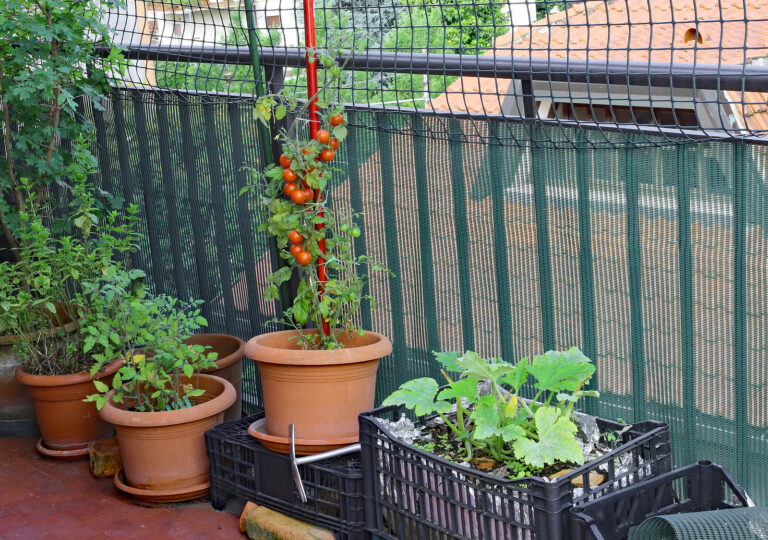
In my experience growing vegetables in containers and raised beds in Sonoma Valley for more than 20 years, I’ve found that potting mix is the single biggest factor separating a light harvest from a heavy one. Containers simply don’t behave like in-ground gardens: they dry faster, heat up more quickly, and lose nutrients with every watering.
Because of that, even small mistakes in soil structure get amplified. And if the soil is off, everything else—watering, feeding, plant health—becomes harder to manage. (This is why many gardeners end up chasing problems that are actually rooted in the mix itself; I break down those patterns in more detail in Why Container Vegetables Fail.)
🪴 Quick answer: the best container soil mix
If you want a reliable, high-performing mix, here’s what I use and recommend:
Know What to Plant This Week
Every week I answer the gardener's most important question: what should I plant now? Get seasonal planting advice free — or go Pro for my full Soil Temperature Garden Report, with soil temperature, moisture, weather trends, and crop-by-crop recommendations.
- 40% coconut coir or composted bark
- 30% high-quality compost
- 20% pumice or perlite
- 10% worm castings
This combination creates a balance of moisture retention, drainage, and fertility that holds steady through a full growing season. It also reduces the extreme wet-dry swings that make watering feel unpredictable (a problem that often shows up later as inconsistent growth or blossom drop—something closely tied to watering patterns). See also Calculating Soil Requirements for Different Container Sizes.
🧱 Why potting mix matters more in containers
In a garden bed, soil acts as a buffer. In a container, there is no buffer—only what you build into the mix.
Fast moisture swings
Containers can go from saturated to dry in a day or two, especially in warm weather. That kind of fluctuation stresses plants and reduces fruit set. Gardeners often assume this is just a watering issue, but in practice it usually starts with soil structure and composition (and continues with watering habits, which I explain in How Often to Water Container Vegetables).
Limited root environment
Roots need both water and oxygen. Dense or compacted mixes restrict airflow, and once roots lose access to oxygen, nutrient uptake slows dramatically—even if fertilizer is present.
Nutrient instability
Without enough organic matter, nutrients wash out quickly. This leads to cycles of fast growth followed by stall-out, which is why a consistent feeding approach becomes essential later on (see Container Fertilizer Schedule for how to stabilize that).
🧪 The pro grower mix (and why it works)
Over the years, I’ve tested different ratios in both containers and raised beds, and this mix has proven to be the most stable across crops.
- Coir or composted bark provides structure and holds moisture without compacting. I prefer coir because it rehydrates easily and stays consistent through the season.
- Compost supplies slow-release nutrients and microbial life, which improves plant resilience over time.
- Pumice or perlite keeps the mix open and prevents compaction; in my experience, pumice tends to last longer in windy or exposed conditions.
- Worm castings act as a concentrated biological boost, helping plants establish quickly after transplanting.
When these elements are balanced, the soil holds moisture evenly, drains well, and feeds plants steadily—all of which translate directly into stronger growth and higher yields.
🪜 How to mix and use it (step-by-step)
Getting the mix right is as much about process as proportions.
- Blend dry ingredients thoroughly
Start with coir or bark, then add compost and your aeration material. Mix until uniform so water distributes evenly later. - Add fertility components
Fold in worm castings and any slow-release fertilizer so nutrients are evenly distributed. - Moisten to activate
Add water until the mix feels like a wrung-out sponge. This step is often skipped, but it makes a noticeable difference in early plant establishment. - Let it rest (optional but helpful)
If you have time, let the mix sit for a week or two. This allows microbial activity to stabilize before planting.
Once your containers are filled, the next step is maintaining consistency—especially with watering and feeding. Even a well-built mix will decline if those systems aren’t in place, which is where most gardeners start to see problems emerge.
⚠️ Common mistakes that reduce yield
Over time, I’ve seen the same issues come up again and again:
- Using garden soil in containers — too dense, poor drainage, and limited oxygen
- Skipping aeration materials — leads to compaction and weak root systems
- Overloading compost — can hold too much water and reduce structure
- Reusing soil without rebuilding it — results in declining yields year after year
Many of these show up later as yellowing leaves, stalled growth, or poor fruiting—symptoms that are often misdiagnosed unless you look back at the soil first (again, this is exactly how failures tend to cascade in container systems).
🔧 Troubleshooting: when things go wrong
Even with a good mix, problems can still appear. The key is recognizing the pattern.
- Wilting in wet soil → roots lack oxygen → increase aeration and reduce watering frequency
- Yellowing leaves → nutrients leaching → adjust feeding schedule
- Slow growth → depleted mix → add compost or fertilizer
- Flower drop → inconsistent moisture → stabilize watering patterns
These issues are rarely isolated. In most cases, soil, water, and nutrients are working together—for better or worse.
🌿 Advanced tips from experience
Once you have the basics in place, a few refinements can make a noticeable difference:
- Add mycorrhizal inoculants at transplant to improve root development
- Incorporate 5–10% biochar to increase nutrient retention
- Use calcium support if blossom end rot appears despite consistent watering
- Adjust mix slightly in hot weather by increasing coir for better moisture holding
These are small changes, but over a full season they can significantly improve plant stability and yield.
❓ FAQ
Can I use store-bought potting mix?
Yes, but it performs better when amended with compost and aeration materials.
How often should I replace container soil?
Refresh 25–50% each season; fully replace every few years.
Is coir better than peat?
I prefer coir for its consistency and sustainability, especially in containers.
Do I still need fertilizer?
Yes—containers always require supplemental feeding.
What container size is best?
At least 10–20 gallons for fruiting crops like tomatoes and peppers. This post will help Container Sizes for Growing Vegetables.
🌱 What to do next
Once you’ve built a stable potting mix, the next step is maintaining that stability through the season.
In practice, most gardeners see the biggest improvement not just from better soil—but from combining soil with consistent watering and feeding systems. That’s where container gardening really shifts from trial-and-error to reliable production.
If you want to take the next step, focus on:
- dialing in watering consistency
- building a steady fertilizer routine
- and learning how to recognize early signs of stress before they affect yield
That’s the system that turns healthy plants into productive ones.