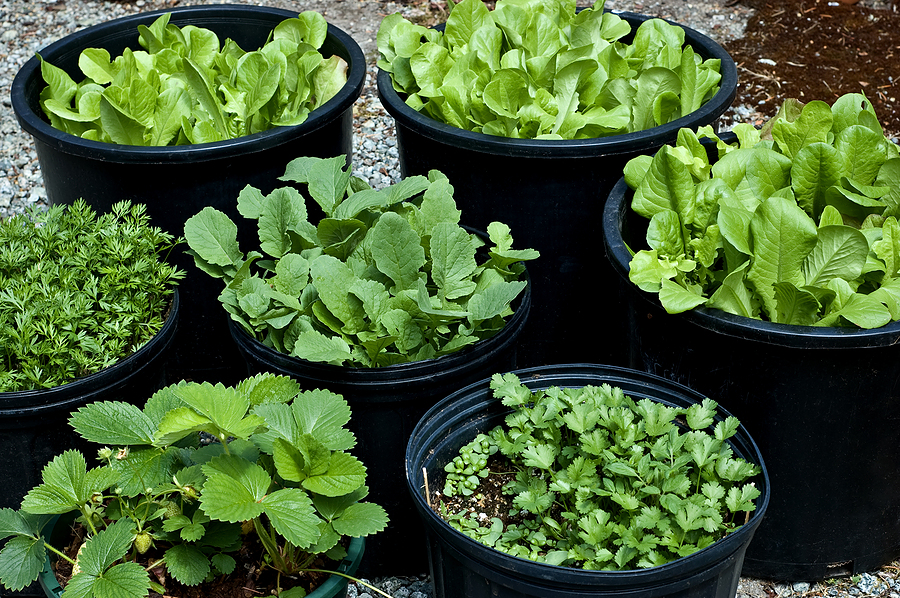
Grow Bags vs Plastic Pots (Pros and Cons)

Which Container Is Better for Vegetable Gardening?
Choosing the right container can make or break your harvest—especially if you’re growing vegetables in limited space. If you’re deciding between grow bags and plastic pots, you’re already asking the right question.
I’ve used both extensively over 30+ years of gardening in California—raised beds, mounded rows, and containers in Sonoma Valley conditions. Each has a place. But they perform very differently depending on your crops, climate, and watering habits.
This guide breaks it down clearly so you can choose what actually works—and avoid wasting money on the wrong setup.
Know What to Plant This Week
Every week I answer the gardener's most important question: what should I plant now? Get seasonal planting advice free — or go Pro for my full Soil Temperature Garden Report, with soil temperature, moisture, weather trends, and crop-by-crop recommendations.
Quick Answer (For Buyers Ready to Decide)
- Choose grow bags if you want: better root health, fewer watering mistakes, and healthier plants in hot weather
- Choose plastic pots if you want: longer moisture retention, less frequent watering, and a more permanent setup
Grow Bags vs Plastic Pots: Key Differences
| Feature | Grow Bags | Plastic Pots |
|---|---|---|
| Drainage | Excellent (air-pruning roots) | Moderate (depends on holes) |
| Root Health | Superior (no circling roots) | Can become root-bound |
| Water Retention | Dries out faster | Holds moisture longer |
| Durability | 2–5 seasons typical | 5–10+ years |
| Weight | Lightweight | Heavier |
| Cost | Moderate (replace periodically) | Low long-term cost |
| Temperature Control | Stays cooler in heat | Can overheat in sun |
Pros of Grow Bags
1. Healthier Root Systems (Big Yield Advantage)
Grow bags air-prune roots. When roots hit the fabric edge, they stop elongating and branch out instead.
Result:
- Dense, fibrous root systems
- Better nutrient uptake
- Stronger, more productive plants
👉 This advantage is amplified when paired with the right soil mix—see Best Potting Soil for Containers.
2. Superior Drainage (Fewer Beginner Mistakes)
Overwatering kills more container plants than anything else. Grow bags make that mistake harder.
- Excess water drains quickly
- Roots get more oxygen
- Less risk of root rot
👉 If watering is your biggest struggle, read How Often to Water Container Vegetables.
3. Cooler Soil in Hot Weather
In Sonoma Valley summers, plastic pots can heat up fast. Grow bags breathe.
- Prevents root stress
- Especially important for fruiting crops
👉 This is one reason I recommend grow bags when following How to Grow Tomatoes in Containers (Step-by-Step).
4. Easy Storage and Flexibility
- Fold flat in winter
- Lightweight to move
- Great for seasonal gardening setups
Cons of Grow Bags
1. They Dry Out Faster (Biggest Tradeoff)
This is the #1 issue.
- May require daily watering in summer
- Even twice daily during heat waves
👉 This is manageable if you follow a consistent schedule like the one outlined in How Often to Water Container Vegetables.
2. Shorter Lifespan
- Fabric breaks down over time
- UV exposure speeds wear
Expect to replace every few seasons.
3. Not Ideal for Deep-Rooted Crops (Unless Large)
Small grow bags limit crops like:
- Corn
- Large indeterminate tomatoes
👉 For best results, follow sizing guidelines in How to Grow Peppers in Containers for Beginners.
Pros of Plastic Pots
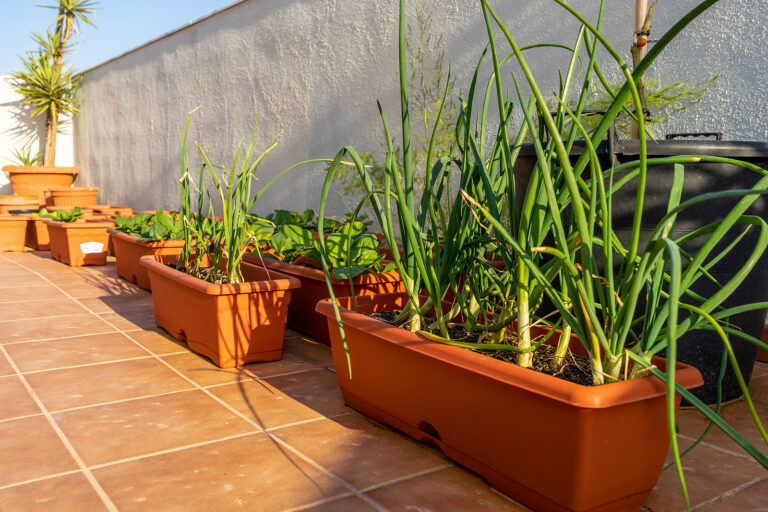
1. Better Moisture Retention
Plastic holds water longer—this can be a major advantage.
- Fewer watering cycles
- More forgiving in hot climates
👉 This makes plastic pots a solid choice if you’re still dialing in watering (see How Often to Water Container Vegetables).
2. Long-Term Durability
- Can last many years
- Resistant to tearing and wear
3. More Stability
- Heavier = less tipping
- Better for tall plants
👉 Especially helpful when growing crops like peppers—see How to Grow Peppers in Containers.
4. Widely Available and Affordable
You can find them anywhere and reuse them year after year.
Cons of Plastic Pots
1. Risk of Root Binding
Roots hit the sides and begin circling.
- Reduces plant vigor
- Limits nutrient uptake
2. Drainage Depends on Design
Not all plastic pots are created equal.
- Some have poor drainage holes
- Can lead to soggy soil
👉 Using the right mix helps prevent this—see Best Potting Soil for Containers.
3. Heat Buildup
Dark plastic absorbs heat.
- Roots can overheat in full sun
- Stress reduces growth and fruiting
👉 This is a common issue when following How to Grow Tomatoes in Containers (Step-by-Step) without shade or mulch.
Best Use Cases (What I Actually Recommend)
Use Grow Bags For:
- Tomatoes
- Peppers
- Cucumbers
- Potatoes
👉 Grow bags perform especially well when following systems like How to Grow Peppers in Containers.
Use Plastic Pots For:
- Herbs
- Leafy greens
- Cool-season crops
My Real-World Setup
In my Sonoma Valley garden:
- I use grow bags for tomatoes and peppers because they prevent overheating and boost root growth
- I use plastic pots for herbs and spring crops because they retain moisture during variable weather
I’ve also found that combining proper soil and watering strategy matters more than the container itself.
Buyer’s Picks
Best Grow Bags
Best Plastic Pots
Pro Tip: The Hybrid Strategy (Best Results)
If you want the best of both worlds:
- Use grow bags + drip irrigation system
- Use high-quality soil (Best Potting Soil for Containers)
- Follow a consistent watering plan (How Often to Water Container Vegetables)
This setup delivers:
- Healthy roots
- Stable moisture
- Maximum yields
Frequently Asked Questions
Are grow bags better than plastic pots?
For root health and drainage—yes. For water retention and low maintenance—no.
Do grow bags really increase yield?
Yes—especially when combined with proper soil and watering practices.
How often do you water grow bags?
- Mild weather: every 1–2 days
- Hot weather: daily or more
👉 See How Often to Water Container Vegetables for a full schedule.
What grows best in grow bags?
Tomatoes and peppers perform exceptionally well—see:
What soil should I use?
Always use a high-quality mix—see Best Potting Soil for Containers.
Final Verdict
- Choose grow bags if you want maximum plant performance
- Choose plastic pots if you want simplicity and lower maintenance
👉 For best results, combine the right container with the right soil, watering, and crop strategy.