How to Increase Vegetable Yield in Containers (10 Proven Methods)

If your container garden looks healthy but harvests are underwhelming, the issue isn’t luck—it’s efficiency. Yield in containers comes down to how well you manage roots, nutrients, water, and light.
I’ve grown vegetables in containers for decades in Sonoma Valley. When yields increase, it’s almost always because a few key systems are dialed in—not because of more effort.
Here are 10 proven methods that consistently boost production.
1. Use the Right Container Size (Bigger = More Yield)
Small containers limit root growth—and roots determine yield.
Know What to Plant This Week
Every week I answer the gardener's most important question: what should I plant now? Get seasonal planting advice free — or go Pro for my full Soil Temperature Garden Report, with soil temperature, moisture, weather trends, and crop-by-crop recommendations.
Minimum sizes:
- Leafy greens: 1–2 gallons
- Peppers: 3–5 gallons
- Tomatoes: 5–10+ gallons
👉 Bigger root systems support more fruit.
2. Upgrade Your Potting Mix (Foundation of Yield)
Cheap or old soil reduces growth potential.
Use a high-quality, well-draining mix:
👉 I refresh container soil every season. It consistently improves yield.
3. Feed Consistently (Containers Run Out Fast)
Container plants depend on you for nutrition.
Best approach:
- Slow-release fertilizer every 3–4 weeks
- Liquid feed every 7–10 days
Top options:
👉 Consistency matters more than strength.
4. Water Deeply and Consistently
Inconsistent watering reduces fruit set and size.
Do this:
- Water until it drains out the bottom
- Let top inch dry before watering again
👉 Even moisture = steady growth + better yields.
5. Maximize Sunlight (Yield = Energy)
Vegetables need 6–8+ hours of direct sun.
Low light leads to:
- Fewer flowers
- Smaller fruits
- Slower growth
👉 Move containers to the sunniest available location.
6. Choose High-Yield Varieties
Some varieties are bred for containers and productivity.
Look for:
- Compact or dwarf varieties
- “Patio” or “container” labels
👉 These often outperform standard varieties in pots.
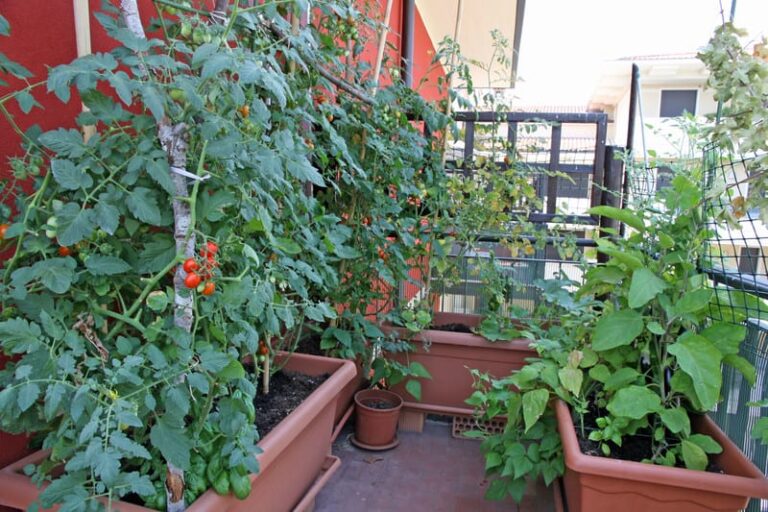
7. Support and Train Plants Properly
Vertical growth improves:
- Light exposure
- Air circulation
- Fruit production
Use supports:
👉 Well-supported plants produce more.
8. Prune Strategically (Direct Energy to Fruit)
Remove:
- Dead or yellowing leaves
- Excess suckers (for tomatoes)
👉 This directs energy toward fruit production instead of excess foliage.
9. Improve Pollination
Poor pollination reduces fruit set—especially in containers.
Fix it:
- Gently shake flowering plants
- Hand pollinate with a brush
Optional tools:
👉 Better pollination = more fruit.
10. Prevent Stress Before It Starts
Stress reduces yield even if plants survive.
Watch for:
- Root crowding
- Heat stress
- Nutrient swings
👉 Stable conditions produce the best harvests.
Quick Yield Boost Checklist
To increase container vegetable yield:
- Use large enough containers
- Upgrade soil quality
- Feed consistently
- Water evenly
- Maximize sunlight
- Choose productive varieties
- Support plants properly
- Prune when needed
- Improve pollination
- Reduce stress
My Perspective (What Actually Works)
After decades of growing vegetables in containers, here’s what matters most:
👉 Yield is not about doing more—it’s about doing the right things consistently.
When I want higher production, I focus on:
- Root space
- Consistent feeding
- Stable watering
Those three alone dramatically increase harvests.
Final Takeaway
If you want bigger harvests from container vegetables:
- Expand the root zone
- Feed consistently
- Maintain stable conditions
Do that, and your yields will increase—often quickly.