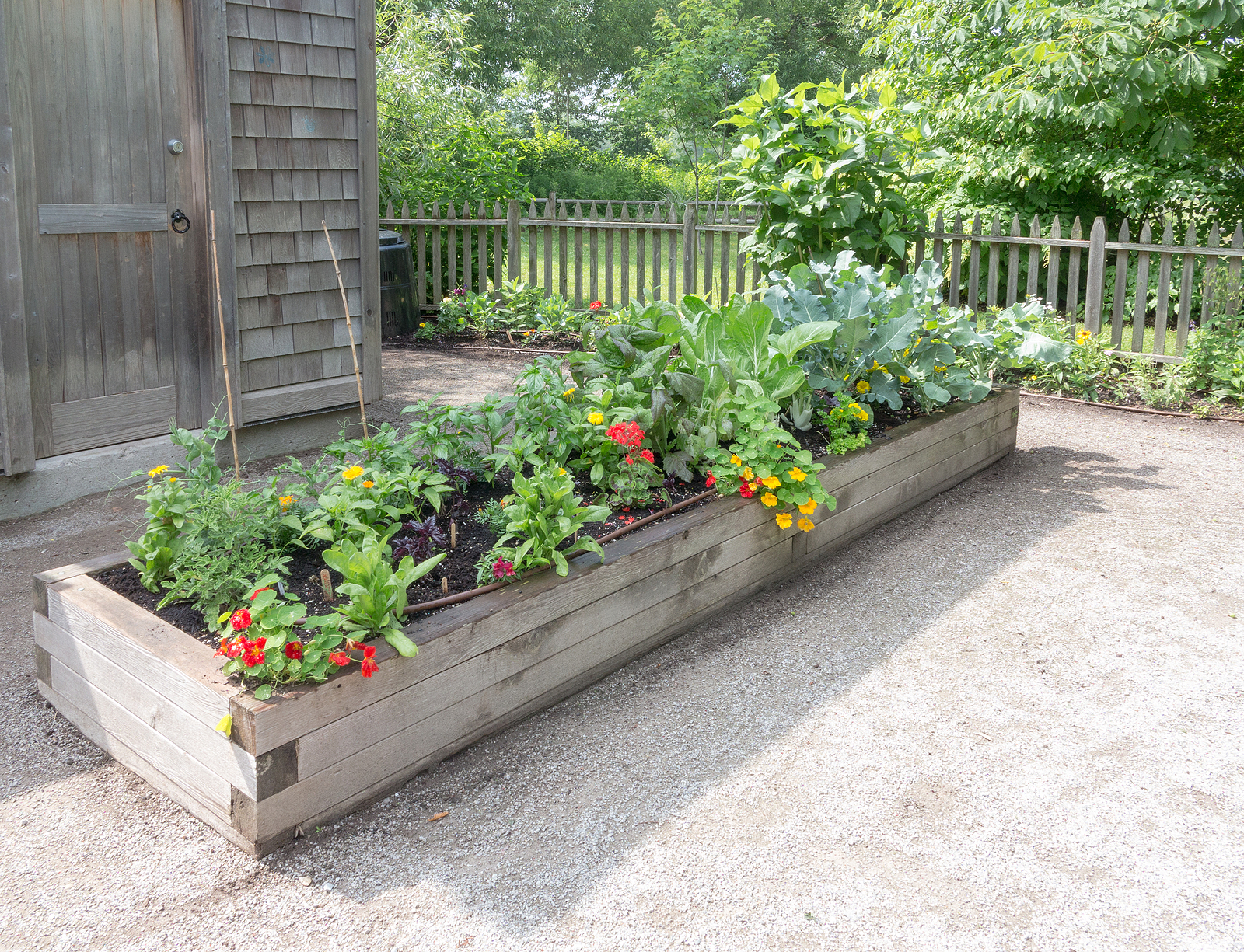
Container Vegetable Spacing Mistakes That Reduce Yield

(And How to Fix Them for Bigger Harvests)
Why Spacing Matters More in Containers
In garden beds, roots can spread outward to compensate for crowding. In containers, space is fixed.
When spacing is off—even slightly—you get:
- Reduced yields
- Smaller fruits
- More disease
- Faster soil exhaustion
In containers, spacing = yield control.
Know What to Plant This Week
Every week I answer the gardener's most important question: what should I plant now? Get seasonal planting advice free — or go Pro for my full Soil Temperature Garden Report, with soil temperature, moisture, weather trends, and crop-by-crop recommendations.
The Most Common Container Spacing Mistakes
1. Overcrowding “Because It Looks Empty”
The mistake:
Planting too many seedlings in one container to make it look full.
What happens:
- Roots compete immediately
- Plants stall early
- Yield drops sharply
Fix:
Follow mature spacing, not seedling spacing.
Example:
- 5-gallon container =
- 1 tomato OR
- 1 pepper OR
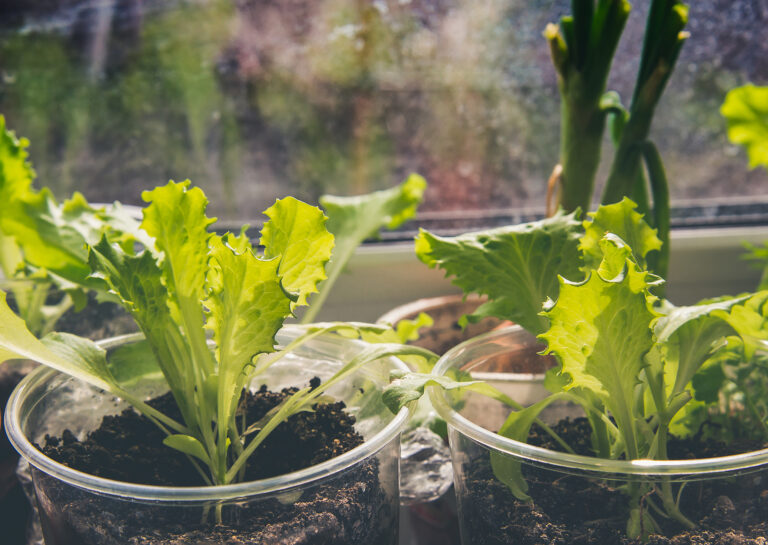
- 2–3 lettuce plants (max)
👉 Rule: Containers should look slightly empty at planting time.
2. Ignoring Root Zone Size
The mistake:
Focusing only on above-ground spacing.
What happens:
- Roots hit boundaries too early
- Nutrient competition intensifies
- Plants become stunted
Fix:
Match plant to container volume:
- Tomatoes: 5–10 gallons each
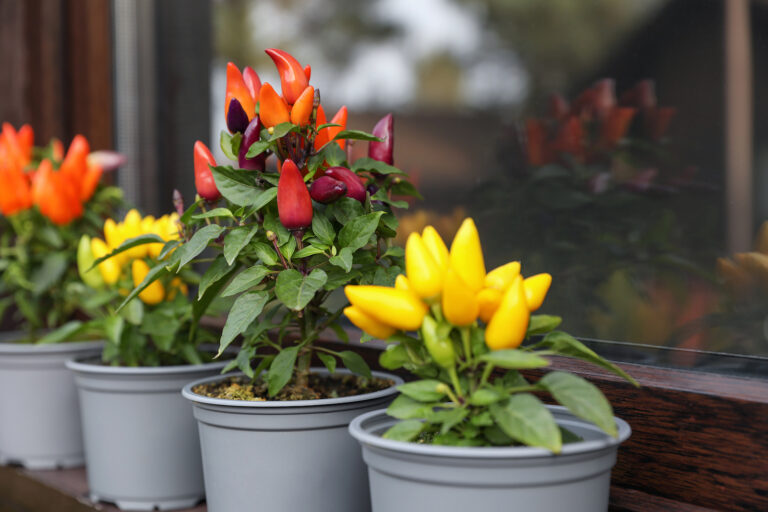
- Peppers: 3–5 gallons each
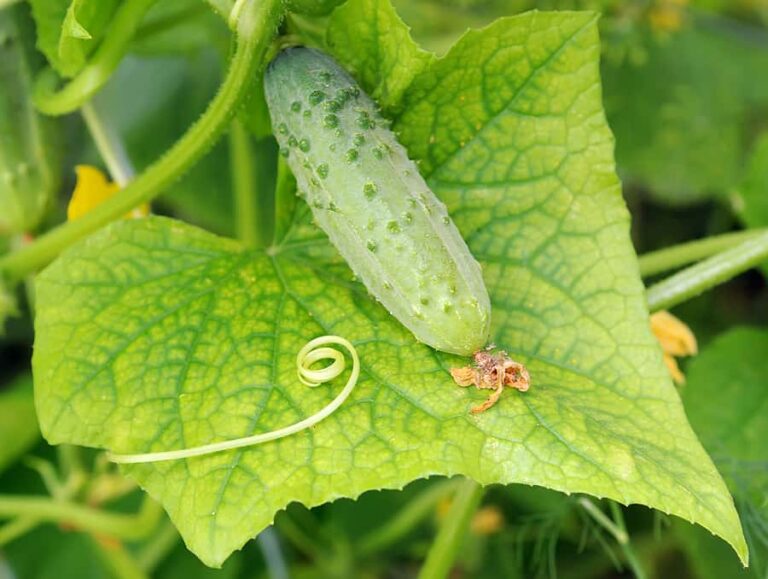
- Cucumbers: 5 gallons per plant
- Herbs: 1–2 gallons each
👉 Root space matters more than leaf spacing in containers.
3. Mixing Incompatible Growth Rates
The mistake:
Planting fast growers with slow growers too close together.
Example:
- Radishes + peppers
- Lettuce + tomatoes (too tight)
What happens:
- Fast growers crowd slow ones
- Slow crops never establish
Fix:
Pair plants with similar growth speeds or stagger planting times.
4. Underestimating Mature Width
The mistake:
Spacing based on seed packet minimums (which assume in-ground growing).
What happens:
- Leaves overlap heavily
- Airflow drops
- Disease risk increases
Fix:
Increase spacing slightly in containers:
- Add 10–20% more space than in-ground recommendations
5. Planting Multiple “Heavy Feeders” Together
The mistake:
Combining crops like:
- Tomatoes + peppers
- Peppers + eggplant
What happens:
- Nutrients depleted quickly
- Plants compete aggressively
- Yields decline
Fix:
Limit containers to:
- One heavy feeder OR
- One heavy + one light feeder (like herbs)
6. Not Thinning Seedlings
The mistake:
Letting all seedlings grow after germination.
What happens:
- Immediate overcrowding
- Weak, spindly plants
Fix:
Thin early and decisively:
- Keep strongest plant
- Remove the rest at soil level
👉 This is one of the biggest yield improvements most gardeners ignore.
7. Ignoring Vertical Space
The mistake:
Only thinking horizontally.
What happens:
- Wasted growing potential
- Crowding at soil level
Fix:
Grow vertically:
- Trellis cucumbers
- Stake tomatoes
- Train beans upward
👉 Vertical growth reduces spacing pressure dramatically.
Ideal Container Spacing Cheat Sheet
5-Gallon Container
- 1 tomato
- 1 pepper
- 1 cucumber
3-Gallon Container
- 1 pepper
- 1 eggplant
- 2 lettuce
1–2 Gallon Container
- Herbs (basil, parsley, cilantro)
- Leafy greens
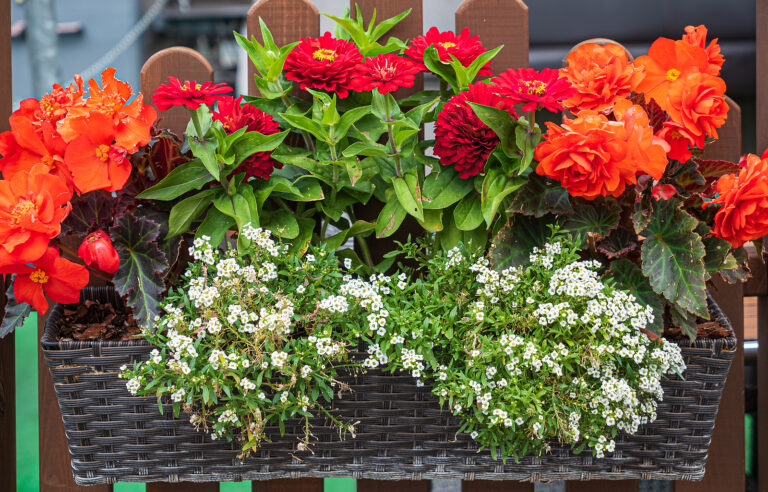
Window Box (24”)
- 3–4 lettuce OR
- 2 herbs + 1 small vegetable
Signs Your Plants Are Too Crowded
Watch for:
- Slow or stalled growth
- Yellowing lower leaves
- Small fruit production
- Constant need for water
- Poor airflow (dense foliage)
If you see these early, spacing is likely the cause.
High-Yield Spacing Strategy (What Actually Works)
From long-term container growing experience:
- Start with fewer plants than you think
- Use larger containers instead of more plants
- Focus on root space first, foliage second
- Combine vertical support with proper spacing
👉 One well-spaced plant will outperform three crowded ones—every time.
Container vegetable spacing mistakes reduce yield. Learn fixes for healthier plants, stronger growth, and bigger harvests.
Bottom Line
Most container gardeners lose yield not from poor care—but from poor spacing decisions made on day one.
Fix spacing, and everything else gets easier:
- Watering stabilizes
- Feeding becomes more effective
- Plants grow faster
- Harvests increase
From My Garden Experience in Sonoma Valley
I’ve been growing vegetables in containers for decades in Sonoma Valley, where hot summers and cool nights make spacing decisions especially important. In raised beds and containers alike, I’ve learned that overcrowding is one of the fastest ways to lose yield—especially with crops like tomatoes, peppers, and cucumbers that need strong root development.
Over time, I’ve found that the “less is more” approach consistently produces better results. A single well-spaced plant in a properly sized container almost always outperforms multiple crowded plants fighting for the same root zone.