Why Do Container Plants Dry Out So Fast? (And How to Fix It)

If you’ve ever watered your container garden in the morning only to find bone-dry soil by afternoon, you’re not alone. This is one of the most common frustrations in container gardening—especially in hot, sunny climates.
Container plants don’t just “need more water.” Their entire growing environment is built to lose moisture quickly. The good news is that once you understand why it happens, you can fix it permanently.
🌱 The Real Reasons Container Plants Dry Out So Fast
1. Limited soil volume
In the ground, roots can chase moisture deep into the soil. In containers, they’re trapped in a small space that dries quickly.
Smaller pots simply cannot store enough water for fast-growing vegetables.
Know What to Plant This Week
Every week I answer the gardener's most important question: what should I plant now? Get seasonal planting advice free — or go Pro for my full Soil Temperature Garden Report, with soil temperature, moisture, weather trends, and crop-by-crop recommendations.
👉 For most vegetables, upgrading to larger containers like these 10–20 gallon fabric grow bags can immediately stabilize moisture levels.
2. Containers heat up quickly
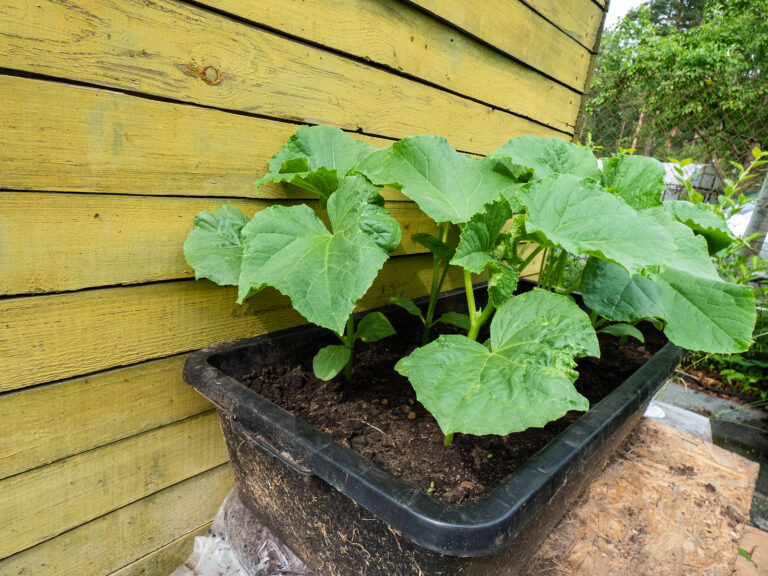
Sun hits the sides of pots and essentially “bakes” the soil. Black plastic and metal containers are especially prone to overheating.
When soil temperature rises, evaporation increases—and plants drink more water.
👉 Switching to insulated or lighter-colored options like self-watering containers can significantly reduce moisture loss.
3. Wind exposure
Even a light breeze pulls moisture directly from soil and leaves. Container plants on patios, decks, or open yards dry even faster.
4. Fast-draining potting mix
Most bagged mixes are designed for drainage—not water retention. That means water moves through quickly and doesn’t stay available to roots long enough.
👉 A better approach is using a moisture-balanced mix like premium vegetable potting soil blends combined with compost and coconut coir.
5. Plants outgrow their pots
As roots fill the container, there is less soil to hold moisture. Eventually, the pot becomes mostly roots and very little water-holding capacity.
6. Heat waves and full sun
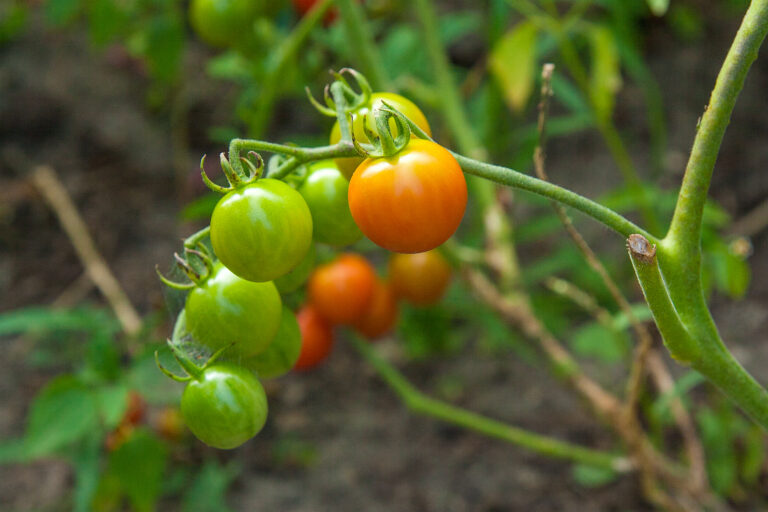
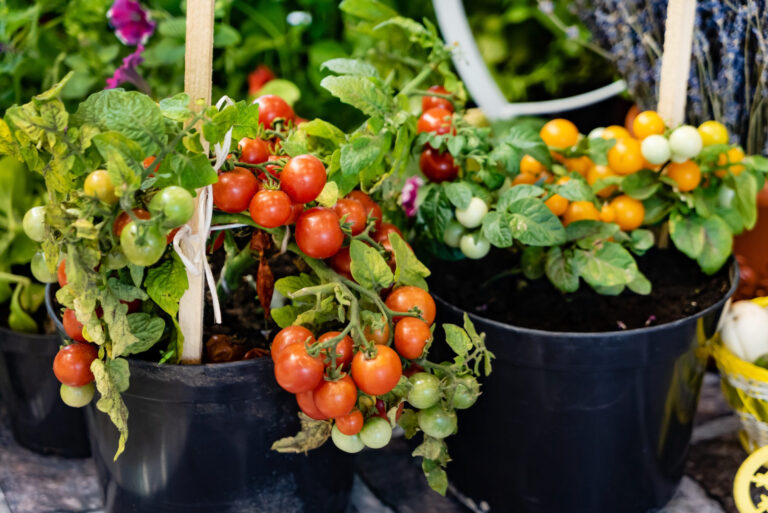
Tomatoes, peppers, and cucumbers can double their water use during hot spells. Containers simply can’t buffer that demand without help.
🔧 How to Fix Container Soil That Dries Out Too Fast
1. Upgrade container size (biggest improvement)
If you only do one thing, do this.
- Tomatoes: 10–20 gallons
- Peppers: 5–10 gallons
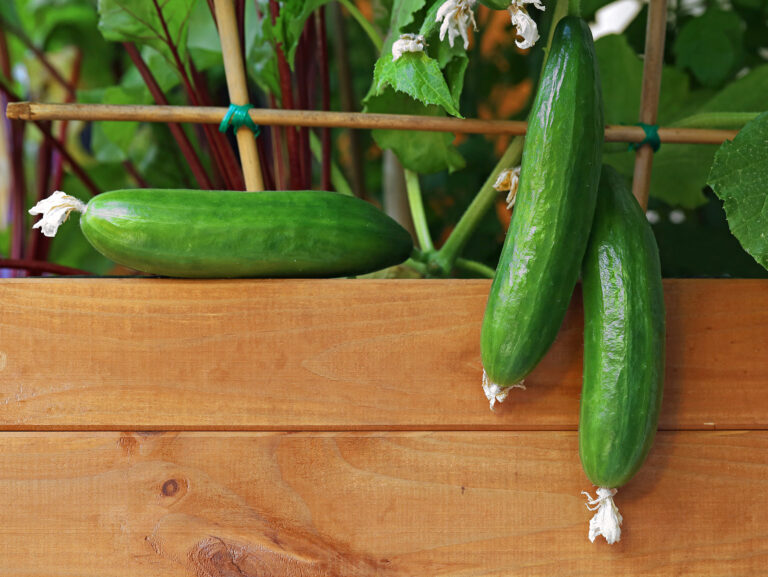
- Cucumbers: 10+ gallons
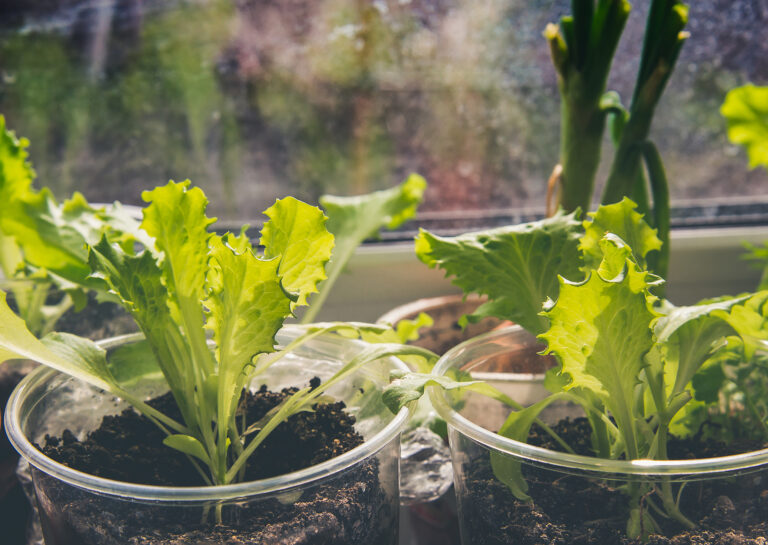
- Lettuce: 2–5 gallons
👉 Fabric pots like these large breathable grow bags help stabilize moisture while keeping roots healthy.
2. Build a better moisture-holding soil mix
A standard mix often dries too quickly in hot climates.
Try this proven blend:
- 60% quality potting mix
- 20% compost
- 10% coconut coir
- 10% perlite or pumice
👉 Coconut coir is especially helpful. A simple option is compressed coconut coir bricks that expand when soaked.
Read more at: Best Potting Soil Mix for Container Vegetables
3. Add mulch on top (huge difference)
A 1–2 inch mulch layer reduces evaporation dramatically.
Good mulch options:
- Straw
- Bark
- Shredded leaves
Even a thin layer can reduce watering frequency by 30–50%.
4. Use self-watering containers
These are one of the most effective upgrades for container gardeners.
They provide consistent moisture from below instead of cycling between wet and dry soil.
👉 Look for self-watering vegetable planters with reservoir systems or SIP (sub-irrigated planters).
Read more at: Best Self-Watering Containers for Vegetables
5. Group containers together
Grouping pots creates a shared microclimate:
- Less wind exposure
- More humidity
- Slower evaporation
Think of it as building a mini-garden ecosystem instead of isolated pots.
6. Water deeply, not lightly
Shallow watering creates shallow roots—and shallow roots dry out faster.
Instead:
- Water until it drains from the bottom
- Wait a few minutes
- Water again if soil is very dry
This ensures full root-zone hydration.
Read more: How Often to Water Container Vegetables (A Simple Guide)
7. Improve pot material choices
Some containers naturally retain moisture better:
Better options:
- Thick plastic (light-colored)
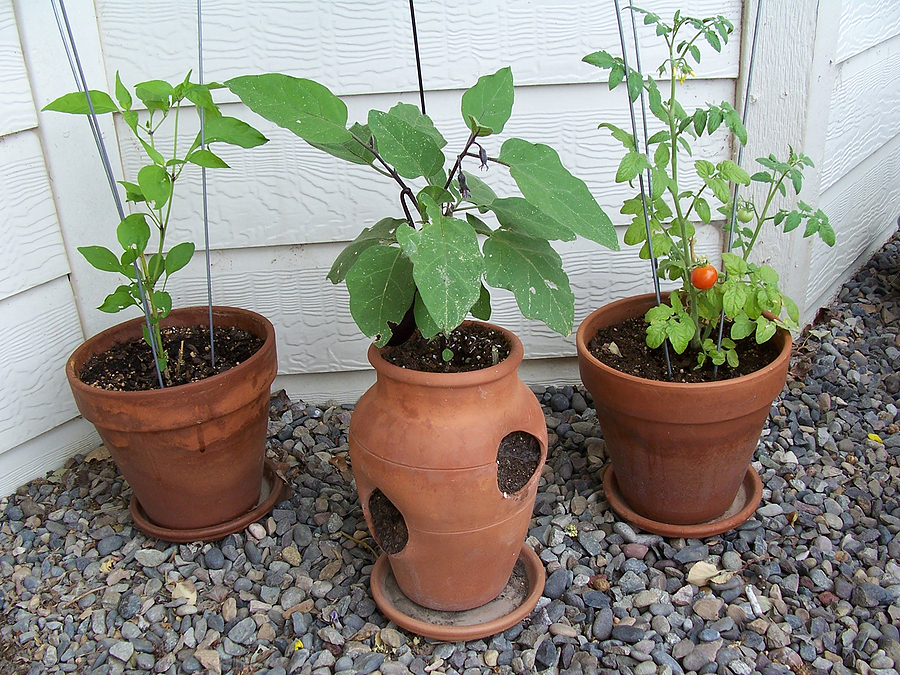
- Glazed ceramic
- Fabric grow bags (balanced moisture + airflow)
Avoid:
- Thin black plastic in full sun
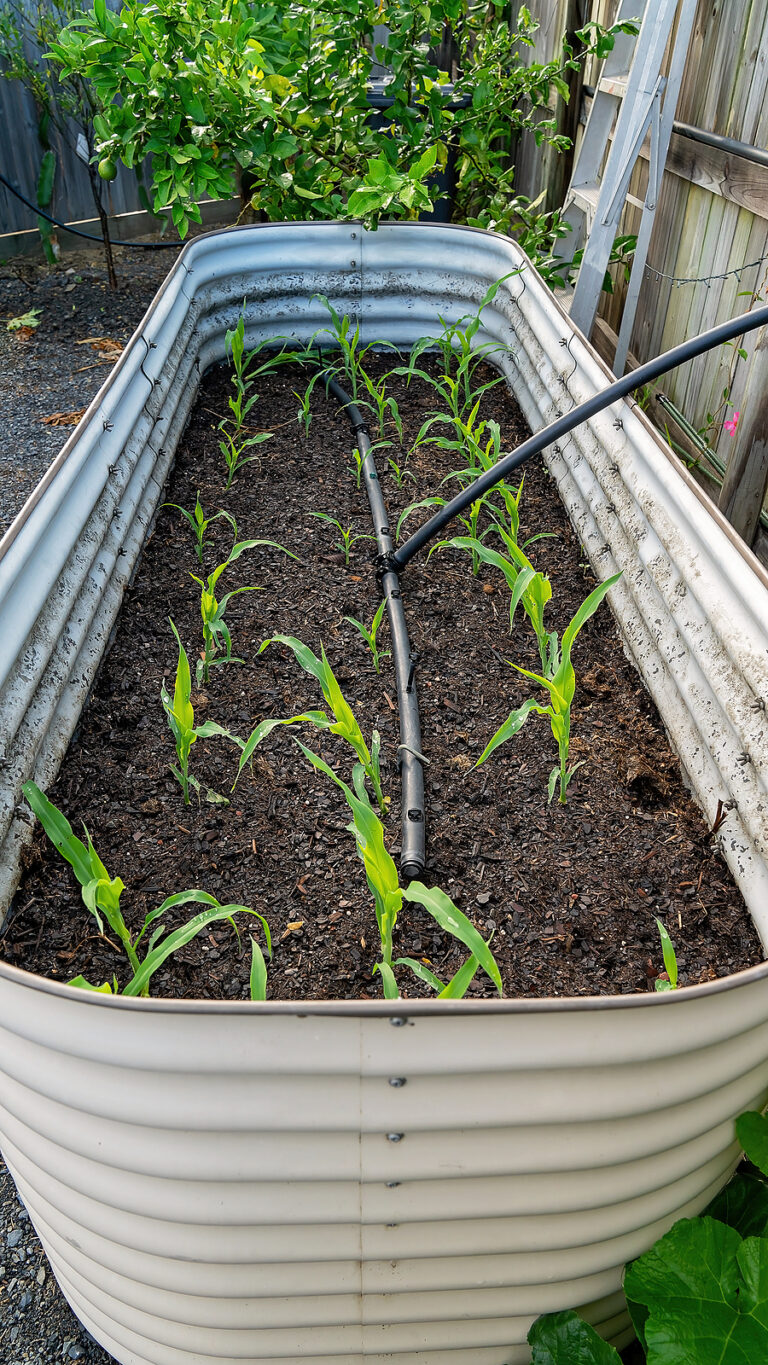
- Metal containers in hot weather
My Experience
Over the many years I have been container growing in warm climates like the Sonoma Valley, I’ve found the most consistent issue is not watering frequency—it’s container size and soil structure mismatch. When plants dry out too quickly, it almost always comes down to three factors:
- too little soil volume
- too much heat exposure
- soil that drains too fast
Fix those and everything improves.
Extension research consistently shows container-grown plants require more frequent irrigation due to limited soil volume and higher evaporation rates compared to in-ground systems. These recommendations are practical, field-tested, and designed for home gardeners—not just theory. Small adjustments produce immediate results.
❓ Q&A: Container Soil Drying Problems
Why do my containers dry out even after deep watering?
Because water is either draining too quickly or evaporating too fast due to heat and wind.
Fix: improve soil mix + add mulch + increase container size.
Is daily watering normal for containers?
In peak summer, yes—but it often signals a system problem, not a plant problem.
Do fabric pots dry out faster?
Slightly—but they often grow healthier plants. With mulch and proper sizing, they perform extremely well.
Should I put rocks in the bottom of pots?
No. It reduces usable root space and does not improve drainage.
What is the fastest fix for wilting container plants?
- Move to larger pot
- Add mulch immediately
- Water deeply twice
- Improve soil with compost or coir
🌿 Final Takeaway
Container plants dry out quickly because they live in a system designed for drainage and airflow—not moisture stability.
Once you:
- increase soil volume
- improve soil structure
- reduce evaporation
…your watering routine becomes predictable instead of stressful.