Liquid vs Granular Fertilizer (What Works Best?)

Which Type Grows Healthier, More Productive Plants?
Choosing between liquid and granular fertilizer isn’t just a preference—it directly affects plant growth, yield, and how much time you spend maintaining your garden.
After 30+ years of growing vegetables in California (from the Central Valley to raised beds and containers in Sonoma Valley), I’ve used both extensively. The truth is: each type works best in different situations.
This guide breaks it down clearly so you can choose the right fertilizer—and get better results fast.
Know What to Plant This Week
Every week I answer the gardener's most important question: what should I plant now? Get seasonal planting advice free — or go Pro for my full Soil Temperature Garden Report, with soil temperature, moisture, weather trends, and crop-by-crop recommendations.
Quick Answer (For Buyers Ready to Decide)
- Use liquid fertilizer if you want: fast results, quick correction of problems, and maximum growth during peak season
- Use granular fertilizer if you want: slow, steady feeding with less maintenance
👉 For best results, most experienced gardeners use both together. See this post Best Fertilizers for Container Vegetables (Complete Guide for Healthy, High-Yield Plants).
Liquid vs Granular Fertilizer: Key Differences
| Feature | Liquid Fertilizer | Granular Fertilizer |
|---|---|---|
| Speed | Fast-acting | Slow-release |
| Application | Mixed with water | Applied to soil |
| Feeding Duration | Short-term | Long-term |
| Control | Precise | Less precise |
| Maintenance | Frequent | Infrequent |
| Risk of Overfeeding | Higher | Lower |
What Is Liquid Fertilizer?
Liquid fertilizers are nutrients dissolved in water and applied directly to the soil or leaves.
Pros of Liquid Fertilizer
1. Fast Results (Best for Problem Solving)
Nutrients are immediately available.
- Corrects deficiencies quickly
- Boosts growth during flowering and fruiting
👉 If your plants are struggling, this is the fastest fix—especially when growing in containers (see Container Garden Fertilizer Schedule (When and How to Feed for Strong Growth).
2. Precise Feeding Control
You control:
- Strength
- Frequency
- Timing
This makes liquid fertilizer ideal for:
- Tomatoes
- Peppers
- Heavy-feeding crops
👉 Especially effective when paired with consistent watering—see How Often to Water Container Vegetables and How Often to Water Vegetable Gardens in Spring (A Practical Guide That Works).
3. Great for Container Gardening
Nutrients wash out of containers quickly.
- Liquid feeding replaces lost nutrients
- Keeps plants productive
👉 Works best when used with Best Potting Soil Mix for Containers.
Cons of Liquid Fertilizer
- Requires frequent application (weekly or biweekly)
- Easier to overfeed plants
- More hands-on effort
What Is Granular Fertilizer?
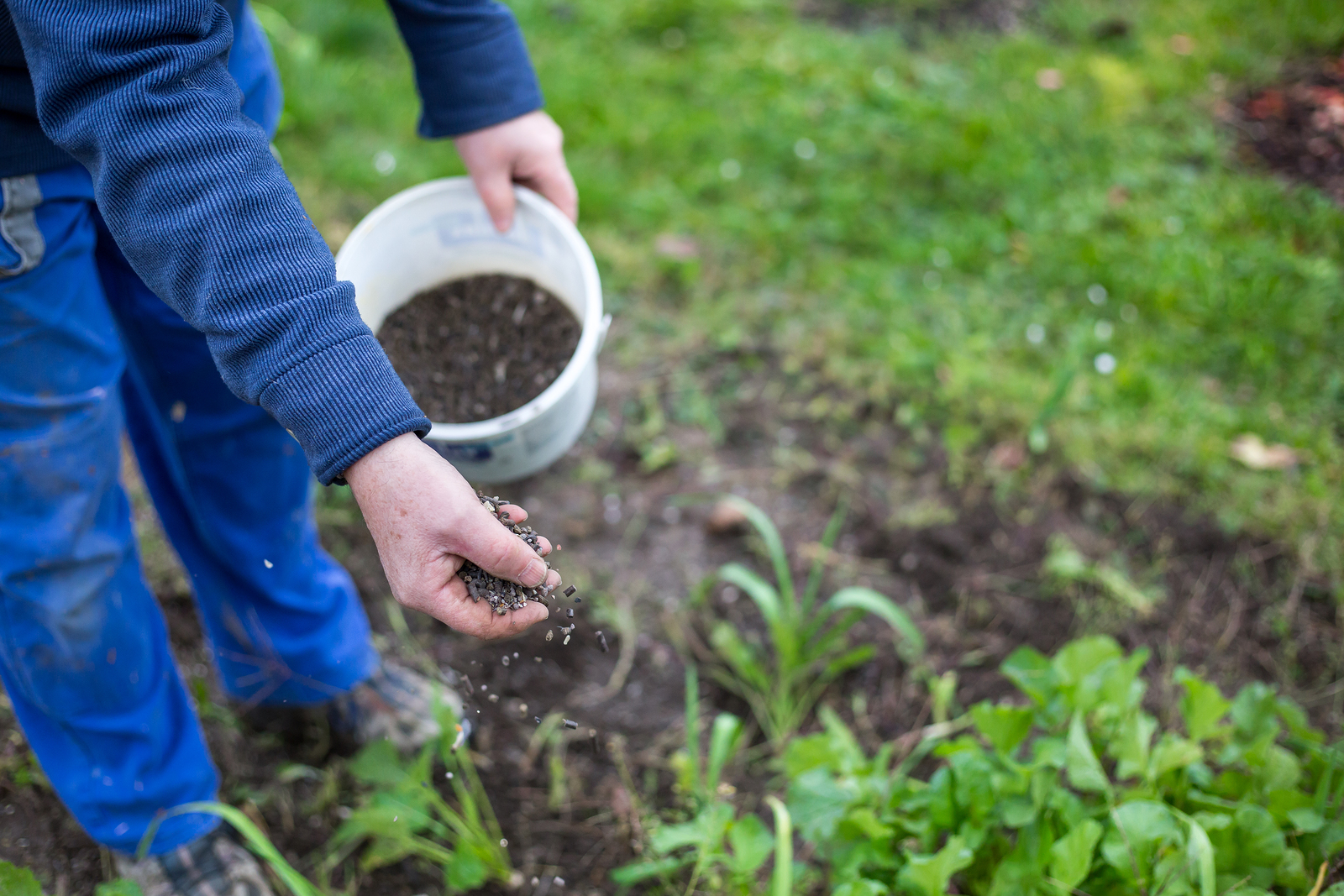
Granular fertilizers are dry pellets applied to the soil that release nutrients over time.
Pros of Granular Fertilizer
1. Slow, Steady Feeding (Low Maintenance)
- Feeds plants for weeks or months
- Reduces need for constant fertilizing
👉 Ideal for busy gardeners or large gardens.
2. Lower Risk of Overfeeding
Nutrients release gradually.
- Less chance of burning plants
- More forgiving for beginners
3. Better for In-Ground and Large Containers
- Builds long-term soil fertility
- Supports steady plant growth
Cons of Granular Fertilizer
- Slower to show results
- Harder to correct deficiencies quickly
- Requires watering to activate
What Works Best? (Real-World Answer)
After decades of growing vegetables, here’s what consistently works best:
Use Both (The Pro Strategy)
- Granular fertilizer at planting → builds a nutrient foundation
- Liquid fertilizer during growth → boosts performance and yield
👉 This combination delivers:
- Strong early growth
- Continuous feeding
- Higher yields
Best Use Cases
Use Liquid Fertilizer For:
- Tomatoes and peppers
- Container vegetables
- Fixing yellow leaves or slow growth
- Boosting flowering and fruiting
👉 Especially effective when following How to Grow Peppers in Containers.
Use Granular Fertilizer For:
- Raised beds and in-ground gardens
- Long-season crops
- Low-maintenance feeding
My Proven Fertilizer System
In my Sonoma Valley garden:
- I start with granular fertilizer mixed into the soil at planting
- I switch to liquid feeding every 1–2 weeks once plants begin active growth
- I increase feeding during flowering and fruiting
This system consistently produces:
- Strong plants
- Steady growth
- High yields
👉 Combined with proper watering and soil, this approach works every season.
Buyer’s Picks (High-Converting Recommendations)
Best Liquid Fertilizers
- FoxFarm Big Bloom Liquid Fertilizer
✔ Gentle, organic formula
✔ Great for vegetables - General Hydroponics Flora Series (3-Part System)
✔ Highly customizable feeding
✔ Excellent for advanced growers
Best Granular Fertilizers
- Espoma Garden-tone Organic Fertilizer
✔ Slow-release organic nutrients
✔ Ideal for vegetables - Osmocote Smart-Release Plant Food
✔ Feeds for months
✔ Very low maintenance
Common Mistakes to Avoid
1. Using Only One Type
This limits plant performance.
👉 The best results come from combining both.
2. Overfeeding with Liquid Fertilizer
More is not better.
- Causes salt buildup
- Damages roots
3. Not Watering After Granular Application
Granular fertilizer must be activated with water.
4. Ignoring Soil Quality
Fertilizer can’t fix poor soil.
👉 Always start with Best Potting Soil Mix for Containers.
Frequently Asked Questions
Is liquid fertilizer better than granular?
Not necessarily. Liquid is faster; granular is longer-lasting. Using both is best.
How often should I use liquid fertilizer?
Typically every 1–2 weeks during active growth.
Can I mix liquid and granular fertilizers?
Yes—and you should. This creates a complete feeding system.
Which is better for tomatoes?
Both. Use granular at planting and liquid during growth.
👉 See How to Grow Tomatoes in Containers (Step-by-Step) for a full feeding strategy.
What’s best for beginners?
Start with granular fertilizer, then add liquid feeding once plants are established.
Final Verdict
- Best for fast results: Liquid fertilizer
- Best for low maintenance: Granular fertilizer
- Best overall strategy: Use both together
👉 If you want bigger harvests and healthier plants, combine steady feeding with targeted boosts.