Organic Vegetable Nutrient Management: When and How to Feed Crops for Strong, Productive Growth

Healthy vegetable gardens are not just planted—they are fed in rhythm with plant growth, soil biology, and seasonal temperature changes. Organic nutrient management focuses less on forcing growth with synthetic inputs and more on building long-term soil fertility that supports steady, resilient plant development.
Instead of “feeding plants,” organic gardeners really feed the soil. The soil biology then makes nutrients available when plants need them most.
After more than 30 years of gardening in raised beds, mounded rows, and containers in Sonoma Valley, I’ve learned that timing nutrient inputs is just as important as what you apply. Crops do not need heavy feeding at all stages. They need the right nutrients at the right growth phases.
Understanding when plants are actively building roots, leaves, flowers, and fruit helps you match organic inputs to natural growth cycles.
Know What to Plant This Week
Every week I answer the gardener's most important question: what should I plant now? Get seasonal planting advice free — or go Pro for my full Soil Temperature Garden Report, with soil temperature, moisture, weather trends, and crop-by-crop recommendations.
The Organic Nutrient Approach
Organic nutrient management relies on:
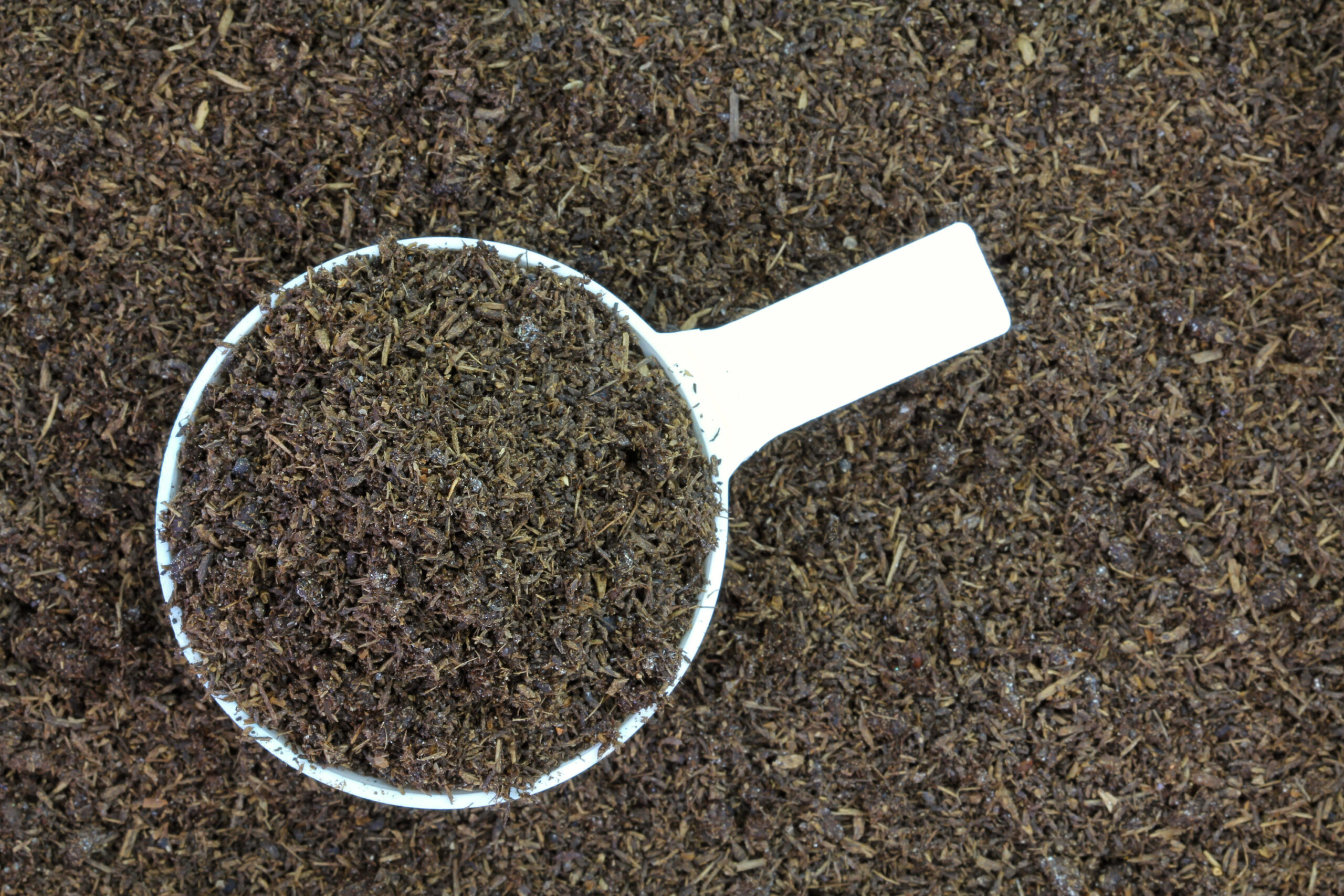
- compost
- aged manure
- worm castings
- cover crops
- mulch decomposition
- liquid organic feeds (fish emulsion, kelp, compost tea)
- living soil biology
Rather than quick-release feeding, organic systems build fertility gradually and continuously.
The Key Principle: Feed the Growth Stage, Not the Calendar
Vegetable crops follow predictable growth phases:
- establishment (roots)
- vegetative growth (leaves and stems)
- flowering
- fruiting
- late-season maintenance
Each stage has different nutrient needs.
🌱 Early Growth Stage: Root Establishment (0–3 weeks after planting)
At this stage, plants are building root systems, not top growth. Excess nitrogen can actually slow establishment or cause weak, leggy growth.
Best Organic Nutrient Practices
- light compost incorporation at planting
- small amount of balanced organic fertilizer (low N)
- mycorrhizal inoculants (optional but helpful)
- consistent moisture for microbial activation
Crops in This Stage
- transplants: tomatoes, peppers, eggplant, basil
- direct sown crops: beans, cucumbers, squash (early germination stage)
- cool-season greens just emerging
Experience Insight
In my garden, I avoid heavy feeding during early establishment. Strong root systems form better when plants are not pushed into excessive leafy growth too soon.
🌿 Vegetative Growth Stage: Leaf and Stem Development
This is the most active growth phase for most vegetables. Plants are building structure and preparing for flowering or fruiting.
Best Organic Nutrient Practices
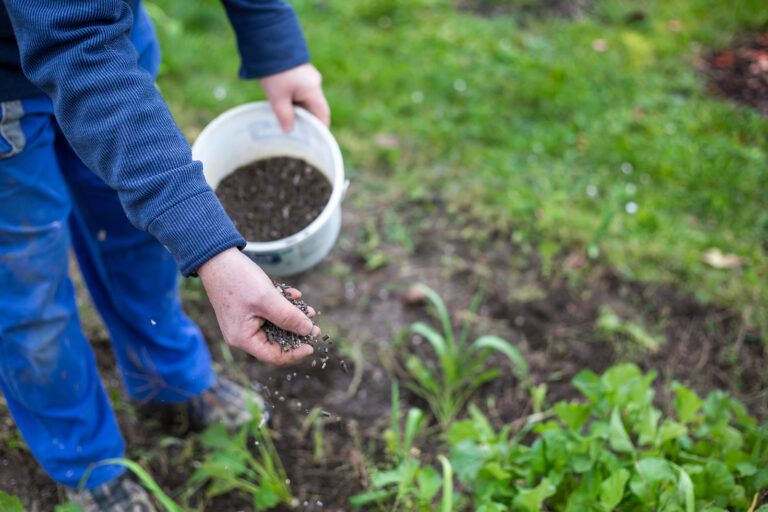
- side-dress compost every 3–4 weeks
- apply fish emulsion or liquid kelp every 10–14 days (lightly)
- maintain thick mulch for slow nutrient release
- use compost tea occasionally for microbial support
Crops in Vegetative Stage
- tomatoes (pre-flowering)
- peppers
- cucumbers
- squash
- corn
- basil
- leafy greens (lettuce, spinach, kale, chard)
Key Nutrient Focus
- nitrogen for leafy growth
- calcium for structural strength
- trace minerals for balanced development
🌸 Flowering Stage: Transition to Reproduction
Once plants begin flowering, nutrient needs shift. Excess nitrogen can reduce flowering and delay fruit set.
Best Organic Nutrient Practices
- reduce high-nitrogen inputs
- add bone meal or rock phosphate (phosphorus support)
- use kelp meal for micronutrients
- maintain steady moisture for pollination success
Crops in Flowering Stage
- tomatoes
- cucumbers
- squash and zucchini
- beans
- peppers
Experience Insight
I’ve seen many gardens delay fruiting because plants were overfed with nitrogen during flowering. Once flowers appear, balance becomes more important than growth speed.
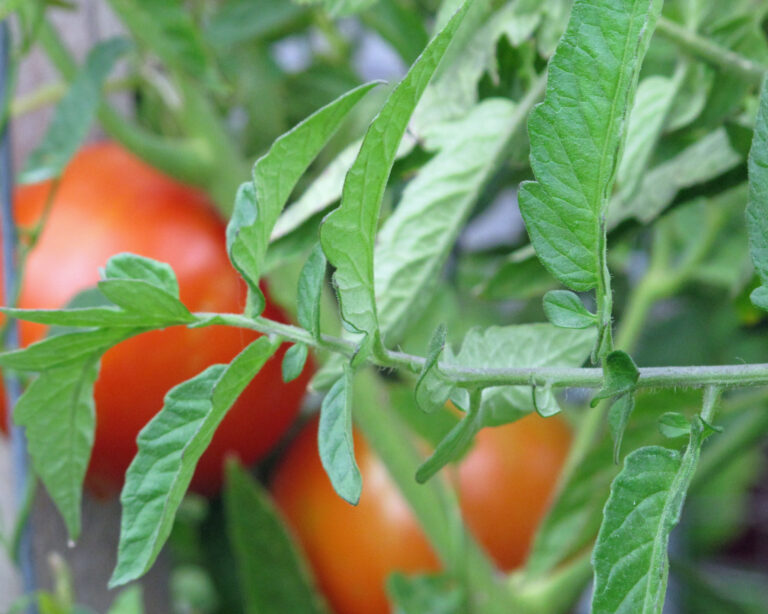
🍅 Fruiting Stage: Harvest Production
This is when plants are actively producing vegetables and require steady, balanced nutrients—not heavy feeding.
Best Organic Nutrient Practices
- light compost side-dressing every 3–4 weeks
- diluted fish emulsion every 2–3 weeks if needed
- consistent mulch to regulate soil temperature
- occasional kelp tea for micronutrient support
Crops in Fruiting Stage
- tomatoes (heavy feeders at this stage)
- peppers
- cucumbers
- squash
- beans
- eggplant
- melons
Key Nutrient Focus
- potassium for fruit development
- calcium to prevent disorders (like blossom end rot)
- trace minerals for flavor and yield quality
🌿 Mid to Late Season Maintenance Stage
As plants age, nutrient demand shifts toward maintaining productivity rather than pushing new growth.
Best Organic Nutrient Practices
- compost refresh mid-season
- mulch replenishment for slow nutrient cycling
- light liquid feeding only if plants show decline
- avoid overfeeding late-season crops
Crops in Maintenance Stage
- tomatoes late in season
- cucumbers slowing down
- peppers continuing steady production
- squash nearing end of cycle
Experience Insight
Late-season overfeeding often produces lush leaves but poor fruit quality. At this stage, stability matters more than stimulation.
🥬 Nutrient Needs by Crop Type
Heavy Feeders
- tomatoes
- corn
- squash
- cucumbers
- melons
Moderate Feeders
- peppers
- eggplant
- beans
- broccoli
- cabbage
Light Feeders
- carrots
- radishes
- lettuce
- spinach
- herbs
🌱 Organic Soil-Building Over Time
Long-term nutrient management is not about individual feedings. It is about building living soil.
Key Practices
- annual compost additions
- cover cropping in fall or winter
- leaving roots in soil when possible
- maintaining continuous mulch cover
- rotating crop families
In my Sonoma Valley garden, I rely heavily on compost and mulch cycles rather than frequent fertilizer applications. Over time, this builds a self-regulating soil system that feeds plants naturally.
My Experience With Nutrient Timing
After decades of growing vegetables year-round, I’ve found that timing is everything. Early overfeeding leads to weak structure, mid-season balance supports steady production, and late-season restraint improves fruit quality.
The most productive gardens I’ve grown are not the ones with the most fertilizer—they are the ones with the most consistent soil biology and the most thoughtful timing.
Organic nutrient management works best when it follows the natural rhythm of plant growth and soil temperature.
Final Thought
Feeding a vegetable garden organically is not about applying nutrients constantly. It is about understanding plant growth stages and supporting each phase appropriately.
When gardeners align compost, mulch, and organic feeds with root development, vegetative growth, flowering, and fruiting stages, they create healthier plants, stronger harvests, and more resilient soil systems that improve year after year.