Best Containers for Growing Tomatoes (Size, Material, Drainage)

Choose the Right Pot for Bigger, Healthier Tomato Harvests
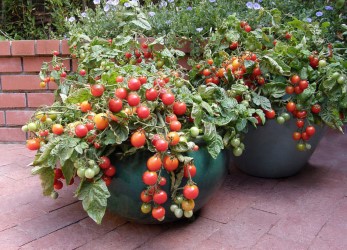
Tomatoes are one of the most rewarding crops to grow in containers—but they’re also one of the easiest to get wrong if you choose the wrong pot.
After 30+ years of growing tomatoes in California (from the Central Valley to Sonoma Valley), I can tell you this: container choice directly affects yield, plant health, and how often you’ll need to water.
This guide breaks down exactly what works—so you can choose the best container and avoid the most common (and costly) mistakes.
Know What to Plant This Week
Every week I answer the gardener's most important question: what should I plant now? Get seasonal planting advice free — or go Pro for my full Soil Temperature Garden Report, with soil temperature, moisture, weather trends, and crop-by-crop recommendations.
Quick Answer (For Buyers Ready to Choose)
- Best size: 10–20 gallon containers (minimum 5 gallons for small varieties)
- Best material: Fabric grow bags for performance, plastic pots for low maintenance
- Most important feature: Excellent drainage (non-negotiable)
👉 If you get these three right, your tomatoes will thrive.
Why Container Choice Matters for Tomatoes
Tomatoes are:
- Heavy feeders
- Deep-rooted
- Sensitive to inconsistent watering
The wrong container leads to:
- Blossom end rot
- Stunted growth
- Low yields
👉 Before choosing a pot, make sure you’re also using the right soil—see Best Potting Soil Mix for Containers.
Best Container Size for Tomatoes
Minimum Sizes by Tomato Type
| Tomato Type | Minimum Size | Ideal Size |
|---|---|---|
| Dwarf / Patio | 3–5 gallons | 5–7 gallons |
| Determinate (Bush) | 5 gallons | 7–10 gallons |
| Indeterminate (Vining) | 10 gallons | 15–20 gallons |
👉 In my garden, I rarely go below 10 gallons—larger containers produce noticeably bigger harvests.
Why Bigger Is Better
- Holds more moisture (fewer watering issues)
- Supports larger root systems
- Buffers temperature swings
👉 If you struggle with watering, read How Often to Water Container Vegetables.
Best Container Materials (Pros and Cons)
1. Fabric Grow Bags (Best Overall Performance)
Why I use them for most tomatoes:
- Air-prune roots → stronger root systems
- Excellent drainage
- Stay cooler in hot weather
Downside:
- Dry out faster (requires consistent watering)
👉 Learn more in Grow Bags vs Plastic Pots (Pros and Cons).
2. Plastic Pots (Best for Low Maintenance)
Advantages:
- Retain moisture longer
- Durable and reusable
- Widely available
Downside:
- Can overheat
- Risk of root circling
👉 These work well if you’re following a consistent routine like How to Grow Tomatoes in Containers (Step-by-Step).
3. Self-Watering Containers (Best for Consistency)
Advantages:
- Built-in reservoir reduces watering frequency
- Helps prevent blossom end rot
- Ideal for busy gardeners
Downside:
- Higher upfront cost
- Must be set up correctly
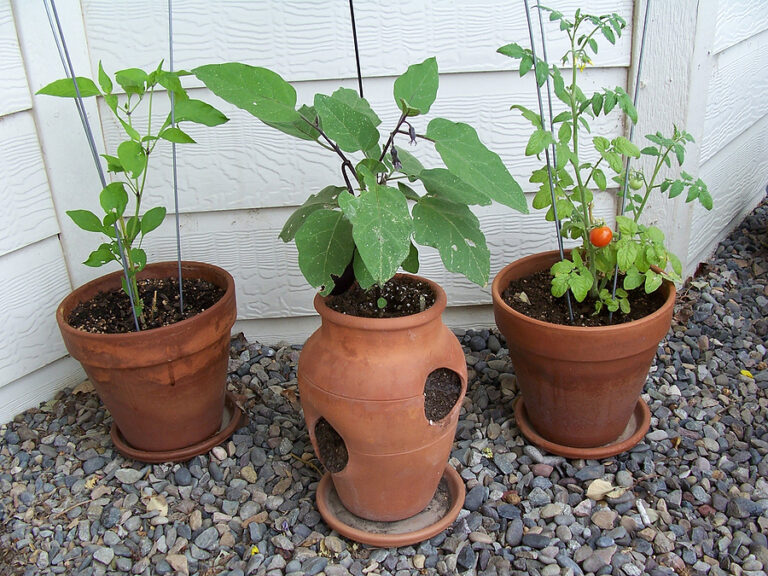
4. Terracotta Pots (Not Ideal for Tomatoes)
- Dry out too quickly
- Limited size options
- Better for herbs than tomatoes
Drainage: The Most Important Factor
If your container doesn’t drain well, nothing else matters.
What Good Drainage Looks Like:
- Multiple holes in the bottom
- Water flows freely (no pooling)
- Soil drains but retains moisture
👉 Poor drainage is a leading cause of disease—especially in container tomatoes.
Pro Tip (From Experience)
I always:
- Add extra holes to plastic pots if needed
- Elevate containers slightly off the ground
- Use a fast-draining mix (see Best Potting Soil MIx for Containers)
Best Container Setup (My Proven System)
After decades of trial and error, here’s what consistently works:
- 10–15 gallon grow bags
- High-quality potting mix
- Drip irrigation or consistent hand watering
- Full sun placement
👉 This setup produces strong plants and high yields year after year.
Buyer’s Picks
Best Grow Bags for Tomatoes
- VIVOSUN 10-Gallon Grow Bags (5-Pack)
✔ Ideal size for most tomatoes
✔ Durable and breathable
✔ Reinforced handles - AC Infinity Fabric Pots (Heavy Duty)
✔ Thicker fabric (longer lifespan)
✔ Excellent drainage and structure
Best Plastic Pots
- Bloem Saturn Planter (10–14 inch)
✔ Good drainage design
✔ Lightweight and durable - Gro Pro 10-Gallon Nursery Pots
✔ Budget-friendly
✔ Great for larger tomato plants
Best Self-Watering Containers
- EarthBox Original Garden Kit
✔ Consistent moisture
✔ High yields with less effort
Common Mistakes to Avoid
1. Using Containers That Are Too Small
Small pots = small plants = small harvests.
2. Poor Drainage
Leads to:
- Root rot
- Fungus
- Weak plants
3. Inconsistent Watering
This causes:
- Blossom end rot
- Cracked fruit
👉 Follow a schedule in How Often to Water Container Vegetables.
4. Cheap Soil
Low-quality soil compacts and drains poorly.
👉 Always start with Best Potting Soil Mix for Containers.
My Real-World Experience
Growing up in California’s Central Valley and now gardening year-round in Sonoma Valley, I’ve grown tomatoes in every type of container you can imagine.
What I’ve learned:
- Container size matters more than anything else
- Grow bags outperform plastic in hot climates
- Consistent watering is the key to success
For my own garden, I rely on:
- 10–15 gallon grow bags for most plants
- Occasional plastic pots for early-season crops
This system has produced reliable, high yields for decades.
Frequently Asked Questions
What size container is best for tomatoes?
10–20 gallons is ideal. Smaller containers limit growth and yield.
Are grow bags better for tomatoes?
Yes—for root health and temperature control. But they require more frequent watering.
Can tomatoes grow in 5-gallon buckets?
Yes, but only for smaller varieties. Larger plants need more space.
How many drainage holes do I need?
At least 4–6 for medium containers. More is better than fewer.
What’s the best setup for beginners?
- 10-gallon container
- High-quality potting mix
- Consistent watering routine
👉 Follow How to Grow Tomatoes in Containers (Step-by-Step) for a complete system.
Final Verdict
- Best overall: 10–15 gallon grow bags
- Best low-maintenance option: Plastic pots
- Best for consistency: Self-watering containers
👉 The bigger the container and the better the drainage, the better your tomatoes will perform.