🪴 Best Self-Watering Containers for Vegetables (Tomatoes, Peppers, Herbs)

🌱 Why self-watering containers change everything
If you’ve struggled to keep container vegetables consistently watered, self-watering containers can make a noticeable difference.
In my experience growing vegetables year-round in containers in Sonoma Valley, the biggest challenge isn’t watering—it’s keeping moisture even. Traditional pots dry out quickly, especially in warm weather, and that leads to cycles of stress that affect growth and yield.
Self-watering containers work by storing water in a reservoir below the soil, allowing roots to draw moisture as needed. When they’re set up correctly, they create a more stable environment—and that stability is what container plants respond to best.
🪴 Quick answer: are self-watering containers worth it?
Yes—especially for:
Know What to Plant This Week
Every week I answer the gardener's most important question: what should I plant now? Get seasonal planting advice free — or go Pro for my full Soil Temperature Garden Report, with soil temperature, moisture, weather trends, and crop-by-crop recommendations.
- tomatoes and other fruiting crops
- peppers and eggplant
- herbs that prefer consistent moisture
- gardeners who can’t water daily
They’re less essential for drought-tolerant crops, but for most vegetables, they reduce stress and improve consistency.
(If watering has been a challenge, it’s worth reviewing How Often to Water Container Vegetables to understand how moisture consistency affects growth.)
🌿 1. How self-watering containers work
Most self-watering systems have three basic parts:
- a water reservoir at the bottom
- a growing chamber above
- a wicking system that draws moisture upward
As the soil dries, it pulls water from below, keeping moisture levels more even than top watering alone.
In practice, I’ve found that this reduces both overwatering and underwatering—two of the most common issues in container gardening.
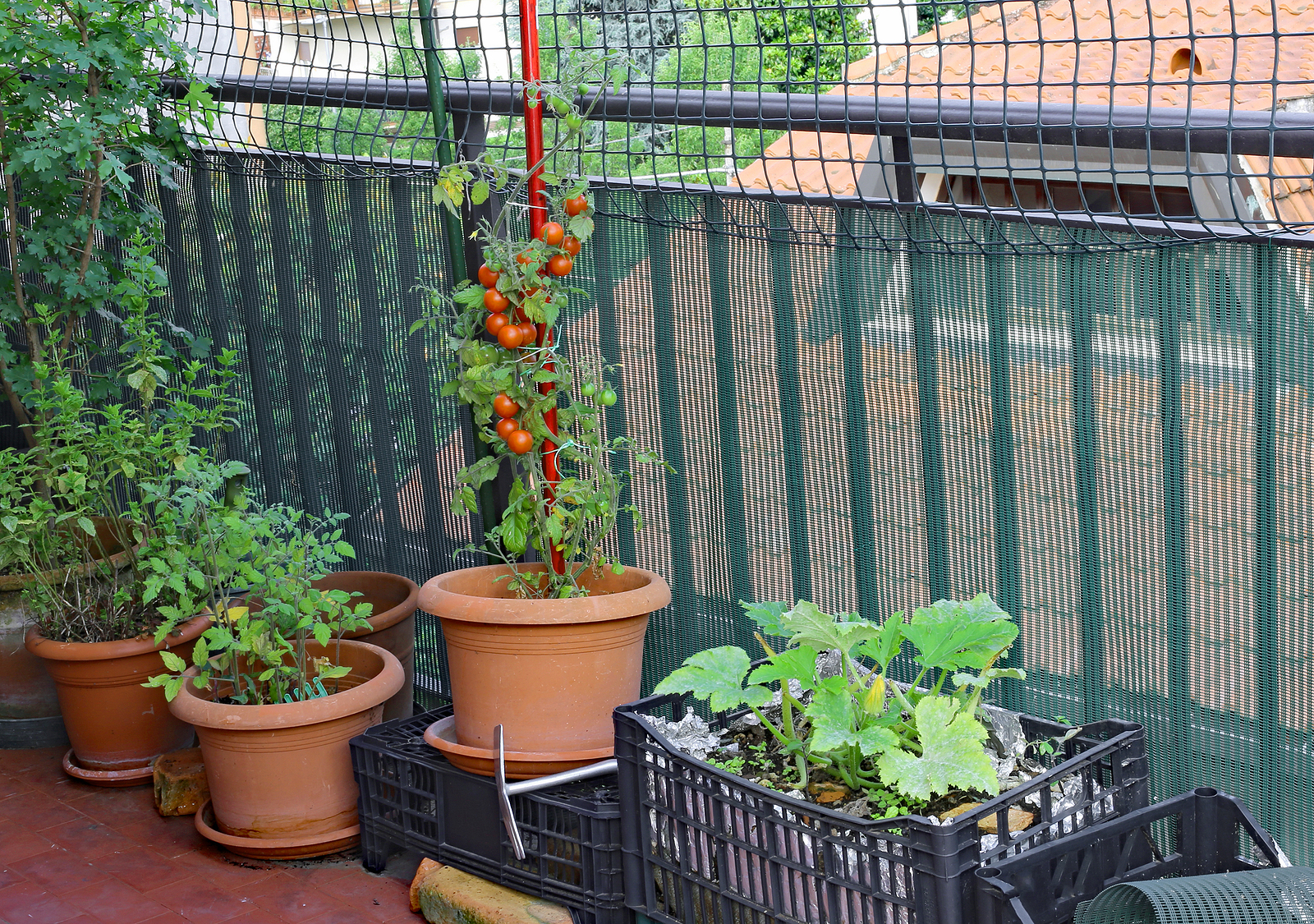
🍅 2. Best self-watering containers for tomatoes
Tomatoes are one of the crops that benefit most from consistent moisture.
Look for:
- at least 10–20 gallons of soil volume
- a large water reservoir
- sturdy support options for staking or cages
In my experience, when tomatoes have steady moisture, you see fewer issues with blossom drop and more consistent fruit development.
Smaller containers tend to fluctuate too much, even with a reservoir.
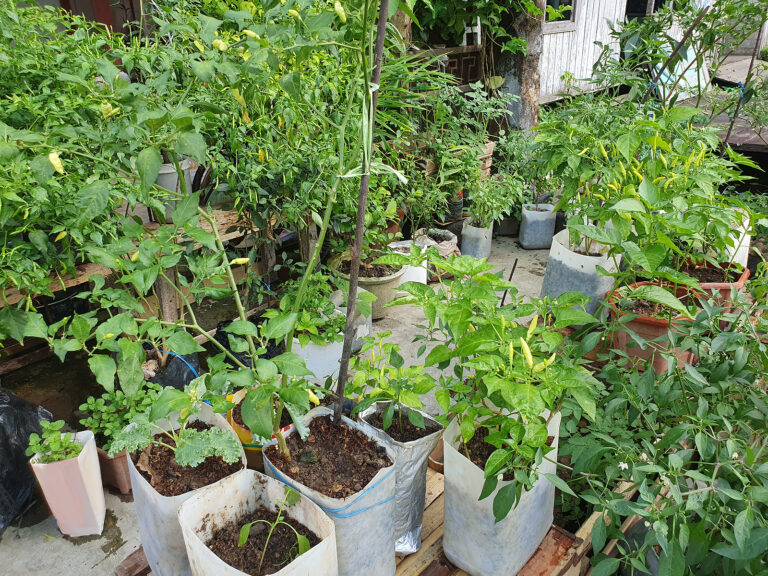
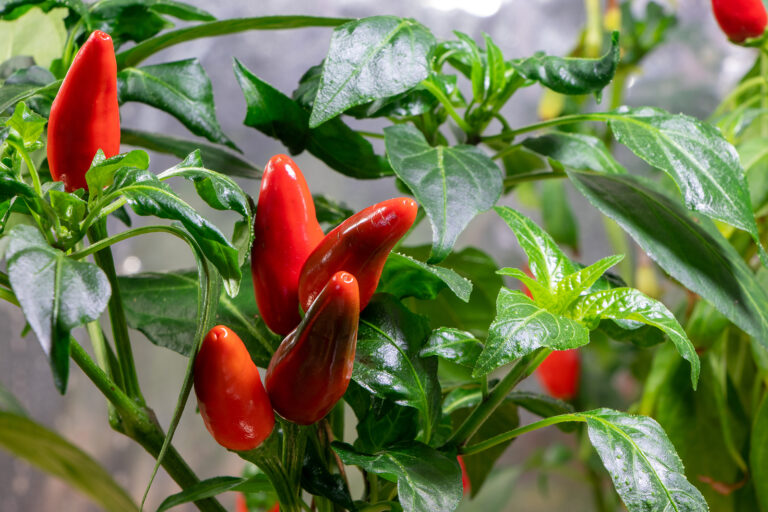
🌶️ 3. Best options for peppers and eggplant
Peppers and eggplant need:
- moderate container size (5–10 gallons)
- good drainage above the reservoir
- consistent—but not overly wet—soil
I’ve found these crops are sensitive to overwatering, so a well-balanced system is important. A container that holds moisture evenly without staying saturated works best.
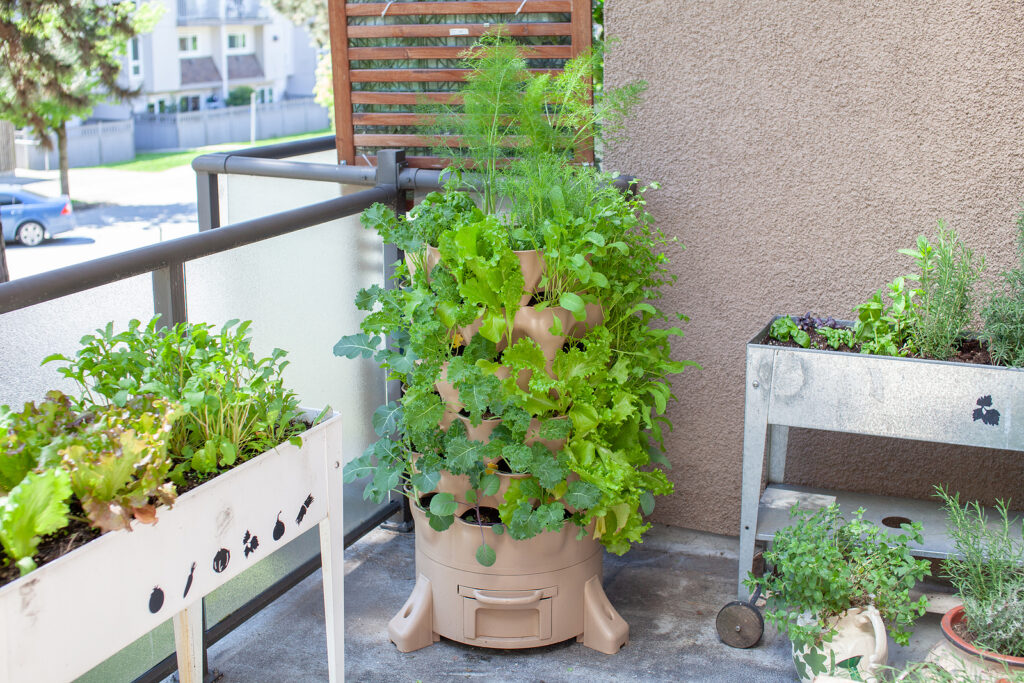
🌿 4. Best self-watering containers for herbs
Herbs vary in their needs:
- Basil, parsley, cilantro → prefer steady moisture
- Rosemary, thyme → prefer drier conditions
For mixed herb planters, I recommend grouping plants with similar water needs. In my garden, separating moisture-loving herbs from drought-tolerant ones leads to better results overall.
🧱 5. What to look for in a good system
Not all self-watering containers perform equally.
Key features to prioritize:
- adequate soil depth for root growth
- a reliable wicking system
- overflow drainage to prevent waterlogging
- easy access to refill the reservoir
Over the years, I’ve learned that the container itself matters less than how well it maintains balance—too much water is just as limiting as too little.
(If plants struggle even in a self-watering system, the issue may be soil—see Best Potting Soil Mix for Container Vegetables.)
💧 6. Common mistakes with self-watering containers
Even good systems can fail if used incorrectly.
Common issues include:
- overfilling the reservoir constantly
- using soil that holds too much water
- not allowing the top layer to dry slightly
In my experience, self-watering containers work best when they’re allowed to cycle naturally—roots need both moisture and oxygen.
Many of the same problems outlined in Why Container Vegetables Fail still apply here, just in a different form.
🌡️ 7. Adjusting for weather and season
Self-watering containers reduce maintenance, but they don’t eliminate it.
In hot weather:
- reservoirs empty faster
- plants may need more frequent refilling
In cooler conditions:
- water use slows
- reservoirs stay full longer
I still check containers regularly, especially during seasonal transitions. The system helps—but observation is still key.
🍅 8. Do self-watering containers increase yields?
In many cases, yes.
The main benefit is not increased feeding or faster growth—it’s reduced stress. When moisture stays consistent:
- plants grow more steadily
- flowering improves
- fruit set becomes more reliable
From my experience, the difference is most noticeable with tomatoes, cucumbers, and peppers—crops that are sensitive to fluctuations.
🔧 Troubleshooting: problem → cause → adjustment
- Soil always wet → poor drainage or overfilling → reduce water level
- Plants still drying out → reservoir too small → refill more often
- Slow growth → depleted nutrients → adjust feeding (see Container Garden Fertilizer Schedule)
- Yellowing leaves → imbalance of water and nutrients
Self-watering containers simplify watering—but they still need a balanced system.
🌿 Advanced observations from experience
Over time, a few things stand out:
- self-watering containers reduce variability—but don’t replace good soil and feeding
- larger systems perform more consistently than small ones
- stability in moisture leads to stability in growth
In other words, these containers work best as part of a complete system—not as a standalone solution.
❓ FAQ
Do I still need to water from the top?
Occasionally, yes—especially early on to establish roots.
Can self-watering containers overwater plants?
Yes—if drainage is poor or reservoirs are constantly overfilled.
Are they good for all vegetables?
Most, but drought-tolerant herbs prefer less moisture.
Do they replace fertilizing?
No—nutrients still need to be replenished regularly.
🌱 What to do next
If watering consistency has been a challenge, self-watering containers can simplify your system and reduce stress on plants.
Start by:
- choosing the right size for your crop
- using a balanced soil mix
- maintaining a steady feeding routine
In my experience, when moisture, soil, and nutrients are working together, container gardening becomes far more predictable—and far more productive.
Before planting, review Container Sizes for Growing Vegetables and Calculating Soil Requirements for Different Container Sizes to avoid common setup mistakes.
To go deeper:
- refine your watering approach in How Often to Water Container Vegetables
- improve your soil mix
- and maintain consistent feeding
That’s where the real gains happen.