How to Grow Bigger Potatoes in Containers (Yield Optimization Guide)

Growing potatoes in containers is one of the most reliable ways to produce a clean, high-quality harvest—but getting bigger potatoes requires more than just planting and watering. Size is a direct result of timing, root space, consistent moisture, and how you manage the plant’s energy.
I’ve grown potatoes for decades in raised beds, mounded rows, and containers here in Sonoma Valley. The difference between a bucket of small tubers and a harvest of large, market-quality potatoes comes down to a handful of controllable factors. Dial these in, and yield—and tuber size—improves dramatically.
Why Container Potatoes Often Stay Small
Most container-grown potatoes underperform for predictable reasons:
- Containers are too small
- Soil dries out too quickly
- Plants are underfed during tuber bulking
- Insufficient hilling limits tuber expansion
- Harvest happens too early
Potatoes don’t size up at the beginning—they bulk up late. If conditions aren’t optimal during that final phase, tubers stall.
Know What to Plant This Week
Every week I answer the gardener's most important question: what should I plant now? Get seasonal planting advice free — or go Pro for my full Soil Temperature Garden Report, with soil temperature, moisture, weather trends, and crop-by-crop recommendations.
Start with the Right Container (This Sets Your Ceiling)
Container size determines your maximum potato size.
Minimum specs for large potatoes:
- 15–20 gallons per plant
- At least 16–18 inches deep
- Wide enough to allow lateral tuber expansion
Best container types:
- Fabric grow bags (best aeration and root health)
- Large nursery pots with drainage
- Half barrels or deep storage bins
My experience: When I moved from 10-gallon pots to 20-gallon grow bags, average tuber size nearly doubled—same varieties, same care.
Choose Varieties That Bulk Up Well
Not all potatoes grow large in containers.
Best choices for size:
- Russets (long-season, large tubers)
- Yukon Gold (reliable size and flavor)
- Kennebec (excellent for containers)
Avoid for size-focused growing:
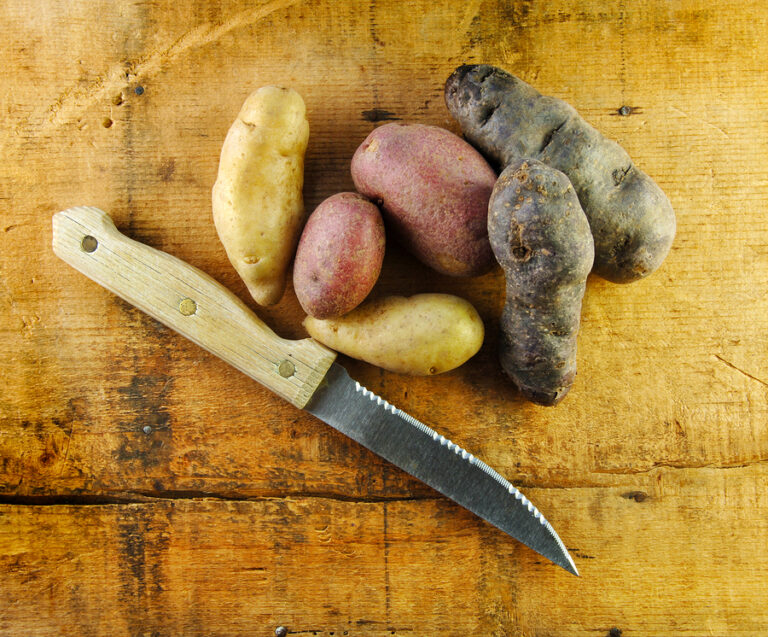
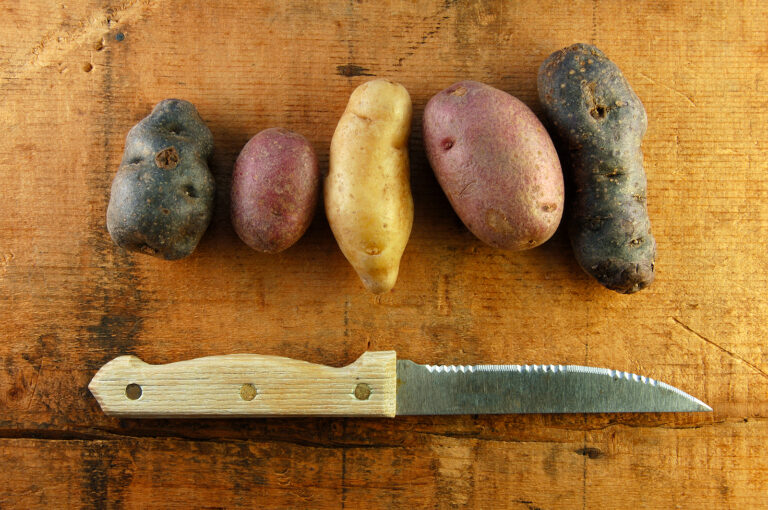
- Fingerlings (naturally small)
- Early baby potato varieties
Soil Mix That Drives Growth (Not Just Survival)
Loose, fertile soil is critical for expansion.
Ideal mix:
- 50% high-quality potting mix
- 25% compost
- 25% aeration material (perlite or coarse sand)
Add at planting:
- Balanced organic fertilizer (slow release)
- Extra phosphorus and potassium for root/tuber development
Why this matters: Dense soil physically restricts tuber expansion. Loose soil allows potatoes to size freely.
Planting Depth and Early Growth Strategy
Start shallow, then build upward.
Step-by-step:
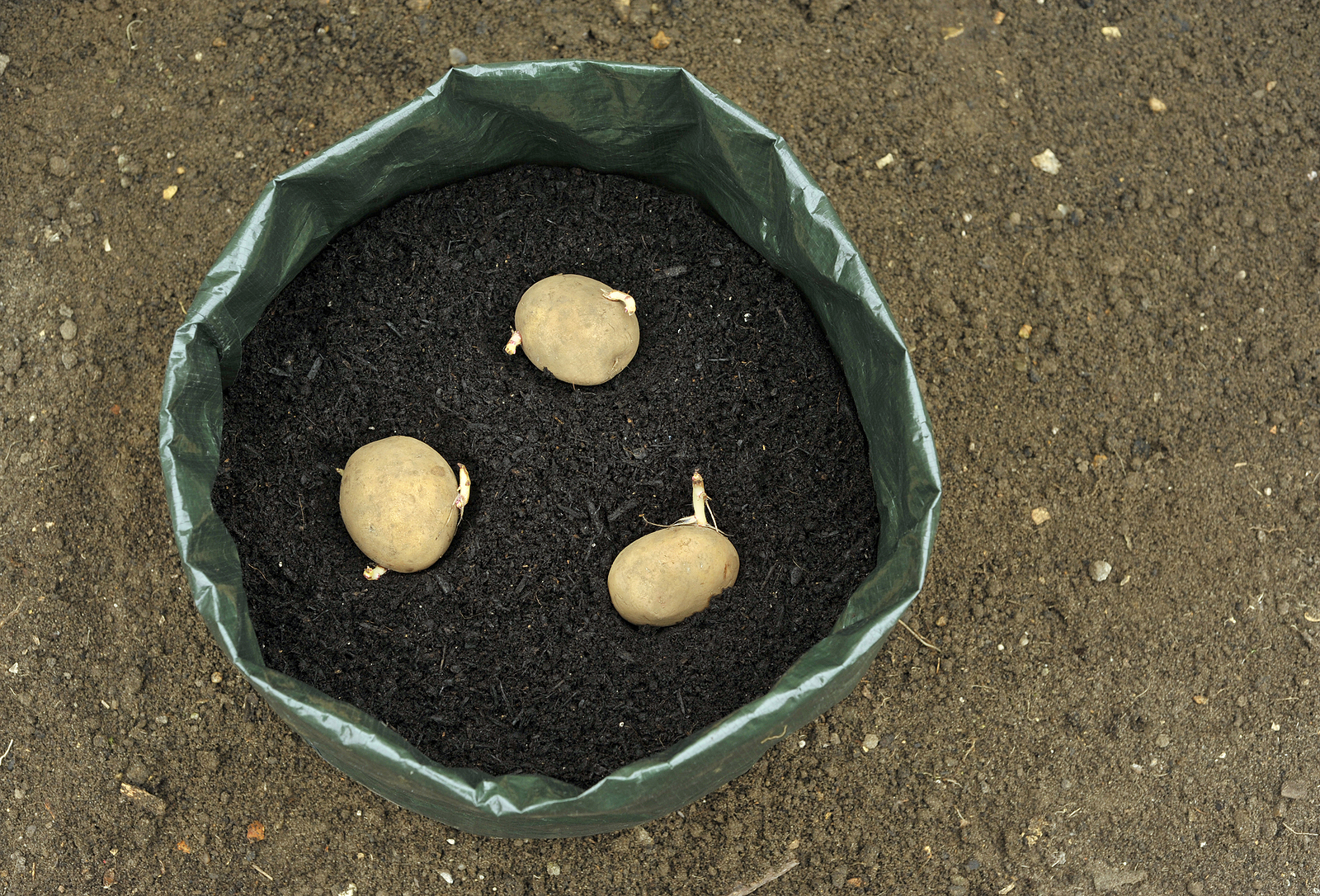
- Add 4–6 inches of soil to the container
- Place seed potatoes (eyes up)
- Cover with 3–4 inches of soil
- Water deeply
As plants grow, you’ll add more soil—that’s where size gains happen.
Aggressive Hilling = Bigger Potatoes
Hilling is the most overlooked yield multiplier.
How to hill properly:
- Add soil every time plants grow 6–8 inches
- Cover stems, leaving top leaves exposed
- Continue until container is full
Why it works:
- Encourages more tuber formation sites
- Increases underground stem length
- Protects developing potatoes from light
My method: I hill more frequently in containers than in-ground—this consistently produces larger tubers.
Watering for Maximum Tuber Size
Inconsistent watering is the fastest way to stunt potatoes.
Golden rule: Keep soil evenly moist—not wet, not dry.
- Water deeply, not lightly
- In warm weather: daily or every other day
- Mulch the surface to reduce evaporation
Critical timing:
Tuber bulking (after flowering) is when water matters most. Even short dry periods during this stage reduce size.
Feeding Schedule for Bigger Potatoes
Potatoes are heavy feeders—but timing matters more than quantity.
Feeding plan:
At planting:
- Balanced fertilizer (e.g., 10-10-10 organic equivalent)
Early growth (leaf stage):
- Light nitrogen boost
Tuber formation (after flowering):
- Switch to low nitrogen, high potassium fertilizer
Why reduce nitrogen later?
Too much nitrogen = lush leaves, small potatoes.
Sunlight: Non-Negotiable for Yield
Potatoes need:
- 6–8+ hours of full sun daily
Less light = less energy = smaller tubers.
If your container garden has partial shade, prioritize your potatoes in the sunniest spot.
When to Harvest for Maximum Size
Timing harvest correctly is crucial.
For large potatoes:
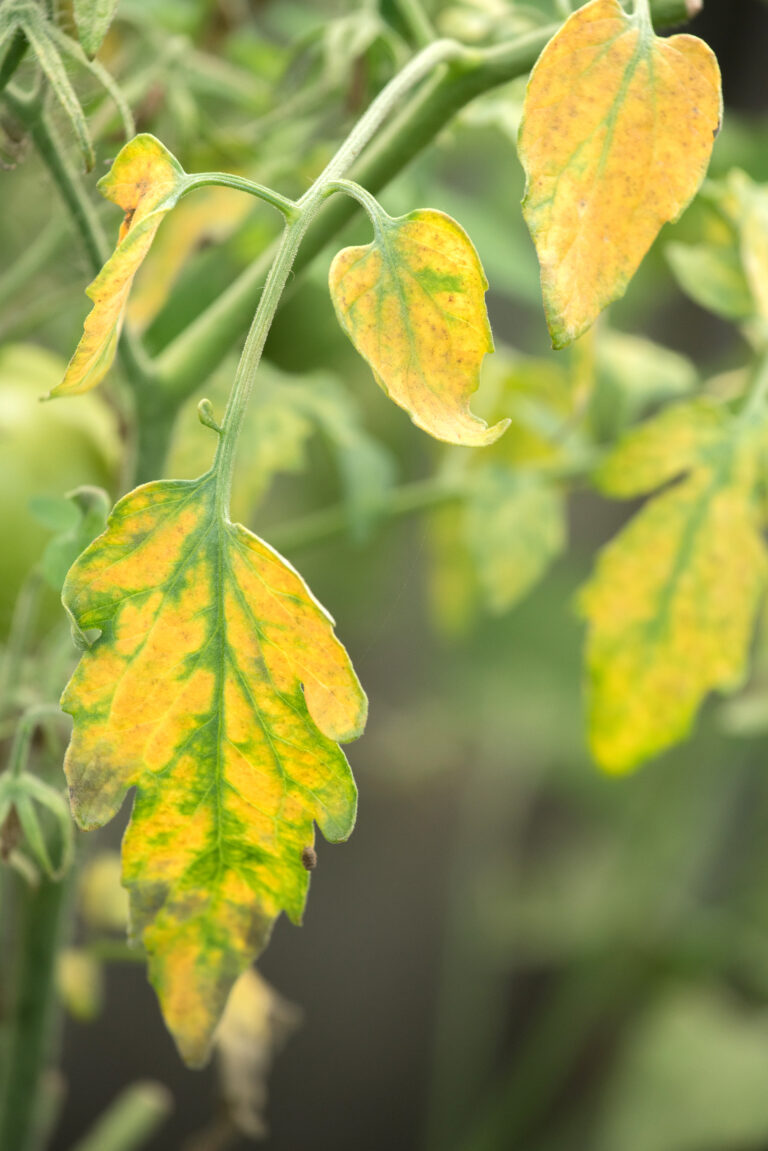
- Wait until plants fully yellow and die back
- Then wait an additional 1–2 weeks before harvesting
Why wait?
- Tubers continue bulking late
- Skins thicken, improving storage
Common mistake: Harvesting when plants are still green → smaller potatoes.
Advanced Yield Optimization (What Most Guides Miss)
These small adjustments can significantly increase tuber size:
1. Limit plants per container
- One plant per 15–20 gallon container
- Overcrowding reduces size
2. Remove early flowers (optional)
- Redirects energy to tubers
- Especially helpful in small containers
3. Rotate containers during season
- Ensures even sun exposure
4. Avoid root disturbance
- Don’t dig or check early—this disrupts tuber growth
Container vs In-Ground: Why Containers Can Win
When managed correctly, containers can outperform in-ground beds:
- Better soil control
- Fewer pests and diseases
- Warmer soil = faster growth
- Precise watering and feeding
In my garden, well-managed containers often produce more uniform, larger potatoes than traditional rows.
Common Mistakes That Reduce Potato Size
Avoid these and you’ll see immediate improvements:
- Using small containers
- Letting soil dry out
- Over-fertilizing with nitrogen
- Skipping hilling
- Harvesting too early
Final Takeaway
Growing bigger potatoes in containers isn’t about doing more—it’s about doing the right things at the right time:
- Give roots room to expand
- Keep moisture consistent
- Hill aggressively
- Feed strategically
- Be patient at harvest
Dial in those five variables, and you’ll consistently harvest large, dense, high-quality potatoes—even in a small space.
Essential Supplies for Growing Bigger Potatoes in Containers
1. Large Fabric Grow Bags (Root Space = Bigger Tubers)
VIVOSUN 20-Gallon Fabric Grow Bags (5-Pack)
Breathable 20-gallon grow bags that improve root aeration and increase potato size potential.
Why it matters:
Container size sets your yield ceiling. Fabric bags improve aeration and prevent root circling—both critical for larger potatoes.
2. Potato-Specific Fertilizer (Higher Potassium = Bigger Tubers)
Organic Potato Fertilizer (4-2-6)
Low-nitrogen, potassium-rich fertilizer formulated specifically to increase potato size and yield.
Why it matters:
Potatoes need less nitrogen, more potassium during bulking. The right ratio directly improves tuber size and density.
3. Organic All-Purpose Fertilizer (Early Growth Foundation)
Espoma Garden-Tone Organic Plant Food (3-4-4)
Balanced organic fertilizer for strong early growth before switching to tuber-focused feeding.
Why it matters:
Strong foliage early = more energy later for tuber development. Just don’t overdo nitrogen after flowering.
4. Certified Seed Potatoes (Yield Starts Here)
Reliable, high-yield seed potatoes known for producing large, uniform tubers in containers.
Why it matters:
Certified seed potatoes outperform grocery store potatoes (which are often treated to prevent sprouting).
5. Soil Amendment / Compost Booster (Structure = Size)
Rich soil mix supports larger tuber development.
Why it matters:
Loose, well-aerated soil allows potatoes to expand freely—compacted soil physically limits size.
Quick Takeaway
If you only recommend three things for bigger potatoes, make it these:
- 20-gallon grow bags
- Low-nitrogen, high-potassium fertilizer
- Certified seed potatoes
Everything else helps—but those three directly control tuber size and yield.