Recovering Your Vegetable Garden After Extreme Heat

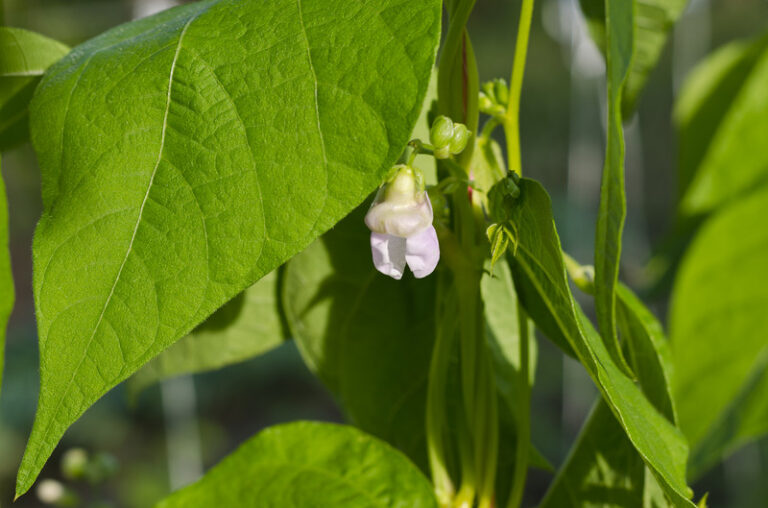
Extreme heat—especially when temperatures stay above 95°F for several days—can leave a vegetable garden looking exhausted. Plants may be wilted, scorched, or completely stopped in their tracks. Tomatoes drop blossoms, beans pause production, lettuce bolts, and even heat-tolerant crops show stress.
But a heat-stressed garden is rarely a dead garden.
In most cases, vegetables are simply recovering from a period of physiological shutdown. Once temperatures moderate and soil moisture is restored, many plants resume growth, produce new flowers, and continue the season.
After more than 30 years of growing vegetables in California’s hot inland valleys and other challenging climates, I’ve learned that post-heat recovery is one of the most important—and most overlooked—parts of summer gardening. What you do in the days immediately following extreme heat can determine whether your garden rebounds quickly or continues to struggle.
Know What to Plant This Week
Every week I answer the gardener's most important question: what should I plant now? Get seasonal planting advice free — or go Pro for my full Soil Temperature Garden Report, with soil temperature, moisture, weather trends, and crop-by-crop recommendations.
Here’s how to guide your vegetable garden back to health after a heat wave.
Step 1: Assess the Real Damage
Before taking action, walk the garden slowly and observe.
Look for:
- Leaves that are scorched or brittle
- Plants that remain wilted in the morning
- Blossom drop on tomatoes, peppers, and beans
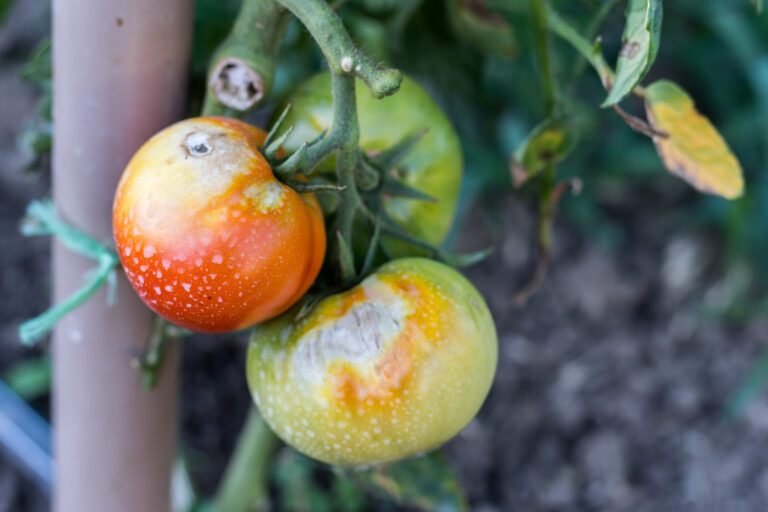
- Sunscald on exposed fruit
- Cracked or damaged vegetables
- Dry or compacted soil
Not all symptoms require intervention. Some are temporary stress responses.
Healthy plants often appear dull but recover quickly once conditions improve.
Step 2: Restore Deep Soil Moisture
The most important recovery step is re-establishing consistent soil moisture.
Heat waves often dry soil deeply, especially in sandy or raised-bed gardens.
Water thoroughly so moisture reaches 8–12 inches deep.
Key principles:
- Water slowly, not quickly
- Avoid daily shallow watering
- Focus on deep root hydration
Deep watering encourages roots to move downward into cooler soil layers, improving recovery speed.
Step 3: Do Not Rush to Prune
It is tempting to remove damaged leaves immediately, but timing matters.
Leaves that appear curled or slightly scorched may still be functional.
Only remove:
- Completely brown or crispy leaves
- Diseased foliage
- Severely sunburned fruit
Healthy foliage continues producing energy that supports recovery.
Excessive pruning can slow regrowth.
Step 4: Harvest Mature Crops
Harvesting reduces plant stress and helps redirect energy toward recovery.
Pick:
- Tomatoes beginning to color
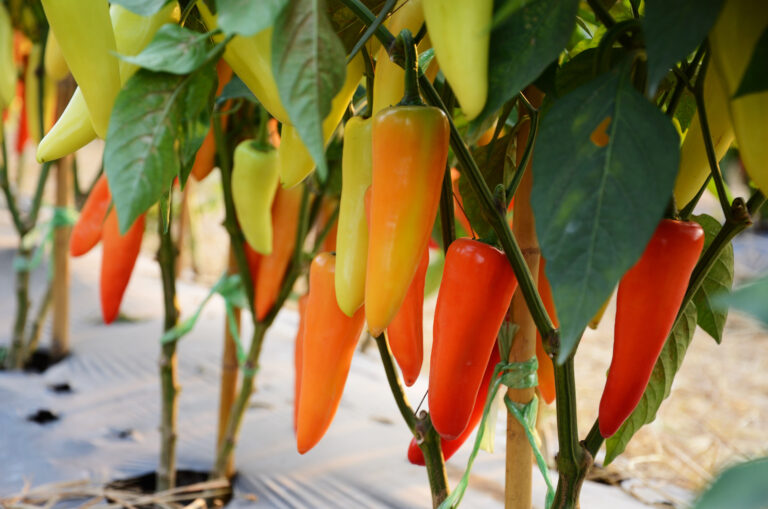
- Mature peppers
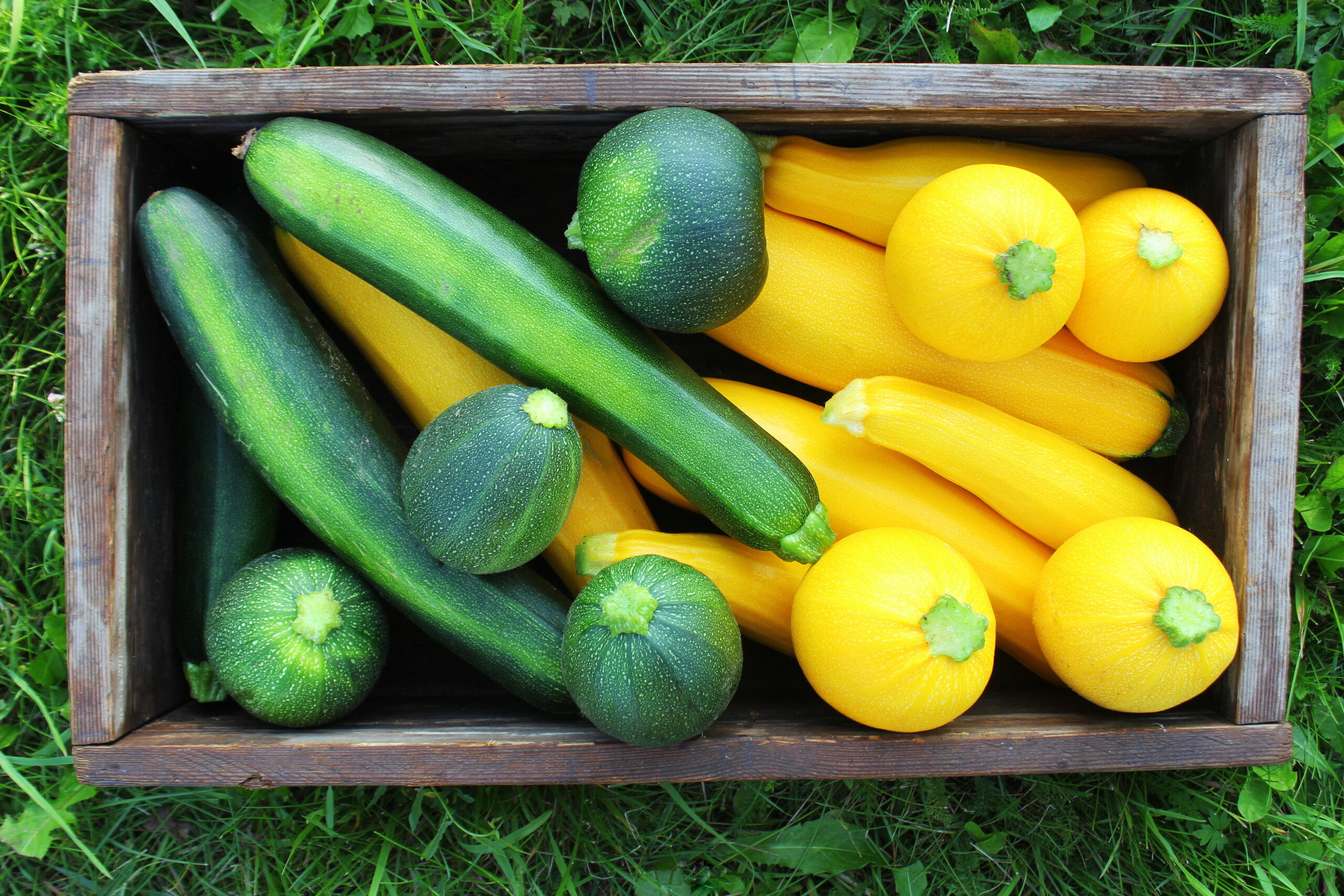
- Cucumbers and squash at usable size
- Beans ready for harvest
- Overripe or damaged fruit
Removing heavy fruit load allows plants to focus on rebuilding roots and foliage.
Step 5: Rebuild Soil Protection
Heat waves often damage mulch layers or expose bare soil.
Restore a 2–4 inch layer of organic mulch such as:
- Straw
- Shredded leaves
- Compost
- Fine wood chips
Mulch helps:
- Stabilize soil temperature
- Reduce evaporation
- Protect recovering roots
Healthy soil recovery depends on stable moisture and temperature.
Step 6: Wait Before Fertilizing
One of the most common mistakes after a heat wave is overfeeding plants.
Stressed vegetables cannot effectively use fertilizer.
Wait until you see:
- New leaf growth
- Fresh flowering
- Upright plant structure
Then apply a light feeding if needed.
Compost tea or a balanced organic fertilizer is usually sufficient.
Step 7: Watch for Delayed Stress Symptoms
Some damage appears days after the heat wave ends.
Monitor for:
- Leaf yellowing
- Wilting that returns after sunset
- Sudden collapse of stems
- Fungal leaf spots
- Continued blossom drop
Early detection prevents long-term decline.
Step 8: Restore Airflow and Spacing
Heat-stressed plants often grow unevenly, creating dense or collapsed areas.
Improve airflow by:
- Removing weeds
- Staking or supporting plants
- Re-spacing containers if needed
- Avoiding overcrowding in recovery beds
Better airflow reduces disease risk during recovery.
Step 9: Continue Shade Protection if Needed
If temperatures remain unpredictable, keep shade cloth available.
Use:
- 30–40% shade for tomatoes, peppers, cucumbers, beans
- 40–50% shade for leafy greens
Do not rush to remove protection if another heat spike is forecast.
Recovery plants are still vulnerable.
Step 10: Be Patient With Regrowth
Vegetables do not recover instantly.
Typical recovery timeline:
- 2–3 days: stabilization
- 5–7 days: new leaf growth
- 7–14 days: resumed flowering in warm-season crops
Cool-season crops may not recover if they have bolted.
Patience is part of recovery management.
Which Vegetables Recover Well?
High recovery potential:
- Tomatoes
- Peppers
- Eggplant
- Beans
- Cucumbers
- Squash
- Okra
These crops often rebound quickly once temperatures moderate.
Moderate recovery:
- Corn
- Basil
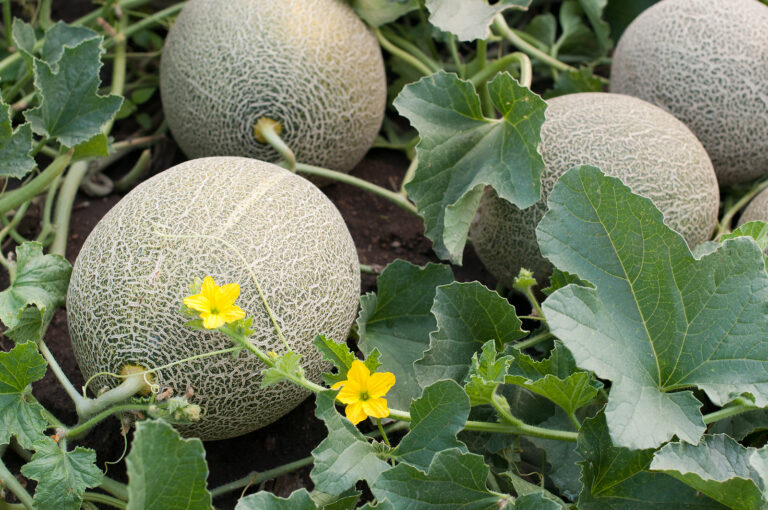
- Melons
- Carrots (if soil stayed moist)
Recovery depends on root health and heat duration.
Low recovery:
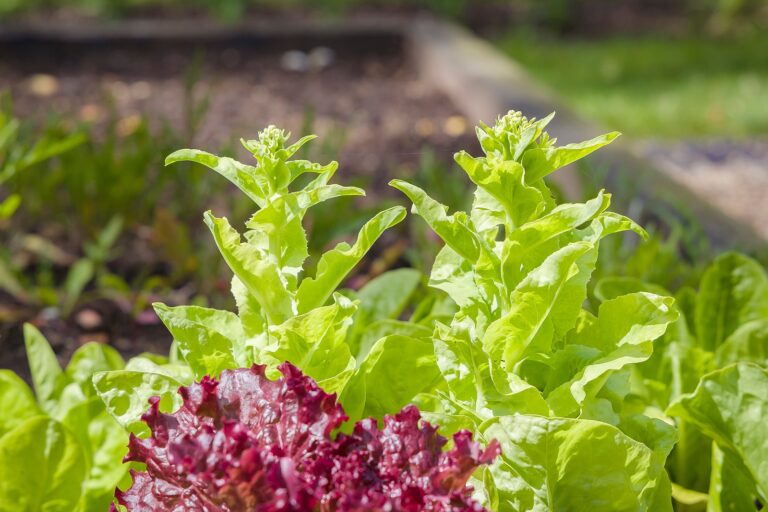
Cool-season crops often do not recover once heat stress triggers bolting:
- Lettuce
- Spinach
- Arugula
- Cilantro
- Radishes
These are best replanted for fall.
Mistakes to Avoid After Extreme Heat
Avoid:
- Fertilizing too early
- Heavy pruning
- Overwatering soggy soil
- Removing too much foliage
- Assuming plants are dead too quickly
- Ignoring soil moisture checks
Recovery depends on stability, not rapid intervention.
Preparing for the Next Heat Wave
Once your garden begins recovering:
- Maintain consistent mulch
- Repair irrigation systems
- Keep shade cloth ready
- Water deeply on a regular cycle
- Harvest frequently
Strengthening plants between heat waves improves long-term resilience.
Final Thoughts
Extreme heat does not usually end a vegetable garden—it simply slows it down. Most warm-season crops are built to survive short-term stress and resume growth when conditions improve. The key to successful recovery is not aggressive intervention, but steady support: deep watering, mulch, minimal pruning, and patience.
In my own gardens, I’ve seen tomatoes, peppers, beans, and cucumbers rebound strongly after even severe heat waves. Once temperatures moderate, new growth often appears within days, followed by renewed flowering and harvests. A garden’s ability to recover depends less on the damage it experienced and more on how well it is supported afterward.
Want the complete heat-wave playbook? For step-by-step guidance before, during, and after a heat wave—including watering, shading, mulching, recovery, and crop-specific advice—see The Complete Guide to Growing Vegetables in Extreme Summer Heat.
Frequently Asked Questions
How long does it take vegetables to recover from a heat wave?
Most warm-season vegetables begin showing recovery within 5–14 days once temperatures return to more moderate levels.
Should I fertilize right after a heat wave?
No. Wait until plants show active new growth before applying fertilizer. Feeding too early can stress recovering roots.
Will wilted plants recover overnight?
If soil moisture is adequate, many plants recover overnight. Persistent wilting may indicate deeper root or soil issues.
Should I remove all damaged leaves?
No. Only remove fully dead or diseased foliage. Slightly damaged leaves may still support recovery.
About the Author
Stephen Albert is a horticulturist, certified nurseryman, Master Gardener educator, and founder of Harvest to Table. With more than 30 years of experience growing vegetables in hot and temperate climates, including California’s inland valleys, he specializes in practical, field-tested strategies for vegetable garden resilience. His recommendations are based on extensive hands-on gardening experience and established horticultural research in plant physiology, soil health, irrigation management, and climate-adapted crop production.