10 Mistakes Gardeners Make During a Heat Wave (and How to Avoid Them)

When a heat wave sends temperatures soaring into the 90°F to 100°F range, even experienced gardeners can make mistakes that leave vegetables stressed, unproductive, or permanently damaged. Ironically, many of these mistakes come from trying to help plants survive the heat.
The good news is that most heat-related problems are preventable. Understanding how vegetables respond to extreme temperatures allows you to work with your plants rather than against them.
After more than 30 years of growing vegetables through California heat waves, I’ve learned that successful summer gardening depends on preparation, observation, and a few simple practices that protect roots, conserve moisture, and reduce plant stress. Here are the 10 most common mistakes gardeners make during a heat wave—and what to do instead.
Mistake #1: Watering Too Lightly Every Day
A quick sprinkle may make the soil surface look wet, but it rarely reaches the root zone.
Know What to Plant This Week
Every week I answer the gardener's most important question: what should I plant now? Get seasonal planting advice free — or go Pro for my full Soil Temperature Garden Report, with soil temperature, moisture, weather trends, and crop-by-crop recommendations.
Shallow watering encourages roots to remain near the soil surface, where temperatures are highest and moisture disappears quickly.
Do This Instead
Water slowly and deeply so moisture penetrates 8 to 12 inches into the soil.
Deep roots tolerate hot weather much better than shallow ones.
Mistake #2: Waiting Until Plants Wilt Before Watering
By the time vegetables wilt in the morning, they’ve already experienced significant water stress.
While mild afternoon wilting can be normal, persistent wilting means plants are struggling.
Do This Instead
Check soil moisture every morning.
Water when the soil begins drying several inches below the surface—not simply when leaves droop.
Mistake #3: Watering During the Hottest Part of the Day
Midday watering loses much of its moisture to evaporation before it reaches plant roots.
Water droplets on leaves also do little to cool plants.
Do This Instead
Water early in the morning whenever possible.
If necessary, water in the evening at the base of plants rather than wetting the foliage.
Mistake #4: Forgetting to Mulch
Bare soil heats rapidly under direct sun.
High soil temperatures stress roots and increase evaporation.
Do This Instead
Apply 2 to 4 inches of organic mulch such as:
- Straw
- Shredded leaves
- Compost
- Pine needles
Mulch keeps roots cooler and reduces watering needs.
Mistake #5: Overfertilizing During a Heat Wave
Many gardeners assume slow growth means plants need fertilizer.
In reality, heat—not nutrient deficiency—is usually the problem.
Extra nitrogen encourages tender new growth that requires even more water.
Do This Instead
Wait until temperatures return to normal before fertilizing.
Allow plants to recover first.
Mistake #6: Pruning Too Much
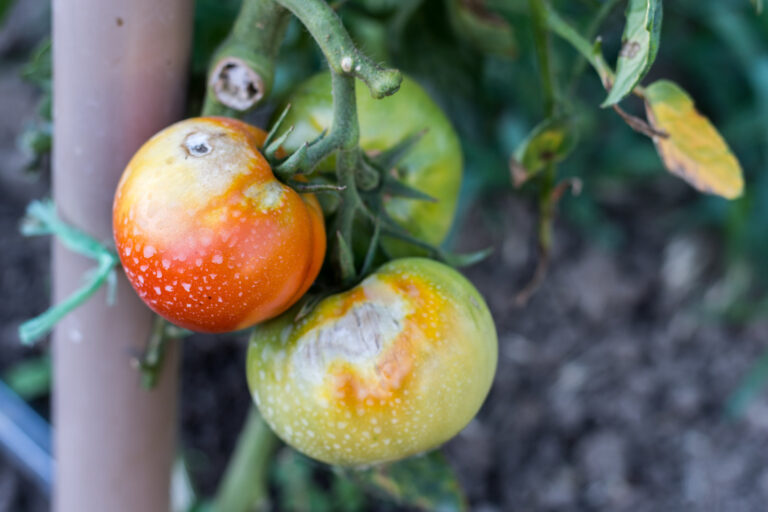
Heavy summer pruning exposes fruit to direct sunlight.
Without leaf cover, tomatoes and peppers often develop sunscald.
Do This Instead
Leave healthy foliage in place.
Remove only:
- Dead leaves
- Diseased foliage
- Branches touching the soil
Leaves are the plant’s natural sunscreen.
Mistake #7: Ignoring Shade Cloth
Many gardeners think vegetables need full sun all day, regardless of weather.
During prolonged temperatures above 95°F, intense afternoon sun can cause blossom drop, leaf scorch, and sunscald.
Do This Instead
Install 30–40% shade cloth over tomatoes, peppers, cucumbers, and beans during extended heat waves.
Leafy greens often benefit from 40–50% shade.
Mistake #8: Leaving Mature Vegetables on the Plant
Oversized zucchini, cucumbers, beans, and ripe tomatoes require energy that stressed plants can no longer spare.
Large fruit also slows additional flowering.
Do This Instead
Harvest frequently.
Regular picking:
- Encourages continued production
- Reduces plant stress
- Improves vegetable quality
Mistake #9: Overlooking Container Plants
Containers heat much faster than garden beds.
Plants growing in pots may dry out hours before those in the ground.
Do This Instead
Check containers every morning—and again in late afternoon during extreme heat.
Whenever possible:
- Move pots into afternoon shade.
- Group containers together to reduce heat exposure.
Mistake #10: Panicking When Production Slows
Many gardeners believe their tomatoes, peppers, or beans have failed when flowers stop setting fruit.
In reality, many vegetables naturally pause production during extreme heat.
Do This Instead
Continue providing consistent care.
Most warm-season vegetables begin flowering and producing again once daytime temperatures return below about 90°F.
Patience is often the best gardening tool.
Bonus Mistakes Worth Avoiding
While the previous ten are the most common, these habits can also reduce harvests during hot weather.
Ignoring Weeds
Weeds compete directly with vegetables for water.
Keep beds clean before temperatures climb.
Planting Cool-Season Crops During a Heat Wave
Lettuce, spinach, broccoli, and peas rarely establish well during periods of extreme heat.
Wait for cooler weather.
Forgetting to Watch the Forecast
Preparation is easier than recovery.
If temperatures above 95°F are predicted:
- Water deeply.
- Harvest mature vegetables.
- Install shade cloth.
- Refresh mulch.
- Inspect irrigation systems.
A Heat-Wave Checklist
Before temperatures soar:
✓ Water deeply.
✓ Check irrigation.
✓ Add mulch.
✓ Harvest ripe vegetables.
✓ Install shade cloth if needed.
✓ Remove weeds.
✓ Delay fertilizing.
✓ Monitor containers twice daily.
These simple tasks can dramatically improve your garden’s resilience.
Final Thoughts
Heat waves are part of summer gardening in many regions, but they don’t have to result in poor harvests. Most problems arise not because the weather is hot, but because gardeners unknowingly increase plant stress with practices like shallow watering, overfertilizing, or heavy pruning. By focusing on deep watering, healthy soil, mulch, timely harvesting, and temporary shade, you can help your vegetables withstand even prolonged periods of extreme heat.
In my own garden, I’ve found that the healthiest plants are those that enter a heat wave already well-watered, deeply mulched, and carrying only the fruit they’re ready to ripen. Good preparation before the hottest days arrive almost always pays off with healthier plants and a longer, more productive harvest season.
Want the complete heat-wave playbook? For step-by-step guidance before, during, and after a heat wave—including watering, shading, mulching, recovery, and crop-specific advice—see The Complete Guide to Growing Vegetables in Extreme Summer Heat.
Frequently Asked Questions
Should I fertilize vegetables during a heat wave?
No. Extreme heat slows plant growth naturally. Fertilizing during hot weather encourages tender growth that increases water demand and may worsen stress.
Is afternoon wilting always a sign of drought?
No. Many vegetables wilt temporarily during the hottest part of the day but recover by evening. If plants remain wilted overnight or early the next morning, check soil moisture and water if needed.
Should I prune tomato plants during hot weather?
Avoid heavy pruning during heat waves. Healthy leaves shade fruit, reducing the risk of sunscald and helping regulate plant temperature.
What is the biggest mistake gardeners make during extreme heat?
The most common mistake is shallow, frequent watering. Deep, infrequent watering encourages stronger root systems that help vegetables withstand prolonged high temperatures.
About the Author
Stephen Albert is a horticulturist, certified nurseryman, Master Gardener educator, and the founder of Harvest to Table. He has spent more than 30 years growing vegetables in climates ranging from New England to Northern California, where prolonged summer heat is a regular gardening challenge. His recommendations are based on decades of firsthand experience managing vegetable gardens through heat waves, along with established horticultural principles of plant physiology, soil science, irrigation management, and sustainable vegetable production.