Can Vegetables Recover After a Heat Wave? Here’s What to Do Next

After several days of temperatures above 95°F, it’s common for a vegetable garden to look tired. Tomato blossoms have dropped, bean plants have stopped flowering, lettuce has bolted, and pepper plants seem frozen in place. At first glance, it may look as though the garden has given up for the season.
Fortunately, that’s rarely the case.
Most vegetables are remarkably resilient. If their roots remain healthy and they’ve received adequate water during the heat wave, many crops will recover quickly once temperatures moderate. New leaves emerge, flowers return, and fruit production often resumes within a week or two.
After more than 30 years of growing vegetables through California’s hottest summers, I’ve learned that what you do after a heat wave is just as important as what you do during one. The goal is not to force plants back into growth immediately, but to help them recover naturally by reducing stress and restoring healthy growing conditions.
Know What to Plant This Week
Every week I answer the gardener's most important question: what should I plant now? Get seasonal planting advice free — or go Pro for my full Soil Temperature Garden Report, with soil temperature, moisture, weather trends, and crop-by-crop recommendations.
Here’s how to help your vegetable garden bounce back after extreme heat.
First, Assess the Damage
Before making any changes, take a careful walk through your garden.
Look for:
- Wilted plants that fail to recover overnight
- Brown or scorched leaves
- Blossom drop
- Sunscald on fruit
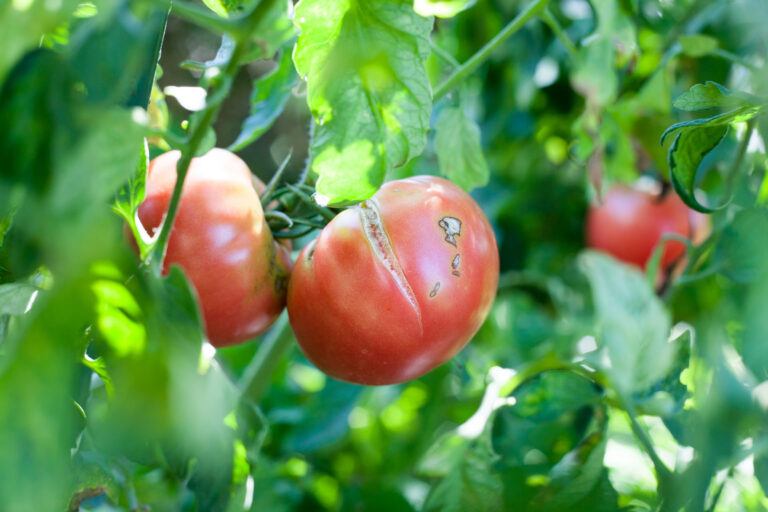
- Cracked tomatoes
- Burned leaf edges
- Dry soil
- New green growth
Not all damage requires action.
Some symptoms are cosmetic, while others affect future production.
Understand What Is Normal
Many vegetables pause growth during extreme heat.
You may notice:
- Fewer flowers
- Slower fruit development
- Temporary leaf rolling
- Mild afternoon wilting
These responses help plants conserve energy.
As temperatures fall back into the 70°F to 85°F range, healthy plants often resume growing on their own.
Patience is an important part of recovery.
Step 1: Continue Deep Watering
Don’t stop watering simply because the heat wave has ended.
Roots may still be recovering.
Continue watering deeply enough to moisten soil 8 to 12 inches below the surface.
Avoid frequent, shallow watering that encourages weak surface roots.
Let soil moisture—not the calendar—determine when to irrigate.
Step 2: Leave Healthy Leaves Alone
After a heat wave, plants often carry curled or slightly scorched leaves.
These leaves may still be producing energy through photosynthesis.
Avoid removing them unless they are:
- Completely brown
- Dead
- Diseased
Healthy foliage continues supporting root recovery and fruit development.
Step 3: Remove Severely Damaged Growth
Once temperatures moderate, prune away:
- Crispy leaves
- Broken stems
- Diseased foliage
- Completely sunburned fruit
Removing dead tissue improves air circulation and directs the plant’s energy toward healthy new growth.
Avoid heavy pruning.
Step 4: Harvest Mature Vegetables
Remove ripe vegetables promptly.
Harvest:
- Tomatoes
- Peppers
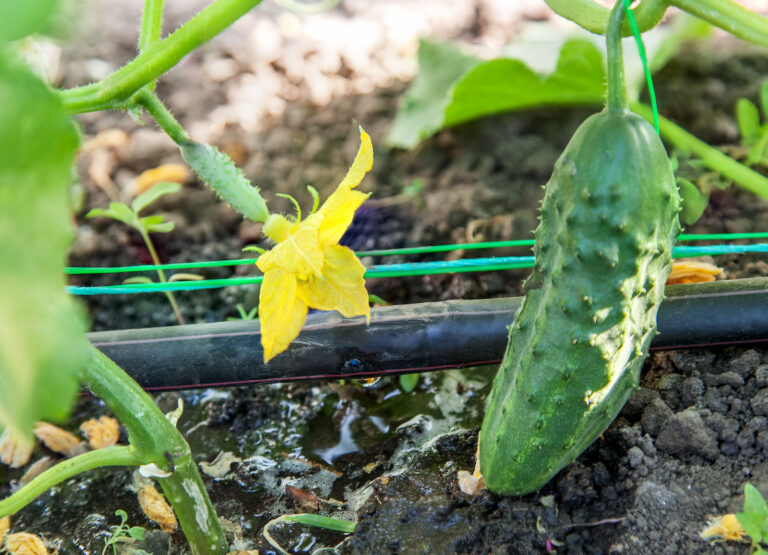
- Cucumbers
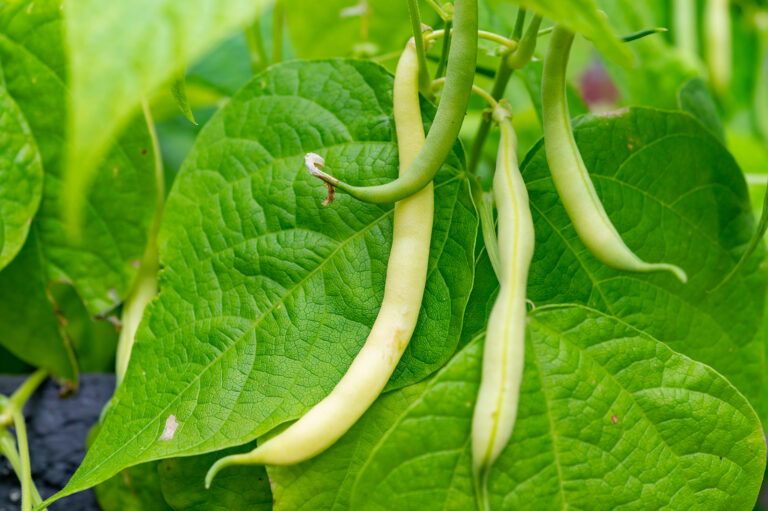
- Beans
- Squash
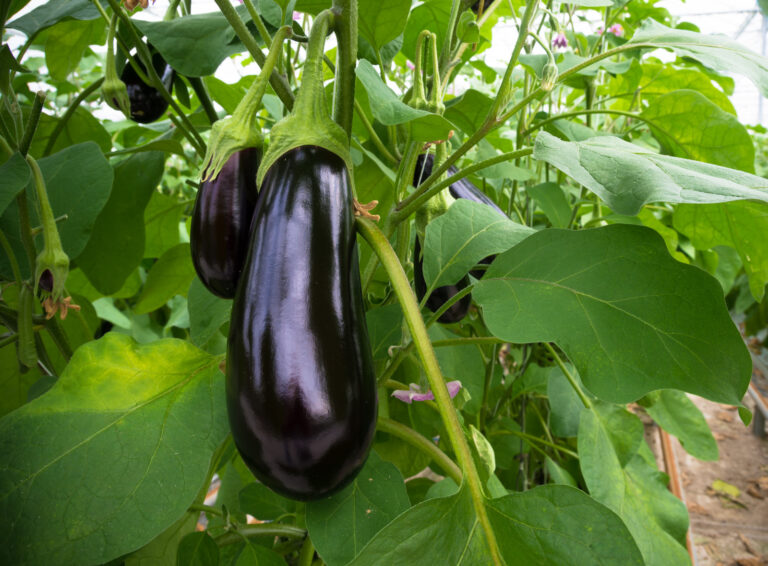
- Eggplant
Harvesting reduces stress on recovering plants and often stimulates new flowering.
Step 5: Wait Before Fertilizing
One of the biggest mistakes gardeners make is applying fertilizer immediately after a heat wave.
Plants recovering from stress aren’t ready for rapid new growth.
Wait until you see:
- New leaves
- Fresh flowers
- Active growth
Then apply a light feeding if needed.
Compost or a balanced organic fertilizer is often sufficient.
Step 6: Check the Soil
Heat waves often reveal problems below ground.
Inspect your soil for:
- Dry pockets
- Compaction
- Crusting
- Poor drainage
If necessary:
- Loosen surface crust gently.
- Add compost around plants.
- Refresh mulch.
Healthy soil speeds recovery.
Step 7: Replace Lost Mulch
High temperatures, wind, and irrigation can thin mulch.
Restore a 2- to 4-inch layer around plants.
Mulch helps:
- Moderate soil temperature
- Reduce evaporation
- Support beneficial soil organisms
Healthy roots recover faster in cool, evenly moist soil.
Step 8: Continue Using Shade Cloth if Needed
If additional hot weather is forecast, don’t remove shade cloth too soon.
Wait until temperatures return to seasonal averages before taking it down.
Plants recovering from stress remain vulnerable to another heat wave.
Step 9: Watch for Delayed Disease Problems
Heat-stressed plants may become more susceptible to disease.
Inspect leaves regularly for:
- Early blight
- Powdery mildew
- Bacterial spots
- Wilt diseases
Early detection often prevents widespread damage.
Step 10: Give Plants Time
Many vegetables need several days of moderate weather before growth resumes.
Don’t assume production has ended.
Tomatoes, peppers, beans, cucumbers, and eggplant often produce a second flush of flowers after temperatures fall.
Healthy gardens are remarkably resilient.
Which Vegetables Recover Best?
Excellent Recovery
- Tomatoes
- Peppers
- Eggplant
- Cucumbers
- Pole beans
- Okra
These crops frequently resume flowering once temperatures moderate.
Moderate Recovery
- Bush beans
- Summer squash
- Sweet corn
- Basil
Recovery depends on the length of the heat wave and overall plant health.
Limited Recovery
Some cool-season crops rarely recover fully once heat causes bolting.
These include:
- Lettuce
- Spinach
- Arugula
- Cilantro
Rather than trying to revive them, remove spent plants and plan another planting when temperatures cool.
Signs Your Garden Is Recovering
Within a week of cooler weather, look for:
- Bright green new leaves
- New flower buds
- Fresh vine growth
- Improved leaf color
- New fruit forming
- Strong upright stems
These are excellent indicators that plants are returning to active growth.
Mistakes to Avoid After a Heat Wave
Don’t:
- Fertilize immediately
- Overwater soggy soil
- Prune aggressively
- Remove healthy leaves
- Assume plants are finished
- Ignore damaged fruit
- Forget to monitor soil moisture
Recovery takes time.
Preparing for the Next Heat Wave
Once your garden has recovered:
- Add compost if needed.
- Keep mulch in place.
- Check irrigation systems.
- Store shade cloth nearby.
- Continue harvesting regularly.
Gardens prepared for future heat waves experience less stress each season.
Final Thoughts
A heat wave may temporarily slow your vegetable garden, but it rarely means the season is over. Most warm-season crops are remarkably resilient when their roots remain healthy and soil moisture stays consistent. Rather than trying to force rapid growth after extreme heat, focus on supporting natural recovery through deep watering, healthy soil, light cleanup, and patience.
In my own garden, I’ve seen tomatoes, peppers, cucumbers, and beans rebound after some of the hottest summers on record. New flowers appear, fresh growth begins, and harvests continue well into late summer. The key is remembering that recovery is a process. Give your plants the care they need, and they’ll often surprise you with just how productive they can be after the weather cools.
Want the complete heat-wave playbook? For step-by-step guidance before, during, and after a heat wave—including watering, shading, mulching, recovery, and crop-specific advice—see The Complete Guide to Growing Vegetables in Extreme Summer Heat.
Frequently Asked Questions
Will tomato plants recover after a heat wave?
Yes. If the plants remain healthy and their roots have not been severely damaged, tomatoes often begin flowering and setting fruit again once daytime temperatures fall below about 90°F.
Should I fertilize immediately after extreme heat?
No. Wait until you see active new growth before applying fertilizer. Feeding stressed plants too soon can encourage weak, tender growth.
Should I remove burned leaves?
Only remove leaves that are completely dead or diseased. Slightly scorched leaves may still photosynthesize and help the plant recover.
How long does it take vegetables to recover from a heat wave?
Many warm-season vegetables begin showing signs of recovery within several days to two weeks after temperatures return to more favorable levels, depending on the severity and duration of the heat.
About the Author
Stephen Albert is a horticulturist, certified nurseryman, Master Gardener educator, and the founder of Harvest to Table. For more than 30 years, he has grown vegetables in climates ranging from New England to Northern California, where summer heat waves are a regular challenge. His recommendations are based on decades of hands-on gardening experience and established horticultural research in plant physiology, soil science, irrigation management, and vegetable crop production. Through Harvest to Table, he helps home gardeners make practical, evidence-based decisions that lead to healthier plants and more productive harvests.