What to Harvest Before a Heat Wave—and What to Leave in the Garden

When the weather forecast predicts several days of 95°F to 100°F temperatures, most gardeners think about watering, mulching, and shade cloth. But there’s another important task that can protect your harvest: knowing what to pick before the heat arrives—and what to leave on the plant.
Harvesting at the right time reduces stress on vegetable plants, protects delicate crops from heat damage, and improves the quality of your produce. At the same time, some vegetables actually continue to mature well during hot weather and are better left in the garden.
After more than 30 years of growing vegetables through California heat waves, I’ve learned that timing your harvest can be just as important as watering. A few minutes spent harvesting before temperatures soar can prevent blossom drop, reduce sunscald, and help plants continue producing after the heat subsides.
Here’s how to decide what to harvest and what to leave.
Know What to Plant This Week
Every week I answer the gardener's most important question: what should I plant now? Get seasonal planting advice free — or go Pro for my full Soil Temperature Garden Report, with soil temperature, moisture, weather trends, and crop-by-crop recommendations.
Why Harvest Before a Heat Wave?
Producing mature fruit requires tremendous energy.
When plants are carrying large vegetables during extreme heat, they must divide their resources between:
- Keeping roots alive
- Cooling leaves
- Ripening fruit
- Producing new flowers
Removing mature vegetables allows plants to redirect energy toward surviving the heat and producing another flush of flowers when temperatures moderate.
Harvesting also protects vegetables that can quickly lose quality in hot weather.
Harvest These Vegetables Before the Heat Arrives
Tomatoes
Tomatoes are one of the first crops to harvest before a heat wave.
Pick fruits that are:
- Fully colored
- Just beginning to blush
- Nearly mature
Tomatoes continue ripening indoors.
Leaving ripe fruit exposed during extreme heat increases the risk of:
- Sunscald
- Cracking
- Softening
- Reduced flavor
Harvesting also reduces the weight on plants already stressed by high temperatures.
Peppers
Harvest peppers that have reached usable size, even if they haven’t fully colored.
Green peppers can finish coloring indoors under the right conditions.
Picking mature peppers encourages plants to produce additional flowers once cooler weather returns.
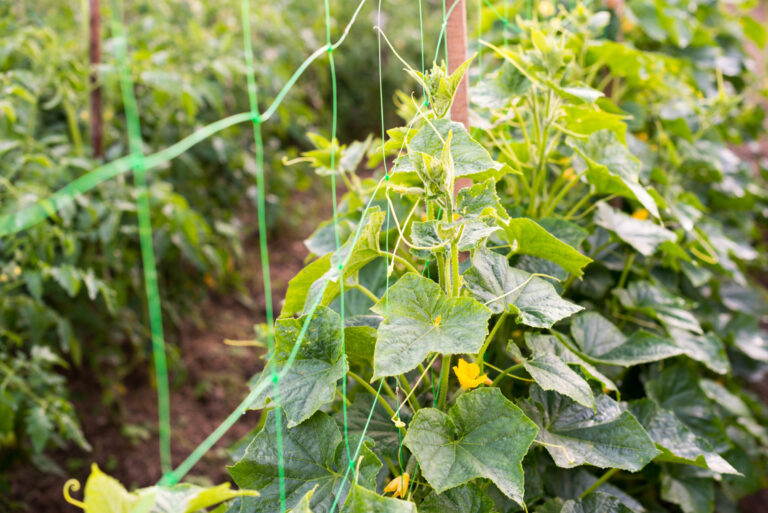
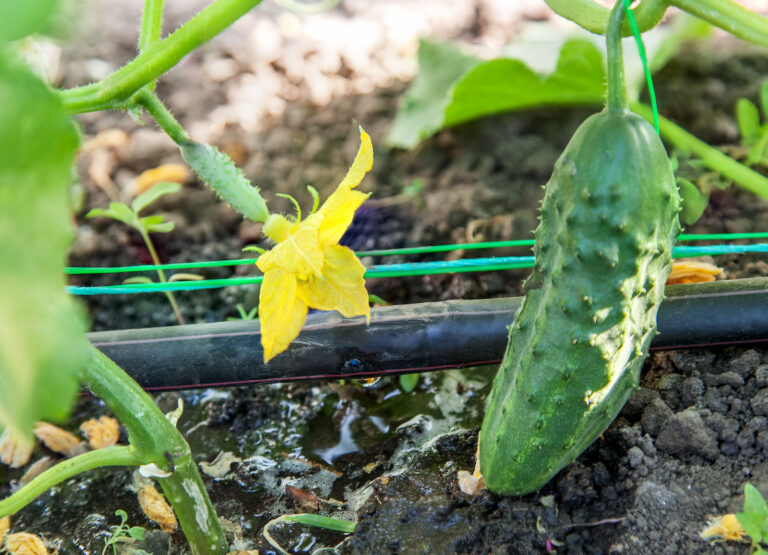
Cucumbers
Cucumbers grow surprisingly fast during hot weather.
Harvest before the heat if fruits are:
- Firm
- Uniform
- Full-sized
Overripe cucumbers become:
- Bitter
- Seedy
- Tough
Regular harvesting encourages continuous production.
Summer Squash and Zucchini
Never leave oversized squash on the plant during a heat wave.
Harvest when fruits are:
- Six to eight inches long (zucchini)
- Tender
- Glossy
Large squash consume valuable plant energy.
Green Beans
Beans quickly become fibrous during hot weather.
Harvest pods while they remain:
- Tender
- Crisp
- Pencil-thick
Frequent picking stimulates additional flowering.
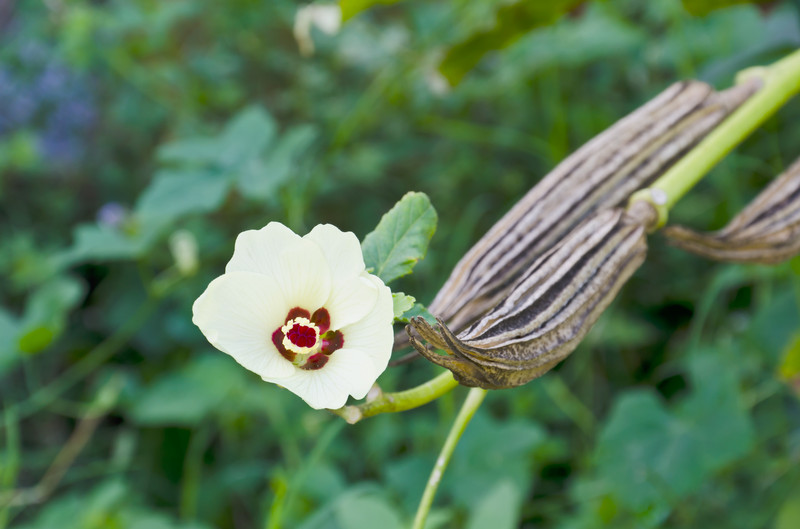
Okra
Harvest okra every day or two.
Pods become woody very quickly during extreme heat.
Regular harvesting keeps plants productive.
Eggplant
Harvest eggplants while the skin remains glossy.
Dull fruit often becomes:
- Bitter
- Seedy
- Tough
Removing mature fruit encourages continued flowering.
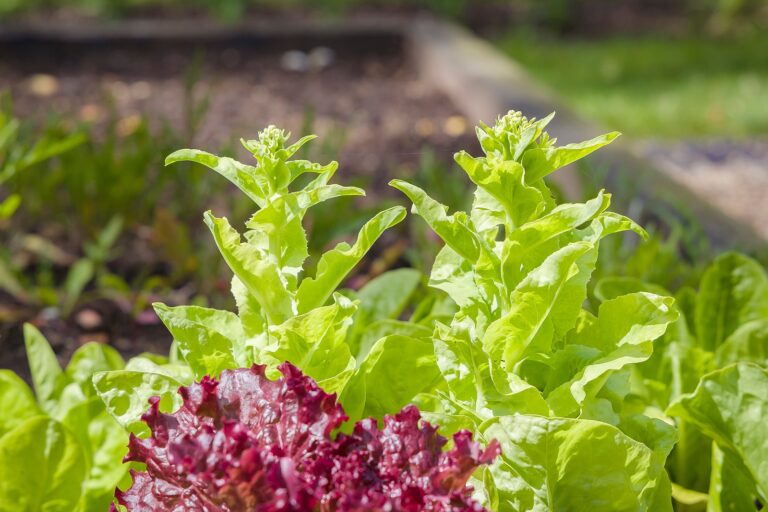
Leafy Greens
Harvest as much as possible before temperatures spike.
Including:
- Lettuce
- Spinach
- Arugula
- Swiss chard
- Kale
Extreme heat often causes:
- Bolting
- Bitterness
- Tough leaves
Young leaves remain the highest quality.
Herbs
Pick herbs before hot weather concentrates essential oils.
Harvest:
- Basil
- Parsley
- Cilantro
- Dill
- Chives
Frequent cutting also delays flowering in some herbs.
Vegetables You Can Usually Leave in the Garden
Sweet Potatoes
Heat actually favors sweet potato growth.
Leave roots in the ground until harvest season.
Winter Squash
Immature winter squash should remain on healthy vines.
Protect plants with adequate water during heat waves.
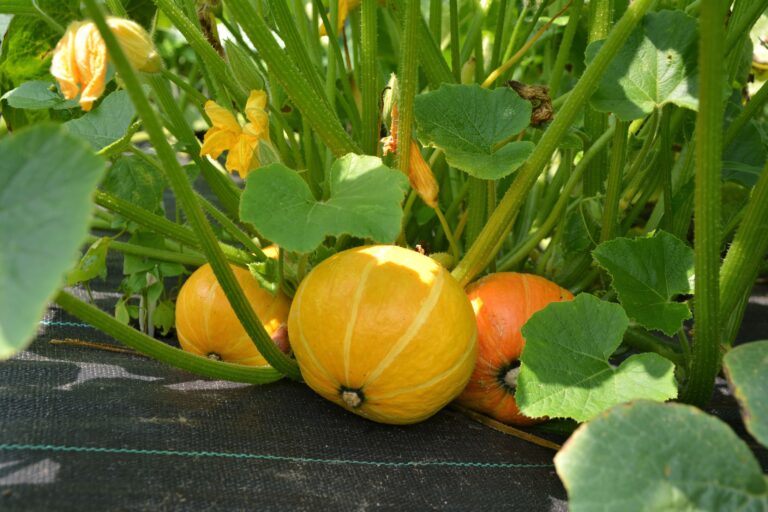
Pumpkins
Developing pumpkins continue growing well in hot weather if plants receive sufficient moisture.
Avoid unnecessary disturbance.
Melons
Melons generally continue ripening successfully during hot weather.
Harvest only when they reach maturity.
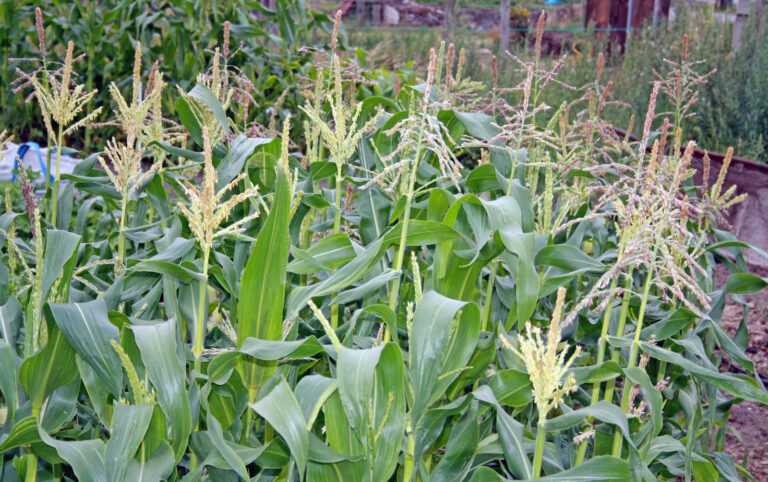
Sweet Corn
Leave ears until harvest maturity.
Harvesting early reduces eating quality.
Provide adequate irrigation during heat waves.
Onions
Nearly mature onions can remain in the garden if tops are still healthy.
Harvest once tops naturally begin falling over.
What About Root Crops?
Carrots, beets, and turnips usually tolerate short heat waves reasonably well if soil remains moist.
However:
- Young carrots become sweeter when harvested before prolonged heat.
- Mature beets can remain in the ground.
- Radishes quickly become pithy during hot weather and should be harvested promptly.
Harvest Timing Matters
Whenever possible:
Harvest:
- Early morning
- Shortly after sunrise
Vegetables contain their highest moisture content early in the day.
Morning harvests:
- Improve storage life
- Preserve flavor
- Reduce wilting
Avoid harvesting during the hottest afternoon hours whenever possible.
Water Before and After Harvesting
Harvesting itself creates small wounds on plants.
Before temperatures rise:
- Water deeply.
- Harvest mature vegetables.
- Apply mulch if needed.
After harvesting:
Leave plants undisturbed during the hottest afternoon hours.
Don’t Strip the Plant Bare
One common mistake is harvesting too aggressively.
Leave:
- Healthy foliage
- Immature fruit
- Developing flowers
Leaves protect fruit from sunscald while continuing to produce energy through photosynthesis.
Watch the Forecast
If temperatures above 95°F are expected for several consecutive days:
Complete these tasks the day before:
- Harvest mature vegetables.
- Water deeply.
- Check mulch.
- Install shade cloth if needed.
- Remove weeds competing for moisture.
Preparation always works better than emergency response.
Common Harvest Mistakes Before Heat Waves
Avoid:
- Leaving oversized zucchini on plants
- Allowing cucumbers to overmature
- Waiting for tomatoes to become fully red on the vine
- Ignoring leafy greens that are beginning to bolt
- Harvesting during midday heat
- Removing excessive foliage while picking fruit
These simple adjustments help maintain plant health throughout the hottest part of summer.
A Quick Heat-Wave Harvest Checklist
Harvest before temperatures exceed 95°F:
✓ Tomatoes beginning to color
✓ Mature peppers
✓ Cucumbers
✓ Zucchini and summer squash
✓ Green beans
✓ Okra
✓ Eggplant
✓ Lettuce and spinach
✓ Fresh herbs
Leave growing:
✓ Sweet potatoes
✓ Winter squash
✓ Pumpkins
✓ Melons
✓ Sweet corn
✓ Developing tomatoes and peppers
Final Thoughts
Harvesting before a heat wave is one of the easiest ways to help your vegetable garden weather extreme summer temperatures. Removing mature vegetables reduces the plant’s workload, improves the quality of your harvest, and encourages future production once cooler weather returns. At the same time, knowing which crops should remain in the garden prevents harvesting too early and sacrificing flavor or yield.
In my own garden, I always make a walk through the beds the evening before a major heat wave. I pick ripe tomatoes, tender beans, cucumbers, squash, herbs, and leafy greens, then give the garden a deep watering before sunrise the next morning. That simple routine has helped my vegetables continue producing through many long California summers.
Want the complete heat-wave playbook? For step-by-step guidance before, during, and after a heat wave—including watering, shading, mulching, recovery, and crop-specific advice—see The Complete Guide to Growing Vegetables in Extreme Summer Heat.
Frequently Asked Questions
Should I pick tomatoes before a heat wave?
Yes. Tomatoes that are beginning to blush or nearly ripe can finish ripening indoors, reducing the risk of sunscald, cracking, and heat damage.
Does harvesting vegetables help plants survive hot weather?
Yes. Removing mature fruit reduces the plant’s energy demand, allowing it to focus on maintaining healthy leaves and roots during periods of extreme heat.
Should I harvest peppers while they’re still green?
If a heat wave is approaching and peppers have reached full size, harvesting them green is often beneficial. Many varieties will continue coloring after harvest.
Is it okay to harvest leafy greens before they’re fully mature?
Yes. Young leaves are generally more tender and flavorful, and harvesting them before extreme heat helps prevent bolting and bitterness.
About the Author
Stephen Albert is a horticulturist, certified nurseryman, Master Gardener educator, and the founder of Harvest to Table. For more than 30 years, he has grown vegetables in climates ranging from New England to Northern California, where summer heat waves are a regular part of the growing season. His recommendations are based on decades of hands-on gardening experience, horticultural education, and established research on plant physiology, crop development, and harvest timing. Through Harvest to Table, he helps home gardeners maximize both the quality and quantity of their vegetable harvests with practical, field-tested advice.