Vegetables That Thrive Above 90°F

When temperatures climb above 90°F, many vegetable gardens begin to struggle. Tomatoes drop blossoms, lettuce bolts, beans slow down, and cool-season crops collapse entirely. But not all vegetables suffer in the heat. In fact, some crops are at their absolute best when the weather turns hot.
Understanding which vegetables thrive in high temperatures allows you to keep your garden productive even during the most intense summer conditions. Instead of fighting the heat, you can work with it by choosing crops adapted to warm climates.
After more than 30 years of growing vegetables in California’s hot inland valleys and other warm regions, I’ve learned that successful summer gardening isn’t just about protecting sensitive crops—it’s also about planting the vegetables that actually prefer heat. These crops often grow faster, produce more reliably, and handle stress better when temperatures exceed 90°F.
Here are the vegetables that not only survive but thrive in high heat.
Know What to Plant This Week
Every week I answer the gardener's most important question: what should I plant now? Get seasonal planting advice free — or go Pro for my full Soil Temperature Garden Report, with soil temperature, moisture, weather trends, and crop-by-crop recommendations.
Why Some Vegetables Love the Heat
Heat-loving vegetables evolved in tropical and subtropical regions where:
- Daytime temperatures regularly exceed 90°F
- Soil stays warm or hot throughout the season
- Rainfall is seasonal or limited
- Sun exposure is intense
These crops are adapted to:
- Efficient water use
- Fast growth in warm soil
- Heat-tolerant flowering and fruiting
- Strong root systems
While cool-season vegetables shut down in hot weather, these plants accelerate growth.
Vegetables That Thrive Above 90°F
Okra
Okra is one of the most reliable heat-loving vegetables.
It thrives when temperatures are high and actually produces more pods in hot weather.
Why it performs well:
- Native to warm climates
- Strong drought tolerance once established
- Continuous flowering in heat
Harvest pods frequently for best quality.
Southern Peas (Cowpeas)
Southern peas are exceptionally heat and drought tolerant.
They produce reliably even when other beans fail.
Benefits:
- Set pods in hot, dry conditions
- Improve soil fertility through nitrogen fixation
- Minimal pest pressure in hot weather
Varieties include black-eyed peas and crowder peas.
Sweet Potatoes
Sweet potatoes love heat and long growing seasons.
They are one of the most dependable crops for hot climates.
Why they thrive:
- Fast vine growth in warm soil
- Strong drought tolerance once established
- High yields in summer heat
Leaves are also edible in many varieties.
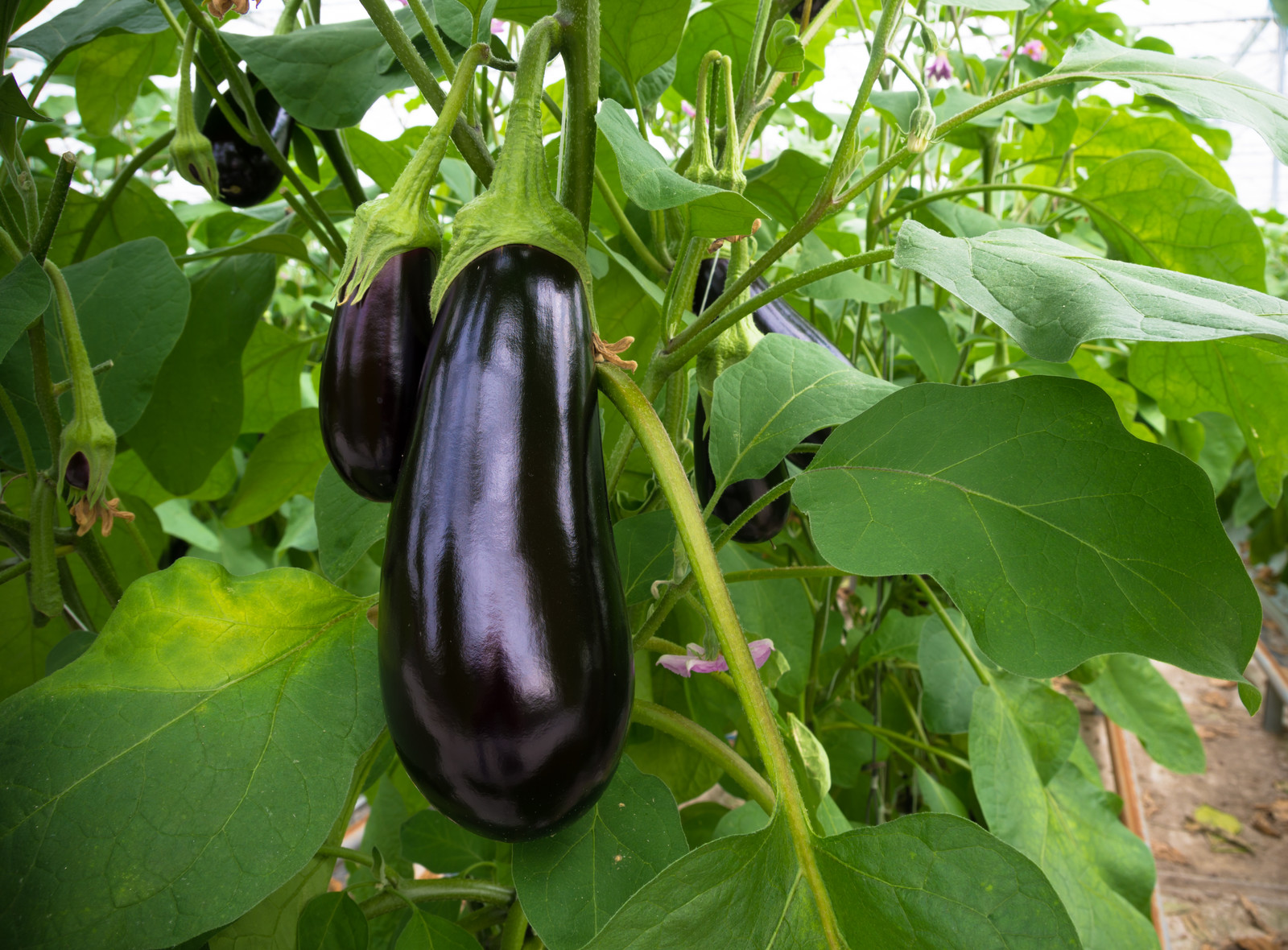
Eggplant
Eggplant is at its peak during hot weather.
It produces best when temperatures remain consistently warm.
Key advantages:
- Heat stimulates continuous flowering
- Long harvest window
- Few issues with heat stress compared to tomatoes
Provide steady water for best fruit quality.
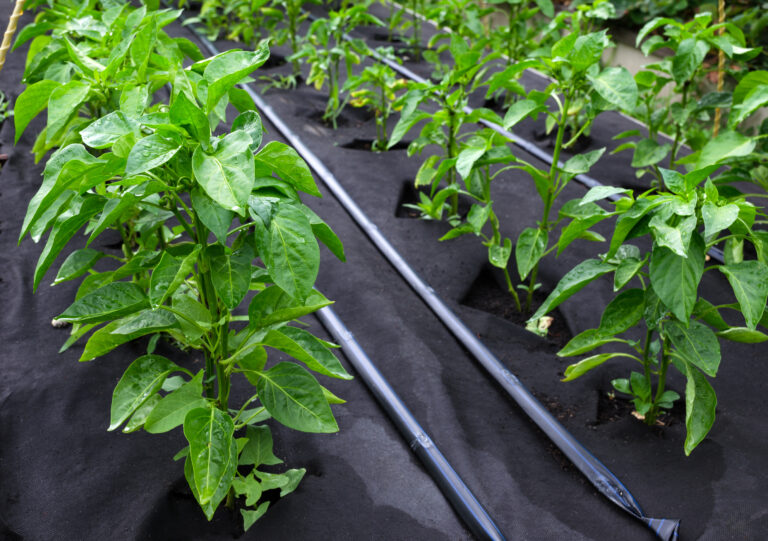
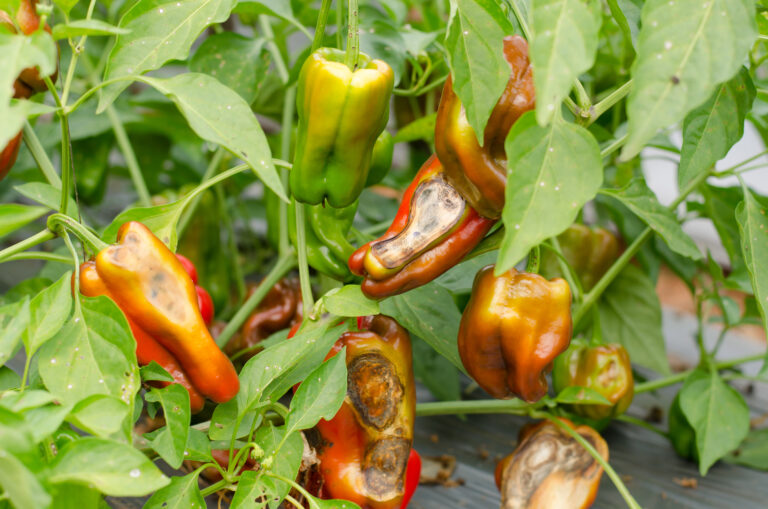
Peppers (Hot and Sweet)
Peppers are among the most heat-tolerant fruiting vegetables.
Hot peppers especially thrive in extreme summer conditions.
Why they perform well:
- Origin in warm climates
- Efficient water use
- Steady fruit production in heat
Sweet peppers may slow slightly in extreme heat but recover quickly.
Malabar Spinach
Unlike traditional spinach, Malabar spinach thrives in heat.
It is a climbing leafy green ideal for summer production.
Benefits:
- Produces tender leaves in hot weather
- Resistant to bolting
- Fast-growing vine
A great substitute for lettuce in summer salads.
Yardlong Beans
Also known as asparagus beans, these are true heat specialists.
They grow vigorously when temperatures exceed 90°F.
Highlights:
- Long pods even in extreme heat
- Continuous production
- Tolerant of humidity and drought
They are especially productive in warm climates.
Armenian Cucumbers
Technically a melon, not a true cucumber, Armenian cucumbers thrive in heat.
They are less bitter and more heat-tolerant than standard cucumbers.
Advantages:
- Strong heat tolerance
- Consistent fruit set
- Less prone to bitterness
They perform better than traditional cucumbers in extreme summer conditions.
Amaranth
Amaranth is a dual-purpose leafy green and grain crop.
It thrives in heat and poor soils.
Why it excels:
- Fast growth in hot weather
- Edible leaves and seeds
- Drought tolerant
A valuable survival and garden crop.
New Zealand Spinach
Another excellent spinach alternative for summer gardens.
It spreads low and handles heat well.
Benefits:
- Does not bolt in heat
- Continues producing tender leaves
- Tolerates poor soil conditions
Melons (Cantaloupe, Watermelon, Honeydew)
Melons are classic heat-loving crops.
They require warm soil and hot weather to develop sweetness.
Why they thrive:
- High sugar production in heat
- Strong vine growth
- Reduced disease pressure in dry heat
Flavor improves with consistent warmth.
How to Grow Heat-Loving Vegetables Successfully
Even heat-tolerant vegetables benefit from good cultural practices.
Water Deeply but Infrequently
Encourage deep root systems by watering thoroughly rather than lightly every day.
Mulch the Soil
A 2–4 inch layer of mulch helps:
- Reduce evaporation
- Moderate soil temperature
- Improve water retention
Provide Morning Watering
Water early in the day so plants start fully hydrated before peak heat.
Avoid Excess Nitrogen
Too much fertilizer leads to leafy growth that demands more water.
Harvest Frequently
Regular harvesting encourages continued flowering and fruiting.
Vegetables That Struggle Above 90°F
To put heat lovers in context, these crops often decline in extreme heat:
- Lettuce
- Spinach
- Broccoli
- Cauliflower
- Peas
- Cilantro
- Radishes
These are best grown in spring or fall in hot climates.
Designing a Heat-Resilient Summer Garden
A productive summer garden in hot regions should include:
- 60–70% heat-tolerant crops
- 30–40% protected or transitional crops
This balance ensures continuous harvest even during heat waves.
Final Thoughts
A garden exposed to temperatures above 90°F doesn’t have to struggle. The key is selecting vegetables that are naturally adapted to heat and managing them in ways that reduce stress rather than fighting the climate. Crops like okra, sweet potatoes, peppers, eggplant, and yardlong beans don’t just survive summer heat—they often reach peak productivity during it.
In my own garden, I’ve learned that the most reliable summer harvests come from embracing heat-loving crops rather than resisting seasonal conditions. When chosen and managed well, these vegetables can keep your garden productive through even the hottest stretches of summer.
Want the complete heat-wave playbook? For step-by-step guidance before, during, and after a heat wave—including watering, shading, mulching, recovery, and crop-specific advice—see The Complete Guide to Growing Vegetables in Extreme Summer Heat.
Frequently Asked Questions
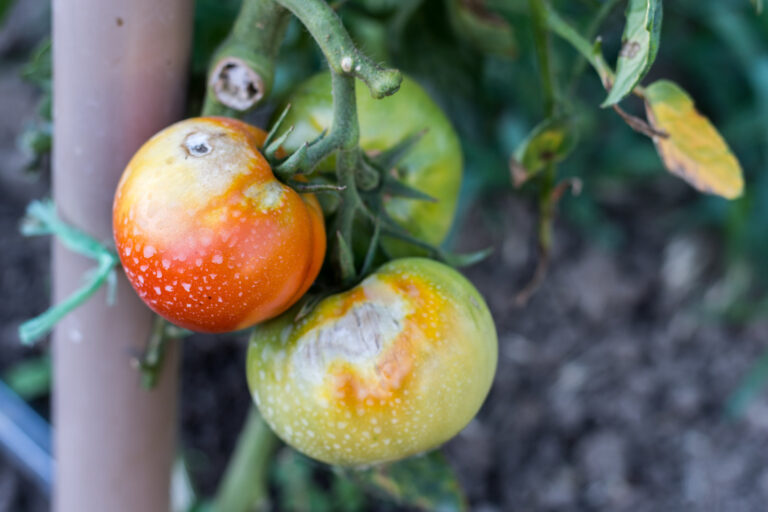
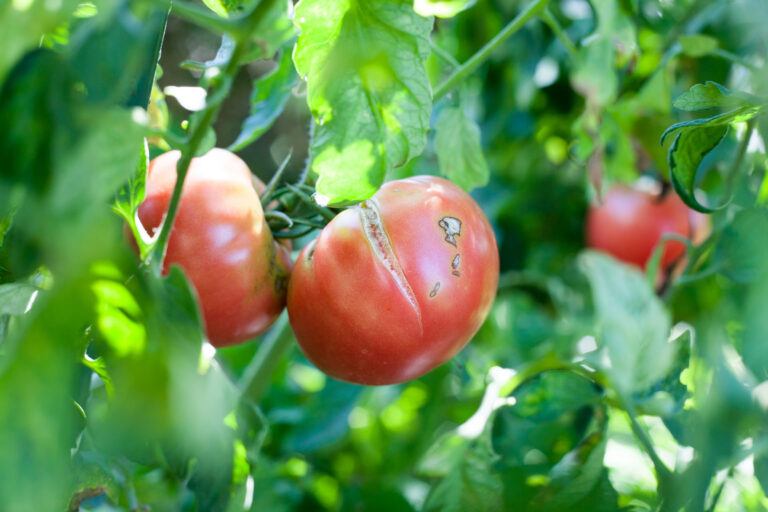
Can tomatoes thrive above 90°F?
Tomatoes tolerate heat but often reduce fruit set above 90–95°F. They survive well but do not always thrive under extreme heat compared to true heat-loving crops.
What is the most heat-tolerant vegetable?
Okra is widely considered one of the most heat-tolerant vegetables, producing consistently in temperatures above 90°F.
Can I grow lettuce in 90°F weather?
Lettuce generally does not thrive in high heat. It bolts quickly and becomes bitter, making it a poor summer crop without heavy shade.
Do heat-loving vegetables need less water?
No. Even heat-tolerant vegetables require consistent deep watering during extreme heat to maintain production and quality.
About the Author
Stephen Albert is a horticulturist, certified nurseryman, Master Gardener educator, and founder of Harvest to Table. With more than 30 years of experience growing vegetables in warm and hot climates—including California’s inland valleys—he specializes in practical, field-tested strategies for year-round vegetable production. His recommendations are grounded in hands-on gardening experience and established horticultural research on plant physiology, soil management, and climate-adapted crop selection, helping home gardeners successfully grow food even during extreme summer heat.