Why Beans Stop Flowering Above 90°F (and How to Keep Them Producing)

One week your bean plants are covered with blossoms. The next week, after several days of hot weather, the flowers disappear. New blooms fail to appear, and harvests come to an abrupt halt.
If you’ve experienced this, you’re not alone.
Beans are among the easiest vegetables to grow, but they are surprisingly sensitive to extreme summer heat. While healthy plants usually survive temperatures above 90°F, they often stop flowering until conditions improve.
I’ve grown beans for decades in California, Iowa, Massachusetts, and Florida, and I’ve learned that heat doesn’t usually kill bean plants—it interrupts their reproductive cycle. Understanding why this happens can help you protect your crop and extend your harvest through the hottest part of summer.
Know What to Plant This Week
Every week I answer the gardener's most important question: what should I plant now? Get seasonal planting advice free — or go Pro for my full Soil Temperature Garden Report, with soil temperature, moisture, weather trends, and crop-by-crop recommendations.
The encouraging news is that, with proper care, most bean plants begin flowering again when temperatures moderate.
The Ideal Temperature for Beans
Beans are warm-season crops, but they are not desert plants.
Most bush beans and pole beans perform best when temperatures remain within this range:
- Daytime: 70°F to 85°F (21°C to 29°C)
- Nighttime: 55°F to 70°F (13°C to 21°C)
Within these temperatures, bean plants grow quickly, produce abundant flowers, and set pods continuously.
Problems begin when daytime temperatures consistently rise above 90°F.
Why Heat Stops Bean Flowers
Flower production requires a tremendous amount of energy.
When temperatures climb above about 90°F, bean plants shift their priorities.
Instead of investing energy in reproduction, they focus on survival.
High temperatures increase water loss through the leaves, raise respiration rates, and place stress on every part of the plant. To conserve resources, many bean varieties temporarily stop producing flowers.
This is a protective response—not a sign that the plant is dying.
Warm Nights Make the Problem Worse
Hot days are only part of the story.
Nighttime temperatures above 75°F often have an even greater effect on flowering.
Normally, bean plants recover during cool nights by replacing sugars and energy used during the day.
When nights remain warm:
- Respiration stays high.
- Energy reserves decline.
- Flower production slows.
- Pod set decreases.
Several consecutive warm nights can delay flowering even after daytime temperatures improve.
Blossom Drop Can Occur Too
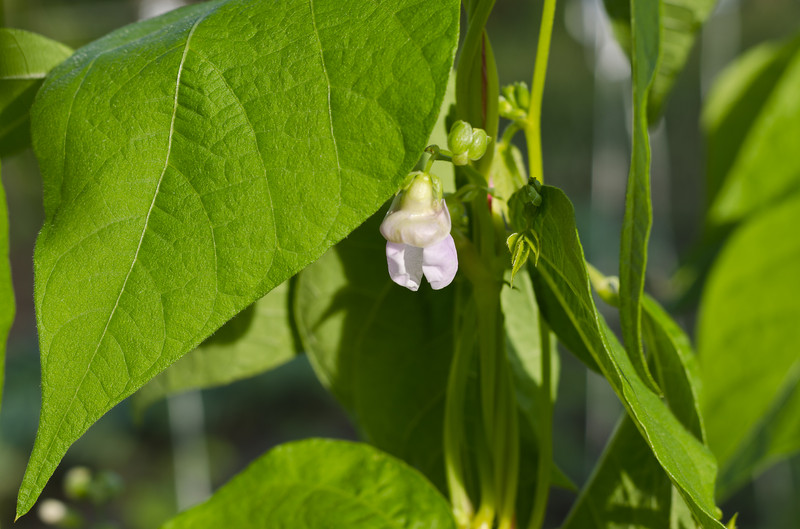
Sometimes flowers continue to appear but never develop into beans.
Instead, blossoms dry up and fall off.
Common causes include:
- Excessive daytime heat
- Warm nighttime temperatures
- Water stress
- Poor pollination in some bean types
- General plant stress
Again, the plant is protecting itself until growing conditions become more favorable.
Water Stress and Heat Go Hand in Hand
Heat alone isn’t always responsible.
Dry soil magnifies the effects of high temperatures.
Bean plants growing in dry soil cannot replace moisture lost through their leaves quickly enough.
The result is:
- Fewer flowers
- Smaller plants
- Poor pod development
- Reduced harvests
Deep, consistent watering helps plants tolerate hot weather much better than frequent shallow irrigation.
How to Keep Beans Flowering During Hot Weather
Water Deeply
Provide enough water to moisten the soil 6 to 8 inches deep.
Water early in the morning so plants begin the day fully hydrated.
Avoid letting the soil become completely dry between irrigations.
Mulch Around Plants
A layer of organic mulch helps stabilize soil temperatures and conserve moisture.
Suitable mulches include:
- Straw
- Shredded leaves
- Compost
- Pine needles
Mulch also reduces weed competition for water.
Provide Afternoon Shade
During prolonged heat waves, temporary shade cloth can reduce stress significantly.
Thirty to forty percent shade allows plenty of sunlight while lowering leaf temperatures enough to help plants continue flowering.
Morning sun remains important for good production.
Harvest Frequently
Picking mature beans encourages plants to continue producing flowers.
Pods left on the plant begin developing mature seeds, signaling that reproduction is complete.
Frequent harvesting keeps plants focused on producing more blossoms.
During peak season, check plants every day or two.
Avoid Fertilizing During Heat Waves
Adding fertilizer during periods of extreme heat often stimulates leafy growth instead of flowers.
Wait until temperatures return to normal before feeding plants again.
If additional nutrients are needed, compost is usually sufficient.
Which Beans Handle Heat Best?
Some bean types tolerate hot weather better than others.
Good performers include:
- Yardlong beans
- Cowpeas (southern peas)
- Tepary beans
- Lima beans
- Scarlet runner beans in mild climates
Traditional bush beans often pause production during extreme heat but usually recover once temperatures cool.
If your summers are consistently hot, planting heat-adapted bean varieties can greatly improve yields.
Should You Plant Another Crop?
Sometimes the answer is yes.
In regions with very hot summers, many gardeners grow beans in two seasons.
Plant:
- A spring crop before extreme heat arrives.
- A second crop in late summer for fall harvest.
Late-summer plantings often produce exceptionally well as temperatures begin cooling.
Succession planting is one of the simplest ways to extend your bean harvest.
Will Beans Start Flowering Again?
Usually, yes.
Healthy plants commonly resume flowering when:
- Daytime temperatures fall below about 90°F.
- Nights cool below 70°F.
- Soil moisture becomes consistent again.
If plants remain green and disease-free, don’t remove them too quickly.
Many produce an excellent late-season harvest.
Frequently Asked Questions
At what temperature do beans stop flowering?
Most common garden beans begin reducing flower production when daytime temperatures consistently exceed 90°F, especially if nights remain above 75°F.
Will bean plants survive 100°F?
Yes. Healthy plants often survive temperatures above 100°F if they receive adequate water and protection from severe moisture stress. Production may temporarily pause.
Why are my bean plants green but not producing beans?
High temperatures commonly interrupt flowering or prevent blossoms from developing into pods. Plants often resume production after cooler weather returns.
Should I remove flowers during hot weather?
No. Leave healthy flowers in place. Remove only damaged or diseased plant parts.
The Bottom Line
Bean plants are remarkably resilient, but they have clear temperature limits when it comes to flowering and pod production. In my own gardens, I’ve found that the plants themselves usually survive heat waves with little trouble—the challenge is keeping them productive while temperatures remain high.
The best strategy is prevention. Water deeply before and during hot weather, mulch generously to keep roots cool, harvest pods frequently, and provide temporary afternoon shade during prolonged heat waves. These simple practices reduce stress and help plants continue producing for as long as conditions allow.
When flowering slows, don’t assume the season is over. As cooler days and nights return, healthy bean plants often reward patient gardeners with a fresh flush of blossoms and another generous harvest.
Want the complete heat-wave playbook? For step-by-step guidance before, during, and after a heat wave—including watering, shading, mulching, recovery, and crop-specific advice—see The Complete Guide to Growing Vegetables in Extreme Summer Heat.