How Humidity Changes Plant Stress in the Vegetable Garden

When gardeners think about plant stress, temperature usually gets all the attention. But humidity is just as important, and in many cases it determines whether a vegetable garden struggles or thrives during hot weather.
Two gardens can experience the same 95°F heat, yet behave very differently depending on humidity. In dry heat, plants may wilt but recover quickly. In humid heat, they may stay wilted, develop disease, or stop growing entirely.
After more than 30 years of growing vegetables in a wide range of climates—from dry inland valleys to humid coastal and subtropical regions—I’ve seen how dramatically humidity changes plant behavior. Understanding this relationship helps explain why some summers feel manageable in the garden while others feel relentless.
🌡️ Temperature vs. Humidity: Why Both Matter
Plant stress is driven by how quickly water moves through the plant and evaporates into the air.
Know What to Plant This Week
Every week I answer the gardener's most important question: what should I plant now? Get seasonal planting advice free — or go Pro for my full Soil Temperature Garden Report, with soil temperature, moisture, weather trends, and crop-by-crop recommendations.
This process is called transpiration.
- High temperature increases water demand
- Low humidity increases evaporation rate
- High humidity slows evaporation but can trap heat and moisture around leaves
Plants are constantly balancing water uptake through roots with water loss through leaves.
Humidity directly affects that balance.
🌵 Low Humidity: Fast Water Loss and Wilting
In dry climates (common in inland California and similar regions):
What happens:
- Rapid transpiration
- Afternoon wilting
- Increased irrigation demand
- Faster soil drying
Plant response:
Plants close their stomata (leaf pores) to conserve water, which slows photosynthesis.
Garden impact:
- Tomatoes and peppers may wilt midday but recover overnight
- Soil moisture becomes the limiting factor
- Mulch becomes extremely important
Low humidity stress is usually water-driven, not disease-driven.
🌫️ High Humidity: Slower Drying, Higher Disease Risk
In humid environments, plants behave differently.
What happens:
- Slower transpiration
- Moist leaf surfaces
- Reduced evaporative cooling
- Increased fungal and bacterial pressure
Plant response:
Plants may not wilt as quickly, but they can still be stressed internally.
Garden impact:
- Powdery mildew and blight increase
- Pollination can decline in some crops
- Flowers may drop even without visible wilting
- Air circulation becomes critical
High humidity stress is often disease-driven rather than drought-driven.
🌱 Heat + Humidity: The Double Stress Scenario
The most difficult conditions occur when heat and humidity combine.
At this point:
- Plants cannot cool effectively through transpiration
- Stomata may close to prevent water loss
- Internal leaf temperature rises
- Growth slows dramatically
This is when gardeners often see:
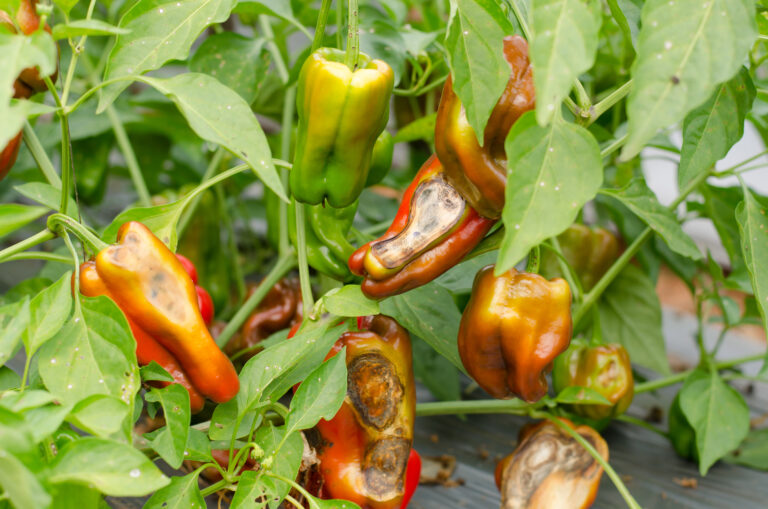
- Blossom drop in tomatoes and peppers
- Poor fruit set
- Leaf curling
- Increased pest and disease pressure
Even well-watered plants can struggle because the air itself limits cooling.
🍅 How Key Vegetables Respond to Humidity Stress
Tomatoes
- Low humidity: Wilting but recoverable
- High humidity: increased disease risk and poor pollination
- Heat + humidity: blossom drop is common
Peppers
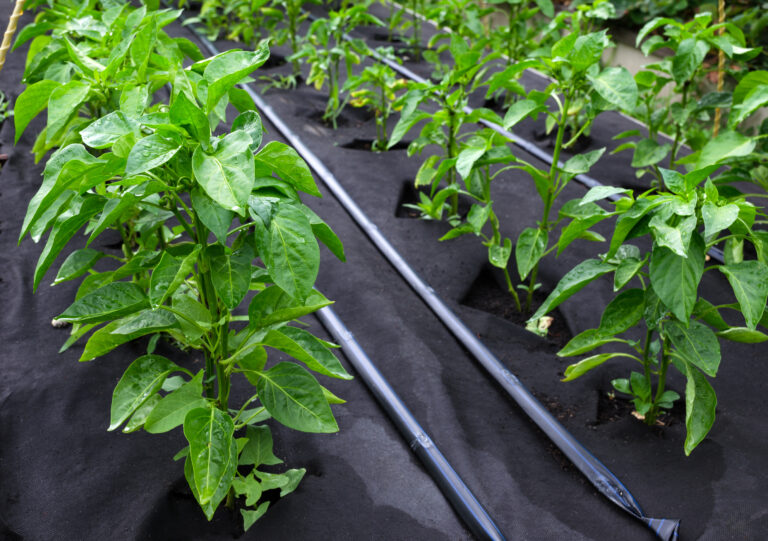
- More tolerant of humidity than tomatoes
- Still sensitive during flowering in extreme conditions
Cucumbers
- Prefer humidity but suffer from fungal diseases
- Need strong airflow in humid climates
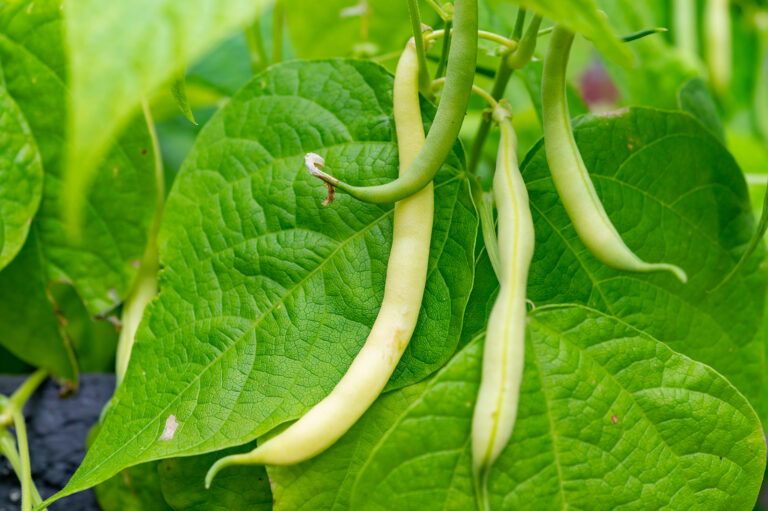
Beans
- Sensitive to both drought and excess humidity
- Flower drop increases in unstable conditions
Leafy Greens
- High humidity can delay bolting in heat
- But increases risk of rot and mildew
💧 Watering Changes Based on Humidity
Humidity changes how you should irrigate.
In dry heat:
- Water deeply and more frequently
- Focus on soil moisture stability
- Mulch is essential
In humid heat:
- Water less frequently but still deeply
- Avoid wetting foliage
- Improve drainage and airflow
The goal is always consistent root-zone moisture without creating leaf stress.
🌬️ Airflow: The Hidden Factor
Humidity makes airflow critical.
Without movement of air:
- Leaf surfaces stay wet longer
- Disease spreads more easily
- Plant cooling is reduced
Improve airflow by:
- Spacing plants properly
- Pruning lightly (only diseased growth)
- Using trellises
- Removing weeds
Good airflow can reduce humidity stress as much as irrigation can.
🌿 Mulch Works Differently in Humidity
Mulch behaves differently depending on climate.
In dry climates:
- Reduces evaporation
- Cools soil dramatically
In humid climates:
- Prevents soil splash disease
- Helps stabilize moisture
- But must be kept loose to avoid trapping excess humidity
Straw or shredded leaves often work best in humid gardens.
🧠 Why Humidity Confuses Gardeners
Humidity can hide stress symptoms.
In dry heat:
- Plants visibly wilt → clear signal
In humid heat:
- Plants may look fine but still stop growing
- Flowers drop without warning
- Disease appears suddenly
This leads gardeners to misdiagnose the problem.
The issue is often physiological stress before visible symptoms appear.
🌞 Managing Plant Stress in Any Humidity
No matter the climate, these principles apply:
1. Maintain consistent soil moisture
Avoid extremes of dry and saturated soil.
2. Protect root zones
Mulch is one of the most powerful stabilizers.
3. Encourage airflow
Especially important in humid climates.
4. Avoid overfertilizing during stress
Excess nitrogen increases vulnerability.
5. Harvest regularly
Reduces plant load during stressful periods.
🌱 Final Thoughts
Humidity is often the overlooked factor in vegetable gardening stress. Temperature sets the stage, but humidity determines how plants actually respond. In dry air, plants struggle primarily with water loss. In humid air, they struggle with cooling, disease pressure, and disrupted flowering.
In my own gardens over the years, I’ve seen that understanding humidity changes everything about how you water, space, and support vegetables during summer. Once you begin to read the air as well as the soil, many “mystery problems” in the garden suddenly make sense.
Healthy vegetable gardens are not just about managing heat—they are about managing the relationship between heat and moisture in the air.
Want the complete heat-wave playbook? For step-by-step guidance before, during, and after a heat wave—including watering, shading, mulching, recovery, and crop-specific advice—see The Complete Guide to Growing Vegetables in Extreme Summer Heat.
Frequently Asked Questions
Does high humidity cause plant stress even if soil is moist?
Yes. High humidity can reduce plant cooling and increase disease pressure even when soil moisture is adequate.
Why do plants wilt more in dry climates?
Low humidity increases evaporation from leaves, causing faster water loss than roots can replace.
Is humidity good or bad for vegetable gardens?
It depends on the level and duration. Moderate humidity can be beneficial, but extremes on either end create stress.
Which vegetables handle humidity best?
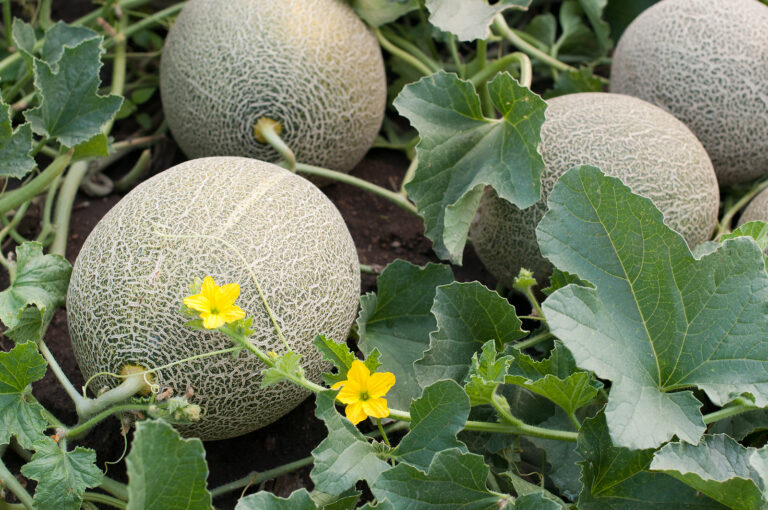
Cucumbers, melons, and leafy greens tolerate humidity better than tomatoes or peppers, though all require airflow.
About the Author
Stephen Albert is a horticulturist, certified nurseryman, Master Gardener educator, and founder of Harvest to Table. With more than 30 years of experience growing vegetables in diverse climates—including dry inland valleys and humid coastal regions—he specializes in practical, field-tested strategies for managing plant stress. His recommendations are grounded in hands-on gardening experience and established horticultural research in plant physiology, soil science, irrigation, and climate-driven crop management.