Emergency Heat Wave Checklist for the Garden

When a heat wave arrives—especially one pushing temperatures above 95°F to 100°F—a vegetable garden can shift from healthy and productive to stressed within a matter of hours. Leaves wilt, flowers drop, irrigation demands spike, and fruit quality declines quickly.
The key to protecting your garden is not reacting after damage appears, but preparing and responding quickly before stress becomes permanent.
After more than 30 years of growing vegetables through extreme summer heat in California’s inland valleys and other challenging climates, I’ve learned that successful heat wave management comes down to a simple, repeatable system. The goal is to reduce plant stress, stabilize soil moisture, and protect fruit and foliage until temperatures normalize.
Use this emergency checklist whenever extreme heat is in the forecast.
Know What to Plant This Week
Every week I answer the gardener's most important question: what should I plant now? Get seasonal planting advice free — or go Pro for my full Soil Temperature Garden Report, with soil temperature, moisture, weather trends, and crop-by-crop recommendations.
🌡️ Step 1: Check the Forecast Early
As soon as temperatures above 95°F are predicted for multiple days:
- Prepare irrigation systems
- Gather shade cloth
- Plan early morning garden work
- Identify vulnerable crops
Early preparation prevents most heat-related losses.
💧 Step 2: Deep Water Everything Before the Heat Peaks
Watering is your first line of defense.
Do this before extreme heat arrives:
- Water deeply to reach 8–12 inches of soil depth
- Focus on root zones, not surface wetting
- Water early in the morning for best absorption
Well-hydrated plants enter heat waves with stronger stress tolerance.
🌿 Step 3: Apply or Refresh Mulch
Bare soil can reach damaging temperatures during heat waves.
Add or renew 2–4 inches of mulch:
- Straw
- Shredded leaves
- Compost
- Fine wood chips
Mulch stabilizes soil temperature and reduces evaporation dramatically.
🌤️ Step 4: Install Shade Protection
Shade cloth can reduce leaf temperature and water loss during peak heat.
Recommended coverage:
- Tomatoes, peppers, cucumbers: 30–40% shade
- Lettuce and leafy greens: 40–50% shade
Position cloth above plants, not directly on foliage, to maintain airflow.
🍅 Step 5: Harvest Before Stress Peaks
Reduce plant workload before heat stress intensifies.
Harvest:
- Tomatoes beginning to color
- Mature peppers
- Cucumbers and squash
- Beans and eggplant
- Leafy greens and herbs
Removing mature fruit helps plants redirect energy toward survival.
✂️ Step 6: Avoid Heavy Pruning
Do NOT prune aggressively during a heat wave.
Leaves act as:
- Shade for fruit
- Cooling surfaces through transpiration
- Energy factories for recovery
Only remove:
- Dead or diseased foliage
- Severely damaged fruit
🚿 Step 7: Adjust Watering Strategy (Not Volume Alone)
During extreme heat:
- Water deeply, not frequently
- Avoid shallow daily sprinkling
- Check soil moisture at 4–6 inches depth
Containers may require twice-daily watering during peak heat.
🌬️ Step 8: Improve Airflow Around Plants
Stagnant air increases heat stress and disease risk.
- Thin weeds
- Stake or support vines
- Avoid overcrowding
- Space foliage where possible
Better airflow helps plants cool naturally.
🌱 Step 9: Delay Fertilizing
Heat-stressed plants cannot efficiently use nutrients.
Avoid fertilizing until:
- New growth appears
- Temperatures return below ~90°F
- Plants regain vigor
Feeding too early can worsen stress.
🪴 Step 10: Protect Containers and Transplants
Container plants are the most vulnerable.
Move or adjust:
- Place pots in afternoon shade
- Group containers together
- Check moisture morning and evening
- Shield young transplants with temporary cover
Containers dry out significantly faster than garden beds.
🔁 Step 11: Monitor Daily During the Heat Wave
Check your garden each morning and evening:
Look for:
- Persistent wilting
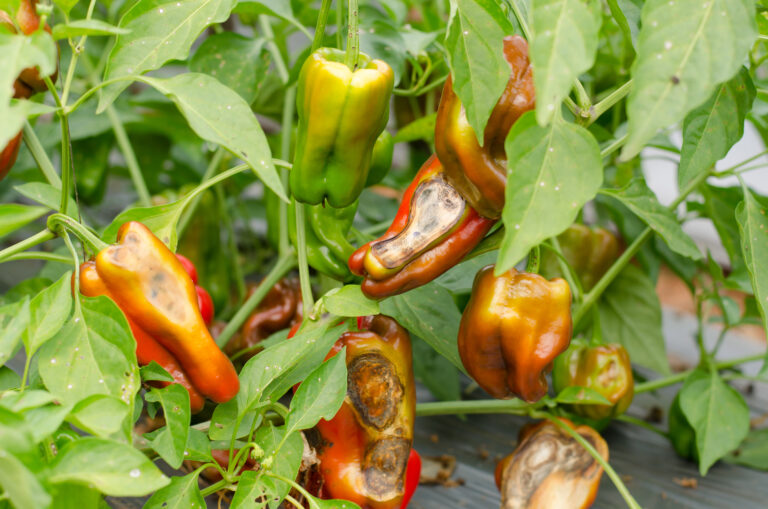
- Sunscald on fruit
- Dry soil pockets
- Blossom drop
- Leaf curling
Quick response prevents long-term damage.
🧠 What to Expect After the Heat Wave
Even well-managed gardens may show:
- Temporary blossom drop
- Slowed growth
- Leaf stress or curling
- Delayed fruit set
Most warm-season vegetables recover once temperatures moderate.
🥕 Which Vegetables Recover Best?
Strong recovery:
- Tomatoes
- Peppers
- Eggplant
- Cucumbers
- Beans
- Okra
Slower or limited recovery:
- Lettuce
- Spinach
- Cilantro
- Radishes
Cool-season crops often need replanting.
🌿Why This Advice Is Reliable
This checklist is based on both horticultural science and decades of field experience.
Stephen Albert is a horticulturist, certified nurseryman, and Master Gardener educator with more than 30 years of hands-on experience growing vegetables in climates ranging from cool coastal regions to hot inland valleys of California. His work focuses on practical, field-tested strategies for vegetable production under stress conditions, including extreme heat, drought, and seasonal weather volatility.
The recommendations here reflect established principles of:
- Plant physiology (transpiration and heat stress response)
- Soil moisture management
- Irrigation efficiency
- Crop resilience during temperature extremes
🌞 Final Thoughts
A heat wave does not have to mean crop failure. Most vegetable gardens can withstand extreme temperatures if they are properly prepared in advance and supported during peak stress. The difference between a struggling garden and a resilient one often comes down to timing: deep watering before heat arrives, mulch already in place, shade ready to deploy, and harvesting done early.
In my own gardens, I’ve seen repeatedly that plants rarely fail because of heat alone—they fail because stress accumulates without intervention. With a simple emergency checklist, you can keep your vegetable garden productive and stable even during the hottest days of summer.
Want the complete heat-wave playbook? For step-by-step guidance before, during, and after a heat wave—including watering, shading, mulching, recovery, and crop-specific advice—see The Complete Guide to Growing Vegetables in Extreme Summer Heat.