Growing Peppers During Triple-Digit Heat: How to Keep Plants Healthy and Productive

When the forecast predicts several days above 100°F, many vegetable gardeners worry their pepper plants won’t survive.
The good news is that peppers are among the most heat-tolerant vegetables you can grow.
The challenge isn’t keeping pepper plants alive—it’s keeping them productive.
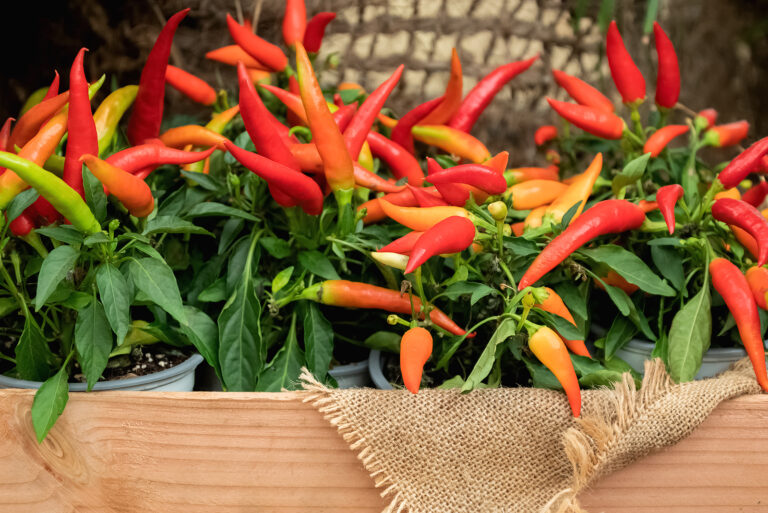
I’ve grown sweet and hot peppers for decades in California, Florida, Iowa, and Massachusetts. While tomatoes often stop setting fruit during prolonged heat, peppers usually tolerate high temperatures much better. Still, even peppers have limits. During extended periods of triple-digit heat, flowering slows, fruit can sunscald, and stressed plants may temporarily stop growing.
Know What to Plant This Week
Every week I answer the gardener's most important question: what should I plant now? Get seasonal planting advice free — or go Pro for my full Soil Temperature Garden Report, with soil temperature, moisture, weather trends, and crop-by-crop recommendations.
With the right care before, during, and after a heat wave, pepper plants can continue producing throughout the hottest weeks of summer.
Here’s how to help them thrive when temperatures soar.
Are Peppers Heat-Loving Plants?
Yes.
Peppers originated in warm climates and naturally tolerate higher temperatures than many common garden vegetables.
Their ideal growing temperatures are:
- Daytime: 75°F to 90°F (24°C to 32°C)
- Nighttime: 65°F to 75°F (18°C to 24°C)
Warm soil encourages rapid growth, healthy roots, and continuous flowering.
However, temperatures above 100°F can still create problems, especially when combined with dry soil and hot nights.
What Happens When Temperatures Reach 100°F?
Healthy pepper plants usually survive triple-digit temperatures.
What changes is their growth.
You may notice:
- Slower flowering
- Smaller new leaves
- Delayed fruit development
- Afternoon wilting
- Increased water use
The plant shifts its energy from producing new fruit to protecting itself from heat stress.
This response is temporary in most cases.
Warm Nights Slow Recovery
Just as important as daytime temperatures are nighttime lows.
When nights remain above 75°F, pepper plants have less opportunity to recover from daytime heat.
Respiration remains high overnight, reducing the energy available for:
- Flower production
- Fruit enlargement
- Root growth
- Overall vigor
Several cool nights often restore production surprisingly quickly.
Why Pepper Flowers Drop
Flowers may fall from the plant without producing peppers during periods of extreme heat.
This is known as blossom drop.
It commonly occurs because:
- Pollen becomes less viable.
- Flowers dry too quickly.
- Water stress interrupts pollination.
- The plant conserves energy.
Blossom drop during a heat wave is frustrating but usually temporary.
Once temperatures moderate, flowering often resumes.
Water Deeply, Not Constantly
Pepper plants perform best when soil moisture remains consistent.
Water deeply enough to soak the root zone rather than sprinkling lightly every day.
Aim for:
- Moist soil 6 to 8 inches deep
- Morning irrigation
- Even moisture throughout the growing season
Allowing plants to repeatedly wilt weakens them and reduces fruit production.
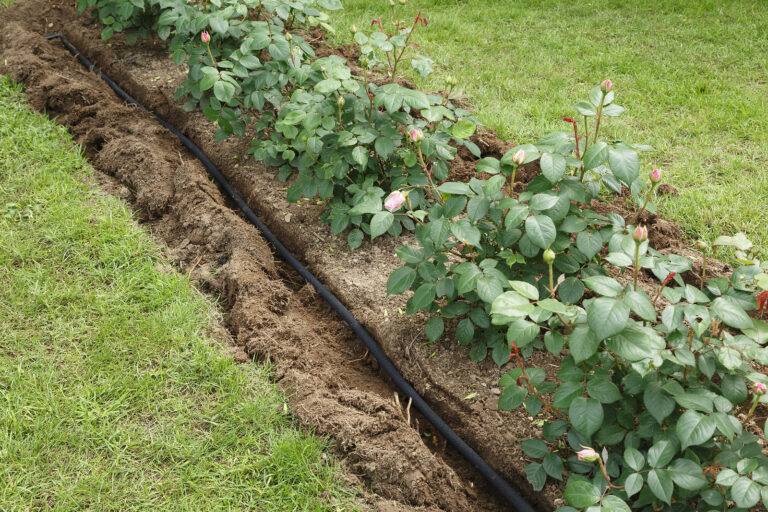
Drip irrigation or soaker hoses are ideal because they deliver water directly to the roots.
Mulch Keeps Roots Cooler
A generous layer of mulch helps peppers withstand intense summer heat.
Apply 2 to 4 inches of:
- Straw
- Compost
- Shredded leaves
- Pine needles
- Dried grass clippings
Mulch:
- Lowers soil temperature
- Reduces evaporation
- Conserves water
- Suppresses weeds
Cool roots support healthier plants and better fruit production.
Protect Fruit From Sunscald
One of the biggest problems during triple-digit heat is sunscald.
Peppers exposed to intense afternoon sunlight may develop:
- White patches
- Tan, papery areas
- Soft, sunburned spots
Healthy foliage protects fruit naturally.
Avoid excessive pruning during summer.
Leaves act as umbrellas, shading developing peppers.
Should You Use Shade Cloth?
During extended heat waves, the answer is often yes.
Shade cloth that blocks 30 to 40 percent of sunlight can:
- Lower leaf temperatures
- Reduce water loss
- Prevent sunscald
- Improve flower retention
- Keep plants actively growing
Install shade cloth high enough to allow good air circulation.
Morning sunshine remains beneficial.
Don’t Overfertilize
It can be tempting to fertilize stressed plants.
Resist the urge.
Nitrogen stimulates lush leafy growth that requires even more water during hot weather.
Instead:
- Maintain consistent irrigation.
- Wait until cooler weather returns.
- Feed lightly if plants show signs of nutrient deficiency.
Healthy soil usually provides sufficient nutrition during a heat wave.
Harvest Peppers Regularly
Frequent harvesting encourages continued flowering.
Leaving mature peppers on the plant signals that seed production is complete.
Pick peppers when they reach usable size.
Harvesting often helps:
- Stimulate new flowers
- Improve overall yields
- Reduce stress on the plant
Sweet peppers can be harvested green or allowed to ripen fully.
Hot peppers often become hotter and sweeter as they mature.
Heat-Tolerant Pepper Varieties
Some peppers naturally perform better during very hot summers.
Reliable varieties include:
Sweet peppers
- California Wonder
- Carmen
- King of the North
- Gypsy
Hot peppers
- Jalapeño
- Serrano
- Cayenne
- Anaheim
- Thai peppers
Many hot peppers continue flowering even when temperatures remain above 95°F.
Can Pepper Plants Survive 110°F?
Yes—but only with good care.
Plants are much more likely to survive if they receive:
- Deep watering
- Organic mulch
- Afternoon shade
- Healthy soil
- Protection from reflected heat near walls or pavement
Fruit production may pause during the hottest weather but often resumes once temperatures fall below 95°F.
Frequently Asked Questions
Do peppers like temperatures above 100°F?
Peppers tolerate heat better than tomatoes, but prolonged temperatures above 100°F can reduce flowering, fruit set, and overall productivity.
Why are my pepper flowers falling off?
Blossom drop is commonly caused by extreme heat, warm nights, inconsistent watering, or temporary plant stress.
Should I prune pepper plants during a heat wave?
No. Leaves protect developing fruit from sunscald and help reduce heat stress.
Will peppers start producing again after a heat wave?
Yes. Healthy pepper plants often resume flowering and fruit production once daytime temperatures moderate and nights become cooler.
The Bottom Line
Peppers are among the toughest vegetables in the summer garden, but even these heat-loving plants appreciate a little help during prolonged stretches of triple-digit weather. Over decades of growing peppers in both humid and dry climates, I’ve found that success comes from keeping roots cool, maintaining even soil moisture, and protecting fruit from the harshest afternoon sun.
When a heat wave is in the forecast, prepare your plants before temperatures peak. Water deeply, refresh your mulch, and install shade cloth if several days above 100°F are expected. Avoid unnecessary pruning or fertilizing until cooler weather returns.
With thoughtful care, pepper plants can continue growing, flowering, and producing long after other vegetables have paused for the season, rewarding you with a steady harvest well into late summer and early fall.
Want the complete heat-wave playbook? For step-by-step guidance before, during, and after a heat wave—including watering, shading, mulching, recovery, and crop-specific advice—see The Complete Guide to Growing Vegetables in Extreme Summer Heat.