When Is It Too Hot for Tomatoes?

Every tomato gardener eventually asks the same question during summer:
“Is it simply too hot for my tomatoes?”
The answer is yes—but probably not in the way you think.
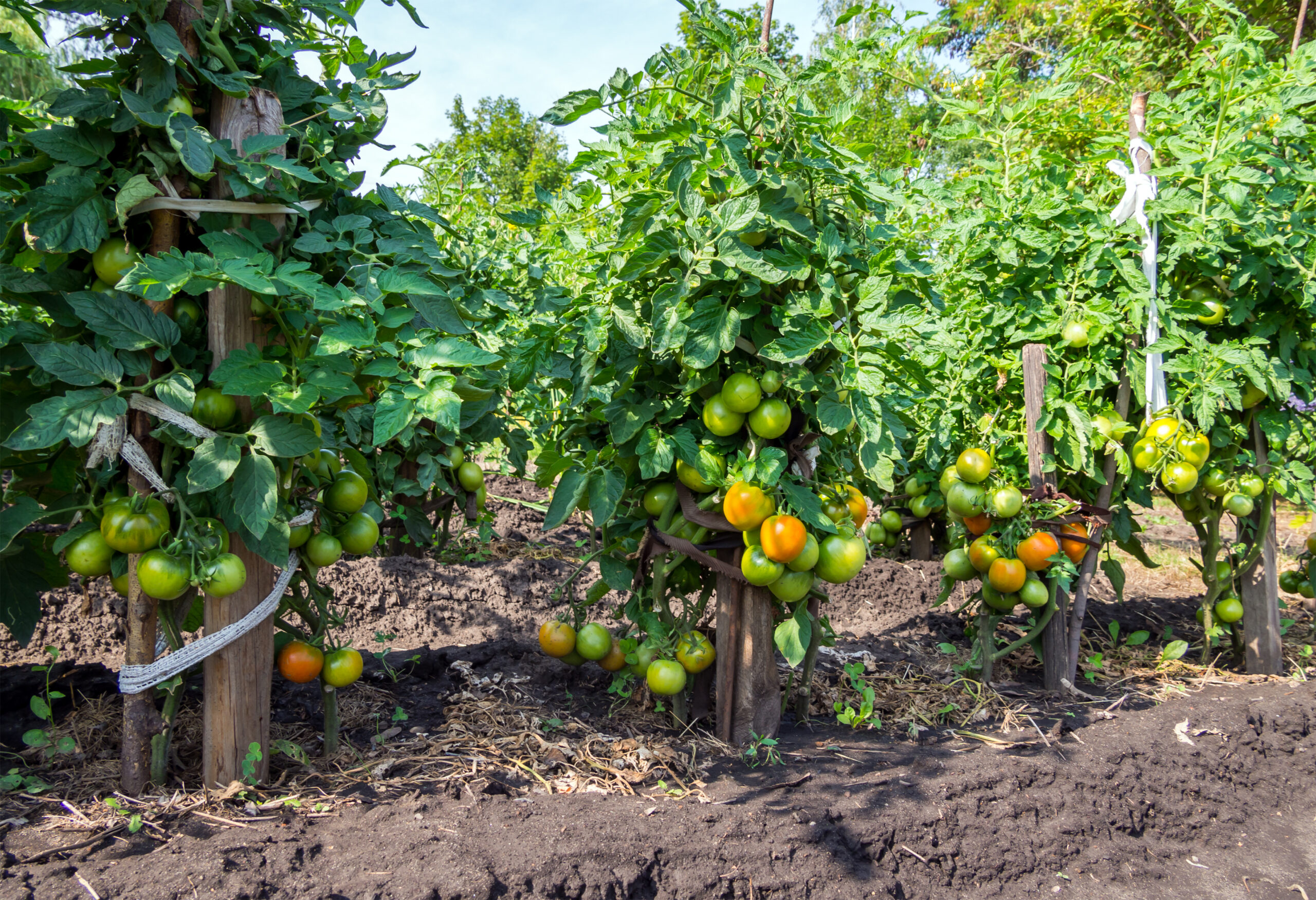
I’ve grown tomatoes for more than 40 years in California, Iowa, Massachusetts, and Florida. During that time, I’ve seen tomatoes survive weeks of temperatures above 100°F. I’ve also seen healthy plants stop producing after just a few days in the low 90s. The difference isn’t usually whether the plants survive—it’s whether they continue growing, flowering, and setting fruit.
Know What to Plant This Week
Every week I answer the gardener's most important question: what should I plant now? Get seasonal planting advice free — or go Pro for my full Soil Temperature Garden Report, with soil temperature, moisture, weather trends, and crop-by-crop recommendations.
Tomatoes are remarkably resilient plants, but they have definite temperature limits. Once those limits are exceeded, they shift from producing fruit to simply surviving.
Understanding those limits can help you prevent crop failure and keep your harvest going through even the hottest part of summer.
The Ideal Temperature for Tomatoes
Tomatoes thrive when temperatures stay within a moderate range.
Ideal daytime temperatures:
- 70°F to 85°F (21°C to 29°C)
Ideal nighttime temperatures:
- 55°F to 70°F (13°C to 21°C)
Within this range, tomato plants:
- Grow vigorously
- Produce abundant flowers
- Develop viable pollen
- Set fruit consistently
- Ripen evenly
Once temperatures move outside this comfort zone, production begins to slow.
What Happens Above 90°F?
Many gardeners assume tomatoes stop growing at 90°F.
They don’t.
Instead, the plants begin protecting themselves from heat stress.
You may notice:
- Slower growth
- Curled leaves
- Faster water loss
- Increased water demand
- Fewer new flowers
Fruit production may continue, but flowering often becomes less reliable.
The Critical Temperature: Around 95°F
When daytime temperatures consistently reach 95°F (35°C), tomato production often begins to decline noticeably.
This happens because heat affects the plant’s reproductive system.
Tomato pollen becomes less viable.
Flowers may open normally but fail to pollinate.
Without successful pollination, no fruit develops.
This is why gardeners often see healthy green plants covered with blossoms—but very few new tomatoes.
Warm Nights Can Be Even More Damaging
Many gardeners focus on daytime highs, but nighttime temperatures are just as important.
When nights remain above 75°F, tomato plants cannot recover from the day’s heat.
Respiration continues at a high rate throughout the night, using energy that would otherwise support flowering and fruit production.
Several consecutive warm nights often lead to:
- Blossom drop
- Poor fruit set
- Smaller tomatoes
- Reduced yields
Cool nights are one of the reasons coastal gardens often produce tomatoes well through summer while inland gardens struggle during heat waves.
Why Flowers Drop During Hot Weather
One of the most common signs of heat stress is blossom drop.
Flowers appear healthy.
Then they dry up and fall off without producing fruit.
This usually happens because:
- Pollen becomes sterile.
- Pollination fails.
- Fertilization never occurs.
- The plant conserves energy by shedding flowers.
The plant is protecting itself—not dying.
Once temperatures moderate, flowering usually resumes.
Can Tomatoes Survive 100°F?
Yes.
Healthy tomato plants can survive temperatures above 100°F if they receive:
- Consistent soil moisture
- Deep watering
- Mulch over the root zone
- Afternoon shade when possible
- Healthy soil rich in organic matter
The plants may temporarily stop producing fruit, but most recover when cooler weather returns.
Survival and productivity are two different things.
Signs Your Tomatoes Are Suffering From Heat
Watch for these symptoms:
- Flowers dropping
- Few or no new tomatoes forming
- Leaves curling upward
- Wilt that persists into the morning
- Sunscald on exposed fruit
- Reduced fruit size
- Slower ripening
Most of these problems are reversible if temperatures moderate and plants receive proper care.
How to Protect Tomatoes During Extreme Heat
Water Deeply
Tomatoes need moisture in the entire root zone.
Deep watering encourages deeper roots that remain cooler and better supplied with water.
Avoid frequent shallow watering.
Mulch Generously
A 2- to 4-inch layer of straw, shredded leaves, or compost helps:
- Reduce soil temperatures
- Slow evaporation
- Maintain even soil moisture
- Protect surface roots
Mulch is one of the simplest and most effective ways to reduce heat stress.
Provide Afternoon Shade
During prolonged heat waves, temporary shade cloth can lower leaf temperatures by several degrees.
Thirty to forty percent shade cloth usually provides enough protection without significantly reducing photosynthesis.
Shade is especially helpful between 2 p.m. and 6 p.m., when sunlight and temperatures are most intense.
Avoid Fertilizing During Heat Waves
Fertilizer encourages tender new growth.
During extreme heat, plants cannot support rapid new growth efficiently.
Wait until temperatures return to normal before feeding tomatoes again.
Harvest Frequently
Pick tomatoes as they begin to color rather than leaving them on the vine during extreme heat.
Ripening fruit indoors reduces stress on the plant and lowers the risk of sunscald and cracking.
Heat-Tolerant Tomato Varieties
Some tomato varieties continue producing better than others during hot summers.
Look for varieties bred for southern or desert climates, including:
- Heatmaster
- Solar Fire
- Phoenix
- Arkansas Traveler
- Florida 91
Cherry tomatoes also tend to set fruit more reliably during hot weather than many large beefsteak varieties.
Will Tomatoes Start Producing Again?
Usually, yes.
If the plants remain healthy, they often resume flowering and fruit production once:
- Daytime temperatures fall below about 90°F
- Night temperatures cool below 72°F
- Soil moisture becomes consistent again
Late summer often brings a second excellent tomato harvest in many regions.
Patience is one of the gardener’s best tools.
Frequently Asked Questions
At what temperature do tomatoes stop setting fruit?
Fruit set often declines when daytime temperatures consistently exceed 90–95°F, especially if nighttime temperatures stay above 75°F.
Can tomatoes survive 105°F?
Yes, if they receive adequate water, mulch, and some protection from intense afternoon sun. Production may pause until temperatures moderate.
Should I remove flowers during a heat wave?
No. Most flowers that can survive will continue developing normally. Remove only damaged or diseased growth.
Why are my tomato plants green but not producing tomatoes?
High temperatures commonly interfere with pollination. Healthy plants often begin setting fruit again when cooler weather returns.
The Bottom Line
Tomatoes are tougher than many gardeners realize. While temperatures above 90°F begin to reduce fruit production and prolonged periods near 95°F or higher can cause blossom drop and poor pollination, healthy plants usually survive these conditions.
Over decades of growing tomatoes in climates ranging from cool New England summers to the heat of California and Florida, I’ve found that success during hot weather comes down to preparation rather than rescue. Deep watering before a heat wave, generous mulch, temporary afternoon shade, and patience when fruit set slows will keep plants healthier than any last-minute fix.
Think of extreme heat as a temporary pause in production—not the end of the season. As soon as cooler days and nights return, well-cared-for tomato plants are often ready to reward you with another flush of flowers and a fresh harvest.
Want the complete heat-wave playbook? For step-by-step guidance before, during, and after a heat wave—including watering, shading, mulching, recovery, and crop-specific advice—see The Complete Guide to Growing Vegetables in Extreme Summer Heat.