The Biggest Tomato Growing Mistakes Home Gardeners Make (and How to Avoid Them)

Few garden vegetables are as rewarding—or as frustrating—as Tomato plants. After growing tomatoes for more than 30 years in California gardens, I’ve learned that most tomato problems trace back to a handful of preventable mistakes.
The good news is that tomatoes are resilient plants. Once you understand what they need—warm soil, deep roots, steady moisture, airflow, and sunlight—you can dramatically improve both harvest size and fruit quality.
Here are the biggest tomato growing mistakes I see home gardeners make and the simple ways to avoid them.
1. Planting Tomatoes Too Early
This is probably the most common mistake.
Know What to Plant This Week
Every week I answer the gardener's most important question: what should I plant now? Get seasonal planting advice free — or go Pro for my full Soil Temperature Garden Report, with soil temperature, moisture, weather trends, and crop-by-crop recommendations.
Tomatoes love warmth. When planted into cold soil, they often stall for weeks, become stressed, and develop weak root systems.
The Problem
- Soil below 60°F slows root growth
- Cold nights stunt plants
- Chilly conditions increase disease risk
What I Do
I wait until:
- nighttime temperatures stay above 50°F,
- and soil temperatures reach at least 60°F.
Warm soil makes a dramatic difference in early growth.
2. Planting in Too Much Shade
Tomatoes are sun-loving plants.
The Problem
Plants grown in partial shade often become:
- tall and weak,
- slow to flower,
- and less productive.
Best Practice
Give tomatoes:
- 8 hours of direct sunlight minimum,
- preferably morning through afternoon sun.
In my Sonoma Valley garden, tomatoes growing in full sun consistently outperform shaded plants.
3. Crowding Plants Too Closely
Tomatoes need airflow.
Why Crowding Causes Problems
Overcrowded plants trap humidity and encourage:
- blight,
- powdery mildew,
- fungal diseases,
- and poor fruit ripening.
Proper Spacing
I usually space:
- determinate tomatoes 24–30 inches apart,
- indeterminate tomatoes 36 inches or more apart.
Good airflow is one of the best natural disease preventatives.
4. Watering Too Much—or Too Little
Tomatoes prefer consistency.
Signs of Uneven Watering
- Blossom end rot
- Cracked fruit
- Split tomatoes
- Blossom drop
- Bitter flavor
My Watering Method
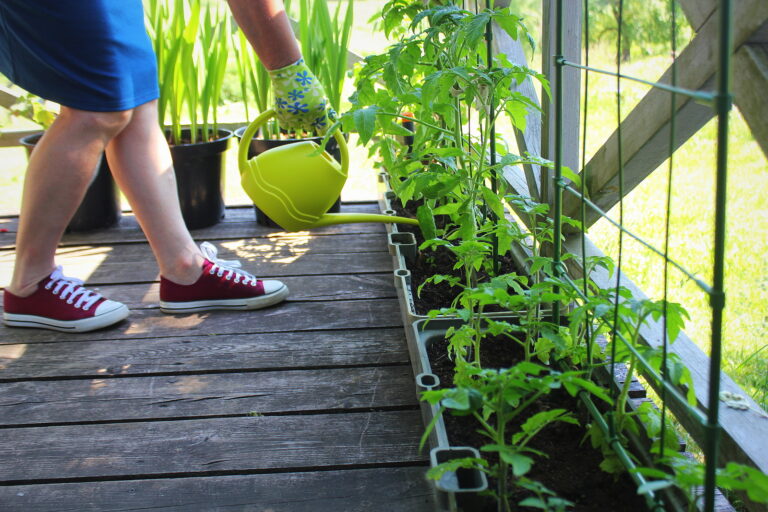
I water deeply and less often to encourage deep roots.
The goal is moist soil—not constantly wet soil.
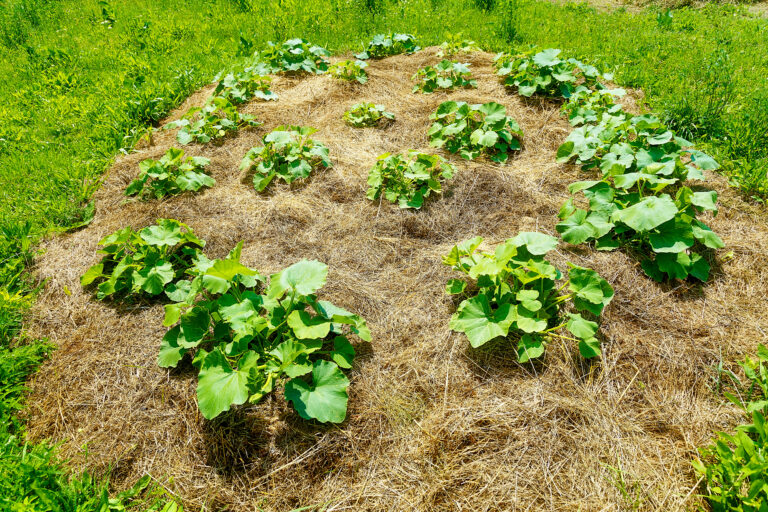
Mulch helps stabilize moisture and reduces watering stress.
5. Overfertilizing with Nitrogen
This mistake creates beautiful plants with very little fruit.
Too Much Nitrogen Causes
- Excess leafy growth
- Delayed flowering
- Fewer tomatoes
Better Feeding Strategy
Use balanced fertilizers early, then switch to lower nitrogen and higher phosphorus/potassium once flowering begins.
I rely heavily on:
- compost,
- aged manure,
- and moderate organic feeding.
6. Not Supporting Plants Early
Tomato plants become heavy quickly.
The Problem
Without support:
- stems break,
- fruit rots on soil,
- disease spreads more easily,
- harvesting becomes difficult.
What Works Best
Install:
- cages,
- stakes,
- or trellises
at planting time—not later.
Trying to support sprawling tomatoes after growth begins usually damages roots and stems.
7. Ignoring Soil Quality
Healthy soil grows healthy tomatoes.
Poor Soil Leads To
- weak growth,
- nutrient deficiencies,
- and reduced harvests.
My Soil Routine
Each season I add:
- compost,
- organic matter,
- and sometimes worm castings or aged manure.
Loose, fertile soil encourages deep rooting and steady growth.
8. Wetting the Leaves
Tomato diseases spread quickly on wet foliage.
Why It Matters
Water sitting on leaves encourages fungal problems, especially during warm weather.
Better Method
Water:
- at the base of the plant,
- early in the day,
- using drip irrigation or soaker hoses when possible.
This simple habit greatly reduces disease pressure.
9. Skipping Mulch
Mulch may be the most underrated tomato tool.
Benefits of Mulching
Mulch helps:
- conserve moisture,
- regulate soil temperature,
- reduce weeds,
- and prevent soil-borne disease splash.
My Favorite Mulches
- Straw
- Shredded leaves
- Compost
- Fine bark
I usually apply mulch once soil warms in late spring.
10. Letting Diseases Spread
Tomato diseases move fast.
Common Diseases
- Early blight
- Late blight
- Septoria leaf spot
- Powdery mildew
Early Warning Signs
- Yellow lower leaves
- Brown spots
- Wilting
- Leaf drop
Prevention Tips
- Remove infected leaves immediately
- Improve airflow
- Avoid overhead watering
- Rotate crops yearly
In my experience, prevention matters far more than treatment.
11. Choosing the Wrong Variety
Not all tomatoes perform equally in every climate.
Common Mistake
Gardeners often choose varieties based only on popularity.
Better Strategy
Select varieties suited for:
- your climate,
- growing season,
- and available space.
Reliable Choices
For beginners, I often recommend:
- Celebrity
- Early Girl
- Better Boy
- Sungold
- Roma
These tend to be productive and dependable.
12. Waiting Too Long to Harvest
Overripe tomatoes attract pests and crack easily.
Best Harvest Timing
Pick tomatoes:
- when fully colored,
- but still slightly firm.
Tomatoes continue ripening indoors if needed.
13. Forgetting Succession Planting
Many gardeners plant tomatoes once and stop.
My Approach
I often stagger plantings by:
- 2 to 4 weeks
to extend harvests through late summer and fall.
This keeps fresh tomatoes coming much longer.
14. Pruning Too Aggressively
Some pruning helps; too much hurts production.
Overpruning Can
- reduce fruit production,
- expose fruit to sunscald,
- and stress plants.
My Rule
I remove:
- lower diseased leaves,
- crowded interior growth,
- and excessive suckers on indeterminate plants.
But I avoid stripping plants heavily.
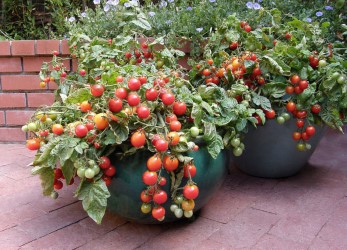
15. Growing Tomatoes in Cold Soil Containers
Container tomatoes heat and cool quickly.
The Problem
Small containers and cold soil stunt roots.
Better Container Growing
Use:
- large containers,
- quality potting mix,
- and warm locations with full sun.
I recommend containers at least 15–20 gallons for indeterminate varieties.
The Most Important Tomato Lesson
Tomatoes thrive when gardeners focus on root health and consistency.
Most problems begin with:
- cold soil,
- uneven watering,
- poor airflow,
- or stressed roots.
Once plants establish strong roots in warm, fertile soil, they become far more productive and resilient.
Final Thoughts
Tomatoes are one of the most satisfying crops a home gardener can grow. Even after decades of gardening, I still learn something new each season.
The key is not perfection—it’s observation.
Healthy tomato gardening comes from:
- watching plants closely,
- responding early to problems,
- and building healthy soil year after year.
Avoid these common mistakes, and your tomato plants will reward you with healthier growth, better flavor, and larger harvests all season long.