Blossom End Rot in Tomatoes (Causes, Prevention, and Treatment Guide)

Blossom end rot (BER) is one of the most frustrating tomato problems—perfect-looking fruit suddenly develops a dark, sunken patch on the bottom. The good news: it’s preventable and manageable once you understand the cause.
After decades of growing tomatoes in raised beds and containers in a Zone 9b climate, I’ve found that blossom end rot is rarely about a lack of calcium in the soil—it’s about inconsistent watering and root stress.
🍅 What Is Blossom End Rot?
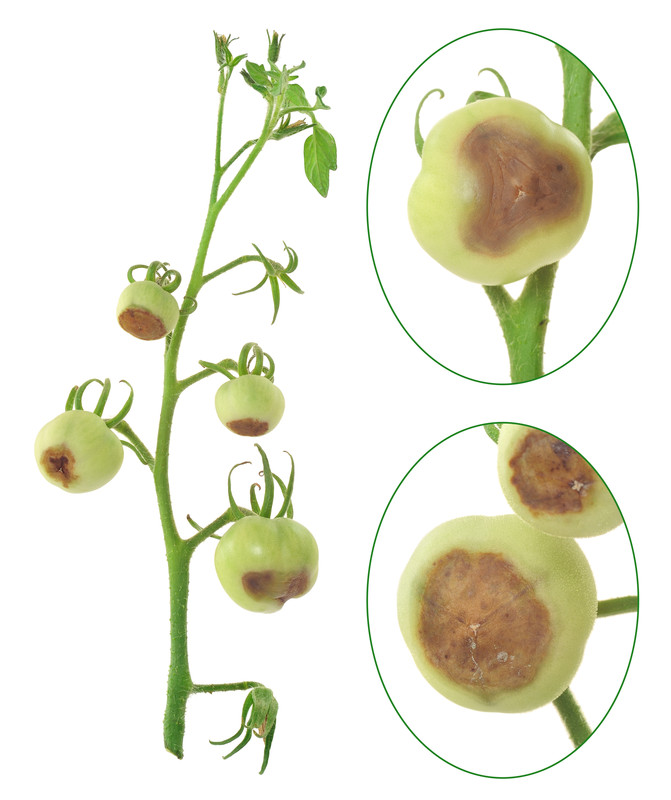
Blossom end rot appears as:
- A dark, leathery spot on the blossom end (bottom) of the fruit
- Spots that enlarge and turn black or brown
- Often affects the first fruits on a plant
It’s a physiological disorder, not a disease—so it doesn’t spread plant to plant.
Know What to Plant This Week
Every week I answer the gardener's most important question: what should I plant now? Get seasonal planting advice free — or go Pro for my full Soil Temperature Garden Report, with soil temperature, moisture, weather trends, and crop-by-crop recommendations.
🟡 The Real Cause (What’s Actually Happening)
Blossom end rot happens when the plant can’t move enough calcium into developing fruit.
Even if calcium is present in the soil, the plant may not be able to absorb or transport it due to:
- Uneven watering
- Root damage
- Rapid growth spurts
- Temperature swings
👉 Calcium moves with water inside the plant. No steady water = no steady calcium supply.
⚠️ Common Causes of Blossom End Rot
1. Inconsistent Watering (Most Common)
- Soil swings from dry → wet
- Roots can’t regulate nutrient uptake
2. Drought Stress
- Dry soil prevents calcium movement
- Common in containers and raised beds
3. Overwatering / Poor Drainage
- Waterlogged roots can’t function properly
4. Root Damage
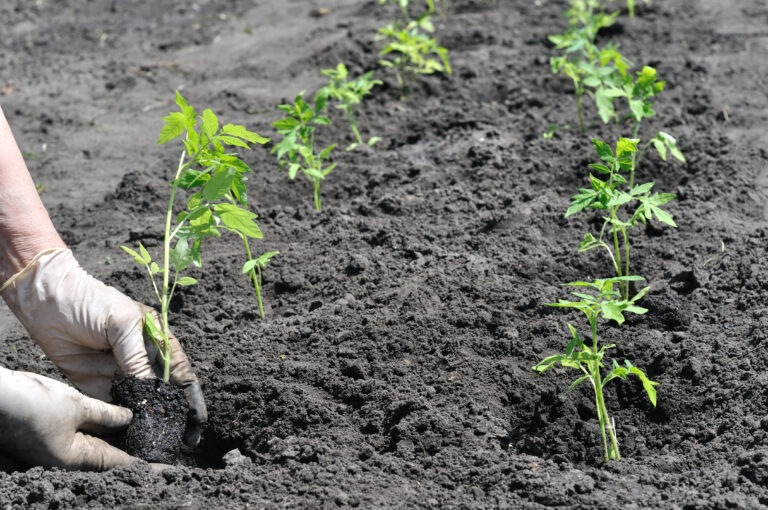
- Transplant shock
- Cultivating too close to plants
- Root-bound containers
5. Excess Nitrogen Fertilizer
- Causes rapid leafy growth
- Calcium gets diverted away from fruit
6. Cold or Fluctuating Temperatures
- Slows root function
- Common in early season plantings
🛠️ How to Prevent Blossom End Rot
💧 1. Water Consistently
- Keep soil evenly moist, not wet
- Water deeply 2–3 times per week
- Check moisture 2–3 inches below the surface
👉 See: How Often to Water Vegetable Gardens in Spring
🌱 2. Improve Soil Structure
- Add compost before planting
- Ensure good drainage
👉 See: Best Soil Mix for Raised Bed Vegetables
🍂 3. Mulch the Soil
- Reduces moisture swings
- Keeps roots cool and stable
🪴 4. Use Proper Container Size
- At least 5–10 gallons per tomato plant
- Prevents rapid drying and stress
👉 See: Best Self-Watering Containers for Vegetables
🌿 5. Fertilize Moderately
- Avoid high-nitrogen fertilizers early on
- Use balanced feeding
👉 See: Container Gardening Fertilizer Schedule
🌞 6. Plant at the Right Time
- Wait until soil is warm for tomatoes
- Avoid early-season cold stress
🚑 Can You Treat Blossom End Rot?
On Affected Fruit:
- Remove damaged tomatoes
- They won’t recover and drain plant energy
On the Plant:
- Correct watering immediately
- Maintain consistent moisture going forward
👉 New fruits are usually healthy once conditions improve.
⚠️ Do Calcium Sprays Work?
Short answer: usually no
- Foliar sprays don’t effectively move calcium into fruit
- The issue is uptake and transport—not supply
👉 Experience insight: I’ve never solved BER with sprays—but I’ve stopped it quickly by stabilizing watering.
🌿 My Proven Method
In my Zone 9b garden, I prevent blossom end rot with a simple system:
- Compost-rich soil before planting
- Deep, consistent watering (not frequent shallow watering)
- Mulch after soil warms
- Equidistant planting to naturally shade soil
Using this approach, BER shows up occasionally on early fruit—but disappears completely as plants mature.
🔗 Suggested Related Posts
- Why Are My Young Plants Yellow?
- How Often to Water Vegetable Gardens in Spring
- How to Grow Tomatoes in Containers (Step-by-Step)
- Why Container Vegetables Fail
- Best Soil Mix for Raised Bed Vegetables
🪴 Blossom End Rot in Container Tomatoes (Special Considerations)
Blossom end rot shows up more often in containers than in in-ground gardens—and almost always for one reason: containers dry out fast and unevenly.
In pots, the margin for error is small. A single day of drying followed by heavy watering can trigger BER on developing fruit.
⚠️ Why Containers Increase the Risk
- Limited soil volume = less consistent moisture
- Faster drying from sun and wind
- Roots heat up quickly, stressing the plant
- Frequent watering mistakes (too much, too little, or irregular timing)
👉 Even if your potting mix contains calcium, the plant can’t access it without steady moisture.
🟡 Common Container Mistakes That Cause BER
- Letting pots dry out completely between waterings
- Using containers that are too small
- Inconsistent watering (heavy soak → dry → soak)
- Poor-quality potting mix that drains too fast or too slow
🛠️ How to Prevent Blossom End Rot in Containers
🪴 1. Use Large Containers
- Minimum 5 gallons, ideally 10 gallons per plant
- Larger soil volume = more stable moisture
💧 2. Water Consistently (Sometimes Daily)
- Check soil every day in warm weather
- Water when the top 1–2 inches are dry
- Ensure water drains freely from the bottom
👉 In hot or windy spring days, containers may need daily watering
🌿 3. Use a High-Quality Potting Mix
- Moisture-retentive but well-drained
- Avoid heavy garden soil in pots
🍂 4. Mulch the Surface
- Add 1–2 inches of straw or compost
- Reduces evaporation and temperature swings
🪟 5. Manage Heat and Exposure
- Avoid placing containers against hot walls
- Provide afternoon shade during heat spikes
⚖️ 6. Feed Lightly and Consistently
- Avoid over-fertilizing
- Use balanced, steady feeding
🚑 If BER Appears in Containers
- Remove affected fruit
- Immediately correct watering consistency
- Monitor daily for soil moisture
👉 New fruit will usually develop normally once watering stabilizes.
🌿 My Container Method
When I grow tomatoes in containers, I treat watering as a daily observation practice, not a schedule:
- I use large containers (10+ gallons)
- I add compost-rich potting mix
- I check moisture every morning
- I mulch the surface to slow evaporation
This approach nearly eliminates blossom end rot—even in warm, fast-drying conditions.
Bottom line: In containers, blossom end rot is almost always a watering consistency issue. Control moisture, and you control the problem.
❓Q&A: Blossom End Rot
Q: Will affected tomatoes recover?
A: No. Once a fruit shows BER, it won’t heal. Focus on new growth.
Q: Should I add calcium to the soil?
A: Usually not necessary. Most soils already contain enough calcium.
Q: Why does it happen on the first fruits?
A: Early growth is uneven, and roots are still establishing.
Q: Can inconsistent watering cause it even if I fertilize well?
A: Yes. Water consistency matters more than fertilizer.
Q: Is blossom end rot contagious?
A: No. It’s not a disease—just a physiological imbalance.
🌿 Bottom Line
Blossom end rot isn’t a mystery or a disease—it’s a watering and root management issue. Keep moisture consistent, protect roots, and your tomatoes will grow clean, healthy fruit.