Extreme Heat Gardening: 15 Ways to Keep Vegetables Alive When Temperatures Top 95°F

A few hot afternoons won’t usually hurt an established vegetable garden. But when temperatures climb above 95°F for several consecutive days, plants begin operating in survival mode. They conserve water, slow growth, stop producing flowers, and direct energy toward staying alive rather than producing vegetables.
The good news is that most vegetable crops can survive—even thrive—through periods of extreme heat if you take a few simple precautions before temperatures peak.
After gardening for more than 30 years in California’s warm summers, I’ve learned that successful heat-wave gardening isn’t about fighting the weather. It’s about helping plants conserve moisture, protect their roots, and recover each night.
Here are 15 proven strategies that can make the difference between a productive summer garden and disappointing crop losses.
Know What to Plant This Week
Every week I answer the gardener's most important question: what should I plant now? Get seasonal planting advice free — or go Pro for my full Soil Temperature Garden Report, with soil temperature, moisture, weather trends, and crop-by-crop recommendations.
1. Water Before the Heat Peaks
Don’t wait until vegetables wilt.
Water thoroughly early in the morning before temperatures begin rising. Moist soil stores more heat than dry soil but also supplies plants with the water they need for evaporative cooling throughout the day.
Morning watering also reduces evaporation and allows foliage to dry quickly, lowering disease risk.
2. Water Deeply Instead of Frequently
Light daily watering encourages shallow roots that dry out quickly.
Instead:
- Soak soil 8 to 12 inches deep.
- Water slowly.
- Let moisture penetrate the entire root zone.
Deep-rooted plants handle heat much better than shallow-rooted plants.
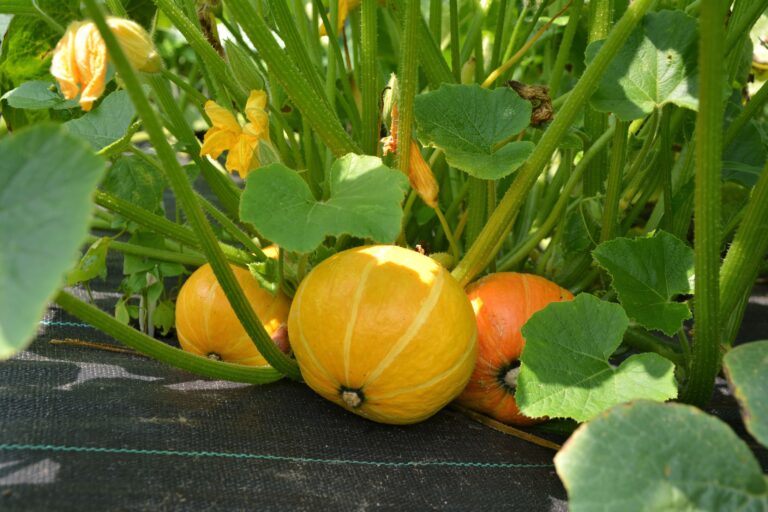
3. Mulch Every Bed
Mulch is one of the most effective tools for surviving extreme heat.
A 2- to 4-inch layer of organic mulch:
- Reduces evaporation
- Keeps soil cooler
- Suppresses weeds
- Prevents soil crusting
- Improves water efficiency
Good choices include straw, shredded leaves, compost, and untreated wood chips.
4. Install Shade Cloth
Temporary shade can reduce plant stress dramatically.
Use:
- 30–40% shade for tomatoes, peppers, beans, cucumbers, and squash
- 40–50% shade for lettuce, spinach, kale, broccoli, and herbs
Provide shade primarily during the hottest afternoon hours while allowing morning sunlight.
5. Avoid Midday Watering
Water applied during the hottest part of the day evaporates quickly before soaking into the soil.
If plants wilt during the afternoon but recover by evening, they usually do not need additional irrigation.
Instead, water thoroughly the following morning.
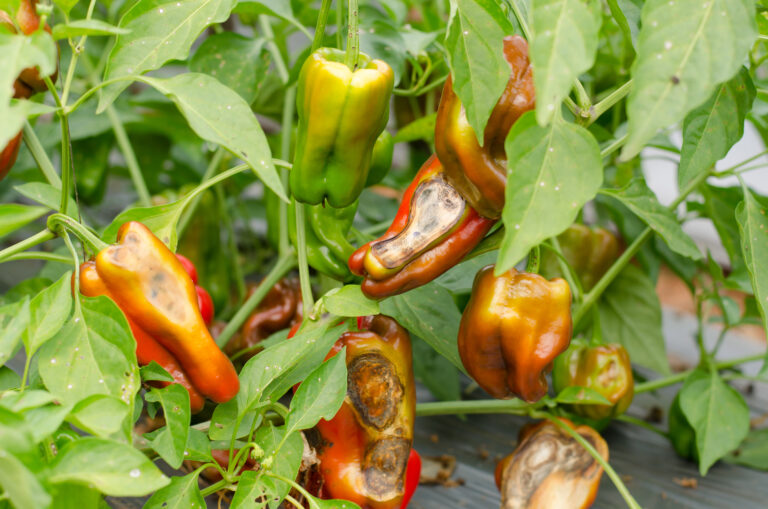
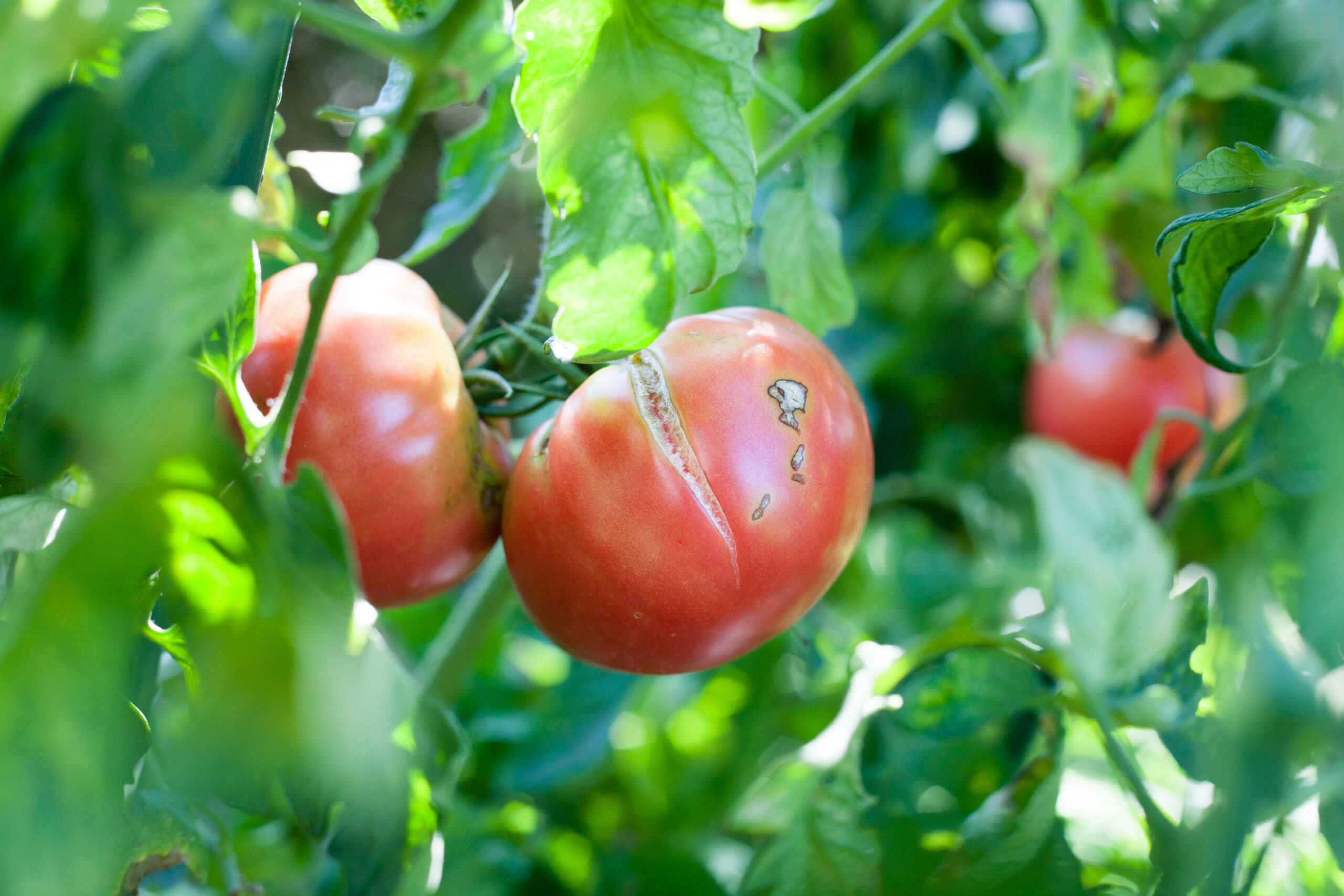
6. Keep Fruit Covered
Leaves naturally protect fruit.
Avoid heavy summer pruning that exposes tomatoes, peppers, cucumbers, and squash to direct afternoon sun.
Sunscald produces pale, leathery patches that ruin otherwise healthy vegetables.
7. Harvest Earlier
Heat speeds fruit maturity.
Harvest vegetables:
- Cucumbers small
- Zucchini young
- Beans while tender
- Okra frequently
- Tomatoes as they begin coloring
Removing mature fruit encourages continued flowering once temperatures moderate.
8. Skip Fertilizer During Heat Waves
Nitrogen encourages rapid new growth.
Tender growth requires more water and is easily damaged by heat.
Wait until temperatures return to normal before applying fertilizer.
9. Watch Container Gardens Closely
Containers heat up much faster than garden soil.
Large containers stay cooler than small pots.
Move containers where they’ll receive afternoon shade if possible.
During prolonged heat waves, container vegetables may require watering twice daily.
10. Improve Soil with Compost
Healthy soil acts like a sponge.
Organic matter:
- Holds moisture longer
- Improves drainage
- Buffers soil temperatures
- Encourages deeper rooting
Adding compost every season is one of the best long-term defenses against drought and heat.
11. Reduce Competition from Weeds
Weeds compete aggressively for water.
Even small weeds remove valuable moisture from vegetable beds.
Keep beds weed-free before heat waves begin.
12. Protect Young Seedlings
Recently transplanted vegetables are much more vulnerable than established plants.
Provide temporary shade for:
- Tomatoes
- Peppers
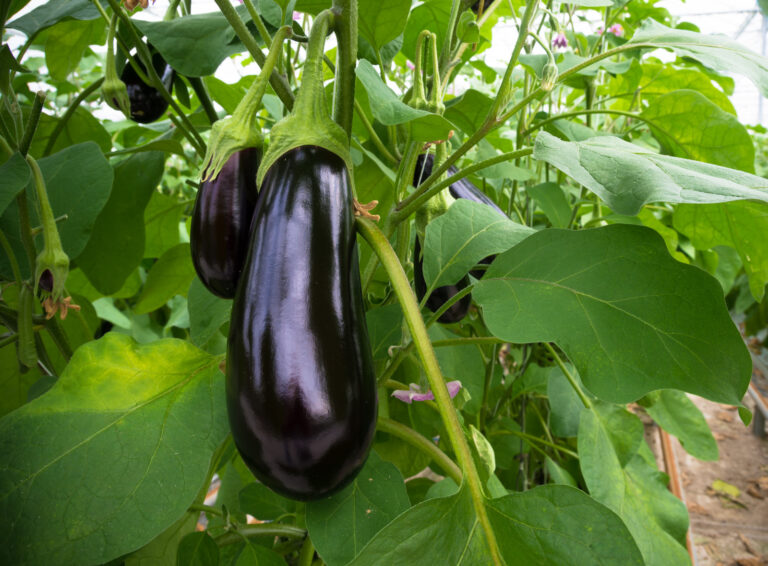
- Eggplant
- Cucumbers
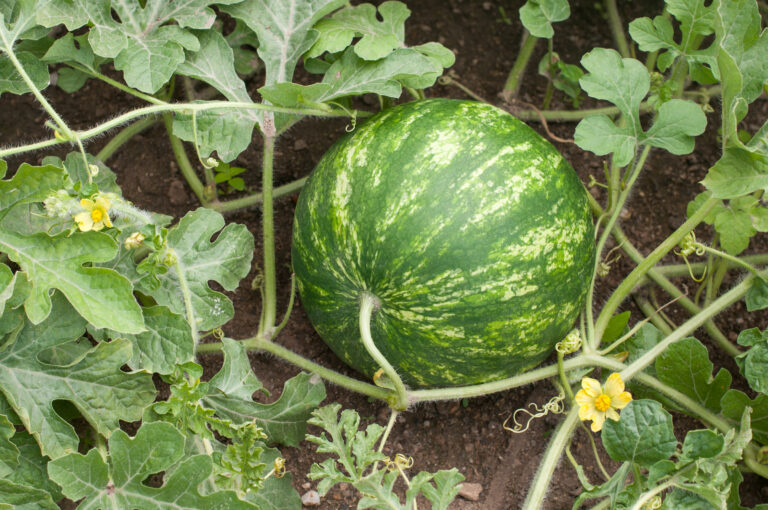
- Melons
Young roots need time to establish before facing extreme temperatures.
13. Know Which Crops Need Extra Help
Cool-season vegetables struggle first:
- Lettuce
- Spinach
- Arugula
- Cilantro
- Broccoli
- Cauliflower
Warm-season vegetables tolerate heat better:
- Tomatoes
- Peppers
- Eggplant
- Sweet corn
- Cucumbers
Heat-loving vegetables often flourish:
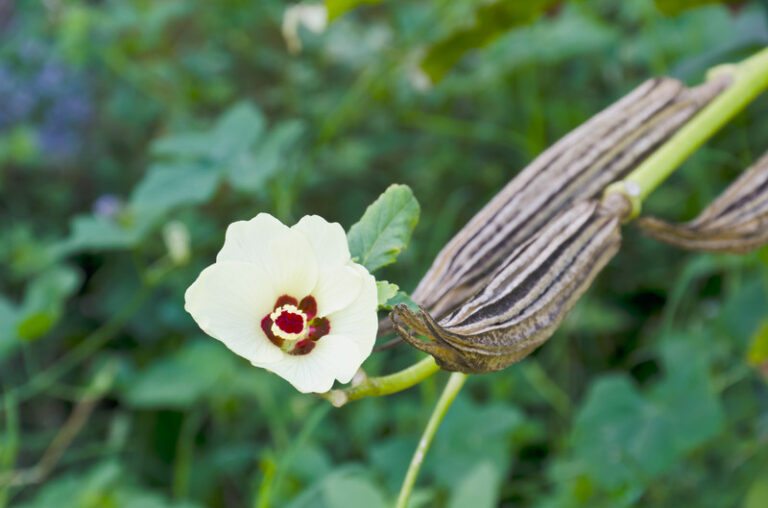
- Okra
- Sweet potatoes
- Southern peas
- Yardlong beans
- Malabar spinach
Prioritize watering and shading accordingly.
14. Learn the Difference Between Temporary and Serious Wilting
Afternoon wilting isn’t always dangerous.
Many vegetables wilt temporarily during intense heat but recover overnight.
Take action if plants:
- Remain wilted after sunset
- Have moist soil but limp stems
- Develop scorched leaves
- Drop flowers or fruit continuously
These symptoms suggest more serious stress.
15. Prepare Before the Forecast Reaches 95°F
The best heat protection starts before temperatures soar.
Keep these supplies ready:
- Organic mulch
- Shade cloth
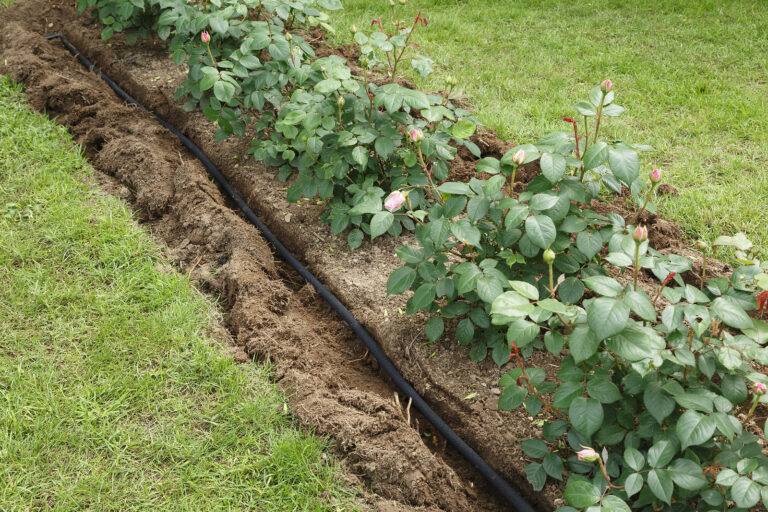
- Drip irrigation
- Soaker hoses
- Compost
- Moisture meter
Preparation is much easier than trying to rescue stressed plants after damage has begun.
Best Vegetables for Hot Weather
If your summers regularly exceed 95°F, consider growing crops that naturally tolerate heat.
Excellent choices include:
- Okra
- Eggplant
- Sweet potatoes
- Southern peas
- Yardlong beans
- Armenian cucumbers
- Hot peppers
- Malabar spinach
- New Zealand spinach
These vegetables continue producing long after many cool-season crops have stopped.
Common Heat-Wave Mistakes
Avoid these common errors:
- Watering lightly every day
- Removing too many leaves
- Fertilizing during heat waves
- Allowing weeds to compete
- Waiting until plants wilt before watering
- Ignoring mulch
- Planting cool-season crops in midsummer
Small adjustments often make the biggest difference.
Final Thoughts
Extreme heat is becoming a more frequent challenge for vegetable gardeners, but it doesn’t have to mean crop failure. The keys are simple: build healthy soil, water deeply, mulch generously, provide temporary shade when needed, and observe your plants daily.
I’ve found over decades of gardening that vegetables are remarkably resilient when their roots stay cool and evenly moist. By focusing on prevention rather than rescue, you can help your garden continue producing through even the hottest weeks of summer.
Want the complete heat-wave playbook? For step-by-step guidance before, during, and after a heat wave—including watering, shading, mulching, recovery, and crop-specific advice—see The Complete Guide to Growing Vegetables in Extreme Summer Heat.
Frequently Asked Questions
What temperature is too hot for vegetable gardens?
Most vegetables begin experiencing heat stress when daytime temperatures remain above 95°F, especially if nighttime temperatures stay above 70°F and plants cannot recover.
Should I water vegetables twice a day during a heat wave?
Garden plants growing in the ground usually benefit more from deep morning watering than frequent shallow watering. Container vegetables may need additional watering in late afternoon during prolonged extreme heat.
Does shade cloth really help?
Yes. Properly installed shade cloth can lower leaf temperatures by several degrees while still allowing enough sunlight for photosynthesis.
Will tomatoes produce fruit above 95°F?
Tomato plants often survive temperatures above 95°F, but pollen becomes less viable, causing blossoms to drop. Fruit production typically resumes once daytime temperatures moderate.
About the Author
Stephen Albert is a horticulturist, certified nurseryman, and longtime vegetable gardener with more than 30 years of hands-on experience growing food in climates ranging from New England to Northern California. He is the author of several vegetable gardening books and the founder of Harvest to Table. The practical advice in this article is based on decades of observing how vegetables respond to heat waves in real gardens, combined with established horticultural best practices for water management, soil health, and plant protection.