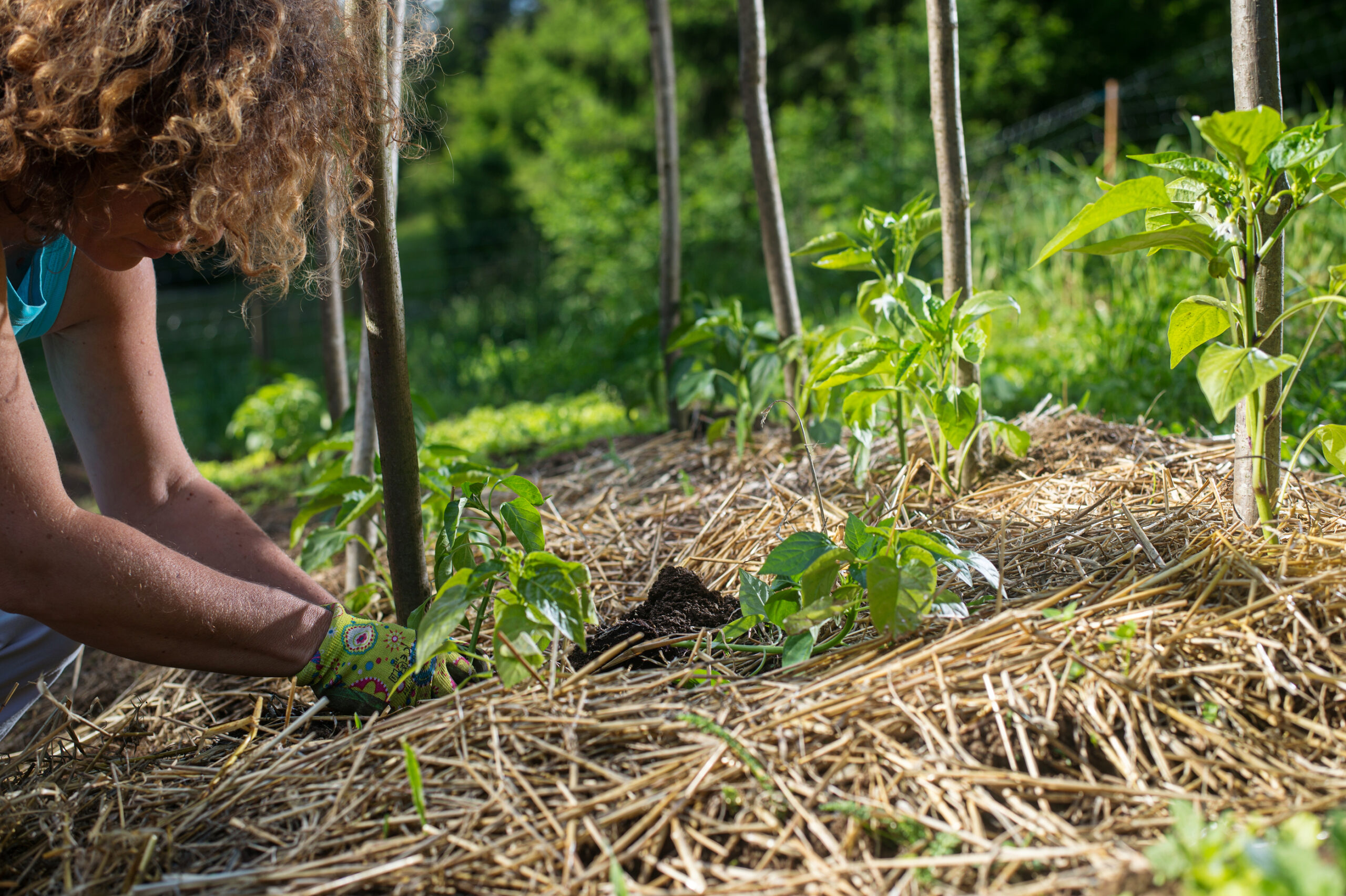
Mulching Vegetables for Hot Weather

Mulching is one of the most effective and least appreciated techniques for protecting a vegetable garden during hot weather. When temperatures rise above 90°F, exposed soil can heat rapidly, water evaporates quickly, and plant roots are placed under constant stress. A well-mulched garden, by contrast, stays cooler, retains moisture longer, and supports more stable plant growth.
After more than 30 years of growing vegetables in California’s inland valleys and other hot-summer climates, I’ve found that mulch is often the difference between a garden that struggles through July and August—and one that continues producing steadily through extreme heat. It is not an optional technique in hot climates; it is foundational.
Here’s how to use mulch effectively to protect vegetables during hot weather.
🌡️ Why Mulch Matters in Hot Weather
Bare soil behaves like a heat sponge during summer.
Know What to Plant This Week
Every week I answer the gardener's most important question: what should I plant now? Get seasonal planting advice free — or go Pro for my full Soil Temperature Garden Report, with soil temperature, moisture, weather trends, and crop-by-crop recommendations.
When exposed to direct sun:
- Soil temperatures can exceed safe root levels
- Moisture evaporates rapidly
- Microbial life becomes less active
- Root growth slows or stops
Mulch creates a protective buffer between the sun and the soil.
🌿 What Mulch Does for Vegetable Gardens
Proper mulching provides multiple benefits at once:
💧 Conserves soil moisture
Mulch reduces evaporation, meaning less frequent watering is needed.
🌡️ Cools the root zone
Soil temperatures remain more stable, even during heat waves.
🌱 Supports healthy root growth
Cooler, moist soil encourages deeper rooting.
🦠 Improves soil biology
Beneficial microbes function better in stable conditions.
🌾 Reduces weed competition
Weeds that compete for water and nutrients are suppressed.
🪴 Best Mulch Materials for Vegetable Gardens
Not all mulch materials behave the same way in hot weather.
✔ Straw
- Light, airy, and effective
- Excellent for tomatoes, peppers, and beans
- Breaks down slowly
✔ Shredded leaves
- High-quality organic material
- Improves soil structure over time
- Widely available and inexpensive
✔ Compost
- Adds nutrients while mulching
- Best used in thin layers or under straw
- Excellent for intensive beds
✔ Grass clippings (dried)
- High nitrogen content
- Must be applied in thin layers to avoid matting
✔ Wood chips (for paths, not beds)
- Excellent for walkways
- Not ideal directly around annual vegetables
📏 How Thick Should Mulch Be?
The ideal mulch depth in hot weather is:
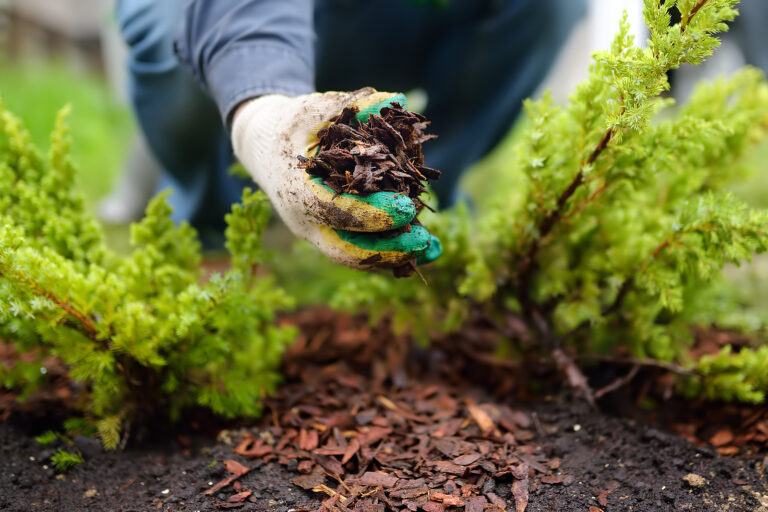
- 2–4 inches for most vegetable beds
- Thicker layers for extreme heat or sandy soils
Too little mulch provides minimal protection. Too much (especially wet mulch) can restrict airflow or hold excess moisture.
Balance is key.
🌱 When to Apply Mulch
Timing matters almost as much as material.
Best times:
- Early spring before peak heat
- Mid-season before heat waves
- Immediately after planting or transplanting
Avoid:
- Applying mulch to extremely dry soil without watering first
- Smothering small seedlings
Always water soil before applying mulch so moisture is trapped underneath.
☀️ Mulching During a Heat Wave
If a heat wave is already underway:
- Water deeply first
- Apply mulch immediately afterward
- Focus on high-value crops (tomatoes, peppers, cucumbers)
- Avoid disturbing plant roots during application
Even late mulching can significantly reduce heat stress.
🌿 Common Mulching Mistakes
Even experienced gardeners make these errors:
❌ Mulching too thin
Provides little temperature or moisture protection.
❌ Piling mulch against stems
Can cause rot and disease issues.
❌ Using fresh, wet grass in thick layers
Can mat and block air exchange.
❌ Leaving soil bare during peak summer
Leads to rapid moisture loss and root stress.
🧠 How Mulch Reduces Heat Stress in Vegetables
Mulch works at the root level, where heat damage often begins.
During extreme heat:
- Roots in bare soil can overheat
- Water uptake becomes inefficient
- Plants wilt even when soil appears moist
Mulch moderates these extremes, keeping the root environment stable enough for continuous growth and fruiting.
🍅 Which Vegetables Benefit Most from Mulching?
All vegetables benefit, but some respond especially well:
High benefit crops:
- Tomatoes
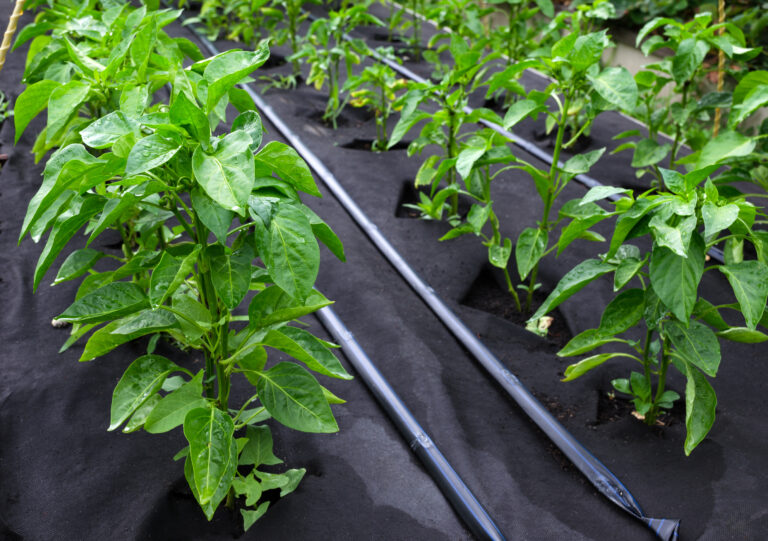
- Peppers
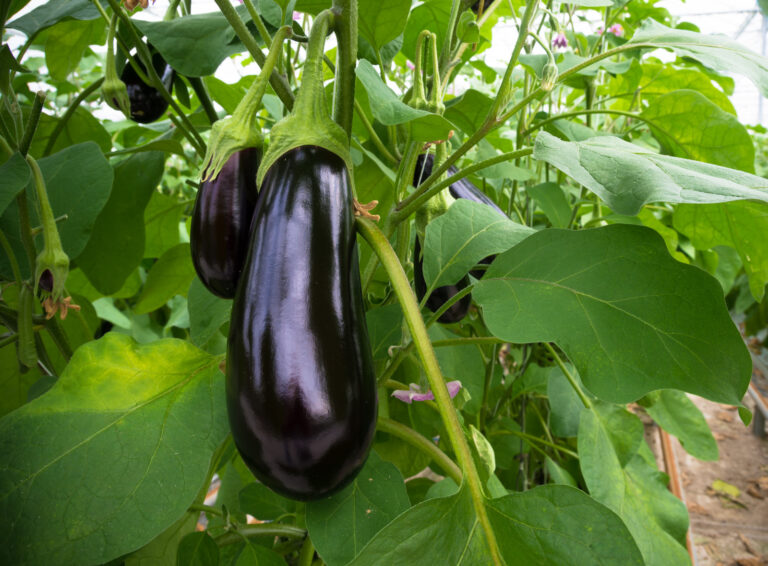
- Eggplant
- Cucumbers
- Beans
- Squash
Moderate benefit:
- Corn
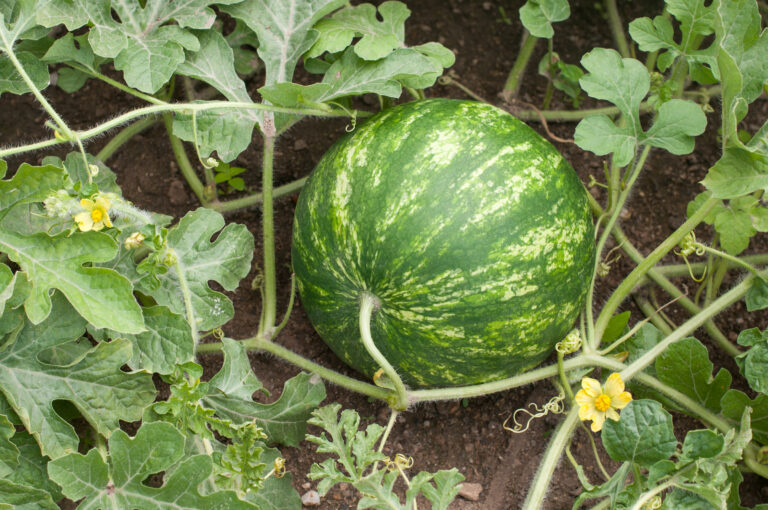
- Melons
- Leafy greens (especially in partial shade systems)
🌞 Mulch and Water Efficiency
One of the most important benefits of mulch is reduced irrigation demand.
In hot weather, mulched gardens often require:
- Less frequent watering
- More stable soil moisture
- Reduced plant stress between watering cycles
This is especially important in raised beds and container gardens.
🌿 Why This Guidance Is Reliable
This information is based on established horticultural principles and more than three decades of practical experience.
Stephen Albert is a horticulturist, certified nurseryman, and Master Gardener educator with over 30 years of experience growing vegetables in warm and hot-summer climates, including California’s inland valleys. His recommendations are grounded in plant physiology, soil science, irrigation management, and long-term field observation of vegetable garden performance under heat stress conditions.
🌞 Final Thoughts
Mulching is one of the simplest and most powerful tools for managing vegetable gardens in hot weather. It stabilizes soil temperature, conserves moisture, and reduces plant stress at the root level—where heat damage often begins. In extreme summer conditions, mulch is not just helpful; it is essential.
In my own gardens, I consistently see the same pattern: beds with good mulch stay productive longer, require less irrigation, and recover faster from heat waves. When combined with proper watering and smart plant selection, mulching becomes the foundation of a resilient summer garden that continues producing even in high heat.
Want the complete heat-wave playbook? For step-by-step guidance before, during, and after a heat wave—including watering, shading, mulching, recovery, and crop-specific advice—see The Complete Guide to Growing Vegetables in Extreme Summer Heat.