How Heat and Humidity Affect Vegetable Plants—and What Gardeners Should Do

Hot weather alone can challenge a vegetable garden. Add high humidity, and plants face an entirely different set of problems. While gardeners often focus on temperature, humidity plays an equally important role in determining how well vegetables grow, flower, and produce.
High temperatures combined with humid air can slow plant cooling, encourage diseases, interfere with pollination, and reduce harvests. Fortunately, there are practical steps you can take to help your garden stay productive during periods of hot, humid weather.
After more than 30 years of growing vegetables in a range of climates—from humid New England summers to the dry heat of Northern California—I’ve found that understanding how heat and humidity work together is one of the keys to maintaining a healthy vegetable garden.
Why Heat and Humidity Matter Together
Plants cool themselves much like people do.
Know What to Plant This Week
Every week I answer the gardener's most important question: what should I plant now? Get seasonal planting advice free — or go Pro for my full Soil Temperature Garden Report, with soil temperature, moisture, weather trends, and crop-by-crop recommendations.
Water moves from the roots through the stems and evaporates from tiny pores in the leaves called stomata. This process, known as transpiration, cools the plant and helps transport water and nutrients.
When temperatures rise but humidity remains low, water evaporates readily from the leaves, allowing plants to cool themselves.
When temperatures are high and humidity is high, evaporation slows dramatically. Moist air cannot absorb much more water, so plants lose one of their primary cooling mechanisms.
The result is greater plant stress—even when the soil contains adequate moisture.
What Happens to Vegetables During Hot, Humid Weather?
Leaves Stay Warmer
Without efficient transpiration, leaf temperatures can rise above the surrounding air temperature.
Warm leaves:
- Lose efficiency
- Photosynthesize less effectively
- Require more energy to survive
Plants often slow their growth until conditions improve.
Flower Pollination Declines
Many vegetables produce pollen that becomes less viable when daytime temperatures exceed about 90–95°F.
High humidity compounds the problem.
Sticky pollen may fail to move properly between flowers, reducing pollination and fruit set.
Common crops affected include:
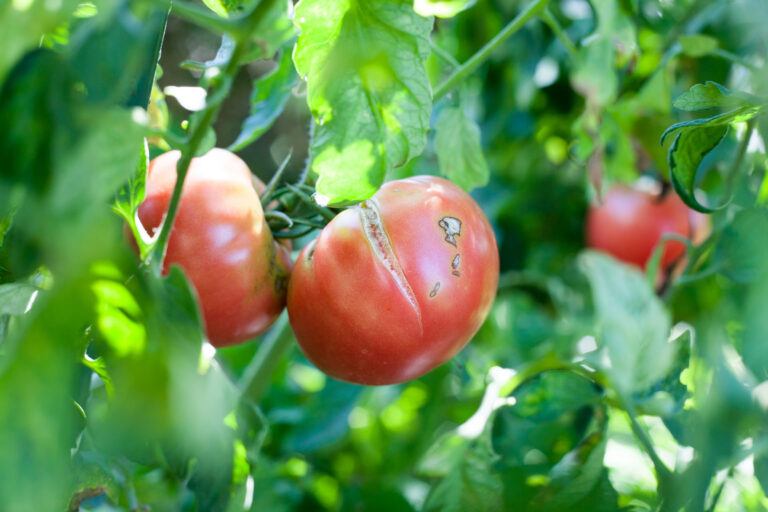
- Tomatoes
- Peppers
- Eggplant
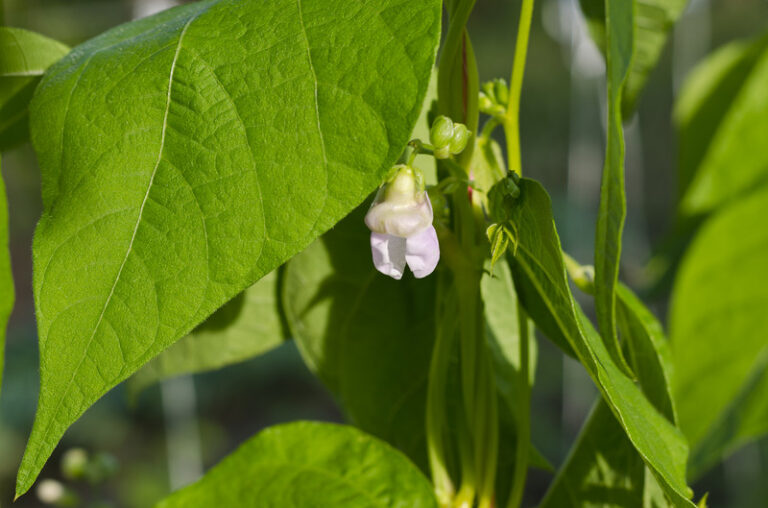
- Beans
Gardeners often notice blossoms dropping without producing fruit.
Disease Pressure Increases
Humidity creates ideal conditions for fungal and bacterial diseases.
Moist leaves remain wet longer after dew, rain, or irrigation.
Common problems include:
- Powdery mildew
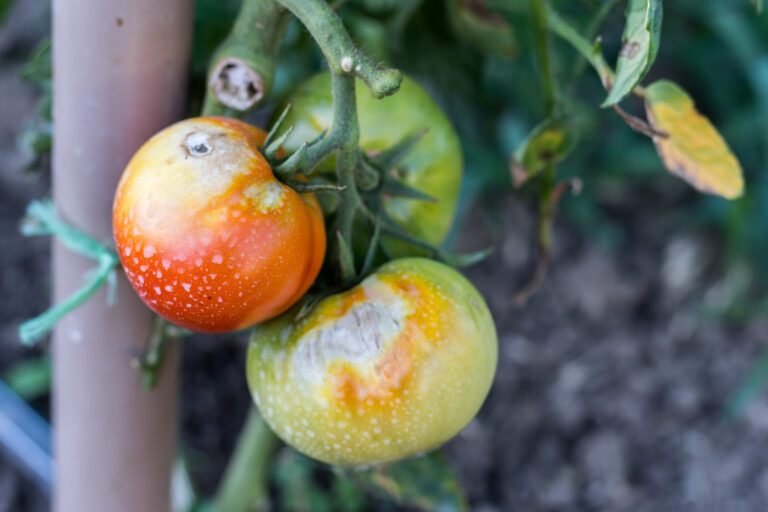
- Early blight
- Septoria leaf spot
- Downy mildew
- Bacterial leaf spot
Poor air circulation makes these diseases spread even faster.
Root Problems Become More Likely
Warm, wet soils contain less oxygen than cooler soils.
Roots need oxygen to function normally.
When soil remains saturated during humid weather:
- Root growth slows.
- Nutrient uptake declines.
- Root diseases become more common.
Good drainage becomes especially important during humid summers.
Fruit Quality May Decline
Heat and humidity can affect:
- Flavor
- Texture
- Color
- Sugar content
Tomatoes may ripen unevenly.
Peppers may develop thinner walls.
Melons may be less sweet if cloudy, humid weather limits photosynthesis.
Vegetables Most Sensitive to Heat and Humidity
Several popular crops struggle during prolonged hot, humid weather.
These include:
- Tomatoes
- Peppers
- Beans
- Cucumbers
- Summer squash
- Lettuce
- Spinach
- Broccoli
- Cauliflower
Many cool-season vegetables bolt quickly under these conditions.
Vegetables That Handle Humid Summers Better
Some crops continue producing despite challenging weather.
Good choices include:
- Okra
- Sweet potatoes
- Southern peas
- Malabar spinach
- Yardlong beans
- Eggplant
- Hot peppers
These vegetables evolved in warm climates and generally tolerate heat better than cool-season crops.
What Gardeners Should Do
Water the Soil, Not the Leaves
Overhead watering leaves foliage wet for long periods.
Instead:
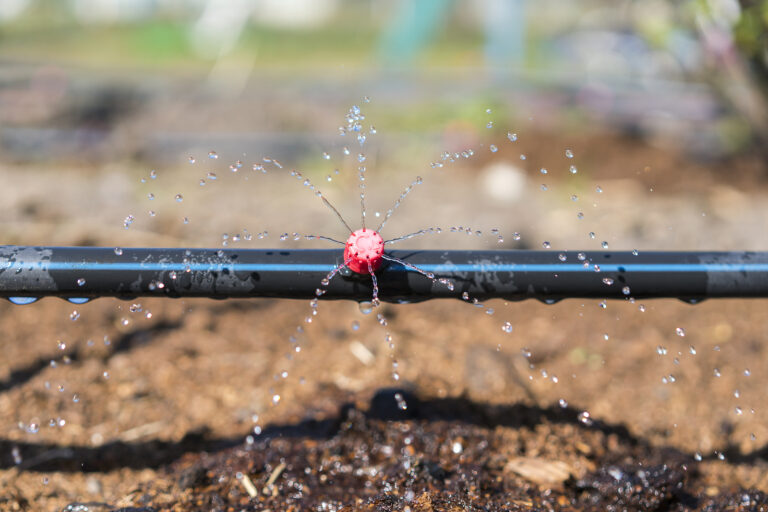
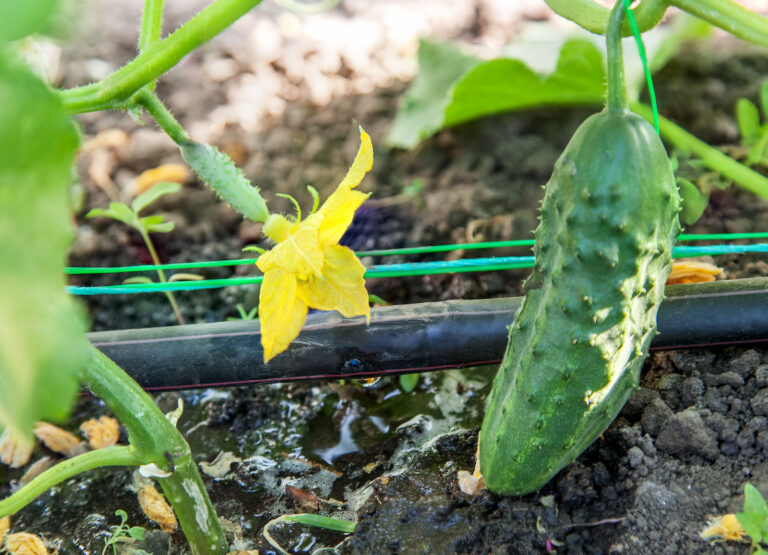
- Use drip irrigation.
- Use soaker hoses.
- Water at the base of plants.
Keeping foliage dry greatly reduces disease problems.
Water Early in the Morning
Morning watering allows leaves to dry quickly while providing moisture before daytime temperatures climb.
Avoid evening overhead irrigation whenever possible.
Improve Air Circulation
Good airflow reduces humidity around plants.
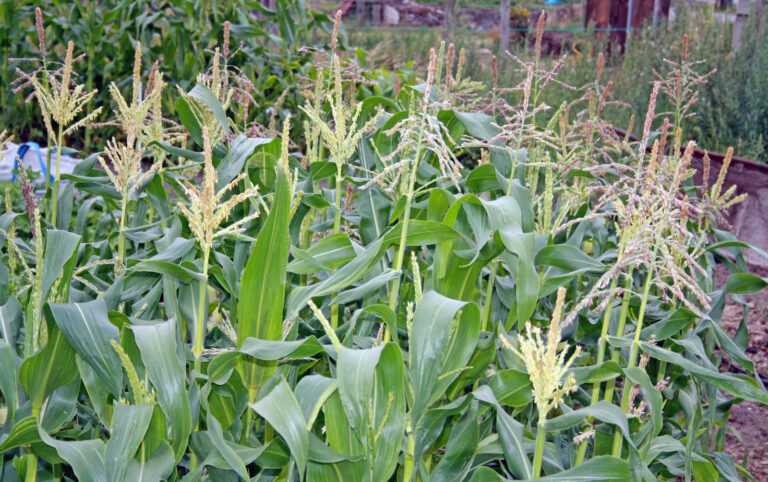
Space vegetables according to mature size.
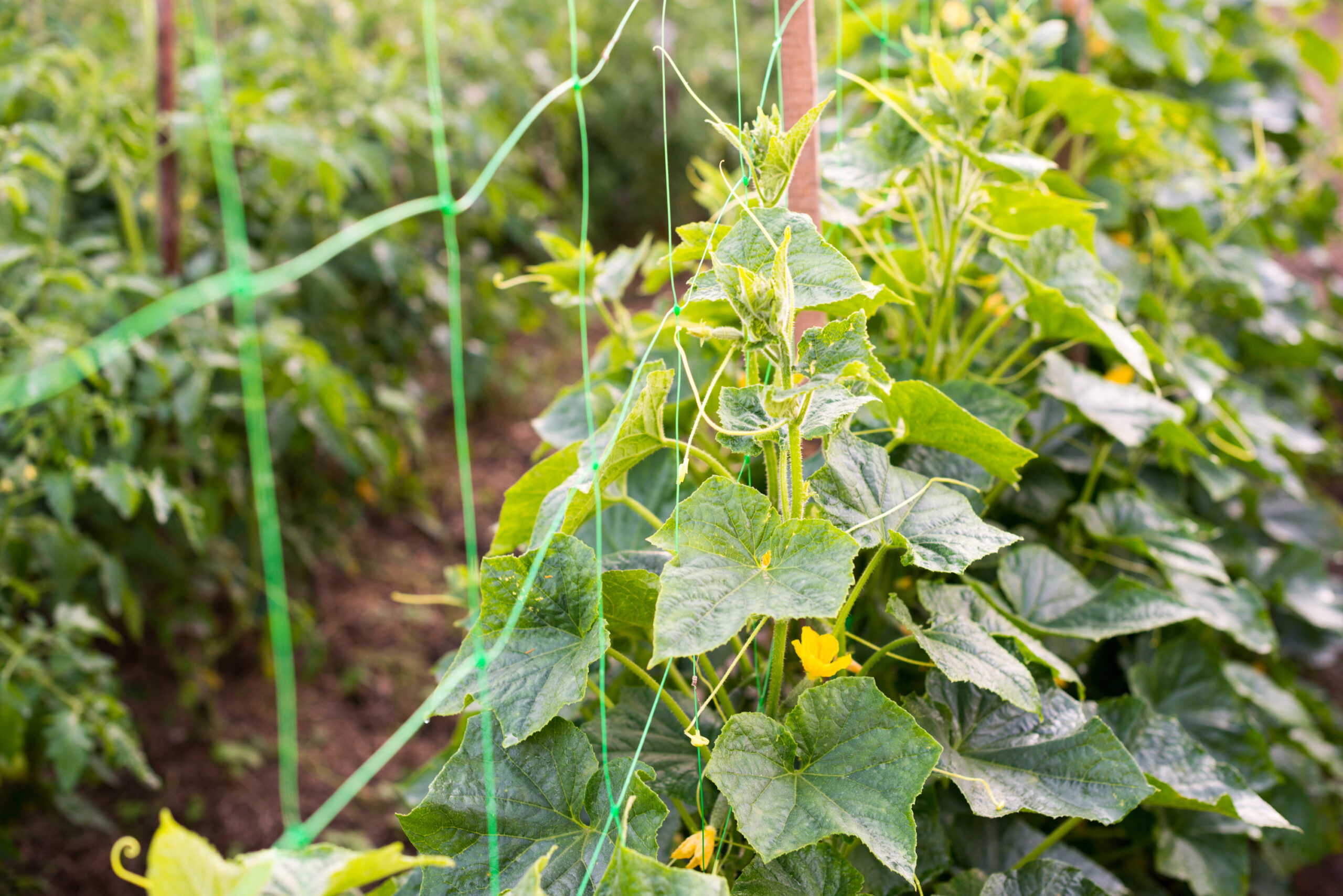
Support vining crops on trellises.
Remove weeds that block airflow.
Prune only lightly to improve circulation while preserving enough foliage to shade fruit.
Mulch the Soil
Organic mulch:
- Reduces soil splashing
- Conserves moisture
- Moderates soil temperatures
- Helps maintain even soil moisture
Mulch also limits the spread of many soil-borne diseases during heavy rains.
Avoid Overcrowding
Crowded gardens trap humid air.
Plants dry more slowly after rain or irrigation.
Proper spacing improves both air movement and disease prevention.
Watch for Disease Early
Inspect plants every few days.
Look for:
- Yellow leaves
- Brown spots
- White fungal growth
- Wilting
- Leaf curling
Removing infected leaves early often slows disease spread.
Skip Heavy Fertilizing
Too much nitrogen encourages dense, leafy growth.
Thick foliage traps moisture and increases disease risk.
Feed vegetables moderately during hot, humid periods.
Harvest Frequently
Frequent harvesting encourages continued flowering.
It also improves air circulation around plants and reduces stress from carrying mature fruit.
Use Shade Cloth During Heat Waves
When temperatures exceed 95°F for several days, temporary shade cloth can reduce heat stress without preventing photosynthesis.
Thirty to forty percent shade is sufficient for many warm-season vegetables.
Choose Disease-Resistant Varieties
Many modern vegetable varieties are bred for improved resistance to common fungal diseases.
If your summers are consistently hot and humid, resistant varieties can make a significant difference in harvest quality.
Common Mistakes During Hot, Humid Weather
Avoid these practices:
- Watering leaves late in the day
- Crowding plants together
- Allowing weeds to overgrow beds
- Fertilizing heavily during extreme heat
- Ignoring early disease symptoms
- Overwatering poorly drained soils
- Pruning away too much protective foliage
Simple adjustments often prevent major problems.
Final Thoughts
Heat and humidity don’t affect vegetables in the same way that dry heat does. High humidity slows the natural cooling process, increases disease pressure, and can interfere with flowering and fruit production. The best response is to create conditions that help plants cope: provide steady soil moisture, improve air circulation, mulch generously, and monitor your garden regularly for signs of stress.
In my own gardens, I’ve learned that the healthiest vegetables are usually those growing in well-prepared soil with consistent moisture, good spacing, and plenty of airflow. Those fundamentals become even more important during long stretches of hot, humid weather.
Want the complete heat-wave playbook? For step-by-step guidance before, during, and after a heat wave—including watering, shading, mulching, recovery, and crop-specific advice—see The Complete Guide to Growing Vegetables in Extreme Summer Heat.
Frequently Asked Questions
Is high humidity good for vegetable plants?
Moderate humidity can reduce water stress, but prolonged high humidity often increases disease problems and reduces plant cooling during hot weather.
Why are my tomato flowers dropping in hot, humid weather?
High temperatures can make pollen sterile, while high humidity prevents pollen from moving freely within flowers. Together, these conditions reduce successful pollination.
Should I water more during humid weather?
Check the soil before watering. Plants may use water more slowly when humidity is high, but they still need consistent soil moisture. Avoid watering simply because the weather feels hot.
Does mulch help in humid climates?
Yes. Mulch conserves moisture, keeps soil temperatures more stable, reduces soil splash that spreads disease, and helps maintain healthier root systems.