The Best Way to Water a Vegetable Garden During Extreme Heat

When temperatures climb above 90°F and stay there for several days, watering becomes the single most important job in the vegetable garden. Water too little, and plants wilt, flowers drop, and harvests decline. Water too much, and you risk shallow roots, nutrient loss, and disease.
The goal during a heat wave isn’t simply to water more—it’s to water smarter.
After more than 30 years of growing vegetables in California’s hot summers and in other climates with challenging weather, I’ve learned that successful watering is about keeping moisture consistently available where roots need it most. Healthy root systems allow plants to withstand periods of intense heat far better than frequent, shallow watering ever can.
Here’s how to water your vegetable garden to help crops survive—and continue producing—during extreme heat.
Know What to Plant This Week
Every week I answer the gardener's most important question: what should I plant now? Get seasonal planting advice free — or go Pro for my full Soil Temperature Garden Report, with soil temperature, moisture, weather trends, and crop-by-crop recommendations.
Why Watering Changes During a Heat Wave
Vegetables lose water through a process called transpiration, where moisture evaporates from tiny pores on the leaves.
During moderate weather, this natural cooling system works efficiently.
During extreme heat:
- Water evaporates faster from the soil.
- Plants lose moisture more rapidly.
- Roots must work harder to replace lost water.
- Flowers and fruit are often sacrificed to conserve energy.
If the soil dries deeply, plants quickly become stressed.
Your objective is to keep the root zone consistently moist, not constantly wet.
Water Deeply Instead of Frequently
One of the biggest mistakes gardeners make is giving vegetables a quick sprinkle every day.
Shallow watering moistens only the top inch or two of soil.
Roots remain near the surface, where temperatures are highest and moisture disappears quickly.
Instead:
- Water slowly.
- Water thoroughly.
- Allow moisture to soak 8 to 12 inches deep.
Deep watering encourages deep roots, making plants more resilient during hot weather.
Water Early in the Morning
The best time to irrigate is between sunrise and mid-morning.
Morning watering offers several advantages:
- Less evaporation
- More water reaches the roots
- Plants begin the day fully hydrated
- Leaves dry quickly if splashed
- Plants can cool themselves throughout the afternoon
Avoid waiting until plants are visibly wilted.
Is Evening Watering Okay?
If morning watering isn’t possible, late afternoon or early evening is the next best option.
Water the soil—not the foliage.
Wet leaves that remain damp overnight may encourage fungal diseases, especially during humid weather.
How Much Water Do Vegetables Need?
Most vegetable gardens require about 1 to 2 inches of water per week under normal summer conditions.
During prolonged temperatures above 95°F, many gardens require considerably more.
Water needs depend on:
- Soil type
- Wind
- Humidity
- Plant size
- Mulch
- Container versus in-ground planting
Rather than following a schedule, check the soil.
Check Soil Moisture Before Watering
The surface often looks dry even when moisture remains deeper in the soil.
Check moisture by:
- Digging 4 to 6 inches below the surface
- Using a moisture meter
- Feeling the soil with your fingers
If the soil feels cool and slightly moist, watering can usually wait.
If it feels dry several inches down, it’s time to irrigate.
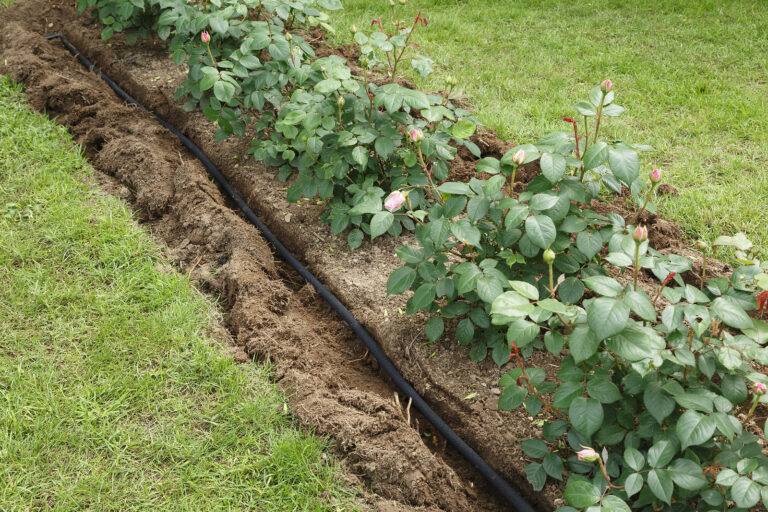
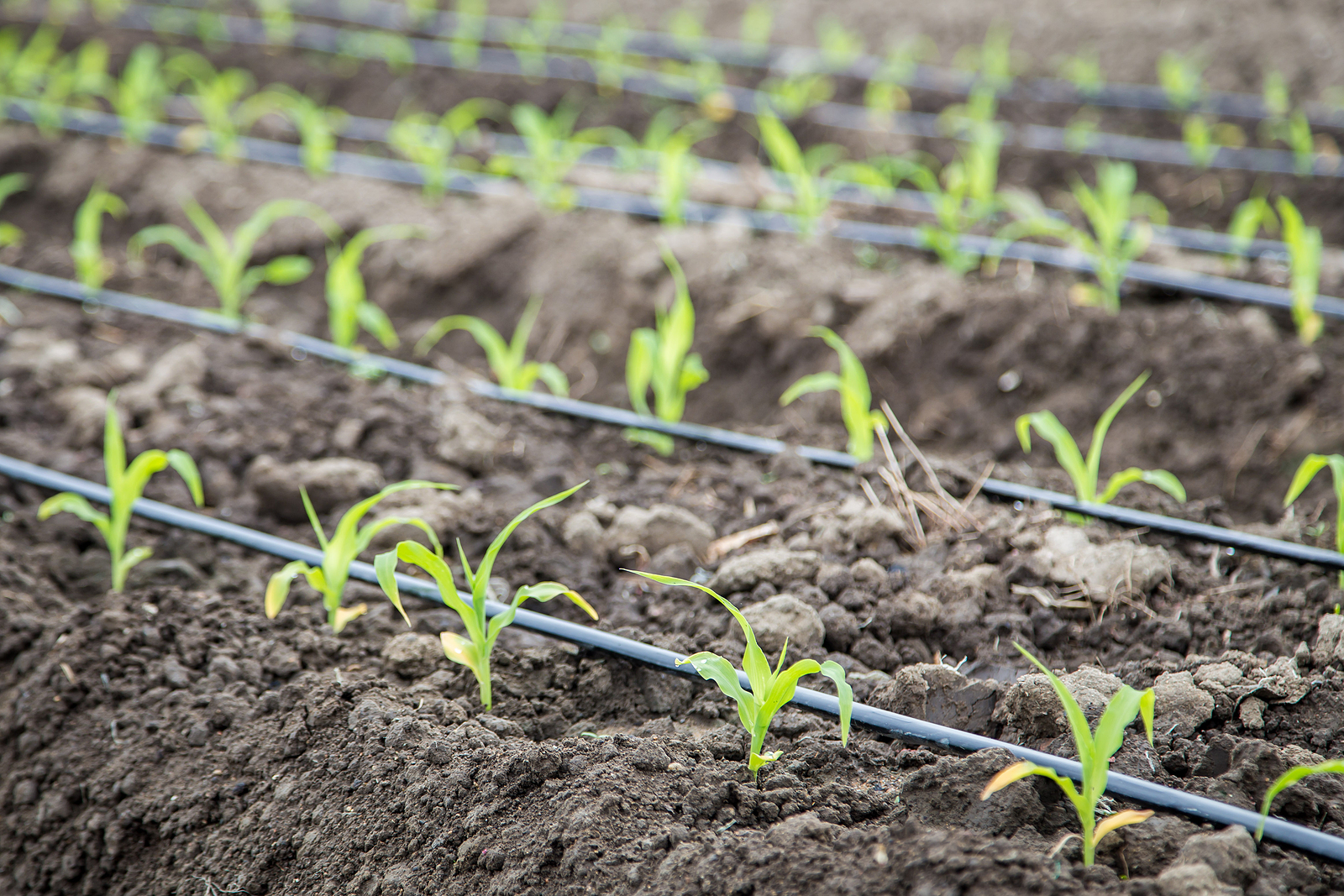
Drip Irrigation Is the Most Efficient Method
Whenever possible, use:
- Drip irrigation
- Soaker hoses
These systems:
- Deliver water directly to roots
- Reduce evaporation
- Keep leaves dry
- Lower disease pressure
- Use less water
They are especially valuable during water restrictions.
Avoid Overhead Sprinklers
Sprinklers wet leaves as well as soil.
In hot weather, much of that water evaporates before reaching plant roots.
Overhead watering can also increase disease problems when humidity is high.
Use sprinklers only when no other method is available.
Mulch Makes Every Drop Count
Organic mulch dramatically improves watering efficiency.
Apply 2 to 4 inches of:
- Straw
- Shredded leaves
- Compost
- Pine needles
- Fine wood chips
Mulch helps:
- Reduce evaporation
- Moderate soil temperature
- Prevent soil crusting
- Improve water retention
Mulched beds often need watering less frequently.
Water Containers More Often
Container vegetables dry out much faster than garden beds.
Small containers may require watering:
- Every morning
- Again late afternoon during extreme heat
Large containers retain moisture longer than small pots.
Whenever possible:
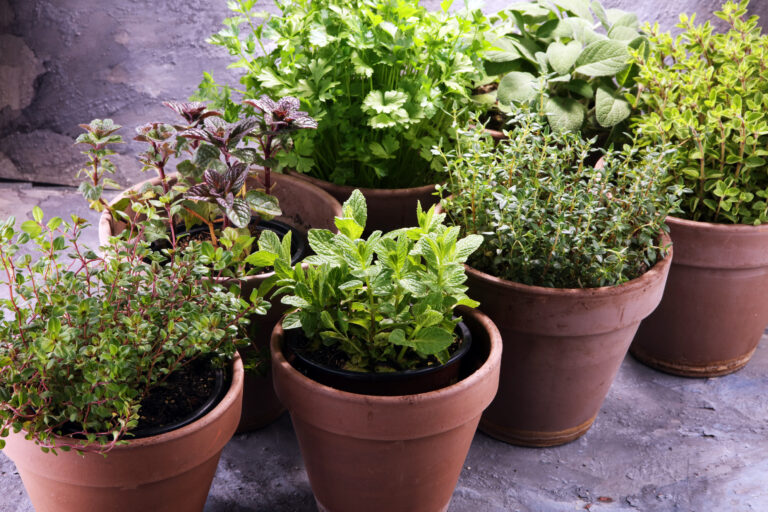
- Move containers into afternoon shade.
- Group pots together to reduce heat exposure.
Give Newly Planted Vegetables Extra Attention
Young transplants have small root systems.
They dry out much faster than established plants.
Check them daily during hot weather.
Temporary shade for the first week after transplanting also reduces stress.
Adjust Watering by Crop
Vegetables needing the most consistent moisture
- Tomatoes
- Cucumbers
- Peppers
- Eggplant
- Celery
- Lettuce
More drought tolerant vegetables
- Okra
- Sweet potatoes
- Southern peas
- Rosemary
- Sage
Even drought-tolerant crops produce better with regular watering during extreme heat.
Don’t Water by the Clock
Weather changes constantly.
Instead of watering every Tuesday or every other day, let soil moisture guide your decisions.
Hot, windy weather may require watering much sooner than cool, calm conditions.
Signs Plants Need Water
Watch for:
- Morning wilting
- Curling leaves
- Dull leaf color
- Dry soil several inches deep
- Slow growth
- Blossom drop
Temporary afternoon wilting alone doesn’t always indicate drought.
Many vegetables recover naturally by evening.
Common Watering Mistakes During Heat Waves
Avoid these common errors:
- Watering lightly every day
- Watering during midday
- Allowing soil to dry completely
- Watering foliage instead of soil
- Forgetting container plants
- Skipping mulch
- Assuming rain provided enough moisture without checking the soil
A Simple Heat-Wave Watering Plan
When temperatures exceed 95°F for several days:
- Check soil moisture every morning.
- Water deeply when the root zone begins to dry.
- Keep 2 to 4 inches of organic mulch on every bed.
- Use drip irrigation whenever possible.
- Inspect containers twice daily.
- Harvest regularly to reduce plant stress.
- Delay fertilizing until temperatures moderate.
Following this routine keeps plants healthier while using water efficiently.
Final Thoughts
Extreme heat places enormous demands on vegetable plants, but proper watering can make the difference between a disappointing garden and a productive one. The most successful gardens aren’t watered the most often—they’re watered the most effectively. Deep irrigation, healthy soil rich in organic matter, generous mulch, and careful observation help plants develop strong root systems that withstand even prolonged periods of high temperatures.
Over decades of gardening, I’ve found that the healthiest vegetable gardens are those where the gardener pays attention to the soil rather than the calendar. Water when the roots need it, protect that moisture with mulch, and your vegetables will be far better equipped to handle summer’s hottest days.
Want the complete heat-wave playbook? For step-by-step guidance before, during, and after a heat wave—including watering, shading, mulching, recovery, and crop-specific advice—see The Complete Guide to Growing Vegetables in Extreme Summer Heat.
Frequently Asked Questions
Should I water vegetables every day during a heat wave?
Not necessarily. Water deeply enough to soak the root zone, then water again when the soil begins drying several inches below the surface. Container gardens often require more frequent watering than in-ground beds.
Is watering in full sun harmful?
Watering the soil during midday won’t harm plants, but much of the moisture may evaporate before reaching the roots. Morning watering is more efficient.
Can you overwater during hot weather?
Yes. Constantly saturated soil limits oxygen around roots, encourages disease, and weakens root growth. Aim for evenly moist soil, not soggy conditions.
How can I tell if my garden has enough water?
Check the soil 4 to 6 inches below the surface. If it feels cool and slightly moist, your vegetables likely have adequate water. If it’s dry at root depth, it’s time to irrigate.
About the Author
Stephen Albert is a horticulturist, certified nurseryman, Master Gardener educator, and the founder of Harvest to Table. For more than 30 years, he has grown vegetables in climates ranging from New England to Northern California, where prolonged summer heat is a regular challenge. His watering recommendations are based on decades of hands-on gardening experience and established horticultural principles of soil science, plant physiology, irrigation management, and water conservation.