How to Revive Heat-Stressed Vegetable Plants

A summer heat wave can leave even the healthiest vegetable garden looking defeated. Leaves wilt, flowers drop, fruit production slows, and plants that looked vigorous just days earlier may suddenly appear exhausted.
The good news is that many heat-stressed vegetable plants can recover.
Plants are remarkably resilient when given the right support. The key is understanding what heat stress does to plants and taking the right steps to restore healthy growth.
After decades of growing vegetables in my home gardens and market garden, and gardening in Iowa, eastern Massachusetts, and Northern California, I have seen plants respond to heat in very different ways. A sudden heat wave in Iowa, a dry summer stretch in California, or a hot period in a Massachusetts garden can all create stress—but the recovery process is similar.
Know What to Plant This Week
Every week I answer the gardener's most important question: what should I plant now? Get seasonal planting advice free — or go Pro for my full Soil Temperature Garden Report, with soil temperature, moisture, weather trends, and crop-by-crop recommendations.
The goal is not to force plants to grow during extreme weather. The goal is to reduce stress, protect roots, and help plants recover when conditions improve.
What Is Heat Stress in Vegetable Plants?
Heat stress occurs when temperatures rise beyond what a plant can comfortably manage.
During extreme heat, plants lose water faster through their leaves than roots can replace it.
Common signs of heat stress include:
- Wilting leaves
- Leaf curling
- Dropped flowers
- Blossom drop
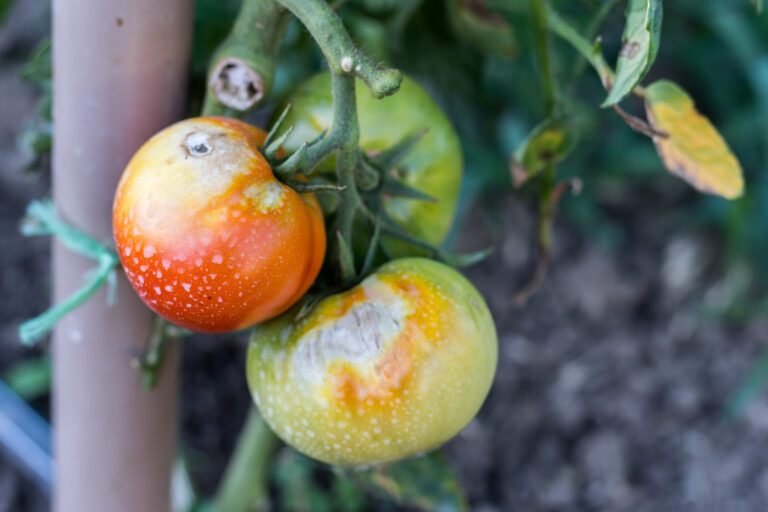
- Sunscald on fruit
- Slow growth
- Reduced harvests
- Yellowing or scorched leaves
A heat-stressed plant is trying to survive. It may temporarily stop flowering or producing fruit to conserve energy.
How Heat Affects Vegetable Plants
High temperatures affect plants in several ways:
Increased Water Loss
Hot weather increases evaporation from:
- Leaves
- Soil surfaces
- Plant roots
Even well-watered plants can wilt if water loss happens faster than roots can supply moisture.
Reduced Pollination
Many vegetables struggle to set fruit during extreme heat.
Heat can affect:
- Tomato flowers
- Pepper flowers
- Bean flowers
- Squash flowers
High temperatures can reduce pollen quality and cause flowers to drop.
Slower Growth
During severe heat, plants may slow down growth because survival becomes the priority.
A temporary slowdown does not mean the plant is dying.
Step 1: Check Soil Moisture Before Watering
The first step in reviving heat-stressed plants is checking the soil.
Do not assume a wilted plant always needs water.
Heat stress can occur even in moist soil, especially during very high temperatures.
Check:
- Soil several inches below the surface
- Moisture around the root zone
- Drainage conditions
If soil is dry, water deeply.
If soil is wet, focus on reducing heat stress rather than adding more water.
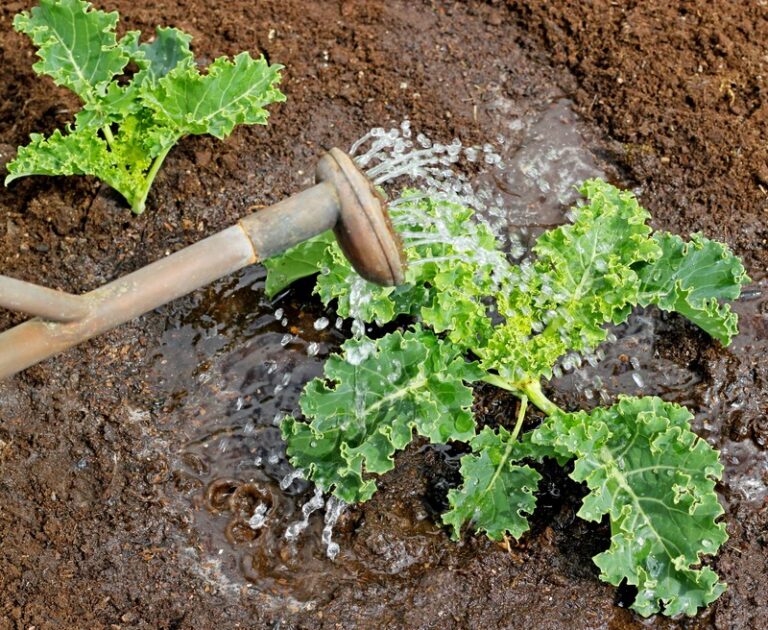
Step 2: Water Deeply and Slowly
Heat-stressed plants need moisture at the roots, not just a wet soil surface.
Deep watering:
- Encourages stronger roots
- Restores plant hydration
- Improves drought tolerance
Water slowly enough that moisture reaches:
- 6–12 inches deep for vegetables
- The entire root zone
During heat waves, check moisture daily.
Plants in:
- Containers
- Raised beds
- Sandy soil
may need more frequent watering.
Step 3: Water at the Right Time
The best time to water heat-stressed vegetables is early morning.
Morning watering:
- Rehydrates plants before heat increases
- Reduces evaporation
- Gives roots time to absorb moisture
If plants are severely wilted during a hot afternoon, water immediately rather than waiting for the ideal time.
Saving the plant is more important than perfect timing.
Step 4: Add Mulch Around Plants
Mulch is one of the most effective ways to help vegetables recover from heat.
A 2–4 inch layer of organic mulch helps:
- Keep soil cooler
- Reduce evaporation
- Maintain consistent moisture
- Protect shallow roots
Good mulch choices include:
- Straw
- Compost
- Shredded leaves
- Grass clippings
In my Northern California garden, mulch has been one of the most valuable tools for helping vegetables survive long periods of summer heat.
Step 5: Provide Temporary Shade
During extreme heat, temporary shade can give plants time to recover.
Shade is especially helpful when temperatures reach:
- 95°F and above
- 100°F and higher
Use:
- Shade cloth
- Row covers
- Garden fabric
- Taller companion plants
Focus on afternoon protection because the hottest sun usually occurs later in the day.
Do not create permanent shade. Vegetables still need sunlight for growth.
Step 6: Remove Damaged Leaves Carefully
Heat-damaged leaves will not always recover.
Remove:
- Completely brown leaves
- Dead foliage
- Diseased leaves
- Damaged branches
Do not remove all stressed foliage.
Green leaves still provide energy through photosynthesis and help plants recover.
Step 7: Avoid Heavy Pruning During Heat
One of the biggest mistakes gardeners make is aggressively pruning heat-stressed plants.
Avoid major pruning during extreme weather.
Leaves help:
- Shade fruit
- Protect stems
- Cool plants through transpiration
Wait until temperatures improve before major maintenance pruning.
Step 8: Pause Fertilizing Until Plants Recover
Heat-stressed plants do not absorb nutrients efficiently.
Heavy fertilizing during stress can damage roots.
Wait until plants show signs of recovery:
- New growth
- Improved color
- Upright leaves
- Renewed flowering
Then resume feeding with compost or balanced fertilizer.
How Different Vegetables Recover From Heat
Tomatoes
Tomatoes often survive heat waves but may stop flowering temporarily.
Recovery tips:
- Maintain even moisture
- Avoid heavy pruning
- Protect roots with mulch
- Remove damaged fruit if necessary
Healthy tomato plants often resume production when temperatures moderate.
Peppers
Peppers may drop flowers during extreme heat.
Help them recover by:
- Keeping soil evenly moist
- Avoiding excess nitrogen
- Providing afternoon shade
Cucumbers
Cucumbers are quick to show heat stress.
Recovery depends on:
- Consistent watering
- Mulch
- Protection from extreme afternoon heat
Beans
Beans may stop flowering during hot weather.
Keep plants hydrated and harvest regularly to encourage new growth.
Squash and Melons
These crops often tolerate heat better but still need consistent moisture during flowering and fruit development.
Should You Replace Heat-Stressed Plants?
Not necessarily.
A plant that looks damaged may recover once temperatures improve.
Give plants time if:
- Stems are still green
- Roots are healthy
- New growth appears
Consider replacing plants only when:
- The crown is damaged
- Roots have died
- Growth does not return after conditions improve
My Home Garden and Market Garden Experience
Heat stress has been one of the biggest lessons throughout my gardening career.
In Iowa, heat waves were often followed by cooler periods that allowed plants to recover. In Massachusetts, timing was critical because the growing season was shorter. In California, prolonged summer heat made irrigation, mulch, and soil management essential.
In my market garden, I learned that prevention was always easier than recovery. Healthy soil, deep roots, organic mulch, and consistent irrigation helped crops withstand stressful weather.
In my home garden, I learned that patience matters. A wilted plant after a heat wave is not always a lost plant.
Many vegetables simply need time and better conditions to begin growing again.
Frequently Asked Questions
Can heat-stressed vegetable plants recover?
Yes. Many vegetable plants recover after heat stress if roots remain healthy and they receive proper moisture and protection.
Should I water wilted plants immediately?
Check soil moisture first. If soil is dry, water deeply. If soil is already wet, focus on reducing heat stress.
Should I prune heat-damaged vegetable plants?
Remove dead or severely damaged leaves, but avoid heavy pruning while plants are stressed.
How long does it take plants to recover from heat stress?
Recovery may take several days to several weeks depending on the crop, severity of stress, and weather conditions.
Should I fertilize plants after a heat wave?
Wait until plants begin active growth again before fertilizing.
Can vegetables recover after 100°F temperatures?
Yes. Many vegetables survive extreme temperatures with proper watering, mulch, and temporary shade.
Why are my plants still wilted after watering?
Possible causes include root damage, excessive heat, poor drainage, or soil that is not absorbing water properly.
Should I remove flowers after heat stress?
Usually no. Allow plants to recover naturally. They often resume flowering when temperatures improve.
The Bottom Line
Heat-stressed vegetable plants are often more resilient than they appear. A heat wave may slow growth, stop flowering, or damage leaves, but healthy plants can recover with the right care.
The most important steps are simple: check soil moisture, water deeply, protect roots with mulch, provide temporary shade, and avoid stressing plants further.
After decades of growing vegetables in different climates, I have learned that the best gardens are not those that avoid difficult weather—they are gardens prepared to recover from it.