How to Keep Cucumbers Producing in Hot Weather

Few vegetables capture the taste of summer like a fresh cucumber picked straight from the vine. But when temperatures climb into the 90s—or stay there for days—many gardeners notice their cucumber plants slowing down. Flowers appear but don’t produce fruit. Tiny cucumbers yellow and shrivel. Leaves wilt in the afternoon, and harvests become smaller.
The good news is that cucumbers are naturally more heat-tolerant than many garden vegetables. With the right care, they can continue producing through much of the hottest part of summer.
I’ve grown cucumbers for more than 30 years in California, as well as in Iowa, Massachusetts, and Florida. One lesson has remained consistent across climates: cucumber plants don’t usually stop producing because it’s too hot—they stop because heat creates water stress, poor pollination, or plant exhaustion. Gardeners who anticipate these challenges can often harvest cucumbers weeks longer than those who simply hope the plants will fend for themselves.
Here’s how to keep cucumber vines healthy and productive during hot weather.
Know What to Plant This Week
Every week I answer the gardener's most important question: what should I plant now? Get seasonal planting advice free — or go Pro for my full Soil Temperature Garden Report, with soil temperature, moisture, weather trends, and crop-by-crop recommendations.
Do Cucumbers Like Hot Weather?
Yes—to a point.
Cucumbers are warm-season vegetables that grow best when temperatures remain between:
- Daytime: 75°F to 90°F (24°C to 32°C)
- Nighttime: 60°F to 70°F (16°C to 21°C)
Unlike lettuce, peas, or spinach, cucumbers enjoy warm soil and summer sunshine.
Problems begin when daytime temperatures remain above 95°F for several days, especially when accompanied by warm nights and dry soil.
Why Cucumber Production Slows During Heat
Heat affects cucumbers in several ways.
The plants lose moisture faster through their leaves than their roots can replace it. Flowers become more likely to abort before fruit develops. Developing cucumbers may become misshapen or bitter if water is inconsistent.
During prolonged heat waves you may notice:
- Fewer female flowers
- Tiny cucumbers turning yellow
- Misshapen fruit
- Bitter flavor
- Slower vine growth
- Afternoon wilting
These are signs that the plant is conserving energy until growing conditions improve.
Water Deeply and Consistently
Nothing is more important than maintaining consistent soil moisture.
Cucumber roots are relatively shallow compared to tomatoes, making them especially vulnerable to drying soil.
Rather than watering lightly every day, water deeply enough to soak the root zone.
Aim for:
- Moist soil 6 to 8 inches deep
- Morning irrigation whenever possible
- Even moisture throughout the growing season
Allowing soil to swing from very dry to very wet stresses plants and often leads to bitter cucumbers.
A soaker hose or drip irrigation system delivers water efficiently while keeping foliage dry.
Mulch to Keep Roots Cool
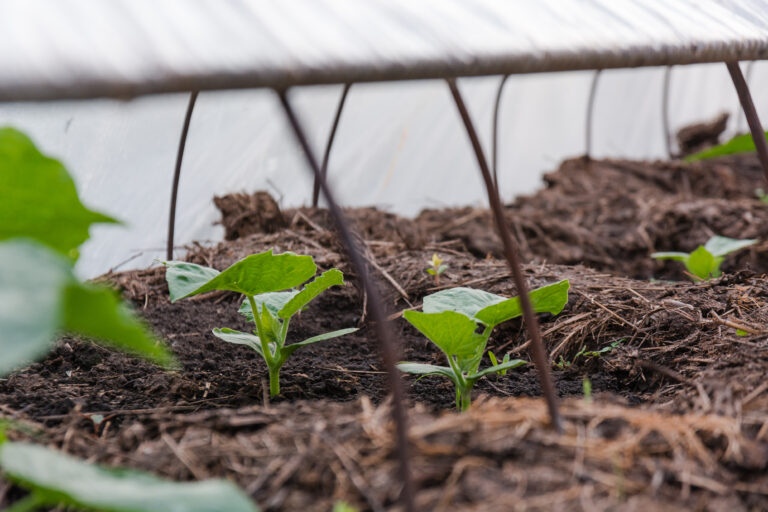
Mulch acts like insulation for the soil.
A 2- to 4-inch layer of organic mulch helps:
- Lower soil temperatures
- Reduce evaporation
- Prevent moisture fluctuations
- Suppress weeds
- Improve soil over time
Excellent mulches include:
- Straw
- Shredded leaves
- Compost
- Pine needles
- Dried grass clippings
Cool roots help cucumber plants continue flowering during hot weather.
Give Plants Afternoon Shade During Heat Waves
Cucumbers love sunshine, but during extended periods above 95°F, intense afternoon sun can overwhelm even healthy plants.
Temporary shade cloth that blocks about 30 percent of sunlight can:
- Lower leaf temperatures
- Reduce water loss
- Prevent leaf scorch
- Improve fruit quality
Install shade cloth high enough above the vines to allow good air circulation.
Morning sun remains important for vigorous growth.
Harvest Every Day
One of the easiest ways to increase cucumber production is frequent harvesting.
When mature cucumbers remain on the vine, the plant assumes its job is complete and begins slowing the production of new flowers.
During peak season, harvest every day—or at least every other day.
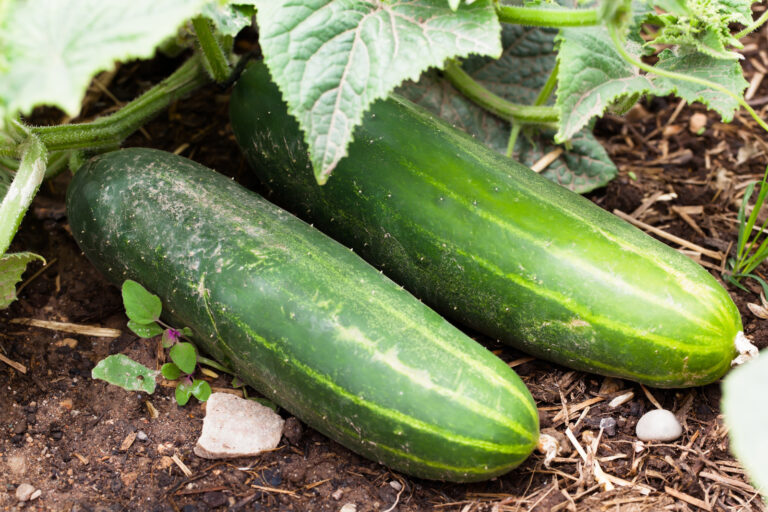
Pick cucumbers when they are:
- Firm
- Uniformly green
- Before seeds become large
- Appropriate for the variety you’re growing
The more you harvest, the more the plant produces.
Feed Plants Lightly
Heavy fertilizing during extreme heat often produces lush vines but fewer cucumbers.
Instead, provide modest nutrition.
Side-dress plants with compost or apply a balanced organic fertilizer according to label directions if growth slows or leaves become pale.
Avoid excessive nitrogen, which encourages leaves at the expense of flowers and fruit.
Encourage Pollination
Cucumber plants produce both male and female flowers.
Pollination is essential for straight, well-filled cucumbers.
During hot weather:
- Water consistently.
- Avoid spraying insecticides when plants are flowering.
- Grow flowers nearby to attract bees and other pollinators.
- Plant several cucumber vines together for better pollination.
If pollination is poor, tiny cucumbers often yellow and fall from the vine.
Trellis Whenever Possible
Growing cucumbers vertically offers several advantages during hot weather.
Trellised vines:
- Receive better air circulation
- Dry more quickly after watering
- Produce straighter fruit
- Are easier to harvest
- Keep fruit off hot soil
- Reduce disease pressure
Better airflow also helps plants recover more quickly after hot afternoons.
Watch for Heat Stress
Check cucumber plants each morning.
Healthy plants should appear upright and vigorous.
Warning signs include:
- Morning wilting
- Crispy leaf edges
- Yellowing older leaves
- Blossom drop
- Bitter fruit
- Stunted growth
Temporary afternoon wilting is common during very hot weather. Morning wilting usually indicates the soil is too dry.
Choose Heat-Tolerant Varieties
Some cucumber varieties perform better during long, hot summers.
Reliable choices include:
- Marketmore 76
- Diva
- Poinsett 76
- Suyo Long
- Armenian cucumber (actually a melon, but grown like a cucumber)
- Straight Eight in moderate climates
These varieties generally tolerate summer heat better while maintaining good fruit quality.
Don’t Pull Plants Too Soon
Many gardeners assume cucumber plants are finished after a week of extreme heat.
Often they aren’t.
If vines remain green and healthy, production frequently resumes when temperatures return to the 80s and nighttime temperatures cool.
Continue watering, harvesting, and caring for the plants.
Late summer often brings a second flush of flowers and cucumbers.
Frequently Asked Questions
At what temperature do cucumbers stop producing?
Production often slows when daytime temperatures remain above 95°F, especially if nights stay above 75°F and soil moisture is inconsistent.
Why are my cucumbers turning bitter?
Heat stress combined with uneven watering is the most common cause. Consistent irrigation and mulching help maintain good flavor.
Should I shade cucumber plants?
During prolonged heat waves above 95°F, temporary afternoon shade can reduce stress and improve fruit production.
How often should I harvest cucumbers?
Harvest every day or every other day during peak production. Frequent picking encourages plants to continue flowering and setting fruit.
The Bottom Line
Cucumbers are among the most productive vegetables in the summer garden, and they can continue producing through hot weather with thoughtful care. In my own gardens, I’ve found that the highest yields come from keeping the root zone cool and evenly moist, harvesting frequently, and reducing plant stress before temperatures become extreme.
Think ahead when a heat wave is forecast. Water deeply, replenish mulch, and provide temporary afternoon shade if temperatures are expected to stay above 95°F. These simple steps help cucumber vines keep flowering and producing instead of merely surviving.
With consistent care, your cucumber patch can remain one of the most productive parts of your vegetable garden all summer long—even when the weather is at its hottest.
Want the complete heat-wave playbook? For step-by-step guidance before, during, and after a heat wave—including watering, shading, mulching, recovery, and crop-specific advice—see The Complete Guide to Growing Vegetables in Extreme Summer Heat.