How to Prevent Blossom Drop, Sunscald, and Heat Stress in Tomatoes and Peppers

Tomatoes and peppers love warm weather, but even these heat-loving vegetables have their limits. When daytime temperatures climb above 90°F to 95°F, and especially when warm nights remain above 70°F, plants begin to experience heat stress. Flowers fall without setting fruit, tomatoes develop pale, leathery patches from sunscald, peppers stop growing, and harvests slow dramatically.
The good news is that these problems are usually temporary—and largely preventable.
After more than 30 years of growing tomatoes and peppers in California’s hot, dry summers, I’ve learned that healthy plants can continue producing through periods of extreme heat when gardeners focus on protecting roots, conserving moisture, and shielding fruit from intense afternoon sun. Rather than trying to cool the air, successful gardeners create conditions that reduce plant stress and help crops recover quickly.
Here’s how to recognize the three most common heat-related problems and what you can do to prevent them.
Know What to Plant This Week
Every week I answer the gardener's most important question: what should I plant now? Get seasonal planting advice free — or go Pro for my full Soil Temperature Garden Report, with soil temperature, moisture, weather trends, and crop-by-crop recommendations.
Why Heat Affects Tomatoes and Peppers
Tomatoes and peppers are classified as warm-season crops, but that doesn’t mean they thrive in extreme heat.
Both crops grow best when:
- Daytime temperatures are 70°F to 85°F
- Nighttime temperatures remain between 55°F and 70°F
When temperatures exceed those ranges for several days, plants shift their energy away from fruit production and toward survival.
The most common symptoms include:
- Blossom drop
- Poor fruit set
- Sunscald
- Leaf rolling
- Wilting
- Slow growth
Fortunately, healthy plants usually recover once temperatures moderate.
What Is Blossom Drop?
Blossom drop occurs when flowers fall from the plant before fruit develops.
You’ll notice healthy-looking blossoms suddenly drying and dropping to the ground.
Why It Happens
Tomato and pepper pollen becomes less viable during prolonged heat.
Common causes include:
- Daytime temperatures above 95°F
- Nighttime temperatures above 70–75°F
- Water stress
- High humidity
- Sudden weather changes
Without successful pollination, flowers naturally abort.
How to Prevent Blossom Drop
Keep Soil Moisture Consistent
Uneven watering increases plant stress.
Water deeply whenever the root zone begins drying.
Avoid allowing soil to alternate between extremely dry and overly wet.
Water Early in the Morning
Morning irrigation supplies moisture before temperatures peak.
Plants remain better hydrated throughout the day.
Mulch Generously
Apply 2 to 4 inches of organic mulch around plants.
Mulch:
- Conserves moisture
- Keeps roots cooler
- Reduces temperature fluctuations
Healthy roots support continued flowering.
Avoid Excess Nitrogen
Too much fertilizer encourages leafy growth instead of flowering.
During heat waves, delay fertilizing until temperatures return to normal.
What Is Sunscald?
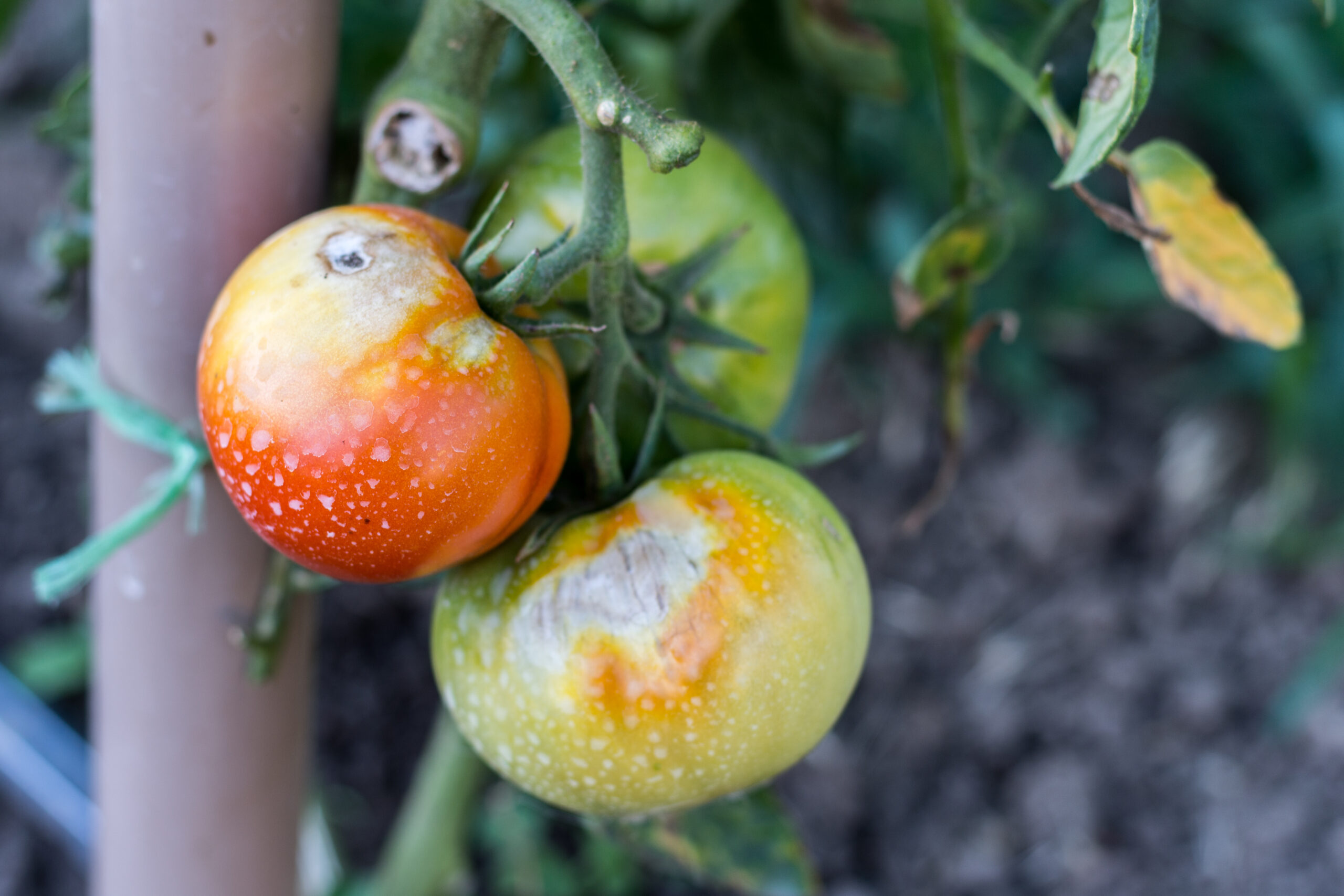
Sunscald develops when fruit receives direct exposure to intense sunlight.
Tomatoes and peppers naturally depend on their leaves for protection.
Damaged fruit develops:
- White patches
- Yellow areas
- Papery skin
- Brown, leathery spots
Severe sunscald ruins fruit quality.
How to Prevent Sunscald
Don’t Remove Too Many Leaves
One of the biggest mistakes gardeners make is heavy summer pruning.
Leaves shade fruit naturally.
Remove only:
- Dead leaves
- Diseased foliage
- Branches touching the soil
Healthy foliage protects developing fruit.
Use Shade Cloth
Temporary 30–40% shade cloth reduces afternoon heat while allowing enough sunlight for photosynthesis.
This simple step can lower fruit surface temperatures by several degrees.
Harvest Promptly
Ripe fruit left exposed on the vine remains vulnerable.
Harvest tomatoes as they begin coloring.
Allow them to finish ripening indoors if necessary.
What Is Heat Stress?
Heat stress affects the entire plant.
Symptoms include:
- Afternoon wilting
- Leaf rolling
- Slow growth
- Blossom drop
- Smaller fruit
- Delayed ripening
Many plants recover overnight if soil moisture remains adequate.
How to Reduce Heat Stress
Water Deeply
Deep watering encourages roots to grow downward where soil remains cooler.
Aim to wet soil 8 to 12 inches deep.
Water the Soil, Not the Leaves
Use:
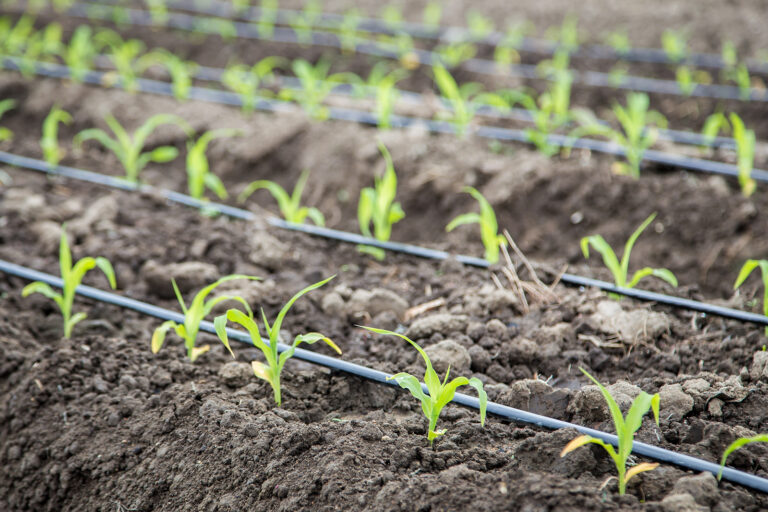
- Drip irrigation
- Soaker hoses
- Hand watering at the base
Keeping foliage dry also reduces disease problems.
Improve Soil with Compost
Healthy soil stores more moisture.
Organic matter:
- Improves water retention
- Supports beneficial microbes
- Encourages deeper rooting
Healthy soil is one of the best long-term defenses against heat stress.
Keep Weeds Under Control
Weeds compete for moisture.
Removing weeds leaves more water available for tomatoes and peppers.
Support Good Airflow
Proper spacing improves air circulation.
Good airflow helps:
- Reduce disease
- Moderate humidity
- Improve overall plant health
Avoid overcrowding plants.
Recognize Normal Versus Serious Stress
Normal
- Afternoon wilting
- Mild leaf curling
- Slower flowering
Plants recover by evening.
Serious
- Wilting after sunset
- Crispy brown leaves
- Fruit shriveling
- Stem collapse
Persistent symptoms require immediate attention.
Heat-Tolerant Tomato and Pepper Varieties
Some varieties tolerate hot weather better than others.
Look for tomatoes bred for:
- Heat tolerance
- Disease resistance
- Reliable fruit set during warm weather
Many pepper varieties naturally tolerate higher temperatures than tomatoes, particularly hot peppers.
Choose varieties adapted to your local climate whenever possible.
Common Mistakes During Heat Waves
Avoid these common errors:
- Heavy pruning
- Overfertilizing
- Shallow daily watering
- Allowing soil to dry completely
- Ignoring mulch
- Waiting until plants wilt before watering
- Leaving ripe fruit on plants too long
Small changes often prevent major losses.
A Simple Summer Protection Plan
During periods above 95°F:
- Water deeply early each morning.
- Maintain 2 to 4 inches of mulch.
- Leave plenty of healthy foliage.
- Install temporary shade cloth if extreme heat persists.
- Harvest regularly.
- Delay fertilizing until cooler weather returns.
- Inspect plants daily for signs of stress.
These practices help tomatoes and peppers continue growing until conditions improve.
Final Thoughts
Heat waves are a normal part of summer in many vegetable gardens, but they don’t have to end your tomato and pepper harvest. Most heat-related problems—including blossom drop, sunscald, and temporary growth slowdowns—can be minimized by protecting the root system, maintaining even soil moisture, and preserving the leafy canopy that naturally shades fruit.
In my own gardens, I’ve found that healthy plants growing in compost-rich soil with consistent watering almost always recover when temperatures ease. Patience is just as important as good care. Once cooler weather returns, tomatoes and peppers often reward gardeners with a fresh flush of flowers and another productive harvest.
Want the complete heat-wave playbook? For step-by-step guidance before, during, and after a heat wave—including watering, shading, mulching, recovery, and crop-specific advice—see The Complete Guide to Growing Vegetables in Extreme Summer Heat.
Frequently Asked Questions
At what temperature do tomatoes stop setting fruit?
Tomatoes commonly stop setting fruit when daytime temperatures exceed 95°F or nighttime temperatures remain above 70–75°F, because high temperatures reduce pollen viability.
Why are my pepper flowers falling off?
Pepper blossoms often drop during prolonged hot weather due to heat stress, uneven watering, or poor pollination. Healthy plants usually begin flowering again after temperatures moderate.
Can sunscald be reversed?
No. Once fruit develops sunscald, the damaged tissue will not recover. Harvest affected fruit if the damage is minor, or remove severely damaged fruit to encourage new production.
Should I prune tomatoes during a heat wave?
Avoid heavy pruning. Leaves protect fruit from direct sunlight and help reduce sunscald. Remove only dead, diseased, or damaged foliage.
About the Author
Stephen Albert is a horticulturist, certified nurseryman, Master Gardener educator, and the founder of Harvest to Table. For more than three decades, he has grown tomatoes and peppers in climates ranging from New England to Northern California, where summer temperatures regularly exceed 90°F. His recommendations are grounded in years of hands-on experience, horticultural education, and established research on plant physiology, irrigation, soil management, and vegetable crop production. The techniques shared here are practical methods he has used successfully to help home gardeners protect crops during periods of extreme summer heat.