Should You Use Shade Cloth? A Complete Guide to Protecting Vegetables from Summer Heat

When temperatures climb into the 90°F to 100°F range, many gardeners wonder whether it’s time to cover their vegetable garden with shade cloth. It’s a good question—and the answer is often yes, but only if you use the right shade cloth, install it correctly, and understand which crops actually benefit from extra protection.
Shade cloth has become one of the most valuable tools for extending the productivity of vegetable gardens during increasingly hot summers. Used properly, it can reduce heat stress, improve fruit set, prevent sunscald, and help vegetables continue producing through periods of extreme weather.
I’ve used shade cloth for decades in Northern California, where summer heat waves regularly push temperatures into the upper 90s and occasionally above 100°F. My experience has shown that shade cloth doesn’t replace good watering or healthy soil, but it can make the difference between plants merely surviving and continuing to produce high-quality vegetables.
This guide explains when shade cloth helps, when it isn’t necessary, and how to use it effectively.
Know What to Plant This Week
Every week I answer the gardener's most important question: what should I plant now? Get seasonal planting advice free — or go Pro for my full Soil Temperature Garden Report, with soil temperature, moisture, weather trends, and crop-by-crop recommendations.
What Is Shade Cloth?
Shade cloth is a woven or knitted fabric designed to reduce the amount of sunlight reaching plants.
Unlike solid tarps or plastic coverings, shade cloth allows:
- Air movement
- Rainfall
- Irrigation
- Pollinator access
while reducing solar radiation and lowering leaf temperatures.
The amount of light blocked is expressed as a percentage.
For example:
- 30% shade cloth blocks about 30% of sunlight.
- 50% shade cloth blocks about half of the sunlight.
More shade isn’t always better.
Vegetables still need sunlight for photosynthesis.
How Shade Cloth Helps Vegetables
During hot weather, plants lose large amounts of water through transpiration.
When temperatures exceed about 95°F, plants often struggle to cool themselves.
Shade cloth helps by:
- Lowering leaf temperature
- Reducing water loss
- Decreasing plant stress
- Preventing sunscald
- Improving flower retention
- Extending harvests
Even a reduction of a few degrees can significantly improve plant performance.
Which Vegetables Benefit Most?
Tomatoes
Benefits include:
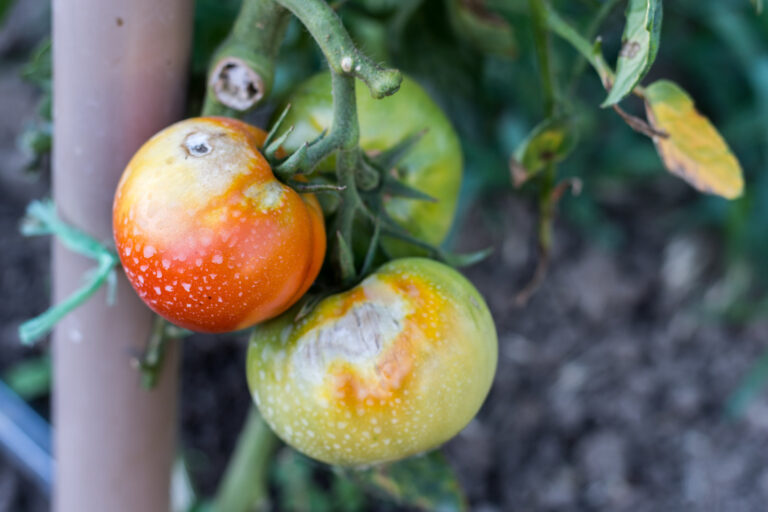
- Reduced blossom drop
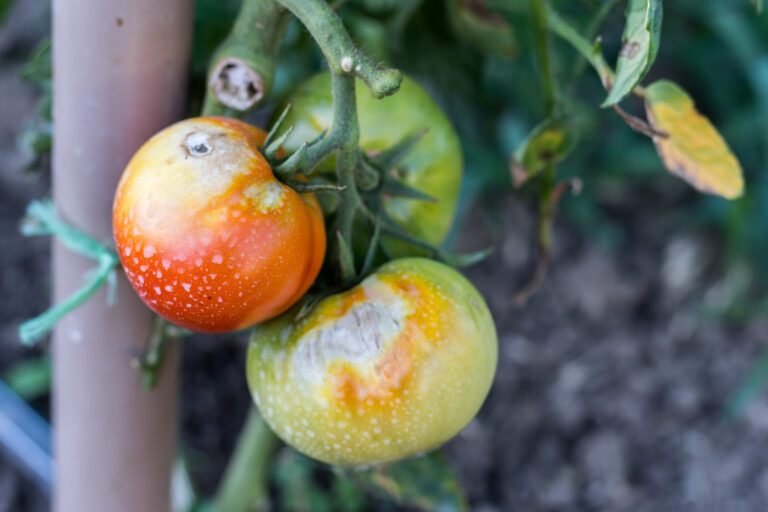
- Less sunscald
- Improved fruit quality
- Reduced afternoon wilting
Tomatoes generally perform well beneath 30% shade cloth during extended heat waves.
Peppers
Peppers often continue flowering more consistently under light shade during periods above 95°F.
Hot peppers generally tolerate heat better than sweet peppers but still benefit from reduced afternoon sun.
Cucumbers
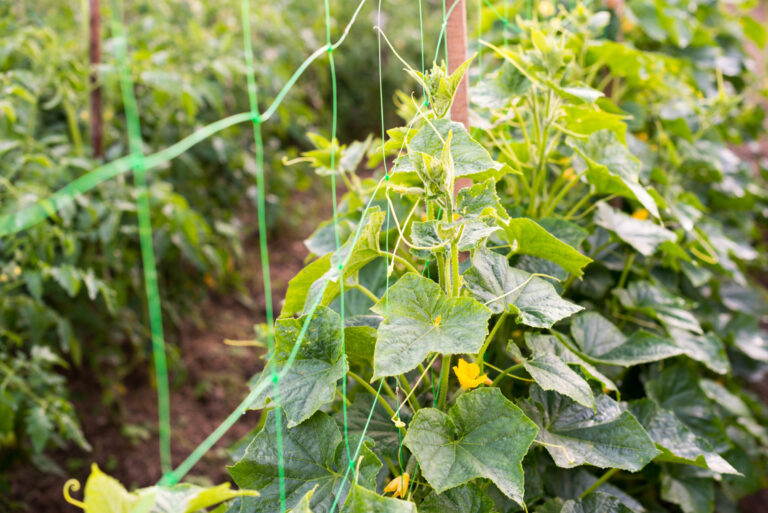
Shade cloth helps cucumbers by:
- Reducing leaf scorch
- Maintaining fruit quality
- Preventing bitter fruit
- Conserving soil moisture
Beans
Beans frequently stop flowering during prolonged heat.
Light afternoon shade often encourages better flowering once temperatures moderate.
Leafy Greens
Lettuce, spinach, arugula, kale, and Swiss chard benefit greatly from shade.
Protection slows:
- Bolting
- Leaf bitterness
- Tip burn
Many gardeners extend lettuce harvests by several weeks using shade cloth.
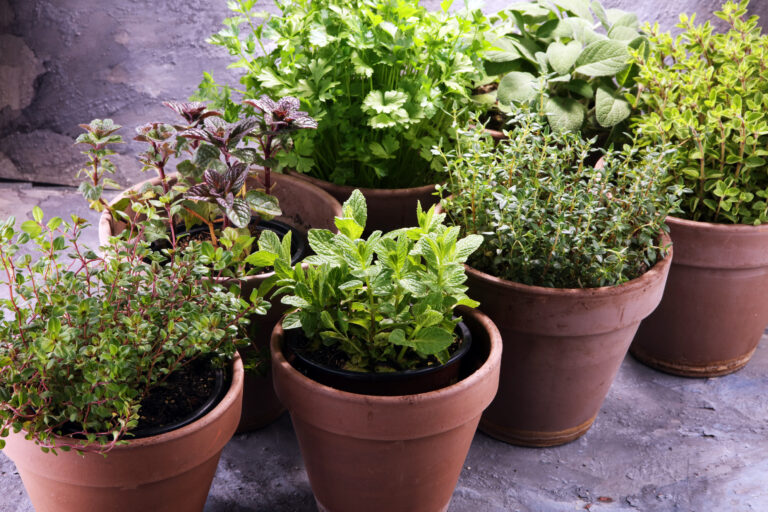
Herbs
Cool-season herbs such as:
- Cilantro
- Parsley
- Chervil
remain productive longer with afternoon shade.
Which Vegetables Usually Don’t Need Shade?
Many heat-loving vegetables tolerate full summer sun.
These include:
- Okra
- Sweet potatoes
- Southern peas
- Malabar spinach
Unless temperatures exceed 100°F for prolonged periods, these crops generally perform well without additional shading.
Choosing the Right Shade Percentage
30% Shade Cloth
Best for:
- Tomatoes
- Peppers
- Eggplant
- Cucumbers
- Beans
Provides light protection while maintaining excellent growth.
40% Shade Cloth
Suitable for:
- Squash
- Melons
- Basil
- Young transplants
Offers additional cooling without excessive shading.
50% Shade Cloth
Ideal for:
- Lettuce
- Spinach
- Broccoli seedlings
- Cauliflower seedlings
- Salad greens
Too much shade for fruiting vegetables may reduce production.
When Should You Install Shade Cloth?
Don’t wait until plants are severely stressed.
Install shade cloth when forecasts predict:
- Several days above 95°F
- Intense afternoon sun
- Hot, drying winds
Removing stress before damage occurs produces better results than trying to rescue overheated plants.
How to Install Shade Cloth
The goal is to provide filtered shade, not complete cover.
Raise shade cloth:
- 12 to 24 inches above plants
- Using hoops, stakes, or simple frames
Allow plenty of airflow underneath.
Avoid laying cloth directly on foliage.
Air movement remains essential for cooling.
Watering Still Matters
Shade cloth does not eliminate watering.
Continue to:
- Water deeply
- Water early in the morning
- Check soil moisture regularly
Shade cloth reduces water demand but does not replace irrigation.
Mulch Works Together with Shade Cloth
For best results, combine shade cloth with organic mulch.
Mulch:
- Keeps roots cooler
- Conserves moisture
- Reduces evaporation
Shade protects leaves.
Mulch protects roots.
Together they create a much healthier growing environment.
Should You Leave Shade Cloth Up All Summer?
Usually not.
Remove it once temperatures return to normal.
Extended shading during moderate weather may reduce flowering and fruit production.
Temporary protection is generally more effective than permanent shade.
Common Shade Cloth Mistakes
Avoid these common errors:
- Choosing shade cloth that’s too dense
- Covering plants too tightly
- Blocking airflow
- Installing it after severe damage has occurred
- Forgetting to water beneath the cloth
- Using plastic instead of breathable fabric
Proper installation is just as important as the cloth itself.
Is Shade Cloth Worth It?
For gardeners who regularly experience temperatures above 95°F, the answer is often yes.
Benefits include:
- Better fruit production
- Reduced blossom drop
- Less sunscald
- Healthier foliage
- Lower water loss
- Extended harvests
Shade cloth is especially valuable during prolonged heat waves rather than for occasional hot afternoons.
Final Thoughts
Shade cloth is one of the simplest and most effective ways to protect vegetables from extreme summer heat. It doesn’t replace good gardening practices, but it complements them by lowering plant stress during the hottest part of the growing season. When combined with healthy soil, deep watering, and generous mulch, shade cloth can help tomatoes, peppers, cucumbers, beans, and leafy greens continue producing even when temperatures climb well above their comfort zone.
In my own garden, I keep lightweight shade cloth folded and ready as summer approaches. I don’t use it every year, but when a week of 95°F-plus weather is in the forecast, it’s one of the first tools I reach for. Protecting plants before they become stressed has consistently resulted in healthier crops and longer harvests.
Want the complete heat-wave playbook? For step-by-step guidance before, during, and after a heat wave—including watering, shading, mulching, recovery, and crop-specific advice—see The Complete Guide to Growing Vegetables in Extreme Summer Heat.
Frequently Asked Questions
At what temperature should I use shade cloth?
Most gardeners benefit from using shade cloth when forecasts call for several consecutive days above 95°F, particularly if vegetables receive intense afternoon sun.
What shade cloth percentage is best for tomatoes?
A 30% shade cloth is generally ideal for tomatoes. It reduces heat stress while allowing enough sunlight for healthy growth and fruit production.
Can vegetables get too much shade?
Yes. Shade cloth with a high shading percentage can reduce photosynthesis and decrease flowering and fruit production in crops like tomatoes and peppers.
Does shade cloth reduce watering?
It helps reduce evaporation and water use, but vegetables still require consistent, deep watering during hot weather.
About the Author
Stephen Albert is a horticulturist, certified nurseryman, Master Gardener educator, and the founder of Harvest to Table. He has grown vegetables for more than 30 years in climates ranging from cool New England summers to the hot, dry conditions of Northern California. His recommendations on using shade cloth are based on decades of firsthand experience protecting vegetable crops during heat waves, combined with established horticultural research on plant physiology, irrigation, and summer crop management.