Why Picking Beans Every Two Days Gives Bigger Harvests

If you want more green beans from your garden, one of the simplest and most effective techniques is to harvest them often.
Many gardeners focus on watering, fertilizing, or controlling pests, but overlook the importance of regular harvesting. Whether you’re growing bush beans or pole beans, picking beans every two days during peak production encourages plants to keep flowering and producing fresh pods.
Leave mature beans on the plant too long, and production begins to slow. Harvest them regularly, and the plants continue producing new flowers and pods for weeks.
After decades of growing beans in my home gardens and market garden, and gardening in Iowa, eastern Massachusetts, and Northern California, I’ve found that frequent harvesting consistently produces the biggest yields. In my market garden, beans were picked every other day—sometimes daily during peak season—to provide customers with crisp, tender pods and to keep the plants producing continuously.
Know What to Plant This Week
Every week I answer the gardener's most important question: what should I plant now? Get seasonal planting advice free — or go Pro for my full Soil Temperature Garden Report, with soil temperature, moisture, weather trends, and crop-by-crop recommendations.
The secret to larger bean harvests is simple: keep the plants thinking they still have work to do.
Why Frequent Harvesting Increases Bean Production
Bean plants naturally want to produce mature seeds.
As bean pods grow larger, the seeds inside begin to mature. Once enough mature pods remain on the plant, it receives a biological signal that reproduction is nearly complete.
When that happens:
- Flower production slows.
- New pods become less frequent.
- Overall harvests decline.
Harvesting immature pods interrupts that process and encourages the plant to continue flowering.
The result is:
- More blossoms
- More bean pods
- Longer harvests
- Healthier plants
Why Every Two Days Is the Sweet Spot
Bean pods develop quickly during warm summer weather.
A pod that is perfect today may become oversized and stringy just two or three days later.
Checking plants every two days allows you to:
- Harvest pods at peak tenderness.
- Prevent pods from becoming overripe.
- Stimulate continued flowering.
- Catch new pods before they become too large.
During periods of rapid growth, especially in warm weather, daily harvesting may be even better.
Harvest Beans While They Are Tender
The best beans are harvested before the seeds inside become large.
Look for pods that are:
- Crisp
- Firm
- Brightly colored
- Smooth
- Easily snapped in half
Avoid waiting until pods:
- Bulge with large seeds
- Become tough
- Turn pale or yellow
- Develop strings (on some varieties)
Young beans are sweeter, more tender, and encourage continued production.
Bush Beans vs. Pole Beans
Both benefit from regular harvesting, but their production habits differ.
Bush Beans
Bush beans usually produce a heavy crop over several weeks.
Frequent harvesting helps maximize the harvest before plants naturally decline.
Pole Beans
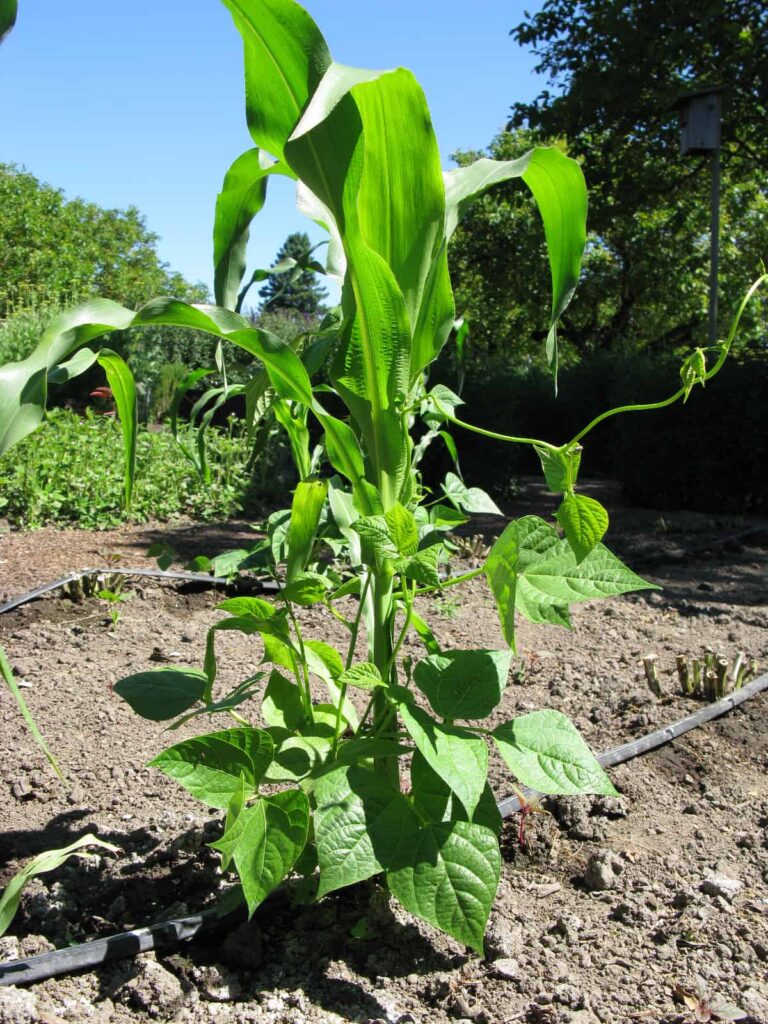
Pole beans continue growing and flowering for months.
Regular picking is essential because mature pods can quickly reduce continued flowering.
In my California garden, pole beans often produced until fall when harvested consistently.
The Best Time of Day to Harvest Beans
Harvest beans early in the morning whenever possible.
Morning-picked beans are:
- Crisp
- Cool
- Well hydrated
- Less likely to wilt
Plants are also less stressed during cooler morning temperatures.
This was always my preferred harvest time in both my market garden and home garden.
How to Harvest Beans Properly
Avoid pulling hard on bean plants.
Instead:
- Hold the vine or stem with one hand.
- Gently snap or cut the pod with the other.
- Use clean scissors or pruners if needed.
Careful harvesting protects flowers and developing pods.
Damaged vines often produce less.
Keep Plants Watered During Harvest Season
Heavy-producing bean plants need consistent moisture.
Water stress can lead to:
- Fewer flowers
- Smaller harvests
- Tough pods
- Poor-quality beans
Maintain even soil moisture by:
- Watering deeply
- Applying mulch
- Avoiding repeated drought stress
Healthy plants continue flowering much longer.
Feed Beans Carefully
Beans generally require less fertilizer than many vegetables because they fix nitrogen through beneficial soil bacteria.
If growth slows:
- Add compost around plants.
- Apply a light application of balanced fertilizer if soil fertility is low.
Avoid excessive nitrogen.
Too much nitrogen produces lush foliage at the expense of flowers and pods.
Remove Mature and Damaged Pods
During every harvest, remove:
- Oversized pods
- Diseased beans
- Damaged pods
- Misshapen beans
Removing poor-quality pods directs the plant’s energy toward producing new flowers and healthy beans.
Growing Beans in Different Climates
Growing beans in Iowa, Massachusetts, and California taught me that harvest schedules vary with weather, but the principle never changes.
Warm, humid Iowa summers often required harvesting every day because pods matured rapidly. Massachusetts offered a slightly slower pace, but every-other-day harvesting still produced the best yields. Northern California’s long growing season allowed both bush and pole beans to continue producing for months with steady irrigation and regular harvesting.
No matter the climate, the plants always responded to frequent picking with continued flowering.
My Home Garden and Market Garden Experience
Beans were one of the most dependable crops in my market garden.
Every other morning, I walked the rows with baskets, harvesting pods before they became oversized. Customers appreciated tender beans, and the plants responded by producing another flush of flowers and pods.
In my home garden, the routine has remained the same. Harvesting every two days keeps plants productive, improves eating quality, and extends the harvest well into late summer.
It is one of the easiest gardening habits to develop—and one of the most rewarding.
Frequently Asked Questions
How often should I harvest green beans?
Harvest every two days during peak production. In hot weather, daily harvesting may be even better.
Does picking beans frequently produce more beans?
Yes. Regular harvesting encourages continued flowering and new pod production.
What happens if I leave beans on the plant too long?
Mature pods signal the plant to slow flowering and begin ending its production cycle.
When should I harvest green beans?
Harvest beans while pods are firm, crisp, and before the seeds inside become large.
What is the best time of day to harvest beans?
Early morning is ideal because beans are crisp, cool, and fully hydrated.
Should I cut or pull beans from the plant?
Support the stem with one hand and gently snap or cut the pod with the other to avoid damaging the plant.
How long will bean plants keep producing?
Pole beans can produce for months, while bush beans typically produce heavily for several weeks. Frequent harvesting extends production for both.
Should I remove oversized bean pods?
Yes. Remove mature pods promptly so the plant continues producing flowers and fresh beans.
The Bottom Line
If you want bigger bean harvests, make harvesting part of your regular gardening routine.
Picking beans every two days keeps pods tender, encourages continuous flowering, and prevents plants from shifting their energy toward seed production.
After decades of growing beans in home gardens and market gardens, I’ve found that frequent harvesting is one of the simplest ways to increase both the quantity and quality of your crop. Walk through your garden often, harvest every pod that’s ready, and your bean plants will reward you with weeks of abundant harvests.