When to Harvest Winter Squash

Harvesting winter squash at the right time is the difference between fruit that stores for months and fruit that quickly declines.
Unlike summer squash, which is harvested young and tender, winter squash must remain on the vine until it reaches full maturity. The goal is to allow the fruit to develop thick skin, mature seeds, and maximum flavor before harvesting.
But waiting too long can also create problems. Frost, insects, disease, or wet weather can damage mature squash left in the garden too late.
After decades of growing winter squash in my home gardens and market garden, and gardening in Iowa, eastern Massachusetts, and Northern California, I’ve learned that timing the harvest is one of the most important steps for long-term storage. A properly harvested winter squash can provide delicious food well into winter, while an immature squash may never develop the sweetness and keeping quality gardeners expect.
Know What to Plant This Week
Every week I answer the gardener's most important question: what should I plant now? Get seasonal planting advice free — or go Pro for my full Soil Temperature Garden Report, with soil temperature, moisture, weather trends, and crop-by-crop recommendations.
Knowing the signs of maturity helps you harvest at exactly the right time.
Why Harvest Timing Matters for Winter Squash
Winter squash are different from summer squash because they are harvested when fully mature.
Examples include:
- Butternut squash
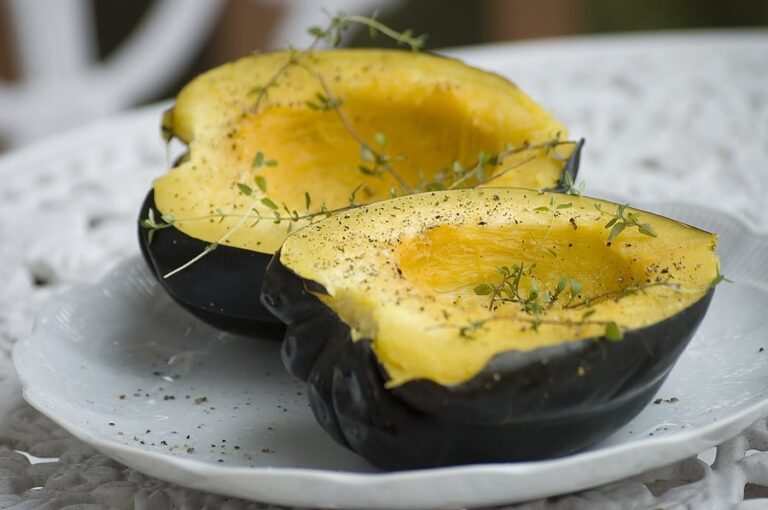
- Acorn squash
- Spaghetti squash
- Delicata squash
- Hubbard squash
- Kabocha squash
- Pumpkin varieties grown for eating
During the final weeks on the vine, squash plants transfer energy into the fruit.
This process develops:
- Firmer flesh
- Sweeter flavor
- Harder skin
- Mature seeds
- Longer storage life
Harvest too early, and the squash may be bland, watery, and difficult to store.
When Is Winter Squash Ready to Harvest?
Most winter squash are ready when several signs appear together.
Look for:
- Fully developed color
- Hard outer skin
- Drying vines
- Brown, corky stems
- A dull rather than shiny surface
The exact timing depends on the variety and climate, but many winter squash mature about 80 to 120 days after planting.
The Stem Test
One of the best indicators of maturity is the stem.
A mature winter squash usually has:
- A dry, hardened stem
- A corky appearance
- A stem that begins to brown
A green, soft stem often indicates that the fruit is still developing.
The stem is the plant’s connection to the fruit, and as the squash matures, that connection naturally begins to dry.
The Skin Test
A mature winter squash should have a hard rind.
Test by gently pressing your fingernail against the skin.
If your fingernail easily punctures the surface, the squash needs more time.
If the skin resists scratching, the fruit is usually ready to harvest.
Be careful not to damage the squash during testing because wounds reduce storage life.
Color Changes Signal Maturity
Many winter squash varieties develop their final color as they mature.
Examples:
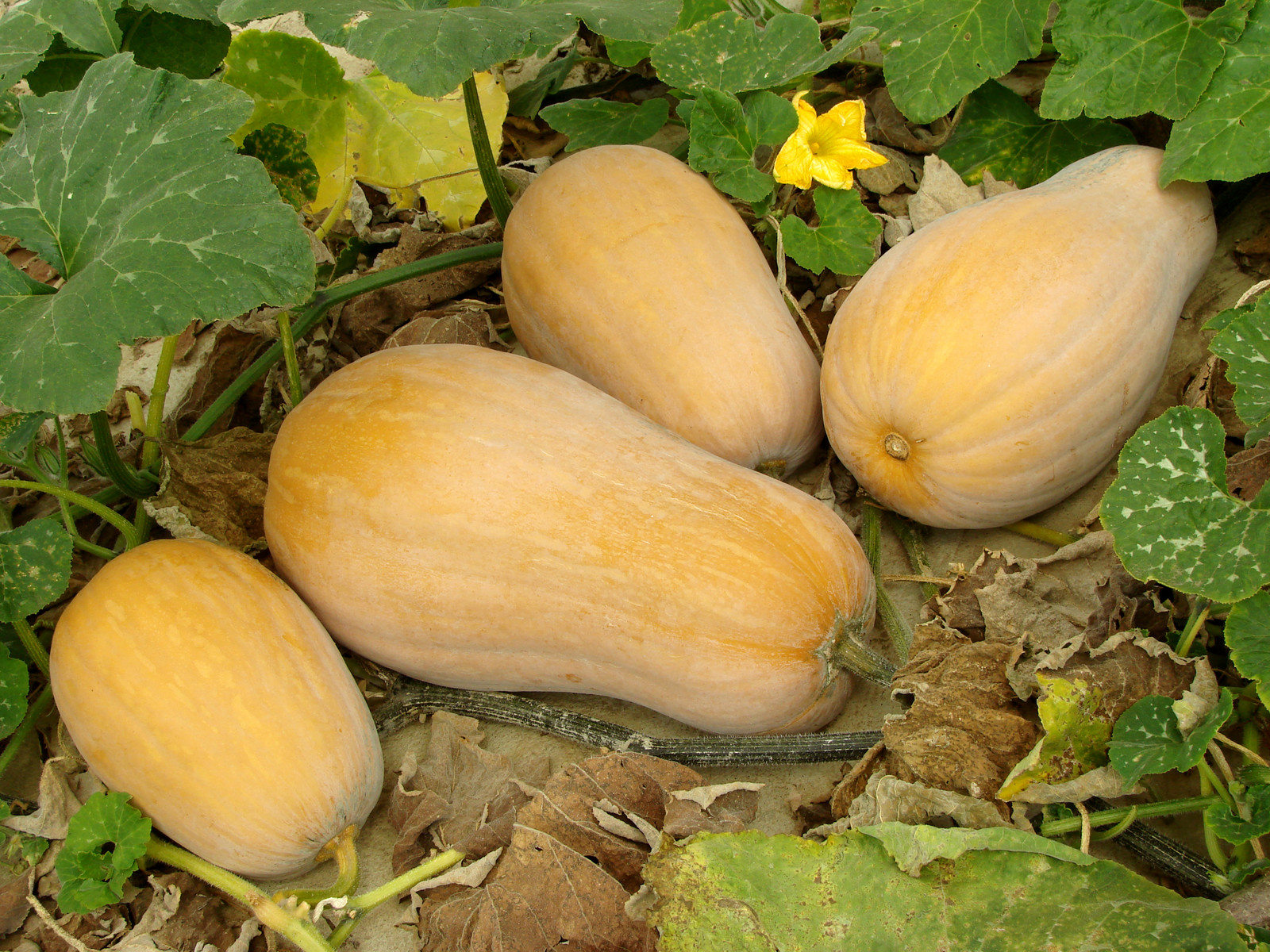
- Butternut squash changes from greenish to tan.
- Acorn squash develops dark green coloring with orange patches.
- Spaghetti squash turns yellow.
- Kabocha squash develops deep green or orange coloring depending on variety.
Always learn the expected mature color of the variety you are growing.
Should You Harvest Winter Squash Before Frost?
Yes, usually.
A light frost may not immediately destroy the fruit, but freezing temperatures can damage the squash and reduce storage life.
Harvest before:
- A hard freeze is expected.
- Vines are completely frozen.
- Fruit has been exposed to prolonged cold.
In colder climates like Iowa and Massachusetts, harvesting before the first killing frost is especially important.
In Northern California, the longer growing season often allows squash to remain on the vine later into autumn.
How to Harvest Winter Squash Properly
Do not pull squash from the vine.
Instead:
- Use clean pruners or a sharp knife.
- Cut the stem several inches above the fruit.
- Handle squash carefully.
The stem is important because it helps prevent moisture loss and protects against decay.
Never carry squash by the stem alone—the stem can break away from the fruit.
Cure Winter Squash After Harvest
Curing improves storage quality.
After harvesting, place squash in a warm, dry, well-ventilated location for about 7 to 14 days.
Ideal curing conditions are:
- About 80°F to 85°F
- Dry air
- Good ventilation
Curing helps:
- Harden the skin
- Heal small surface wounds
- Concentrate sugars
- Extend storage life
After curing, move squash to a cool, dry storage area.
How Long Does Winter Squash Store?
Properly harvested and cured winter squash can often store for:
- Several months
- Through winter
- Sometimes into early spring
Storage life depends on:
- Variety
- Harvest maturity
- Curing conditions
- Storage temperature
Keep squash in a location that is:
- Cool
- Dry
- Dark
- Well ventilated
Avoid storing squash in damp areas where rot can develop.
Do Not Wash Winter Squash Before Storage
Washing can remove natural protective coatings from the skin.
Instead:
- Brush off loose soil.
- Keep the fruit dry.
- Store carefully.
If cleaning is necessary, wipe the squash gently with a dry cloth.
Growing Winter Squash in Different Climates
Growing winter squash in Iowa, Massachusetts, and California taught me that harvest timing depends heavily on climate.
In Iowa, the shorter growing season meant watching carefully for frost and harvesting promptly once squash matured. Massachusetts gardeners often need to balance late-season ripening with cool autumn weather. In Northern California, the long warm season allows squash to mature fully on the vine, often improving flavor and storage quality.
No matter the climate, the same principle applies: harvest when the fruit is mature, not simply when the calendar says it is time.
My Home Garden and Market Garden Experience
Winter squash was one of my favorite fall crops in both my home garden and market garden because a successful harvest provided food long after the growing season ended.
In the market garden, I learned that harvesting too early resulted in poorer storage and less flavorful squash. Waiting until stems dried and skins hardened made a noticeable difference in quality.
In my home garden, I still walk through the garden in autumn checking stems, color, and skin hardness before harvesting. A little patience at the end of the season produces squash that tastes better and lasts longer.
Frequently Asked Questions
How do I know when winter squash is ready to harvest?
Winter squash is ready when the skin is hard, color is fully developed, stems are dry and corky, and vines begin declining.
Can you harvest winter squash too early?
Yes. Immature squash often has less flavor, softer skin, and poorer storage quality.
Should I leave winter squash on the vine until frost?
No. Harvest before a hard frost because freezing temperatures can damage the fruit and shorten storage life.
How long should winter squash cure after harvesting?
Most winter squash benefit from curing for 7 to 14 days in warm, dry conditions.
Can I eat winter squash immediately after harvesting?
Yes, but cured squash usually develops better flavor and stores longer.
Why is my winter squash skin soft?
Soft skin usually indicates immature fruit, damage, disease, or poor growing conditions.
How should I store winter squash after curing?
Store squash in a cool, dry, dark location with good air circulation.
Can I save seeds from harvested winter squash?
Yes, but seed saving works best with open-pollinated varieties and proper isolation from other squash types.
The Bottom Line
Harvesting winter squash at the right time ensures better flavor, longer storage, and a more rewarding fall harvest.
Look for mature color, hard skin, dry stems, and healthy vines before cutting squash from the plant. Cure the fruit properly after harvest, and you can enjoy homegrown squash for months.
After decades of growing winter squash in home gardens and market gardens across Iowa, Massachusetts, and California, I’ve learned that patience at harvest time pays off. The best winter squash are not rushed—they are allowed to fully mature, cure, and develop the rich flavor that makes them one of the great rewards of the fall garden.