Why Tomatoes Stop Ripening in Hot Weather

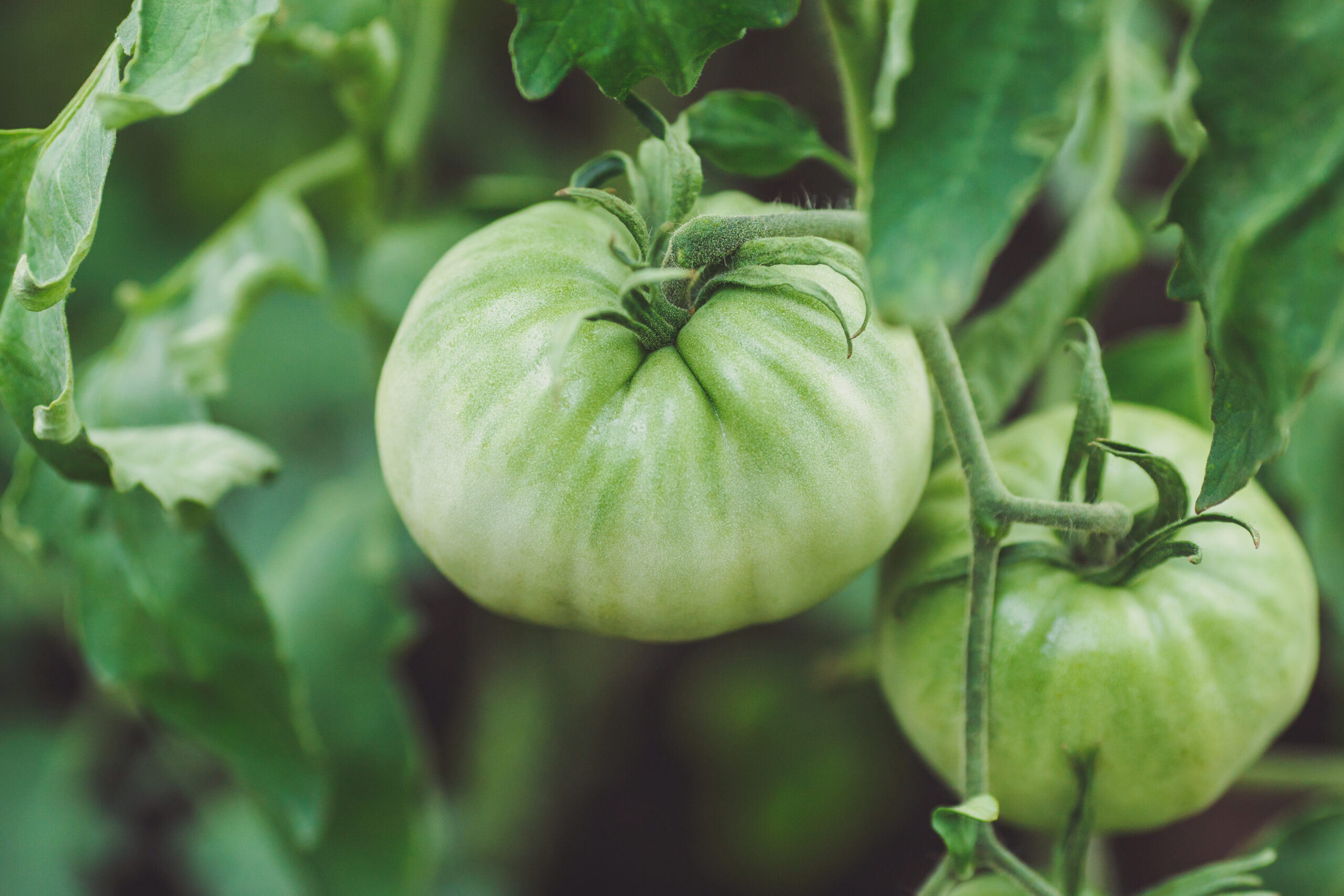
You’ve been waiting for your tomatoes to turn red, but instead they seem frozen in place. The fruit reaches full size, remains green or pale orange, and refuses to ripen for days—or even weeks.
If this happens during the hottest part of summer, your tomato plants are probably responding to heat, not failing.
Tomatoes have an ideal temperature range for ripening. When temperatures climb too high, the plant temporarily slows or even stops producing the pigments that give ripe tomatoes their rich red, orange, or yellow color.
The good news is that most tomatoes begin ripening again as temperatures moderate.
Know What to Plant This Week
Every week I answer the gardener's most important question: what should I plant now? Get seasonal planting advice free — or go Pro for my full Soil Temperature Garden Report, with soil temperature, moisture, weather trends, and crop-by-crop recommendations.
After decades of growing tomatoes in my home gardens and market garden, and gardening in Iowa, eastern Massachusetts, and Northern California, I’ve learned that stalled ripening is one of the most common late-summer concerns. In California especially, tomatoes often pause during prolonged heat waves, only to resume ripening once cooler nights return.
Patience—and proper care—usually rewards gardeners with an excellent harvest.
Why Tomatoes Stop Ripening During Hot Weather
Ripening depends on temperature.
Tomatoes produce two important pigments as they ripen:
- Lycopene, which creates the familiar red color.
- Carotene, which produces orange and yellow colors.
These pigments develop best when daytime temperatures are about 70°F to 85°F (21°C to 29°C) and nighttime temperatures remain below about 70°F (21°C).
When daytime temperatures rise above about 90°F (32°C) or nighttime temperatures stay above 75°F (24°C), pigment production slows dramatically.
The fruit continues to mature internally, but color development pauses.
The Fruit Is Usually Still Healthy
One of the biggest misconceptions is that green tomatoes exposed to heat are ruined.
In most cases, they are not.
The fruit may:
- Reach full size.
- Continue developing sugars.
- Remain firm.
- Wait for cooler weather before changing color.
Once temperatures moderate, many tomatoes begin ripening within several days.
Hot Nights Matter as Much as Hot Days
Many gardeners focus only on daytime highs.
However, warm nights often have an even greater impact on ripening.
Tomatoes recover from daytime heat more easily when nighttime temperatures drop.
When nights remain above 75°F:
- Respiration increases.
- Energy reserves decline.
- Ripening slows.
Cooler nights help restart normal ripening.
Heat Stress Affects the Whole Plant
Extreme heat places the entire tomato plant under stress.
Symptoms may include:
- Slower ripening
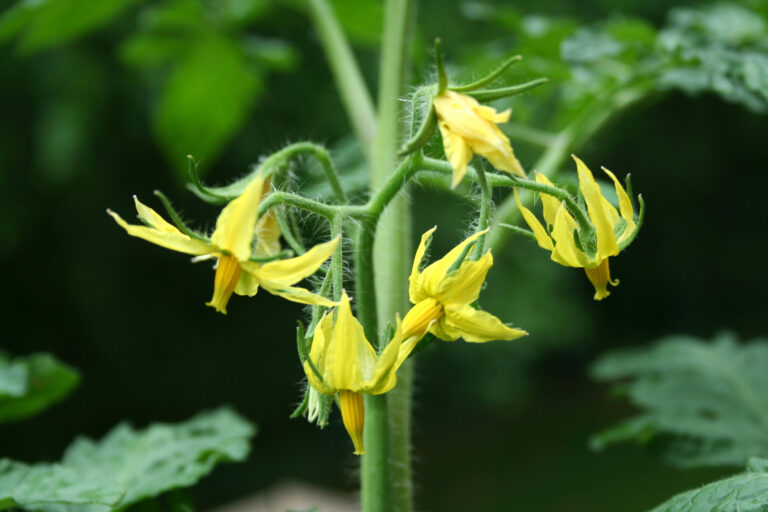
- Flower drop
- Leaf curl
- Yellow lower leaves
- Reduced fruit set
- Smaller harvests
The plant temporarily shifts energy from producing new fruit toward surviving stressful conditions.
Keep Soil Moisture Consistent
Water stress makes heat stress worse.
Allowing soil to become very dry between waterings can further delay ripening.
Maintain even soil moisture by:
- Watering deeply.
- Watering early in the morning.
- Applying organic mulch.
- Avoiding repeated drought stress.
Healthy roots help plants recover more quickly once temperatures improve.
Mulch Helps Moderate Soil Temperature
Mulch protects roots during hot weather.
Apply a 2- to 4-inch layer of:
- Straw
- Shredded leaves
- Compost
- Grass clippings
Mulch helps:
- Keep roots cooler.
- Reduce evaporation.
- Maintain consistent moisture.
- Improve soil health.
In my California garden, mulch has often meant the difference between plants that recover quickly after a heat wave and those that remain stressed for weeks.
Should You Pick Green Tomatoes During a Heat Wave?
Usually, no.
If fruit is mature but still green:
- Leave it on the plant if temperatures are expected to cool soon.
- Harvest only if frost threatens or fruit is likely to be damaged.
Mature green tomatoes can ripen indoors, but vine-ripened tomatoes generally develop better flavor.
Should You Fertilize Tomatoes During Extreme Heat?
Avoid heavy fertilizing during prolonged heat waves.
High temperatures already stress plants.
Too much fertilizer may encourage leafy growth instead of helping fruit ripen.
If plants remain healthy:
- Continue watering consistently.
- Wait until temperatures moderate before applying additional fertilizer.
Avoid Heavy Pruning
Some gardeners remove large numbers of leaves hoping to expose fruit to more sunlight.
This usually makes the problem worse.
Leaves protect fruit from:
- Sunscald
- Excessive heat
- Rapid moisture loss
Remove only:
- Diseased leaves
- Dead foliage
- Yellow leaves near the soil
Keep the healthy canopy intact.
Choosing Heat-Tolerant Varieties
If your garden regularly experiences hot summers, choose tomato varieties known for good performance in heat.
Many modern hybrids continue setting fruit more reliably during warm weather than older heirloom varieties.
Even heat-tolerant tomatoes, however, may pause ripening during extended periods of extreme temperatures.
Growing Tomatoes in Different Climates
Growing tomatoes in Iowa, Massachusetts, and California taught me that every climate presents different ripening challenges.
In Iowa, warm days were often followed by cool nights that encouraged steady ripening. Massachusetts generally provided moderate summer temperatures that allowed fruit to color normally. Northern California, however, frequently brought extended hot spells that delayed ripening until nights cooled.
Regardless of location, healthy plants nearly always resumed ripening once temperatures returned to a favorable range.
My Home Garden and Market Garden Experience
In my market garden, late summer often tested gardeners’ patience.
Customers would ask why tomatoes remained green despite looking fully grown. The answer was almost always the weather.
Rather than rushing to harvest green fruit, I learned to maintain even watering, protect the root zone with mulch, and wait for cooler nights.
Almost without fail, the tomatoes began coloring again.
In my home garden, I have found that stalled ripening is usually temporary. Healthy plants recover quickly when temperatures become more favorable.
Nature often simply asks gardeners to be patient.
Frequently Asked Questions
Why are my tomatoes staying green in hot weather?
High temperatures slow the production of lycopene and carotene, the pigments responsible for ripening.
At what temperature do tomatoes stop ripening?
Ripening slows when daytime temperatures exceed about 90°F (32°C) and nighttime temperatures remain above 75°F (24°C).
Will green tomatoes eventually ripen?
Yes. Most mature green tomatoes begin ripening once temperatures become cooler.
Should I pick green tomatoes during a heat wave?
Usually no. Leave mature fruit on the vine unless frost or damage threatens.
Can too much sun stop tomatoes from ripening?
Extreme heat—not sunlight itself—is usually responsible for delayed ripening.
Does watering help tomatoes ripen?
Consistent watering reduces plant stress and supports normal ripening once temperatures moderate.
Should I prune tomato leaves during hot weather?
Only remove diseased or dead leaves. Healthy foliage protects fruit from excessive heat and sunscald.
Why are my tomatoes orange but not turning red?
Hot weather often slows lycopene production, causing fruit to remain orange until temperatures cool.
The Bottom Line
Tomatoes that stop ripening during hot weather are usually responding to environmental stress, not failing.
Extreme daytime heat and warm nights temporarily interrupt the natural ripening process, but healthy plants almost always resume coloring once temperatures moderate.
After decades of growing tomatoes in home gardens and market gardens, I’ve learned that the best response is patience combined with good garden care. Deep watering, organic mulch, healthy foliage, and steady soil moisture give tomato plants the support they need until cooler weather returns—and when it does, the harvest often arrives all at once.