Should You Prune Tomatoes in August?

August is an important turning point in the tomato garden. Plants that were small seedlings just a few months earlier may now be sprawling, heavily loaded with fruit, and showing signs of summer stress. Many gardeners wonder: Should I prune my tomatoes in August?
The answer depends on the condition of your plants, your climate, and whether you are growing determinate or indeterminate varieties.
After growing tomatoes in gardens across Iowa, eastern Massachusetts, and Northern California, I’ve learned that late-summer tomato pruning is not about making plants look tidy. It is about improving airflow, managing disease, directing energy toward ripening fruit, and helping plants finish the season strong.
August pruning should be selective. Removing too much foliage at this time can expose fruit to sunscald and reduce the plant’s ability to produce energy.
Know What to Plant This Week
Every week I answer the gardener's most important question: what should I plant now? Get seasonal planting advice free — or go Pro for my full Soil Temperature Garden Report, with soil temperature, moisture, weather trends, and crop-by-crop recommendations.
The goal is not to heavily prune tomatoes in August. The goal is to remove what is no longer helping the plant.
Why Prune Tomatoes in August?
By August, tomato plants have often reached their maximum size.
Older leaves may begin to:
- Yellow
- Brown
- Develop spots
- Touch the soil
- Block airflow
- Shade ripening fruit
Removing these problem areas can improve plant health.
Late-summer pruning can help:
- Improve air circulation
- Reduce disease pressure
- Remove damaged growth
- Direct energy toward existing fruit
- Make harvesting easier
- Keep plants manageable
Should You Prune All Tomato Plants in August?
No.
The type of tomato you grow matters.
Indeterminate Tomatoes
Indeterminate tomatoes continue growing and producing fruit until frost.
They often benefit most from light August pruning.
You can remove:
- Diseased leaves
- Yellowing lower leaves
- Suckers near the ground
- Excess growth blocking airflow
Determinate Tomatoes
Determinate tomatoes grow to a certain size, produce a concentrated crop, and then decline.
Avoid heavy pruning because removing too much foliage can reduce the plant’s remaining harvest.
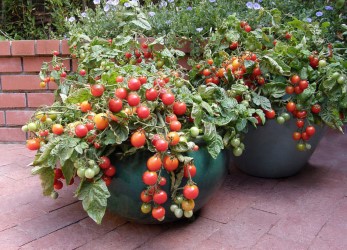
Cherry Tomatoes
Cherry tomatoes are often vigorous and sprawling.
They may need some summer thinning to improve airflow and make harvesting easier.
What Should You Remove When Pruning Tomatoes in August?
August pruning should focus on problem growth.
Remove:
Yellow or Diseased Leaves
Older leaves near the bottom of the plant often decline naturally.
Removing them improves airflow and reduces disease spread.
Leaves Touching the Soil
Soil contact is a common pathway for diseases.
Remove lower leaves that rest on mulch or soil.
Suckers Growing Near the Base
Large suckers near the ground can create a dense, crowded plant.
Removing them helps improve airflow.
Dead or Damaged Growth
Any brown, broken, or unhealthy stems can be removed.
Should You Remove Tomato Suckers in August?
This is one of the most debated tomato pruning questions.
Earlier in the season, removing suckers can help manage growth and improve fruit size on some varieties.
By August, the answer is different.
Remove suckers that:
- Crowd the center of the plant
- Reduce airflow
- Grow along the ground
- Create excessive shade
However, avoid stripping the plant of all new growth.
Healthy leaves are still needed for photosynthesis and continued fruit development.
Should You Cut the Tops Off Tomato Plants in August?
Many gardeners “top” tomato plants in late summer to encourage ripening.
This can be useful for indeterminate tomatoes when:
- The growing season is ending
- The plant has many mature fruits
- You want to redirect energy toward existing tomatoes
Topping involves removing the growing tip above the highest fruit cluster.
This tells the plant to focus less on producing new growth and more on finishing existing fruit.
However, in long-season climates like Northern California, topping too early may reduce your total harvest because plants can continue producing into fall.
How Much Should You Prune Tomatoes in August?
A good rule is:
Never remove more than about one-third of the plant’s foliage at one time.
Tomato leaves are solar panels. They capture sunlight and create the sugars that help fruit develop flavor.
Over-pruning can cause:
- Sunscald
- Reduced photosynthesis
- Smaller fruit
- Slower ripening
A lightly pruned, healthy plant usually outperforms a heavily stripped plant.
How to Prune Tomatoes in August
Follow these steps:
1. Start With Diseased Growth
Remove leaves with:
- Brown spots
- Yellowing
- Signs of fungal disease
Dispose of diseased leaves rather than composting them.
2. Remove Lower Leaves
Clear leaves within several inches of the soil surface.
This improves airflow and reduces disease splash.
3. Thin Crowded Areas
Remove a few leaves where stems overlap heavily.
The goal is light and air movement—not an open, bare plant.
4. Remove Unproductive Growth
Remove weak shoots and excessive suckers that are unlikely to produce mature fruit before frost.
5. Tie Up Remaining Growth
After pruning, support branches with:
- Stakes
- Cages
- Trellises
Keeping plants upright improves airflow and keeps fruit clean.
What About Pruning Tomato Leaves to Help Fruit Ripen?
Removing some leaves around ripe tomatoes can improve visibility and airflow, but leaves do not prevent ripening.
Tomatoes ripen because of internal processes involving ethylene and temperature—not because sunlight directly reaches the fruit.
Avoid removing too much shade.
In hot climates, foliage protects tomatoes from sunscald and excessive heat.
August Pruning in Hot Climates
In places like Northern California, August pruning requires extra care.
During hot weather:
- Avoid heavy pruning before heat waves.
- Leave enough foliage to shade fruit.
- Water deeply after pruning.
- Mulch to protect roots.
A tomato plant with good leaf coverage is often more heat tolerant than a heavily pruned plant.
My August Tomato Pruning Routine
After growing tomatoes through Iowa summers, shorter Massachusetts seasons, and California’s long, dry growing season, I’ve learned that August pruning is about restraint.
Earlier in the season, I train plants and remove growth that creates problems. In August, I mostly remove yellowing lower leaves, diseased foliage, and crowded growth. I keep enough healthy leaves to protect fruit from intense sun while allowing air movement through the plant.
The best tomato pruning in late summer is not dramatic—it is careful maintenance that helps the plant finish strong.
Frequently Asked Questions
Should I prune tomato plants in August?
Yes, but prune selectively. Remove diseased leaves, yellowing foliage, and crowded growth rather than heavily cutting back healthy plants.
Should I remove tomato leaves to help tomatoes ripen?
Only selectively. Removing some leaves can improve airflow, but excessive pruning can expose fruit to sunscald and reduce plant energy.
Should I cut the tops off tomato plants in August?
You can top indeterminate tomatoes late in the season if you want to focus energy on existing fruit, especially when frost is approaching.
How much should I prune tomatoes in late summer?
Avoid removing more than one-third of the plant’s foliage at one time.
Should I prune determinate tomatoes in August?
Usually not heavily. Determinate tomatoes produce a set crop and need their remaining foliage to support fruit development.
Why are my tomato leaves turning yellow in August?
Some lower leaf yellowing is natural late in the season, but widespread yellowing may indicate nutrient problems, disease, watering issues, or heat stress.
Can pruning tomatoes help prevent disease?
Yes. Removing diseased leaves and improving airflow can reduce disease pressure, especially in humid conditions.
The Bottom Line
Pruning tomatoes in August can help plants stay healthier and productive, but late-season pruning requires a lighter touch. Remove what is damaged, diseased, or overcrowding the plant while protecting the healthy foliage that fuels fruit production.
After decades of growing tomatoes in different climates, I’ve found that the best August pruning strategy is simple: improve airflow, remove problems, and let the plant keep as many healthy leaves as possible.
A well-managed tomato plant in August can continue producing flavorful fruit for many weeks before the season ends.