How to Water Tomatoes for Bigger Harvests

Few gardening practices have a greater impact on tomato harvests than watering. Water too little, and plants become stressed, blossoms drop, and fruits stay small. Water too much—or at the wrong time—and you invite cracked tomatoes, disease, weak roots, and bland flavor.
After growing tomatoes for more than 40 years in gardens from Iowa to Massachusetts to California, I’ve found that the goal isn’t simply keeping the soil wet. The goal is maintaining consistent soil moisture in the root zone. Tomatoes reward steady watering with vigorous growth, healthy foliage, and baskets of flavorful fruit.
Here’s how to water tomatoes for the biggest harvests possible.
Why Consistent Watering Matters
Tomato plants are remarkably resilient, but they’re also heavy drinkers. A mature plant carrying dozens of fruits moves gallons of water through its leaves every week.
Know What to Plant This Week
Every week I answer the gardener's most important question: what should I plant now? Get seasonal planting advice free — or go Pro for my full Soil Temperature Garden Report, with soil temperature, moisture, weather trends, and crop-by-crop recommendations.
Water is essential for:
- Root growth
- Nutrient uptake
- Flower production
- Fruit sizing
- Fruit quality
- Photosynthesis
- Cooling the plant during hot weather
When moisture fluctuates between very dry and very wet, tomatoes struggle to regulate growth. The result can be:
- Blossom-end rot
- Cracked fruit
- Blossom drop
- Reduced fruit set
- Smaller tomatoes
- Lower yields
- Increased disease problems
Tomatoes don’t need constant watering—they need consistent moisture.
Water Deeply, Not Frequently
One of the biggest mistakes gardeners make is watering lightly every day.
Shallow watering encourages roots to remain near the soil surface where temperatures fluctuate and moisture disappears quickly.
Instead, water deeply enough to moisten the soil 8 to 12 inches below the surface.
Deep watering encourages roots to grow downward where moisture remains available longer between irrigations.
Plants with deep root systems are:
- More drought tolerant
- Better able to absorb nutrients
- More productive during hot weather
- Less likely to wilt on warm afternoons
In my own vegetable gardens, I always encourage plants to develop deep root systems early in the season. Those deeper roots often make the difference between plants that merely survive summer and plants that continue producing into fall.
Water the Soil—Not the Leaves
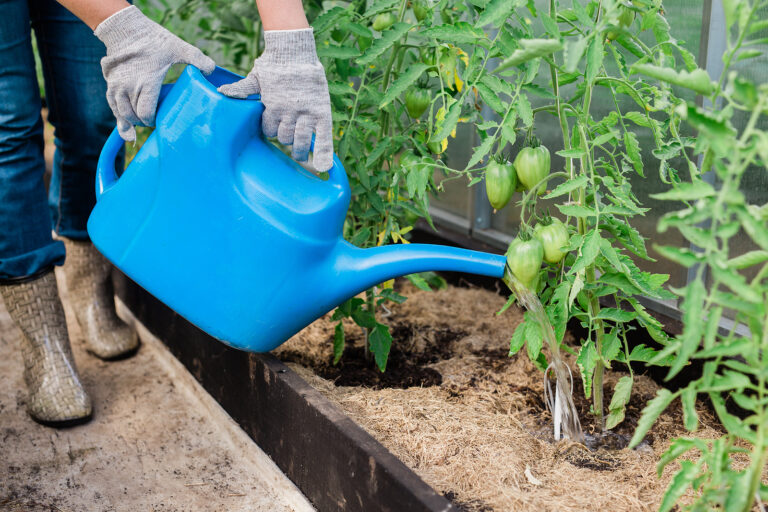
Whenever possible, direct water at the base of the plant.
Keeping foliage dry helps reduce diseases such as:
- Early blight
- Septoria leaf spot
- Powdery mildew
The best watering methods include:
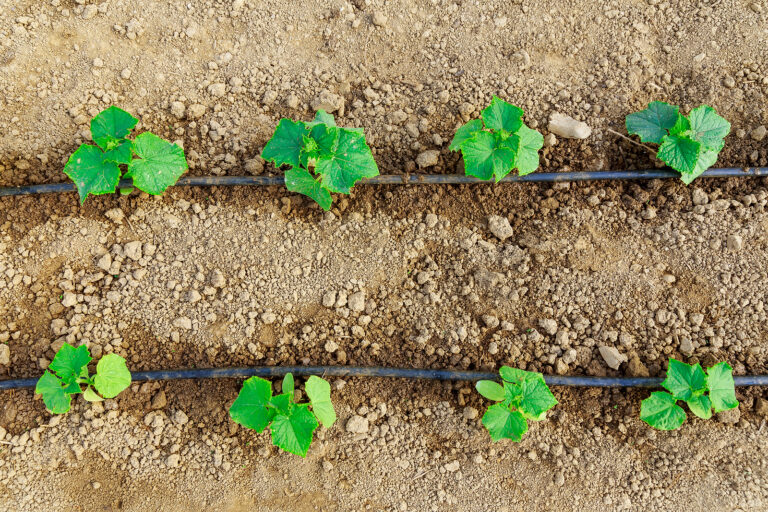
- Drip irrigation
- Soaker hoses
- Slow hand watering with a watering wand
If you must use overhead sprinklers, water early enough that leaves dry quickly after sunrise.
Water Early in the Morning
Morning is the best time to water tomatoes.
Early watering allows plants to:
- Fully hydrate before afternoon heat
- Reduce water loss through evaporation
- Dry foliage quickly
- Maintain steady growth throughout the day
Late afternoon watering is acceptable if plants are severely stressed.
Avoid watering late in the evening whenever possible because leaves that remain wet overnight are more susceptible to disease.
How Often Should Tomatoes Be Watered?
There isn’t one perfect schedule.
The answer depends on:
- Air temperature
- Soil temperature
- Wind
- Humidity
- Rainfall
- Plant size
- Soil type
- Mulch
During cool spring weather, tomatoes may need water only once every several days.
During midsummer, mature plants carrying heavy fruit may require deep watering two or three times each week—or even daily in containers.
Instead of watering by the calendar, water according to soil moisture.
Check the Soil Before Watering
The best way to know whether tomatoes need water is to examine the soil.
Insert your finger, a trowel, or a soil probe about 6 inches into the soil.
If the soil feels moist and cool, wait another day.
If it’s becoming dry several inches down, it’s time to water deeply.
Many gardeners now use a soil moisture meter or monitor Volumetric Water Content (VWC) to guide irrigation.
For tomatoes, maintaining approximately 25 to 35 percent VWC provides ideal growing conditions through most of the season.
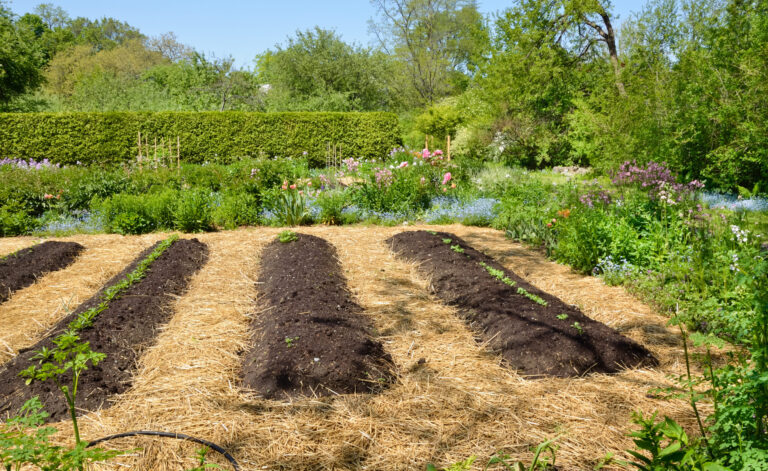
Mulch Is Part of Your Watering Strategy
Every gallon of water you apply becomes more effective when protected by mulch.
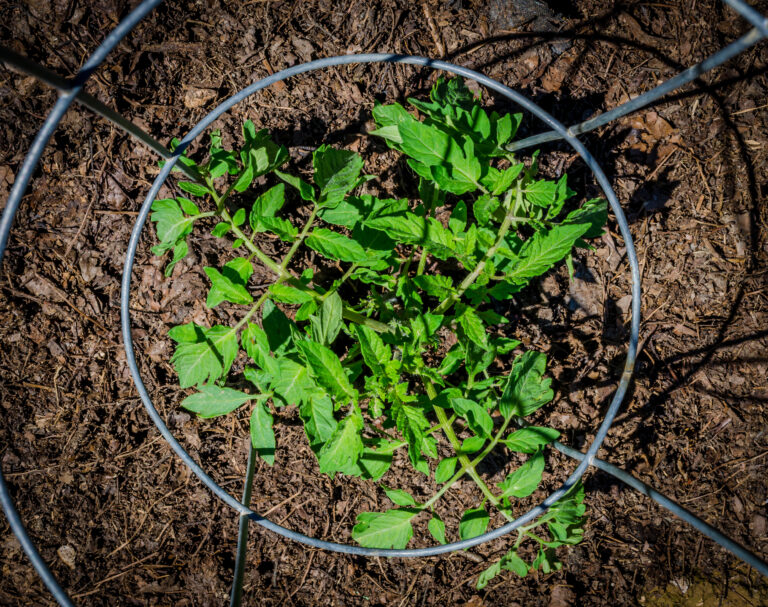
Apply a 2- to 4-inch layer around tomato plants using materials such as:
- Straw
- Shredded leaves
- Finished compost
- Pine needles
- Dried grass clippings
Mulch helps:
- Reduce evaporation
- Keep soil temperatures cooler
- Suppress weeds
- Improve soil over time
- Maintain more consistent moisture
A mulched tomato bed often requires significantly less irrigation than bare soil during summer.
Watering Tomatoes During Hot Weather
When daytime temperatures climb above 90°F (32°C), tomatoes lose water rapidly through their leaves.
During heat waves:
- Check soil moisture daily.
- Water deeply before plants begin wilting.
- Don’t rely on rainfall forecasts.
- Maintain mulch.
- Harvest ripe fruit promptly.
- Avoid allowing soil to become bone dry.
Tomatoes can recover from brief afternoon wilting, but repeated drought stress reduces flowering and fruit production.
Avoid These Common Watering Mistakes
Watering a Little Every Day
Frequent shallow watering produces shallow roots.
Letting Soil Dry Completely
Severe drought stress reduces flowering and fruit size.
Flooding Dry Soil
After extended dry periods, rehydrate gradually over a day or two to reduce fruit cracking.
Wetting the Foliage
Wet leaves increase disease pressure.
Depending Only on the Weather
Cloudy skies don’t always mean moist soil. Always check moisture below the surface.
Signs Your Tomatoes Need Water
Watch for:
- Afternoon wilting that continues into evening
- Leaves curling inward
- Slowed growth
- Blossom drop
- Small fruit
- Dry soil several inches below the surface
If plants recover overnight but wilt again every afternoon, check the soil before adding water. During extreme heat, temporary afternoon wilting may occur even when adequate moisture is available.
Signs You’re Overwatering
Too much water can be just as harmful as too little.
Watch for:
- Yellowing lower leaves
- Slow growth
- Soft stems
- Constantly soggy soil
- Poor root development
- Increased disease problems
Healthy tomato roots need both moisture and oxygen.
Harvest More by Watering Smarter
Tomatoes don’t need perfect weather to produce abundant harvests—they need consistent care below ground.
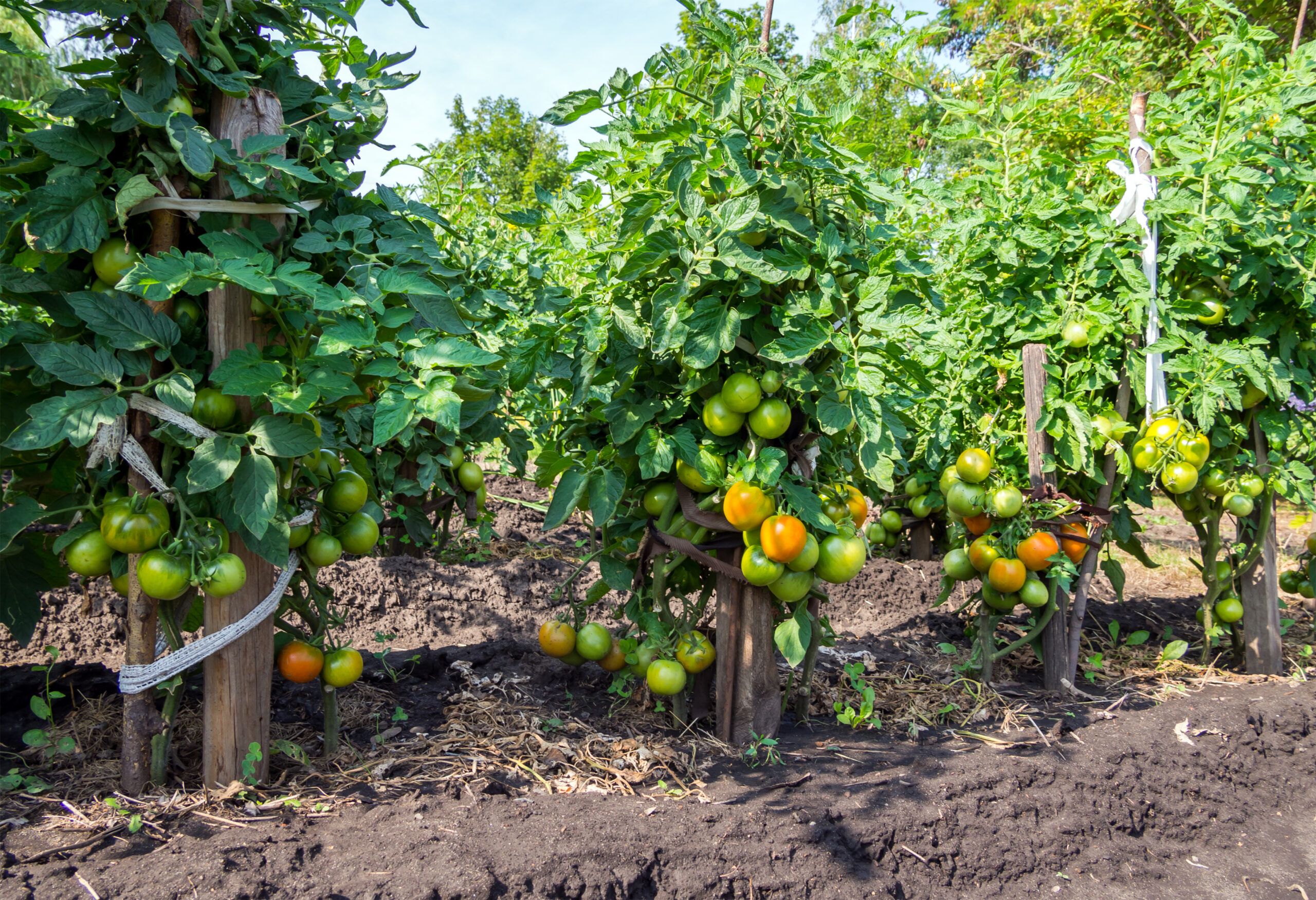
Warm soil, deep roots, steady moisture, and mulch work together to create plants that flower longer, set more fruit, and continue producing well into late summer.
Throughout my years of growing tomatoes in a variety of climates, one lesson has remained constant: gardeners who manage soil moisture consistently almost always harvest more tomatoes than those who water only when plants begin to wilt.
Don’t think of watering as rescuing thirsty plants. Think of it as creating the steady growing conditions that tomatoes need every day.
When you water deeply, protect the soil with mulch, and monitor moisture instead of following the calendar, you’ll harvest healthier plants, better-tasting tomatoes, and larger harvests all season long.
Frequently Asked Questions
Should I water tomatoes every day?
Usually not. Most garden tomatoes benefit from deep watering once or twice a week, though hot weather, sandy soil, or containers may require more frequent watering. Check the soil before irrigating rather than watering on a fixed schedule.
Is it better to water tomatoes in the morning or evening?
Morning is best. Watering early gives plants time to absorb moisture before afternoon heat while allowing foliage to dry quickly, reducing the risk of disease.
How much water do tomato plants need?
Rather than measuring gallons, water deeply enough to moisten the soil 8 to 12 inches below the surface. The amount varies with weather, soil type, plant size, and mulch.
Does mulch really help tomato production?
Yes. Mulch reduces evaporation, moderates soil temperature, suppresses weeds, and keeps soil moisture more consistent—all of which contribute to healthier plants and larger harvests.