Heat-Tolerant Vegetable Varieties for Productive Summer Gardens

When summer temperatures regularly climb above 90°F, many vegetable gardens begin to slow down or shut down entirely. Tomatoes drop blossoms, lettuce bolts, beans stall, and fruit quality declines. But the problem is not just heat itself—it is often the variety being grown.
Within almost every vegetable category, there are cultivars bred or naturally adapted to handle extreme heat better than others. Choosing heat-tolerant varieties can make the difference between a struggling garden and one that continues producing through the hottest months of the year.
After more than 30 years of growing vegetables in California’s inland valleys and other hot-summer climates, I’ve found that variety selection is one of the most important decisions a gardener can make. The right genetics, combined with good soil, consistent watering, and mulch, can dramatically improve summer harvests.
Below is a practical guide to heat-tolerant vegetable varieties that consistently perform well in high temperatures.
Know What to Plant This Week
Every week I answer the gardener's most important question: what should I plant now? Get seasonal planting advice free — or go Pro for my full Soil Temperature Garden Report, with soil temperature, moisture, weather trends, and crop-by-crop recommendations.
Why Variety Selection Matters in Hot Weather
Not all vegetables respond to heat the same way—even within the same species.
Heat-tolerant varieties are selected for traits such as:
- Better pollen viability at high temperatures
- Stronger root systems
- Reduced blossom drop
- Slower bolting in leafy crops
- Improved water-use efficiency
- Disease resistance in warm, humid conditions
These traits help plants maintain productivity when temperatures exceed 90°F–100°F.
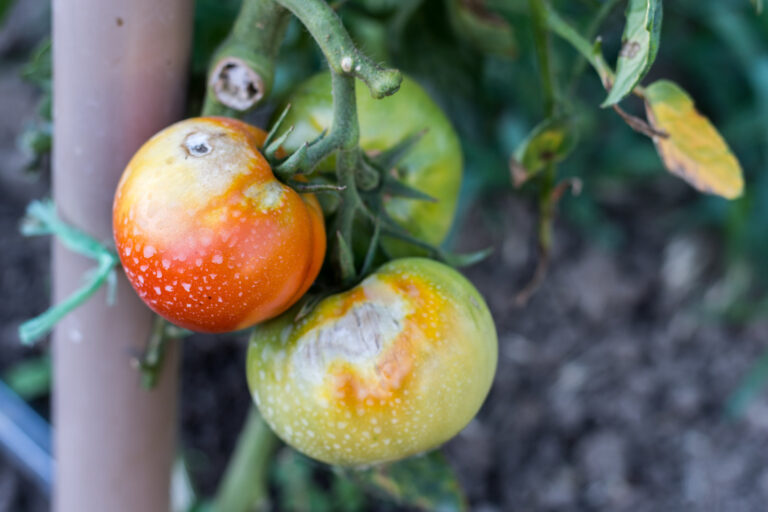
Heat-Tolerant Tomato Varieties
Tomatoes are highly sensitive to heat during flowering, but some varieties perform better than others.
Reliable heat-tolerant types:
- ‘Heatmaster’
- ‘Solar Fire’
- ‘Phoenix’
- ‘Sunchaser’
- ‘Arkansas Traveler’
- ‘Florida 91’
Why they perform better:
- Improved fruit set in high temperatures
- Better tolerance of warm nights
- More consistent flowering during heat waves
Even heat-tolerant tomatoes benefit from mulch, deep watering, and afternoon shade in extreme heat.
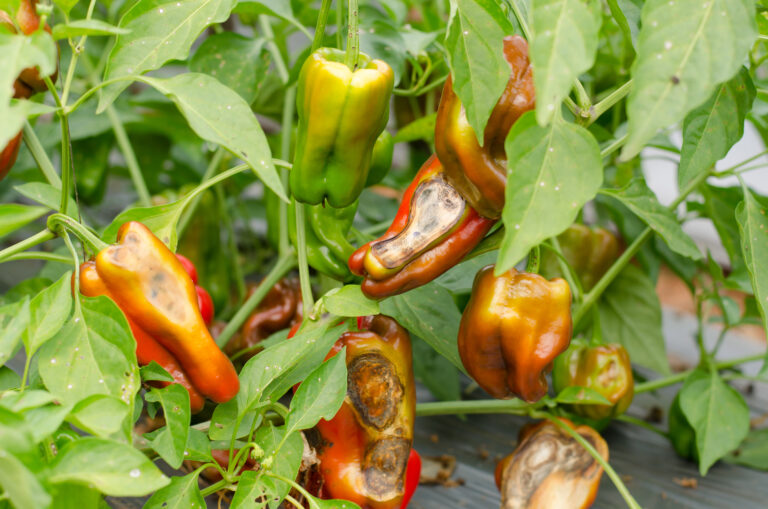
Heat-Tolerant Pepper Varieties
Peppers generally handle heat better than tomatoes, especially hot varieties.
Excellent choices:
- ‘Cayenne Long Slim’
- ‘Jalapeño M’
- ‘Serrano del Sol’
- ‘Habanero Orange’
- ‘Shishito’
- ‘Gypsy’ (sweet pepper)
Why they thrive:
- Native to warm climates
- Continuous flowering in heat
- Strong recovery after heat stress
Hot peppers tend to outperform sweet peppers in extreme heat.
Heat-Tolerant Bean Varieties
Beans can struggle in heat when flowers drop prematurely. These varieties are more reliable.
Recommended varieties:
- ‘Blue Lake FM-1K’ (pole bean)
- ‘Kentucky Wonder’ (pole bean)
- ‘Provider’ (bush bean)
- ‘Contender’ (bush bean)
- ‘Roma II’ (flat bean)
Key advantages:
- Better pod set in warm conditions
- Faster maturity before peak heat
- Improved resilience in fluctuating moisture
Heat-Tolerant Lettuce and Greens
Most lettuce bolts quickly in heat, but some varieties resist bolting longer.
Better heat-tolerant greens:
- ‘Jericho’ romaine
- ‘Parris Island Cos’
- ‘Summer Crisp’ types
- ‘Black Seeded Simpson’ (leaf lettuce)
- New Zealand spinach
- Malabar spinach
Why they last longer:
- Slower bolting response
- Improved leaf texture in warm weather
- Greater tolerance of long daylight hours
Even heat-tolerant greens benefit from afternoon shade.
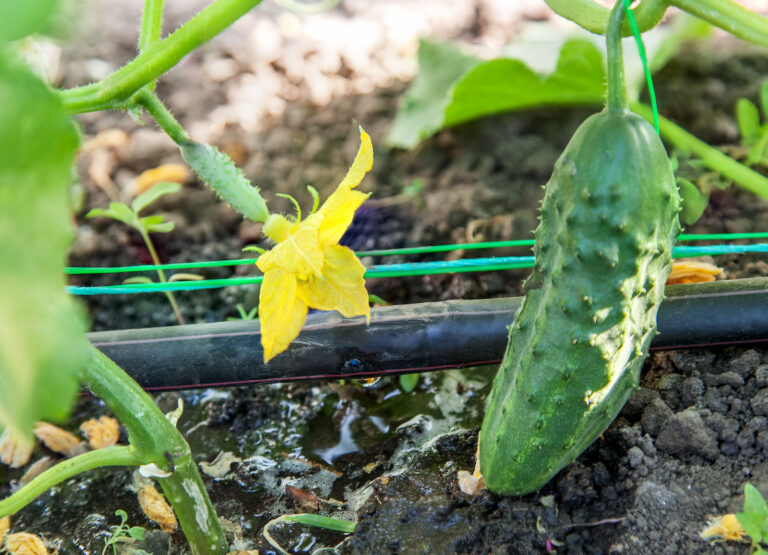
Heat-Tolerant Cucumber Varieties
Cucumbers often suffer from bitterness and poor fruit set in heat.
Reliable varieties:
- ‘Diva’ (parthenocarpic)
- ‘Suyo Long’
- ‘Marketmore 76’
- ‘Armenian cucumber’ (technically a melon)
- ‘Straight Eight’
Advantages:
- Better pollination in heat
- Reduced bitterness
- More consistent fruiting under stress
Armenian cucumbers are among the most heat-resilient.
Heat-Tolerant Squash Varieties
Summer squash can decline quickly in extreme heat, but some varieties perform better.
Recommended types:
- ‘Zephyr’
- ‘Costata Romanesco’ zucchini
- ‘Early Prolific Straightneck’
- ‘Black Beauty’ zucchini
Why they work:
- Continuous flowering ability
- Faster fruit development
- Strong vigor in warm soil
Heat-Tolerant Eggplant Varieties
Eggplant is naturally heat-loving, but some varieties excel.
Strong performers:
- ‘Black Beauty’
- ‘Ichiban’ (Japanese type)
- ‘Ping Tung Long’
- ‘Listada de Gandia’
Benefits:
- Consistent flowering in heat
- Reduced fruit drop
- Strong drought tolerance once established
Heat-Tolerant Melon Varieties
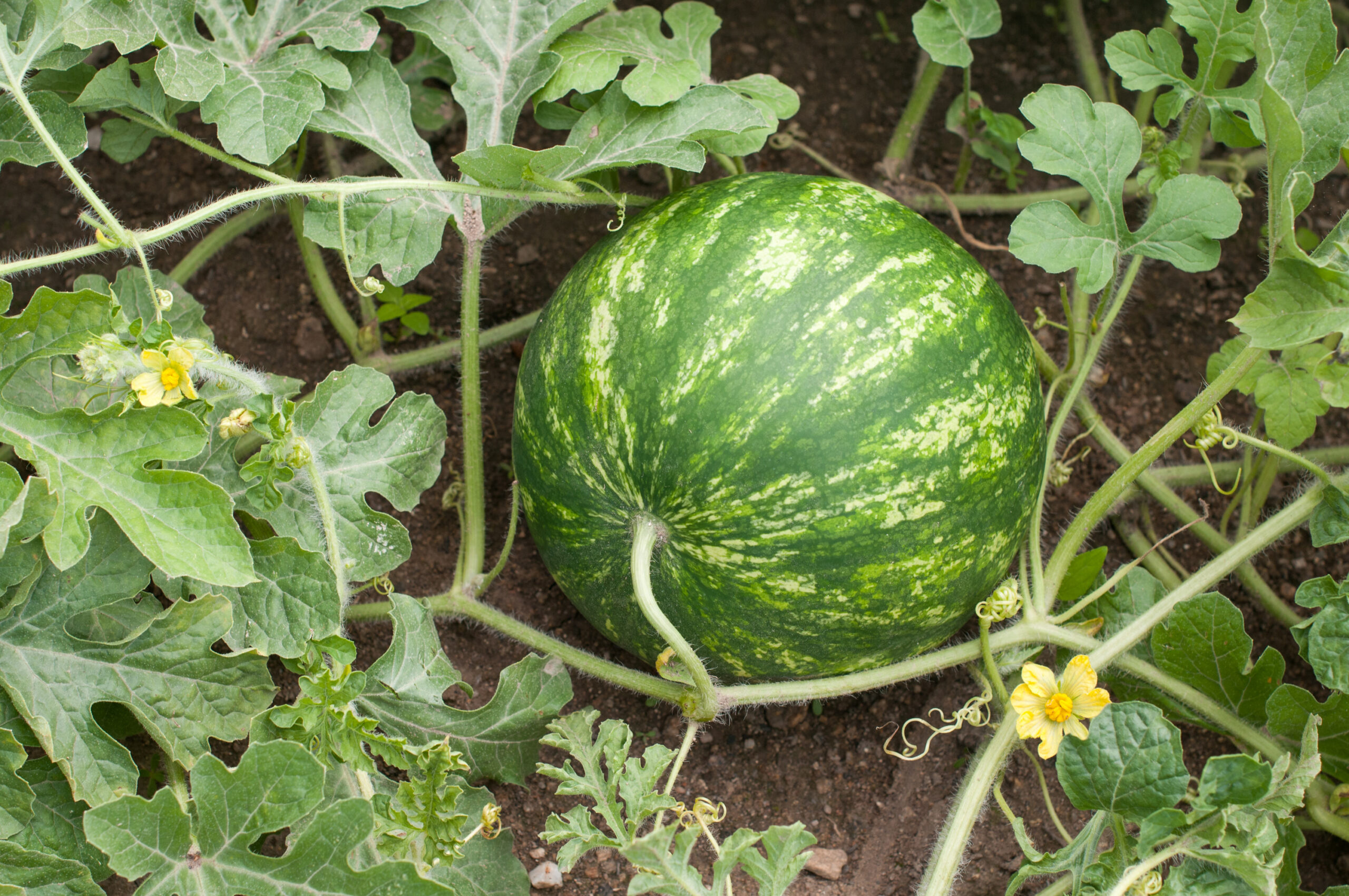
Melons thrive in heat when properly watered.
Good choices:
- ‘Ambrosia’ cantaloupe
- ‘Sugar Baby’ watermelon
- ‘Crimson Sweet’ watermelon
- ‘Honey Rock’ melon
Why they perform well:
- High sugar development in hot weather
- Strong vine growth
- Improved flavor in consistent heat
Heat-Tolerant Southern Crops
These crops are naturally adapted to extreme heat.
Excellent options:
- Okra (‘Clemson Spineless’)
- Southern peas (‘California Blackeye’, ‘Pinkeye Purple Hull’)
- Sweet potatoes (‘Beauregard’)
- Yardlong beans
These vegetables often outperform traditional garden crops during heat waves.
How to Maximize Heat-Tolerant Varieties
Even heat-tolerant vegetables benefit from good cultural practices.
1. Water Deeply and Consistently
Encourage deep root systems that can access moisture during hot spells.
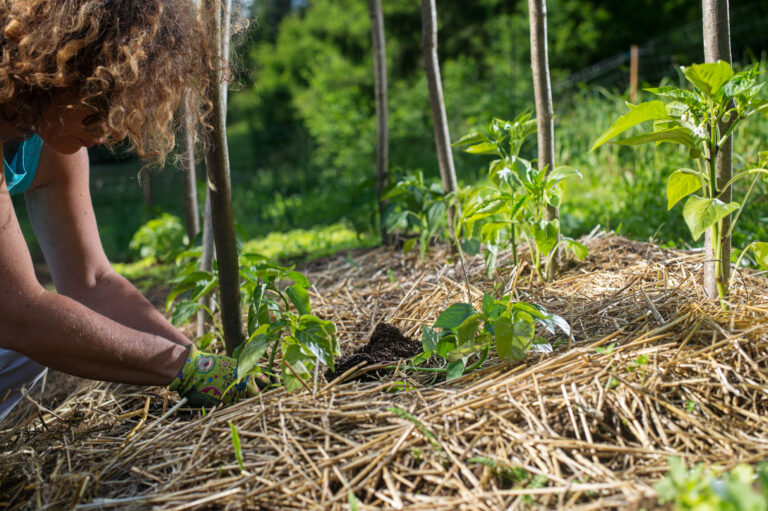
2. Mulch Heavily
Maintain 2–4 inches of organic mulch to reduce evaporation.
3. Provide Afternoon Shade When Needed
Especially for tomatoes, greens, and cucumbers during prolonged heat.
4. Avoid Excess Fertilizer
Too much nitrogen increases stress during hot weather.
5. Harvest Frequently
Regular harvesting encourages continued flowering and production.
Common Mistakes in Heat-Resistant Gardening
Even with good varieties, avoid:
- Overcrowding plants
- Shallow watering
- Planting cool-season crops in midsummer
- Removing too much foliage
- Ignoring soil moisture levels
Good management is as important as variety selection.
Final Thoughts
Heat-tolerant vegetable varieties are one of the most powerful tools a gardener can use in hot climates. While no plant is completely immune to extreme temperatures, selecting the right varieties dramatically improves your chances of maintaining a productive garden through summer heat waves. When combined with deep watering, mulch, and thoughtful spacing, these crops can keep producing even when temperatures climb well above 90°F.
In my own gardens, I’ve seen heat-tolerant varieties consistently outperform standard types during the hottest weeks of summer. The difference is especially clear in tomatoes, peppers, beans, and greens. Choosing the right genetics is not just a detail—it’s the foundation of successful summer gardening.
Want the complete heat-wave playbook? For step-by-step guidance before, during, and after a heat wave—including watering, shading, mulching, recovery, and crop-specific advice—see The Complete Guide to Growing Vegetables in Extreme Summer Heat.
Frequently Asked Questions
What is the most heat-tolerant vegetable variety?
Okra varieties such as ‘Clemson Spineless’ are among the most heat-tolerant, thriving in temperatures well above 90°F.
Do heirloom varieties handle heat well?
Some heirlooms do, such as ‘Arkansas Traveler’ tomato, but many modern hybrids are specifically bred for improved heat tolerance.
Can heat-tolerant varieties still fail in extreme heat?
Yes. Even heat-tolerant crops need adequate water, mulch, and soil health to perform well during prolonged heat waves.
Should I switch to heat-tolerant varieties in summer?
Yes, in hot climates or during peak summer months, switching to heat-tolerant varieties significantly improves garden productivity.
About the Author
Stephen Albert is a horticulturist, certified nurseryman, Master Gardener educator, and founder of Harvest to Table. With more than 30 years of experience growing vegetables in hot and temperate climates, including California’s inland valleys, he specializes in practical, field-tested strategies for resilient vegetable production. His recommendations are based on extensive hands-on gardening experience and established horticultural research in plant physiology, crop breeding, soil management, and climate-adapted gardening systems.