Why Tomatoes Stop Setting Fruit (and How to Fix It)

Few things frustrate gardeners more than healthy-looking tomato plants that suddenly stop producing fruit. The vines are green, the leaves are full, and flowers may still appear—but no tomatoes are forming. This is one of the most common midsummer problems in vegetable gardens, especially when temperatures climb above 90°F to 95°F.
The key point is this: tomato plants usually don’t fail. They simply stop setting fruit when conditions are not right for pollination and fruit development.
After more than 30 years of growing tomatoes in California’s inland valleys and other hot-summer regions, I’ve seen this pattern repeat every year. Once you understand the environmental triggers—especially heat, humidity, and water stress—you can usually restore production or prevent the problem altogether.
Here’s why tomatoes stop setting fruit and what you can do about it.
Know What to Plant This Week
Every week I answer the gardener's most important question: what should I plant now? Get seasonal planting advice free — or go Pro for my full Soil Temperature Garden Report, with soil temperature, moisture, weather trends, and crop-by-crop recommendations.
🌡️ 1. High Temperatures Disrupt Pollination
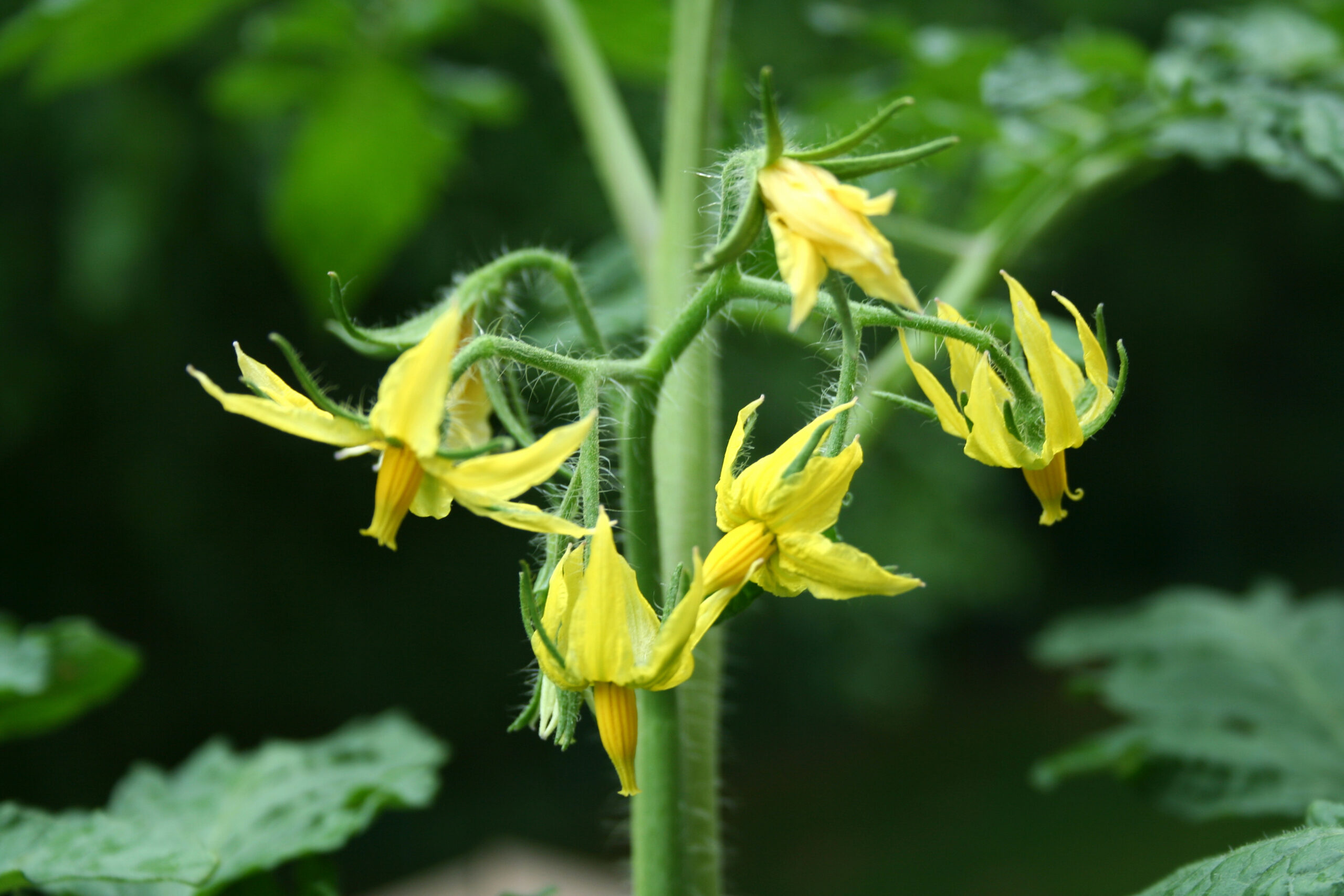
The most common reason tomatoes stop setting fruit is heat stress during flowering.
Tomatoes are sensitive during pollination, especially when temperatures exceed:
- Daytime: 90–95°F+
- Nighttime: 70–75°F+
What happens:
- Pollen becomes less viable
- Flowers drop without forming fruit
- Fertilization fails even if flowers look healthy
Even brief heat spikes can interrupt fruit set.
🌙 2. Warm Nights Are Just as Important as Hot Days
Many gardeners focus on daytime heat, but warm nights are equally disruptive.
When nighttime temperatures stay too high:
- Pollen production declines
- Flowers remain unpollinated
- Plant energy shifts away from reproduction
Tomatoes often recover quickly once nights cool below about 70°F.
💧 3. Irregular Watering Causes Stress
Water stress is another major cause of poor fruit set.
If soil moisture fluctuates too much:
- Flowers drop prematurely
- Plant growth becomes erratic
- Root uptake of nutrients slows
Common mistakes:
- Letting soil dry out completely
- Overwatering after drought stress
- Shallow, frequent watering
Tomatoes prefer consistent, deep soil moisture.
🌫️ 4. High Humidity Can Block Pollination
In humid conditions, tomato flowers may struggle even without heat extremes.
Why:
- Pollen becomes sticky and less mobile
- Flowers do not release pollen effectively
- Air movement is reduced
Without movement, pollination fails even in otherwise healthy plants.
🌬️ 5. Poor Air Circulation Limits Flower Success
Tomatoes rely on vibration and air movement to release pollen.
If plants are:
- Overcrowded
- Grown in still air
- Protected by dense foliage or structures
Then pollination efficiency drops.
In open garden conditions, wind or insect activity usually assists pollination.
🌱 6. Too Much Nitrogen Encourages Leaves, Not Fruit
Excess fertilizer—especially nitrogen—creates lush green growth at the expense of flowering and fruiting.
Signs of overfertilization:
- Thick, dark green foliage
- Few flowers
- Delayed fruit development
During flowering, tomatoes need balanced nutrition, not heavy feeding.
🌿 7. Lack of Pollinators or Vibration
Tomatoes are self-pollinating, but they still need movement to release pollen.
In still conditions:
- Flowers remain closed
- Pollen does not transfer
- Fruit does not form
Natural solutions:
- Lightly shake plants in the morning
- Encourage bees in the garden
- Improve airflow with spacing and pruning (carefully)
☀️ 8. Shade or Low Light Reduces Fruit Set
While tomatoes need protection from extreme heat, they also need adequate sunlight.
If plants receive:
- Too much shade
- Competition from taller crops
- Reduced light due to overcrowding
Then flower production and fruit set decline.
Tomatoes generally need 6–8 hours of sun daily.
🍅 9. Heat Wave Recovery Lag
Even after temperatures return to normal, tomatoes may take time to resume fruiting.
This is normal.
Typical recovery pattern:
- Flowers appear first
- Fruit set resumes after several days
- New clusters develop gradually
Patience is often required after extreme heat events.
🌿 How to Restore Fruit Set in Tomatoes
If your tomatoes have stopped setting fruit, here’s how to help them recover.
✔ Stabilize Watering
- Water deeply every 2–3 days (adjust for soil type)
- Avoid both drought and saturation
- Use mulch to regulate moisture
✔ Reduce Heat Stress
- Apply 30–40% shade cloth during heat waves
- Protect afternoon sun exposure
- Keep soil cool with mulch
✔ Improve Airflow
- Thin excessive foliage (lightly)
- Space plants properly
- Use stakes or cages for structure
✔ Avoid Heavy Fertilizer
- Stop nitrogen-heavy feeding during heat
- Use compost or mild organic fertilizer only after recovery begins
✔ Encourage Pollination
- Gently shake flower clusters in the morning
- Support bee activity with flowering plants nearby
🌿 Which Tomatoes Are More Heat-Tolerant?
Some varieties perform better when temperatures rise.
More heat-tolerant types:
- ‘Heatmaster’
- ‘Solar Fire’
- ‘Florida 91’
- ‘Phoenix’
- ‘Arkansas Traveler’
These varieties tend to maintain fruit set longer during warm weather.
🧠 Why This Advice Is Reliable
This information is based on both horticultural science and decades of field experience.
Stephen Albert is a horticulturist, certified nurseryman, and Master Gardener educator with more than 30 years of experience growing vegetables in California’s inland valleys and other warm-summer climates. His recommendations are grounded in plant physiology, soil science, irrigation management, and long-term observation of tomato performance under heat stress conditions.
🌞 Final Thoughts
When tomatoes stop setting fruit, it is almost always a response to environmental stress—not plant failure. High temperatures, warm nights, irregular watering, humidity, and nutrient imbalance all disrupt the delicate process of pollination. The good news is that most tomato plants recover quickly once conditions improve.
In my own gardens, I’ve seen tomatoes pause production during intense summer heat, only to resume flowering and fruiting within days of cooler weather returning. The key is steady care: consistent watering, moderate feeding, good airflow, and protection during extreme heat. When these conditions are restored, tomatoes almost always return to production.
Want the complete heat-wave playbook? For step-by-step guidance before, during, and after a heat wave—including watering, shading, mulching, recovery, and crop-specific advice—see The Complete Guide to Growing Vegetables in Extreme Summer Heat.