How to Keep Tomatoes Producing Until Frost

For many gardeners, the best tomato harvest comes at the end of summer when plants are mature, heavily loaded with fruit, and capable of producing until the first frost. But keeping tomato plants productive into fall requires more than simply waiting for tomatoes to ripen.
Late-season tomato success depends on maintaining healthy roots, protecting plants from stress, encouraging new fruit set, and managing the challenges that arrive as summer changes into autumn.
After decades of growing tomatoes in my home gardens and market garden, as well as gardens in Iowa, eastern Massachusetts, and Northern California, I’ve learned that extending the tomato season is a combination of good timing, careful maintenance, and understanding what plants need as conditions change.
In my market garden, keeping tomatoes producing meant treating plants as a long-term crop—not just harvesting the first flush of fruit and letting plants decline. In my home garden, it meant making small adjustments that helped plants continue producing flavorful tomatoes weeks after many gardens had stopped.
Know What to Plant This Week
Every week I answer the gardener's most important question: what should I plant now? Get seasonal planting advice free — or go Pro for my full Soil Temperature Garden Report, with soil temperature, moisture, weather trends, and crop-by-crop recommendations.
The goal is not to force tomatoes to grow forever. The goal is to keep healthy plants productive for as long as weather allows.
Why Tomato Plants Stop Producing in Late Summer
Tomatoes naturally slow down as the season progresses.
Common reasons production declines include:
- Heat stress
- Cooler nights
- Nutrient depletion
- Drought stress
- Disease buildup
- Overgrown plants
- Lack of harvesting
- Declining plant health
A tomato plant that looks tired in August or September may simply need attention.
Late-season care can help plants:
- Produce new flowers
- Ripen existing fruit
- Maintain healthy foliage
- Resist disease
- Continue growing until frost
Keep Harvesting Tomatoes Regularly
One of the simplest ways to keep tomatoes producing is to harvest frequently.
When ripe tomatoes remain on the plant:
- The plant directs energy toward existing fruit.
- New flowering may slow.
- Fruit production can decline.
Harvest tomatoes every few days during peak production.
Pick:
- Fully ripe tomatoes for eating
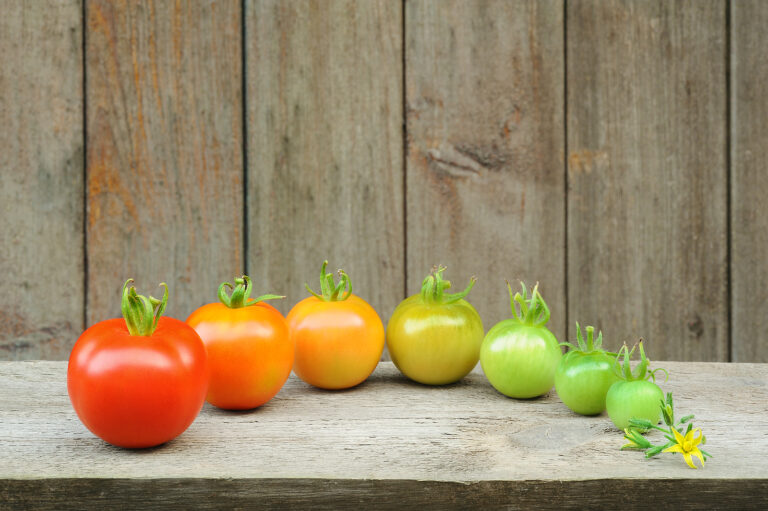
- Breaker-stage tomatoes if weather threatens
- Green mature tomatoes before frost
Regular harvesting encourages indeterminate varieties to continue producing.
Water Tomatoes Consistently Through Late Summer
Late-season tomato production depends heavily on steady moisture.
Water stress can cause:
- Flower drop
- Smaller fruit
- Leaf decline
- Blossom end rot
- Reduced production
As summer continues:
- Check soil moisture regularly.
- Water deeply when needed.
- Avoid cycles of drought followed by heavy irrigation.
In my market garden, consistent irrigation was one of the biggest factors in keeping tomatoes productive through long summer harvests.
The goal is not constantly wet soil—it is a stable root environment.
Maintain Healthy Tomato Roots
Healthy roots support late-season production.
Protect roots by:
- Maintaining mulch
- Avoiding unnecessary cultivation around plants
- Keeping soil moisture consistent
- Adding compost to improve soil structure
A tomato plant with healthy roots can often continue producing even when temperatures begin to moderate.
Feed Tomatoes for Fall Production
By late summer, heavy-producing tomato plants may have used significant soil nutrients.
Signs plants may need feeding include:
- Pale leaves
- Smaller fruit
- Slow new growth
- Reduced flowering
Use:
- Compost
- Well-balanced organic fertilizer
- Tomato fertilizer formulated for flowering and fruiting
Avoid excessive nitrogen late in the season.
Too much nitrogen can encourage:
- Large leafy growth
- Fewer flowers
- Delayed fruit ripening
Late-season tomatoes need support for fruit—not just foliage.
Prune Tomatoes to Extend Production
Selective pruning can help plants stay productive into fall.
Remove:
- Yellowing lower leaves
- Diseased foliage
- Dead branches
- Leaves touching the soil
- Crowded interior growth
Good airflow helps reduce disease pressure as fall humidity increases.
Avoid heavy pruning late in the season.
Tomato leaves continue producing energy needed to ripen fruit and protect tomatoes from sun exposure.
Remove New Flowers Late in the Season
Near the end of the growing season, consider removing new flowers that are unlikely to mature before frost.
This allows the plant to focus energy on:
- Existing fruit
- Larger tomatoes
- Tomatoes already beginning to ripen
In regions with a short fall season, this can make a noticeable difference.
In mild climates like Northern California, however, I often allow plants to continue flowering because there may be weeks or months of growing weather remaining.
Protect Tomatoes From Fall Temperature Changes
Tomatoes slow down when temperatures cool.
They grow best when:
- Days remain warm
- Nights stay above about 50°F (10°C)
As fall approaches:
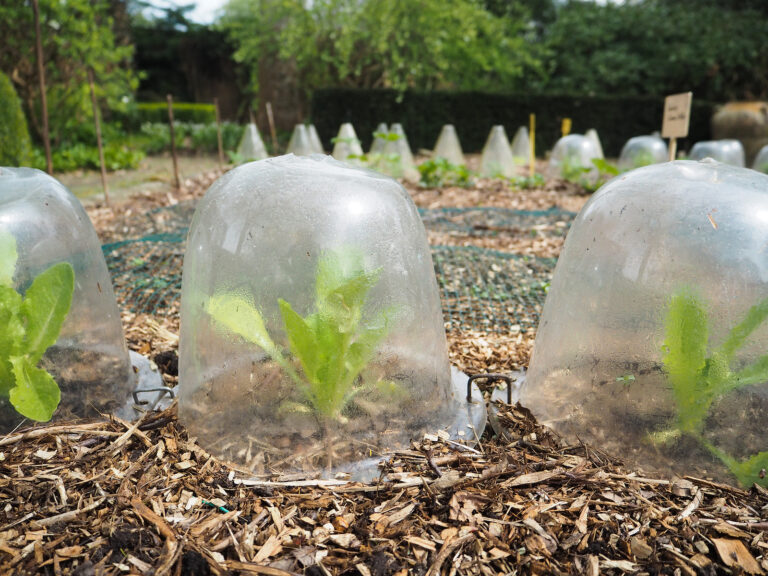
- Use row covers during cool nights.
- Harvest before frost.
- Protect plants from cold snaps.
A light frost can damage tomato foliage quickly.
Keep Tomato Plants Healthy Through Disease Management
Late summer and fall often bring increased disease pressure.
Watch for:
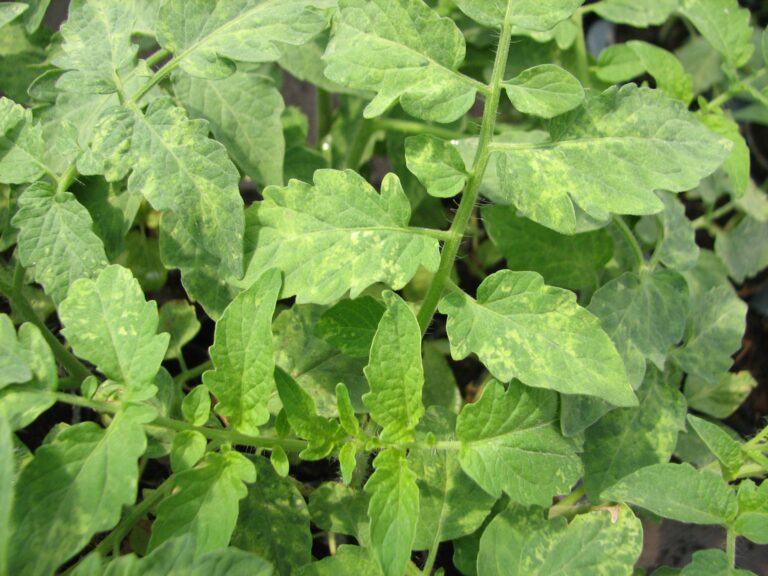
- Yellowing leaves
- Brown spots
- Wilting branches
- Fruit rot
Remove diseased leaves promptly.
Good practices include:
- Avoiding overhead watering
- Maintaining airflow
- Removing fallen leaves
- Cleaning up plant debris
Healthy plants have a much better chance of producing until frost.
Choose Varieties That Produce Late
Some tomato varieties naturally have longer production periods.
For extended harvests, consider:
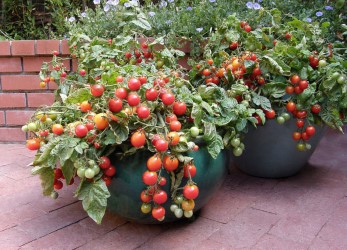
- Cherry tomatoes
- Early varieties
- Long-season indeterminate varieties
- Disease-resistant varieties
Cherry tomatoes often continue producing when large-fruited varieties slow down.
Use the Final Weeks Wisely
As frost approaches, focus the plant’s energy.
Prioritize:
- Ripening tomatoes already formed
- Harvesting mature green fruit
- Protecting plants from cold
A tomato plant cannot produce unlimited fruit at the end of the season. Good management helps you get the most from the remaining growing days.
My Home Garden and Market Garden Experience
Growing tomatoes in my home garden and market garden has taught me that the longest harvests come from consistent attention throughout the season.
In my market garden, tomatoes needed regular watering, pruning, harvesting, and support because production had to continue week after week. A neglected plant could quickly become overgrown, diseased, and less productive.
In my home garden, I learned that small actions—removing a few yellow leaves, maintaining mulch, harvesting regularly, and checking soil moisture—could extend the harvest significantly.
Growing tomatoes in Iowa taught me to value every warm day before frost. Massachusetts taught me the importance of timing and season extension. California taught me that careful water management can keep tomatoes productive through long, dry summers.
The lesson from all three climates is the same: tomatoes reward gardeners who continue caring for them after the first harvest.
Frequently Asked Questions
How can I keep tomato plants producing until frost?
Maintain consistent watering, harvest regularly, remove diseased growth, provide balanced nutrients, and protect plants from cold weather.
Should I prune tomato plants in fall?
Yes, but prune lightly. Remove damaged and diseased growth while keeping healthy leaves for photosynthesis.
Should I remove tomato flowers late in the season?
If frost is approaching, remove new flowers that are unlikely to produce ripe fruit and allow the plant to focus on existing tomatoes.
How long will tomato plants produce?
In warm climates, tomatoes can produce for many months. In colder regions, production usually ends with the first frost.
Should I fertilize tomatoes in late summer?
Yes, if plants show signs of nutrient depletion. Use balanced fertilizer or compost and avoid excessive nitrogen.
How do I protect tomato plants from early frost?
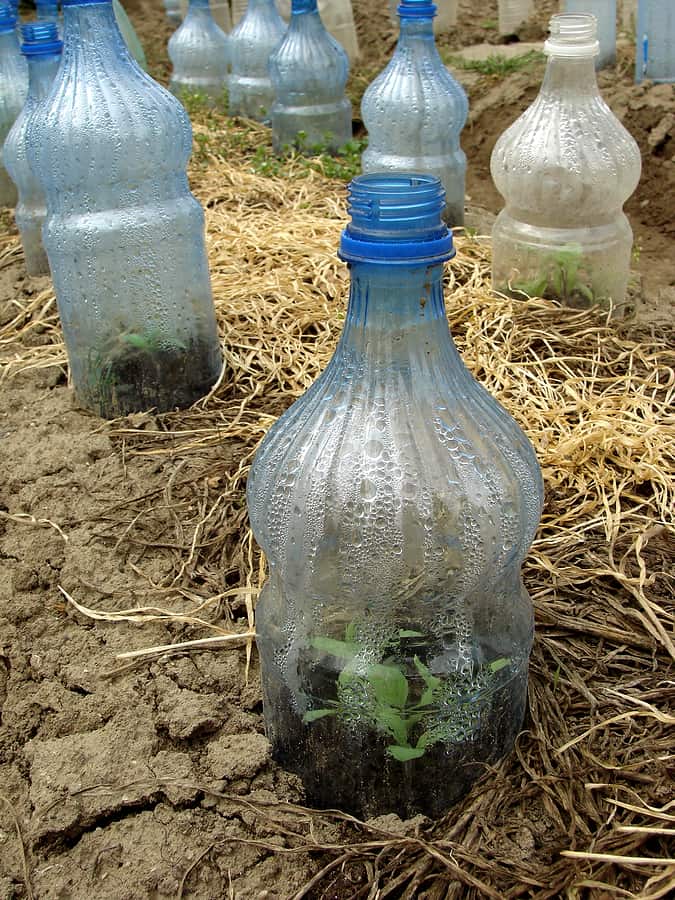
Cover plants with frost protection materials, harvest mature green fruit, and protect roots with mulch.
Why are my tomato plants slowing down in September?
Cool nights, declining nutrients, disease pressure, and reduced sunlight can naturally slow tomato production.
Can tomatoes keep producing after a heat wave?
Yes. Healthy plants often resume flowering and fruit production when temperatures become more favorable.
The Bottom Line
Keeping tomatoes producing until frost is about maintaining plant health long after the first harvest. Consistent moisture, regular harvesting, balanced nutrition, disease prevention, and thoughtful pruning can extend the season and increase your total yield.
After decades of growing tomatoes in home gardens and market gardens, I’ve learned that the final weeks of the season are often when good care pays off the most.
A healthy tomato plant is capable of producing far longer than many gardeners expect. Keep caring for the plant, and it will keep rewarding you with fresh tomatoes until cold weather finally arrives.