How Often Should You Water Tomatoes During a Heat Wave?

A heat wave can transform a productive tomato garden into a stressed one almost overnight. Leaves droop, flowers drop, fruit development slows, and gardeners begin wondering: How often should I water my tomatoes when temperatures soar?
Tomatoes love summer warmth, but extreme heat increases water loss dramatically. The challenge is not simply giving plants more water—it is maintaining the steady soil moisture that keeps roots functioning, flowers developing, and fruit filling out.
After growing tomatoes in gardens across Iowa, eastern Massachusetts, and Northern California, I’ve learned that heat-wave watering requires attention to the plant, the soil, and the weather. A tomato plant in a humid Midwest summer has different needs than one growing through a dry California heat wave, but the principle is the same:
Keep the root zone consistently moist without keeping it constantly wet.
Know What to Plant This Week
Every week I answer the gardener's most important question: what should I plant now? Get seasonal planting advice free — or go Pro for my full Soil Temperature Garden Report, with soil temperature, moisture, weather trends, and crop-by-crop recommendations.
The healthiest tomato plants during hot weather are not the ones watered the most. They are the ones watered consistently and deeply.
Why Tomatoes Need More Water During a Heat Wave
Tomato plants lose water through their leaves through a process called transpiration. As temperatures rise, plants release moisture faster to cool themselves.
During a heat wave, several things happen:
- Soil dries out faster
- Roots must work harder to supply water
- Leaves may wilt during the afternoon
- Flowers may drop
- Fruit growth may slow
- Pollination may decrease
When tomatoes experience repeated cycles of drought and heavy watering, plants become stressed and production suffers.
How Often Should You Water Tomatoes During a Heat Wave?
There is no single watering schedule that works for every garden. The frequency depends on temperature, soil type, mulch, irrigation method, and plant size.
General guidelines:
Temperatures 85–90°F (29–32°C)
- Water deeply every 2 to 3 days
- Check soil moisture before irrigating
Temperatures 90–100°F (32–38°C)
- Check soil daily
- Water every 1 to 2 days as needed
Temperatures Above 100°F (38°C)
- Check plants morning and evening
- Containers may require daily watering
- Raised beds and sandy soils may need more frequent irrigation
The best indicator is the soil—not the calendar.
Insert your finger or a moisture meter several inches into the soil. If the root zone is beginning to dry, it is time to water.
How Much Water Do Tomatoes Need During Extreme Heat?
A mature tomato plant generally needs about 1 to 2 inches of water per week, including rainfall.
During a heat wave, plants may need more because of increased evaporation.
A good watering should:
- Moisten soil 8 to 12 inches deep
- Reach the entire root zone
- Be applied slowly enough to soak in
Deep watering encourages deeper roots, which help plants handle future heat.
Water Deeply, Not Frequently
One of the most common tomato watering mistakes is shallow daily watering.
Light watering:
- Encourages shallow roots
- Leaves plants more vulnerable to heat
- Causes moisture fluctuations
Deep watering:
- Builds stronger roots
- Improves drought tolerance
- Supports larger fruit
- Reduces stress
During summer heat, the goal is not just to wet the surface—it is to recharge the soil around the roots.
The Best Time to Water Tomatoes During a Heat Wave
The best time to water tomatoes is early morning.
Morning watering:
- Rehydrates plants before temperatures climb
- Reduces evaporation
- Gives roots time to absorb moisture
- Helps plants prepare for afternoon heat
If plants are severely wilted late in the day, a second watering may be needed, especially for containers.
Avoid making late-evening watering a habit because wet foliage overnight can encourage disease.
Should You Water Wilting Tomato Plants?
It depends on when the wilting occurs.
Afternoon Wilting
Some afternoon wilting is normal during extreme heat.
Tomato leaves may droop temporarily because water loss exceeds what roots can supply during the hottest part of the day.
If plants recover by evening or morning, they may not need immediate water.
Morning Wilting
Morning wilting is a concern.
It usually indicates:
- Dry soil
- Root stress
- Insufficient irrigation
Water deeply if plants are still wilted early in the day.
How to Tell If Tomatoes Need Water
Signs of underwatering include:
- Wilted leaves in the morning
- Dry soil several inches below the surface
- Drooping stems
- Flower drop
- Small fruit
- Leaf curling
- Slow growth
Remember that leaf curling can also be caused by heat stress, so always check soil moisture before watering.
Signs You Are Overwatering Tomatoes During Heat
More water does not always solve heat stress.
Overwatering can cause:
- Yellow leaves
- Weak growth
- Poor root function
- Reduced flavor
- Increased disease problems
- Cracked fruit
Tomato roots need both moisture and oxygen. Constantly saturated soil prevents roots from functioning properly.
The Best Way to Water Tomatoes During a Heat Wave
Drip Irrigation
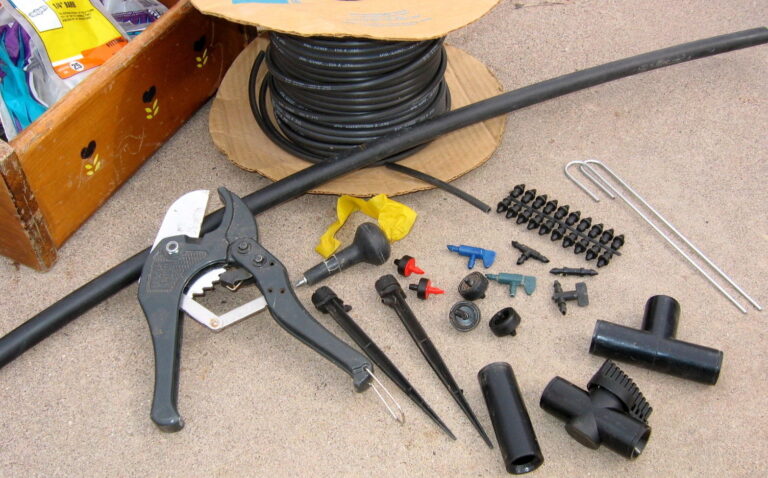
Drip irrigation is one of the best methods for hot weather.
Benefits include:
- Delivers water directly to roots
- Reduces evaporation
- Maintains steady moisture
- Keeps leaves dry
Soaker Hoses
Soaker hoses work well in rows and raised beds by slowly applying water where roots need it.
Hand Watering
Hand watering can work for small gardens if you apply water slowly and deeply.
Avoid quick surface watering that runs off before reaching the root zone.
Mulch Is Essential During Heat Waves
A thick layer of organic mulch is one of the best ways to protect tomatoes during extreme heat.
Apply 2 to 4 inches of:
- Straw
- Compost
- Shredded leaves
- Grass clippings
- Chopped garden debris
Mulch helps:
- Reduce evaporation
- Keep soil temperatures lower
- Prevent moisture swings
- Protect shallow roots
In my Northern California garden, mulch makes a noticeable difference during long stretches of hot, dry weather.
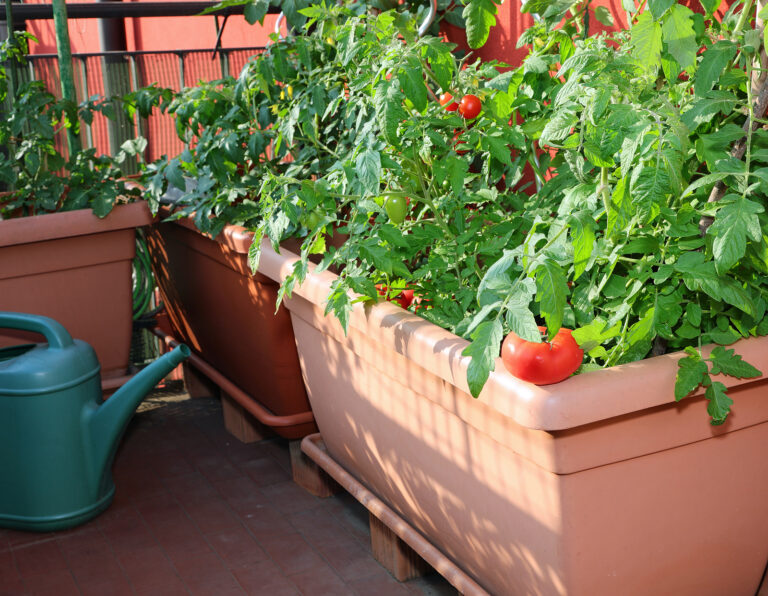
Watering Tomatoes in Containers During a Heat Wave
Container tomatoes have a much smaller soil reservoir than garden plants.
During hot weather:
- Check containers every day.
- Water when the top inch becomes dry.
- Water until excess drains from the bottom.
- Avoid letting containers completely dry out.
Large containers hold moisture longer and provide more stable root conditions.
Should You Fertilize Tomatoes During a Heat Wave?
Avoid heavy fertilizing when plants are heat-stressed.
Dry soil combined with fertilizer can damage roots.
A better approach:
- Water deeply.
- Allow plants to recover.
- Resume feeding when temperatures moderate.
Healthy roots absorb nutrients more effectively than stressed roots.
How Heat Waves Affect Tomato Fruit
Even well-watered plants can struggle during extreme heat.
High temperatures can cause:
- Flower drop
- Poor pollination
- Fewer new tomatoes
- Slow ripening
Keeping plants hydrated reduces stress but cannot completely prevent heat-related growth slowdowns.
When temperatures cool, healthy plants often resume production.
My Tomato Heat Wave Watering Routine
Growing tomatoes in Iowa, Massachusetts, and California has taught me that watering is always about balance.
In Iowa, summer rainfall often created periods of too much and too little moisture. In Massachusetts, consistent watering helped plants mature before the growing season ended. In California, where summer heat can last for months without rain, irrigation management becomes essential.
My routine is simple:
- Check soil moisture before watering.
- Water deeply rather than lightly.
- Maintain mulch around plants.
- Protect roots from temperature swings.
- Avoid letting plants repeatedly dry out and recover.
A tomato plant that receives consistent moisture is better able to handle heat and continue producing.
Frequently Asked Questions
How often should I water tomatoes during a heat wave?
During extreme heat, tomatoes may need watering every one to two days in garden beds and daily in containers, depending on soil moisture.
Should I water tomatoes every day when temperatures reach 100°F?
Not necessarily. Check the soil first. Daily watering may be needed in containers or sandy soil, but deep watering is usually better.
What time of day is best to water tomatoes in hot weather?
Early morning is best because it reduces evaporation and prepares plants for the heat of the day.
Why are my tomato plants wilting even though I water them?
Possible causes include overwatering, poor drainage, root stress, extreme heat, or soil that dries quickly.
Can heat waves stop tomatoes from producing fruit?
Yes. High temperatures can cause flower drop and poor pollination, reducing fruit production.
Does mulch help tomatoes survive heat?
Yes. Mulch keeps roots cooler, reduces evaporation, and helps maintain steady soil moisture.
Should I prune tomatoes during a heat wave?
Avoid heavy pruning during extreme heat. Tomato leaves help shade fruit and protect plants from sun stress.
How deep should I water tomatoes in summer?
Water deeply enough to moisten the soil about 8 to 12 inches deep around the root zone.
The Bottom Line
Watering tomatoes during a heat wave is about consistency, not simply frequency. Extreme temperatures increase a plant’s water needs, but overwatering can create just as many problems as drought.
Deep irrigation, healthy soil, organic mulch, and regular moisture checks will help tomato plants survive the hottest weeks of summer.
After decades of growing tomatoes in different climates, I’ve found the secret is simple: water deeply, water consistently, and let the soil—not the calendar—tell you when your tomatoes need a drink.